
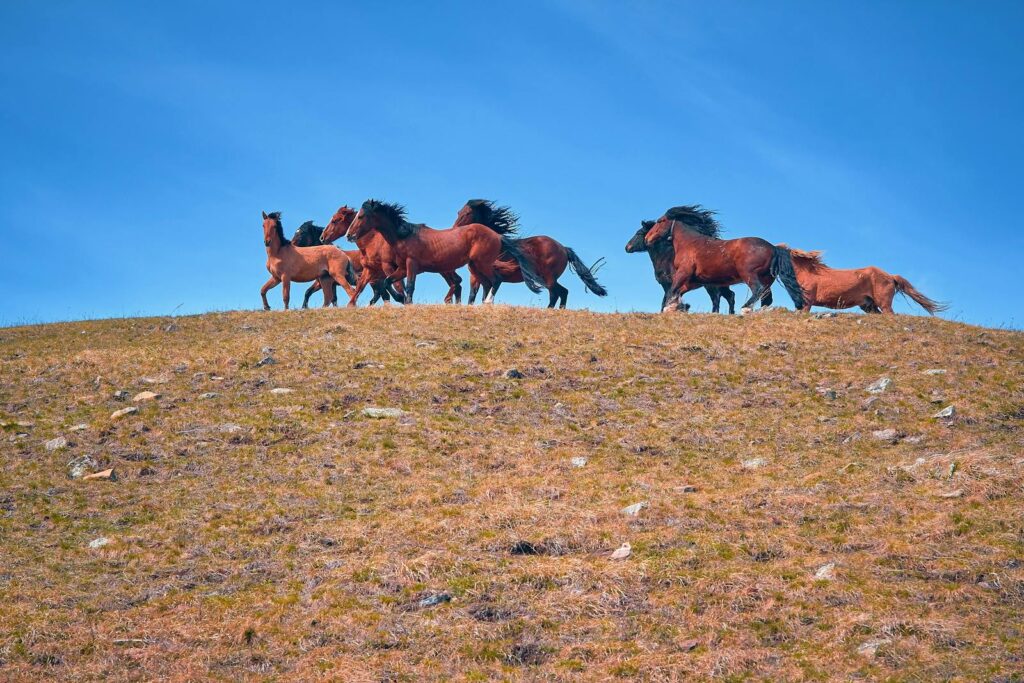
Horses, as highly social herd animals, have developed sophisticated communication systems that allow them to maintain cohesion, establish hierarchy, and ensure their collective survival. Far from being simple creatures, equines possess a nuanced language of body postures, vocalizations, and tactile interactions that have evolved over millions of years. Their communication methods reflect both their evolutionary history as prey animals and their complex social structures. Understanding how horses communicate with each other not only provides fascinating insights into equine behavior but also helps humans better interact with these magnificent animals. This article explores the multifaceted ways horses exchange information within their herds, from subtle ear movements to dramatic physical displays.
The Foundation of Equine Communication: Body Language
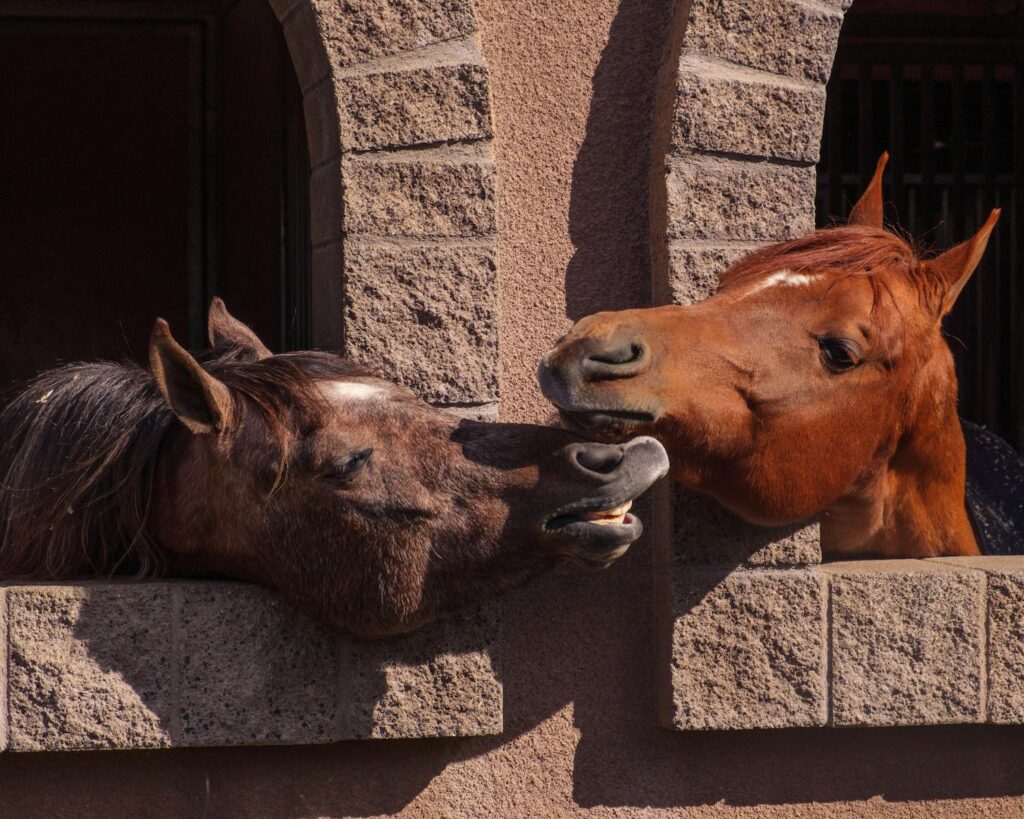
Body language forms the cornerstone of horse communication, with every muscle movement potentially conveying meaning to other herd members. Horses can read each other’s intentions through minute shifts in posture, making them remarkably adept at non-verbal communication. A horse’s entire body serves as a communication tool, from the position of their head and neck to the tension in their muscles and the placement of their legs. This silent language allows horses to maintain constant awareness of each other’s emotional states and intentions without drawing the attention of predators. Even when grazing quietly, horses continuously monitor the body language of herd mates, always ready to respond to signals that might indicate danger or social interactions.
Ear Positions: Small Movements With Big Meanings
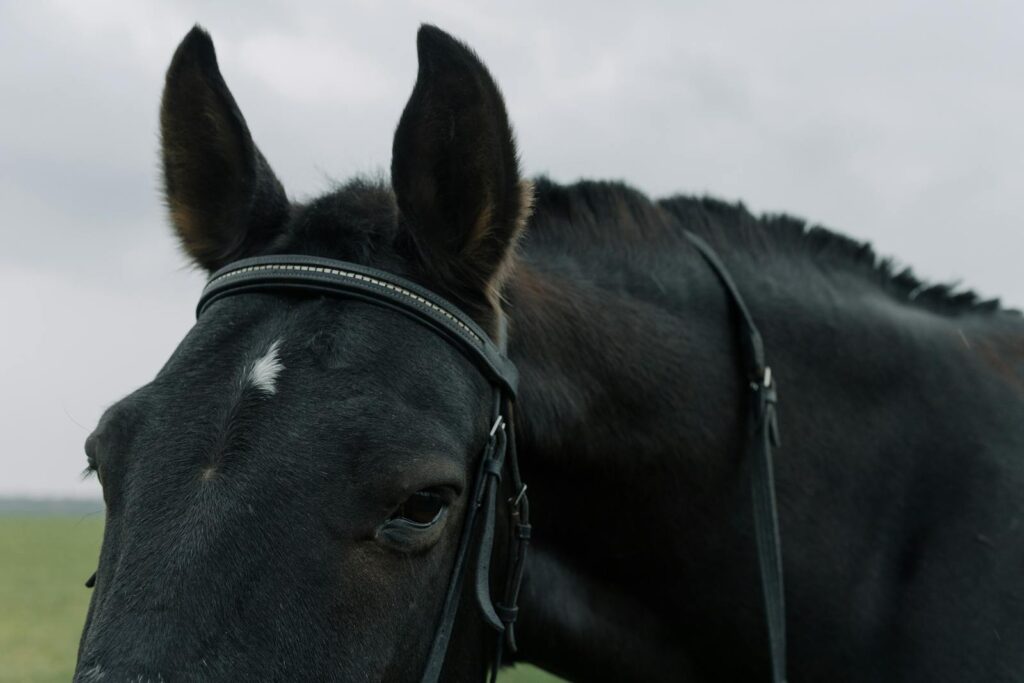
A horse’s ears function as remarkably expressive communication tools, capable of rotating 180 degrees independently and assuming numerous positions that convey specific messages. Forward-facing ears generally indicate interest or alertness, while ears pinned flat against the neck serve as a clear warning that aggressive action may follow if the receiver doesn’t back down. Ears that flick back and forth often indicate a horse is processing multiple stimuli or experiencing uncertainty about a situation. Relaxed ears that hang slightly to the side typically signal contentment or relaxation in a comfortable herd setting. Observing ear positions provides one of the quickest ways to assess a horse’s emotional state and intentions within the dynamic social environment of the herd.
Facial Expressions: The Equine Emotional Barometer
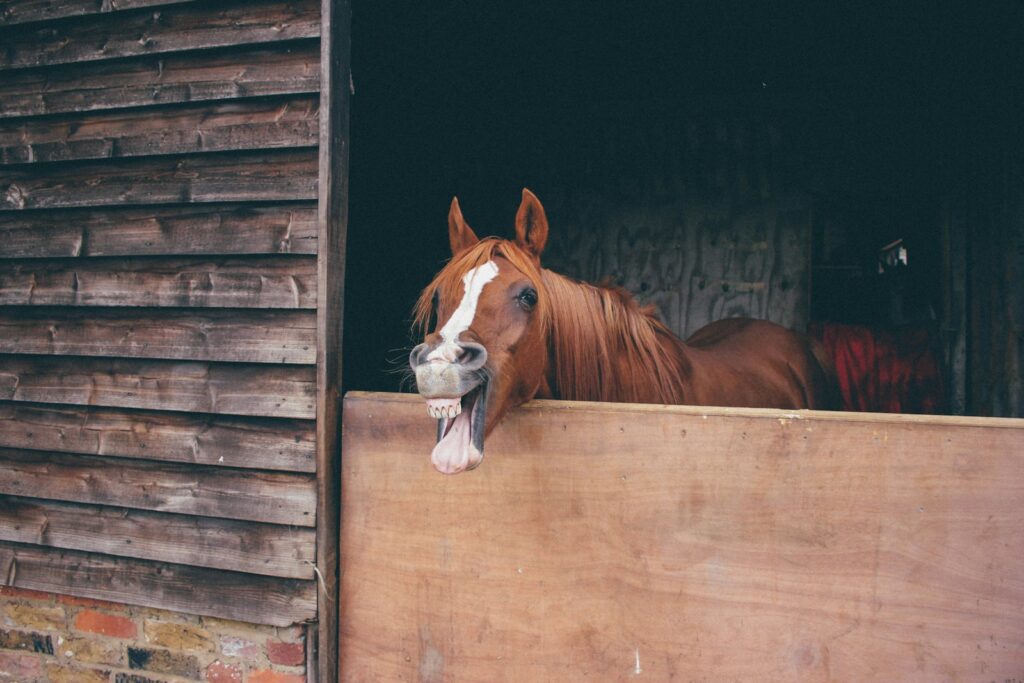
Horses possess a range of facial expressions that communicate their emotional states with remarkable precision to other herd members. The “snapping” behavior seen in young horses, where they curl their upper lip and clack their teeth, signals submission to more dominant individuals. A relaxed expression with soft eyes and loose lips indicates comfort, while widened eyes, flared nostrils, and tense muscles around the muzzle signal fear or alertness. Some horses display a “snake face” – stretching their neck forward with ears pinned and lips pursed – as a threat display before potential aggression. Research at the University of Sussex has documented over 17 distinct facial expressions in horses, comparable to the expressive capacity of chimpanzees and more than some other mammals, highlighting the complexity of their emotional communication.
Tail Movements: Signaling Emotions and Intentions
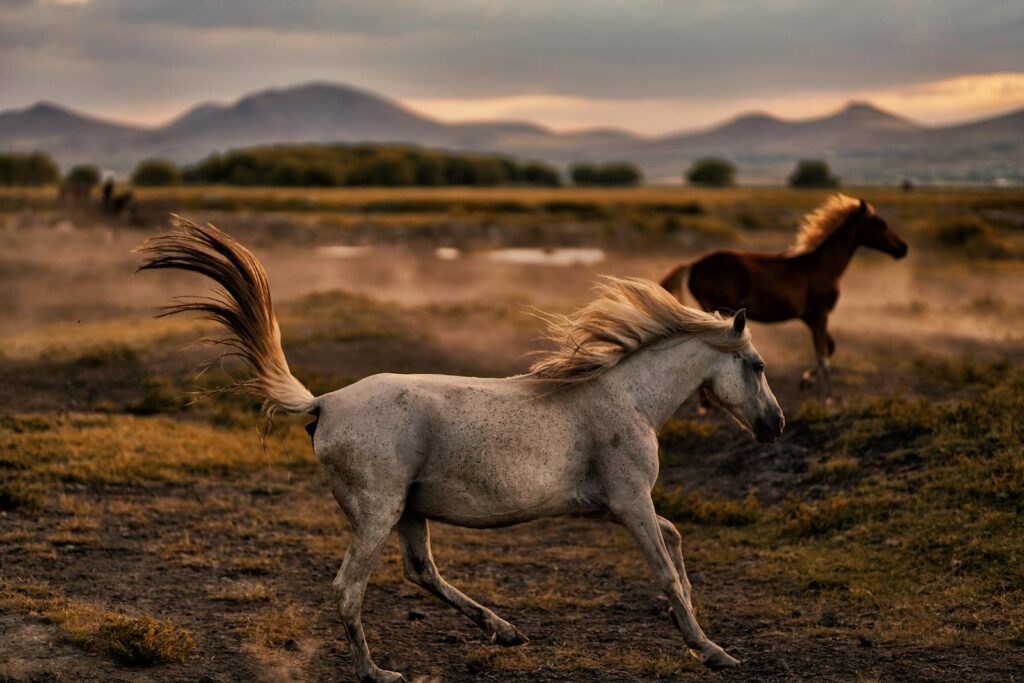
A horse’s tail serves as a highly visible communication flag that broadcasts emotional states and intentions across considerable distances within the herd. A tail held high typically indicates excitement, alertness, or in some cases, a display of confidence or dominance. Conversely, a clamped-down tail pressed tightly against the hindquarters often signals fear, pain, or extreme submission in a tense situation. The relaxed, gentle swinging of a tail generally indicates contentment, while rapid, agitated swishing usually communicates irritation or discomfort. Stallions often raise their tails when displaying to mares or challenging other males, creating a visual signal that enhances their appearance and communicates reproductive readiness. These tail communications allow herd members to quickly assess each other’s states even when not directly facing one another.
Vocalizations: When Horses Break Their Silence
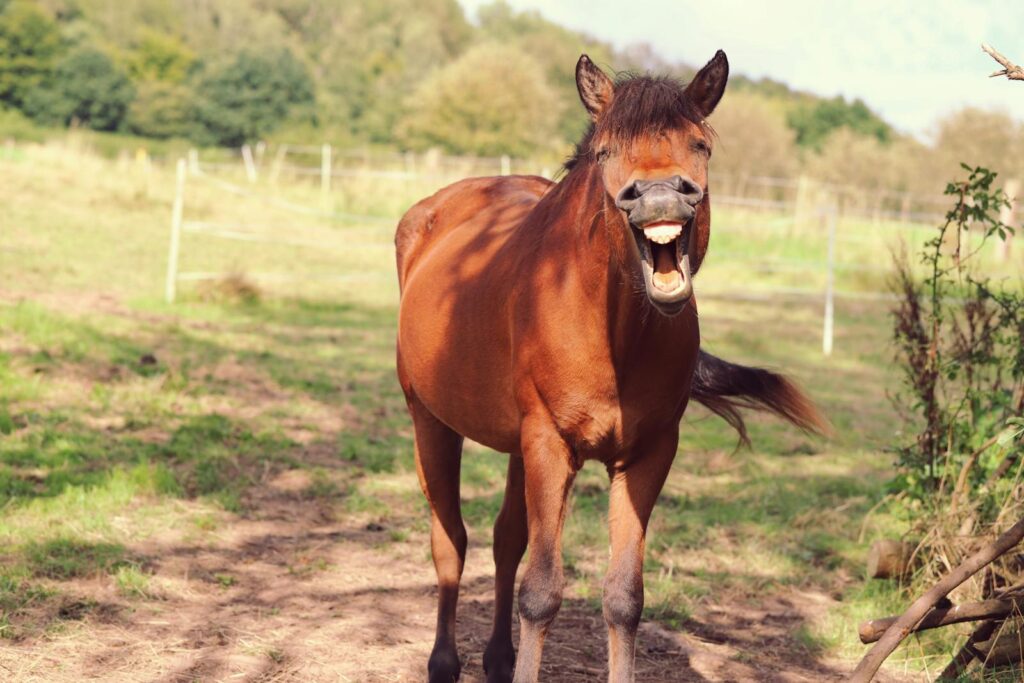
While horses primarily communicate through body language, their vocalizations play critical roles in specific situations where visual communication is insufficient. The high-pitched whinny or neigh can carry over long distances, helping separated herd members locate each other or alerting the group to potential dangers. Softer nickering sounds, produced with the mouth closed, typically express positive anticipation or gentle greeting between bonded horses. The loud, explosive snort often signals alertness or alarm, functioning as an audible warning system that can instantly put the entire herd on high alert. Squeals, commonly heard during confrontations or when stallions encounter each other, convey tension and potential aggression. These diverse vocalizations complement the visual communication system, becoming particularly important when horses are separated or during low-visibility conditions.
Touch-Based Communication: Mutual Grooming and Physical Contact
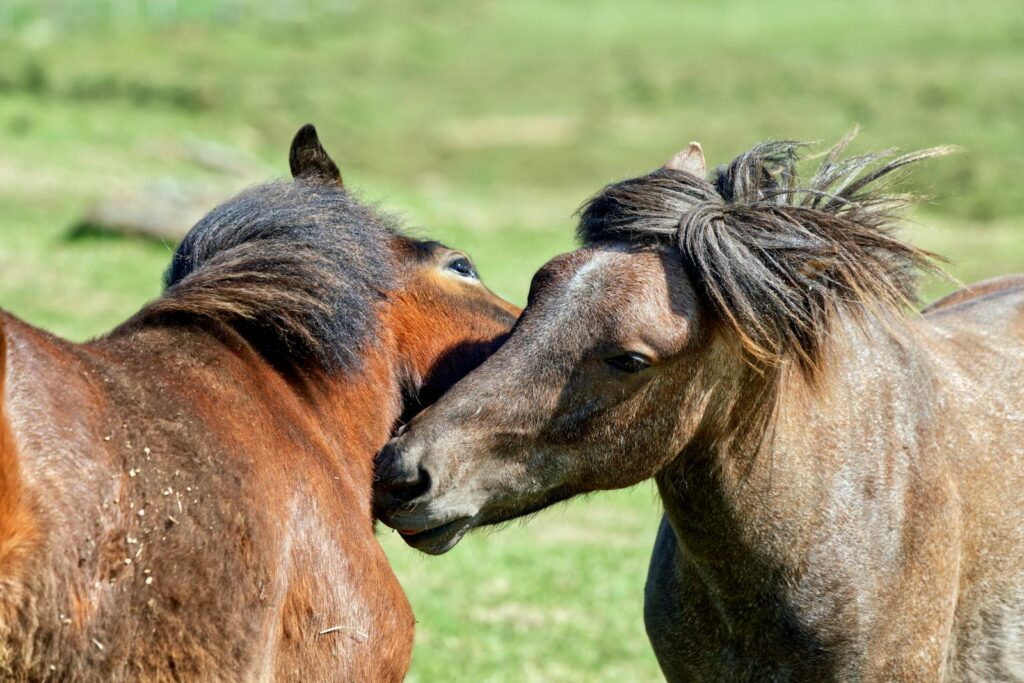
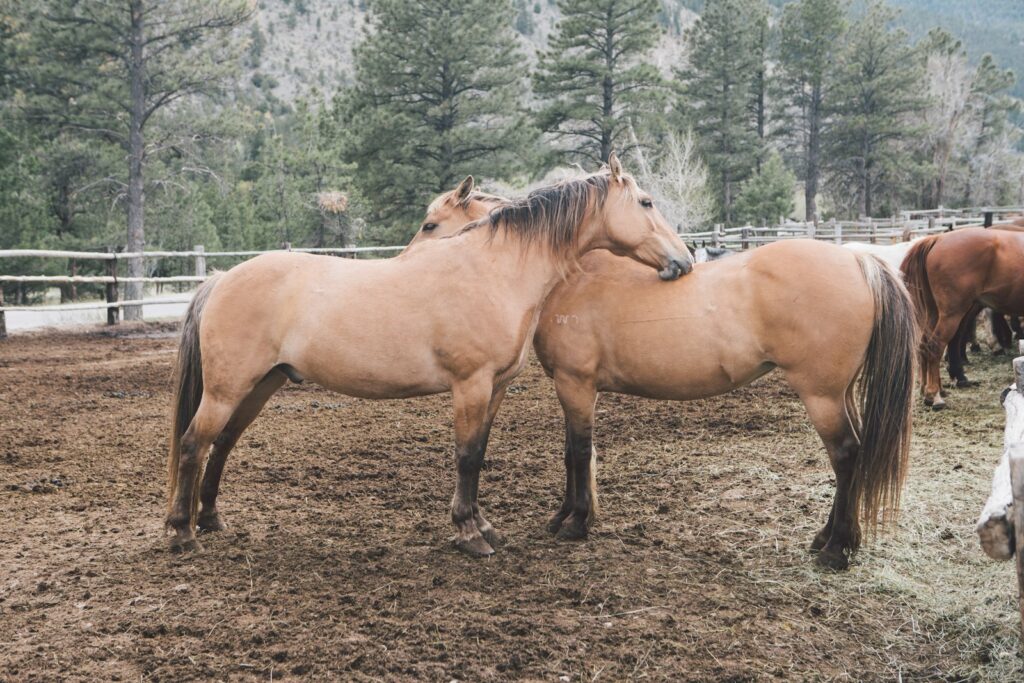
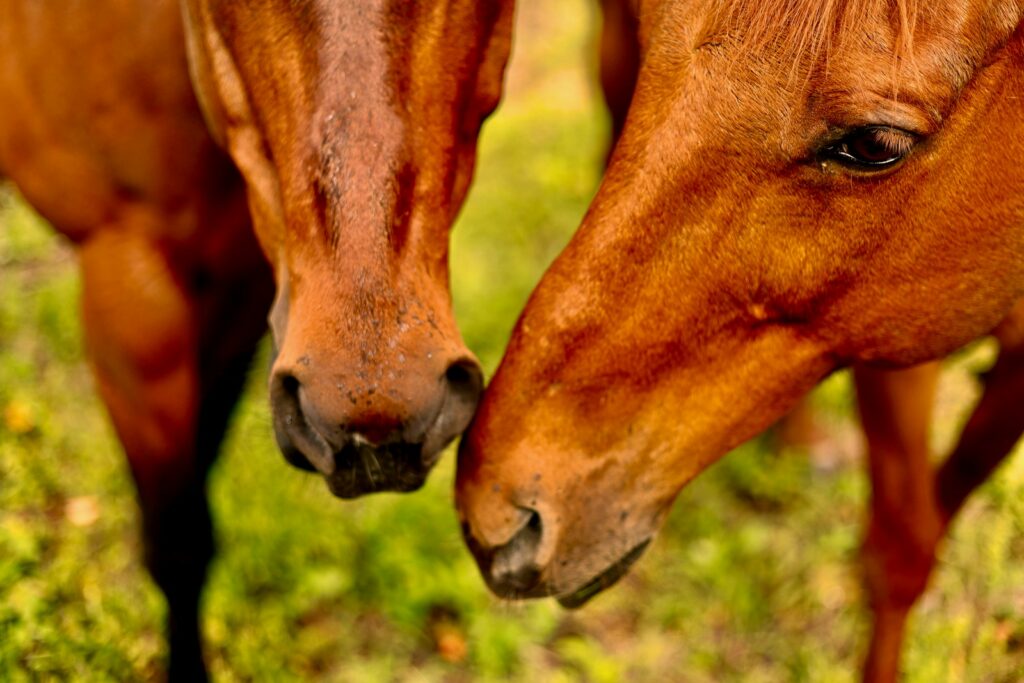
Physical contact represents a fundamental component of equine social bonding and communication within the herd structure. Mutual grooming, where horses stand beside each other and nibble along each other’s withers, neck, or back, serves both practical and social purposes, removing parasites while simultaneously strengthening bonds between individuals. Gentle nuzzling between horses often communicates affection, particularly between mares and foals or horses with established friendships. A horse resting its head over another’s back or neck typically signals dominance in a generally peaceful manner, establishing hierarchy without aggression. Playful pushing, nipping, or chase games between younger horses or relaxed adults builds social skills and reinforces relationships while establishing boundaries. These tactile interactions create a complex network of relationships that help maintain herd cohesion and social harmony.
Spatial Relationships: Communication Through Positioning
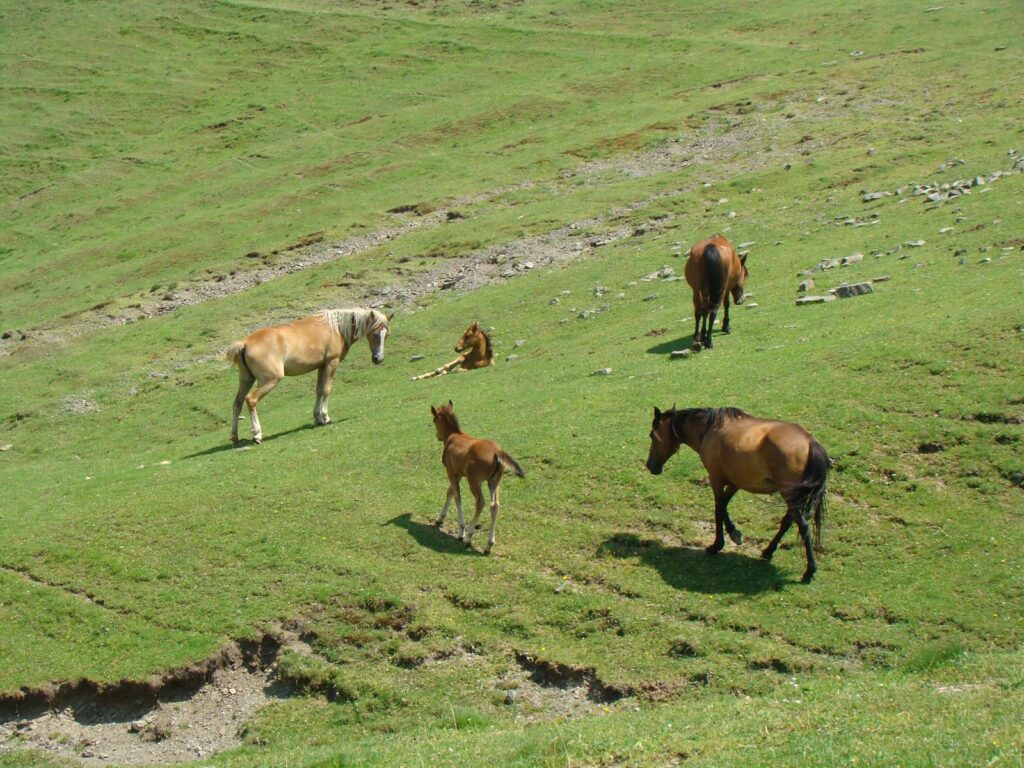
The physical positioning of horses relative to each other communicates volumes about their social relationships and current intentions within the herd. Higher-ranking horses typically maintain the right to personal space, moving lower-ranking members away with subtle gestures like an ear pin or head toss. During times of danger, most herds will compress their spatial arrangement, with vulnerable members positioned centrally while more dominant individuals face outward to monitor threats. The distance a horse maintains from others can indicate its social status, with subordinate horses yielding space more readily than dominant ones. Mares with foals often position themselves strategically to keep their young accessible but protected, using their bodies as physical shields while communicating protective intentions to other herd members. These spatial communications create an ongoing, dynamic arrangement that reflects the social structure and current priorities of the herd.
Dominance Displays: Establishing and Maintaining Hierarchy
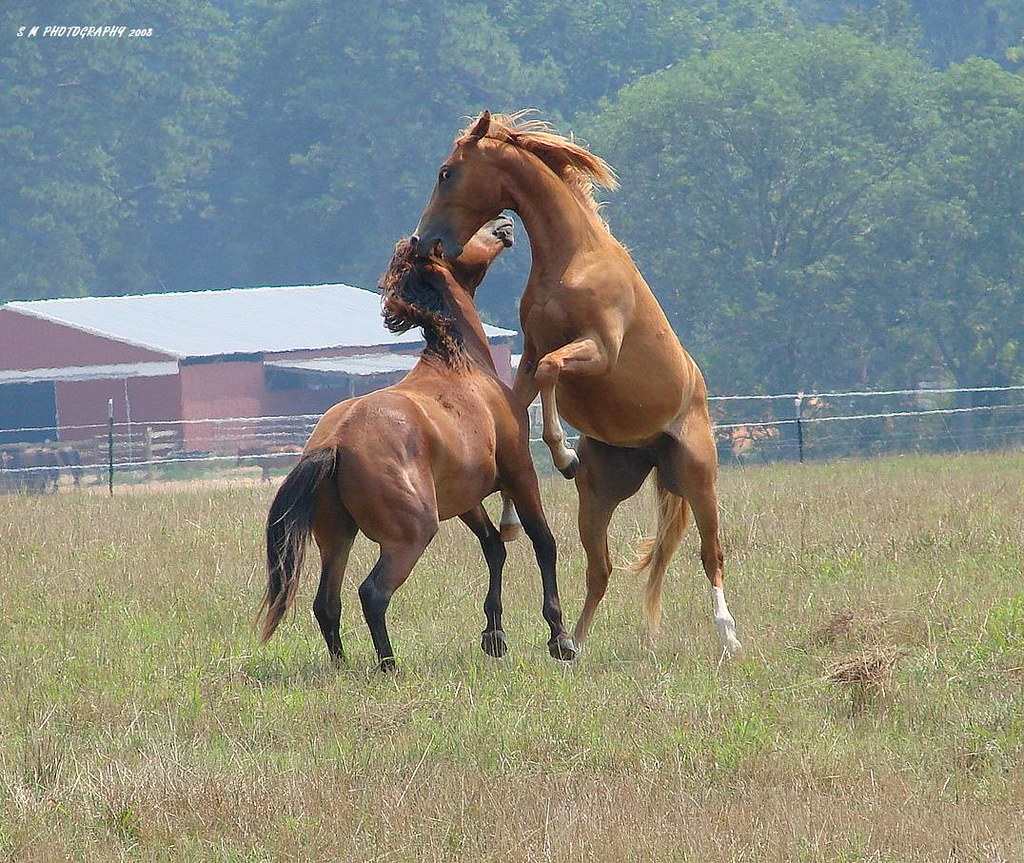
Horses communicate their place in the social hierarchy through various dominance displays that typically aim to establish order with minimal actual fighting. A dominant horse may approach a subordinate with head raised, neck arched, and deliberately slow, elevated steps, physically communicating their status through an impressive display. When resources like water or food are limited, dominant horses communicate their priority access through threats like bared teeth, lunging movements, or kicks that rarely make contact but clearly establish boundaries. More subtle dominance communications include the “displacement” behavior, where a higher-ranking horse simply approaches and the lower-ranking individual moves away without explicit threats. These hierarchical communications create social stability, reducing serious conflicts once relationships are established and understood by all herd members.
Alerting the Herd: Danger Communication Systems
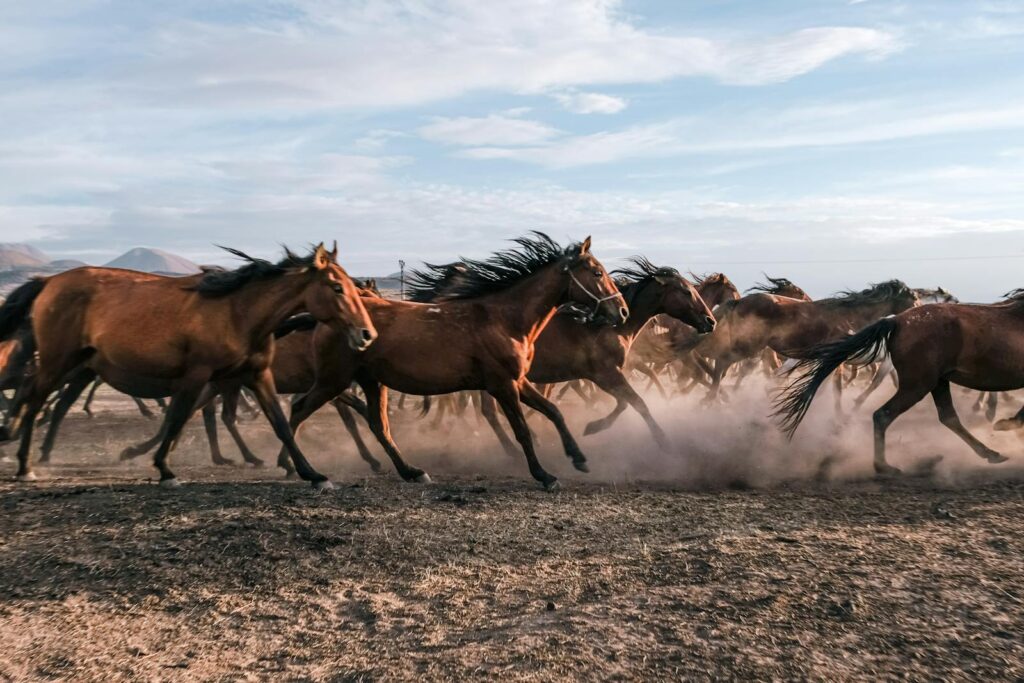
Horses have evolved sophisticated systems for communicating potential dangers to the entire herd, allowing for rapid collective responses that enhance survival. When a horse detects a possible threat, it typically assumes a high-alert posture with head raised, ears forward, and body tensed, visually signaling others to increase their vigilance. This initial alert can rapidly cascade through the herd as each horse notices the changed behavior of its neighbors, creating a wave of awareness without requiring vocalizations that might attract predator attention. If the threat appears serious, a horse may emit a loud snort or blow, serving as an audible alarm that can trigger the flight response in the entire group. During flight, lead mares often communicate direction through their body positioning and movement choices, while rear-guard horses (frequently stallions) may display threat postures toward pursuers. This multi-layered danger communication system showcases the sophistication of equine social intelligence.
Reproductive Communication: Courtship and Breeding Behaviors
Horses employ distinct communication patterns during reproductive seasons that signal readiness to mate and establish breeding arrangements within the herd. Mares in estrus communicate their receptivity through physical signals including frequent urination, “winking” of the vulva, and a characteristic posture with tail raised to one side. Stallions detect these chemical and visual cues, responding with their own communication displays such as arched necks, prancing movements, and distinctive deep vocalizations known as “roaring.” The communication between potential mates often includes a ritualized sequence of approaches and retreats, with the mare kicking out if the timing isn’t right or standing receptively when ready. Other herd members typically recognize these reproductive communications and adjust their own behaviors accordingly, with stallions intervening to prevent young males from approaching receptive mares. These intricate mating communications ensure successful reproduction while minimizing conflict within the herd structure.
Playful Interactions: Building Skills Through Communication
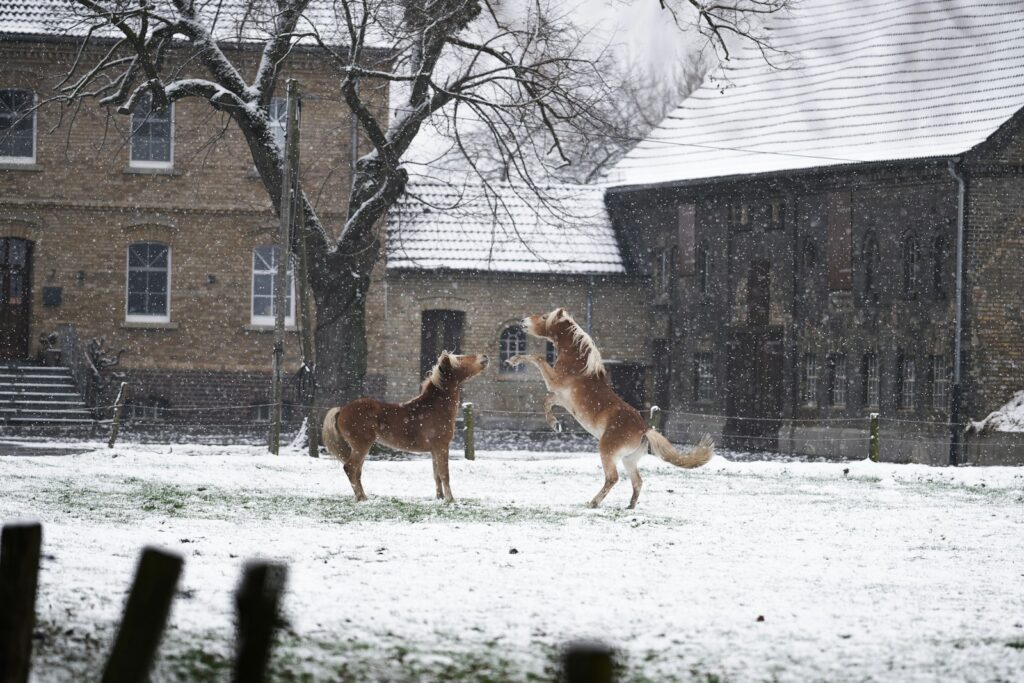
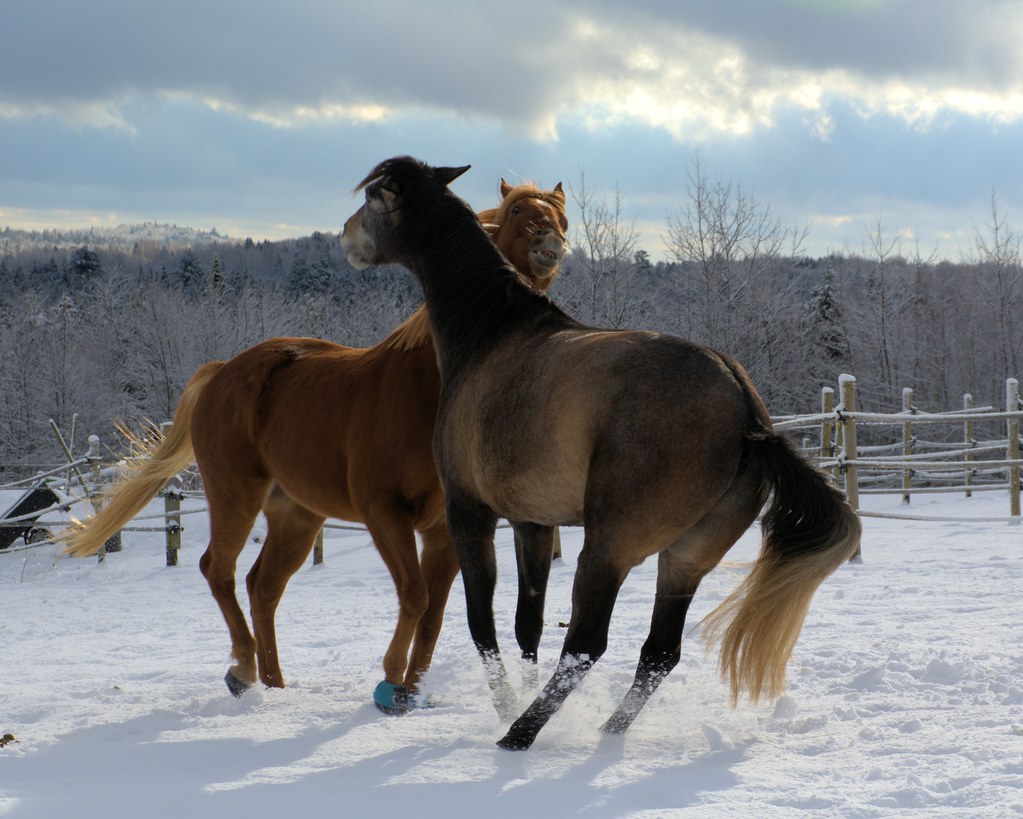
Play behavior represents a critical communication channel through which horses, particularly young ones, develop physical abilities and social skills necessary for adult life. Young horses signal play intentions through distinctive bouncy movements, exaggerated head tosses, and a characteristic “play face” with relaxed features that clearly communicates non-aggressive intent. During play-fighting, colts and fillies learn to communicate their own boundaries through graduated responses that might begin with ear pinning and escalate to stronger signals if needed. Adult horses watching nearby monitor these interactions closely, sometimes intervening with clear communication signals if play becomes too rough or potentially dangerous. The communication skills developed through play translate directly to adult social interactions, teaching young horses how to navigate complex herd dynamics through appropriate signaling. Even adult horses engage in playful communication during favorable conditions, reinforcing social bonds through these positive interactions.
Mother-Foal Communication: The First Relationship
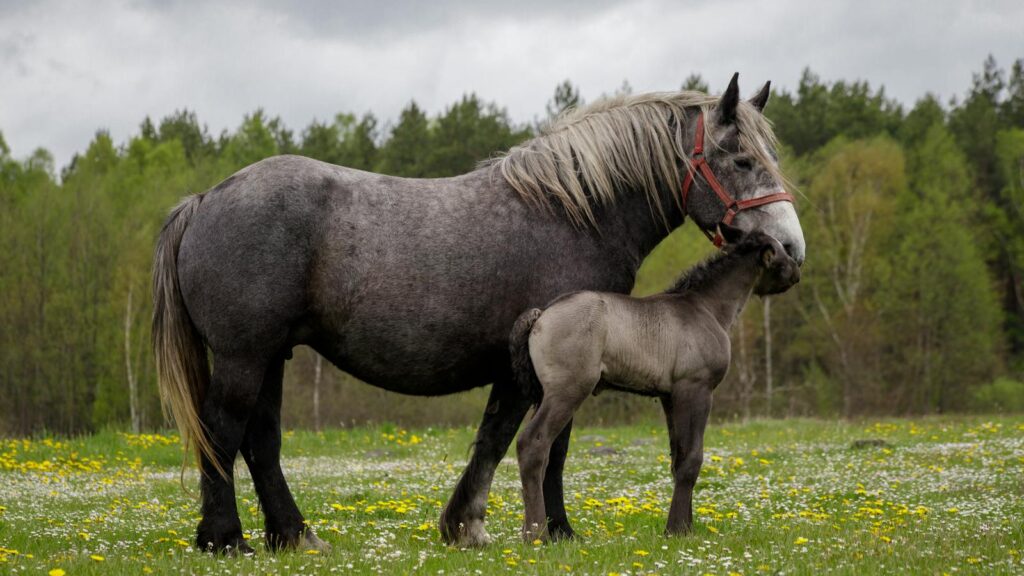
The communication between a mare and her foal forms the foundation for all future social interactions the young horse will experience throughout its life. From birth, mares establish vocal recognition with their foals through soft nickering sounds that create a unique auditory bond, helping them locate each other in all situations. Physical communications include specific postures that signal when nursing is permitted and gentle but firm movements that establish early boundaries. Mares communicate protection through positioning their bodies between perceived threats and their foals, while simultaneously teaching appropriate responses to danger through their own reactions. The foal rapidly learns to interpret its mother’s subtle signals, from ear positions that indicate safe versus dangerous situations to body postures that communicate when to follow closely versus when exploration is permitted. This intimate communication relationship provides the foal with its first education in the complex language of equine social interaction.
Modern Research: Scientific Understanding of Equine Communication
Contemporary scientific research has dramatically expanded our understanding of the sophistication in equine communication systems through systematic observation and experimental studies. Researchers at universities worldwide are documenting the nuanced facial expressions of horses using the Equine Facial Action Coding System (EquiFACS), which identifies distinct muscle movements that correspond to specific emotional states. Studies measuring heart rate variability now confirm that horses can detect and respond physiologically to the emotional states of both other horses and human handlers, suggesting a level of emotional communication previously underappreciated. Advanced acoustic analysis of horse vocalizations reveals that whinnies contain information about individual identity, emotional state, and potentially specific situations, similar to the complex vocalizations of some other mammals. This growing body of research provides scientific validation for what many experienced horse people have long observed: horses possess a rich, multi-layered communication system that reflects their evolution as social animals with complex cognitive and emotional lives.
Conclusion
The communication systems horses have developed through their evolutionary history as herd animals reveal a level of social sophistication that rivals many other highly intelligent species. From the subtle positioning of an ear to dramatic physical displays, horses constantly exchange information that maintains their social structure, ensures collective safety, and enables reproduction. These communication methods evolved primarily to support their survival as prey animals, where silent coordination often meant the difference between life and death. By understanding how horses naturally communicate with each other, humans can better interpret their behavior, respond appropriately to their needs, and develop deeper connections with these remarkable animals. As scientific research continues to uncover the complexities of equine communication, our appreciation for these ancient social languages only deepens, revealing the true intelligence and emotional depth of horses.