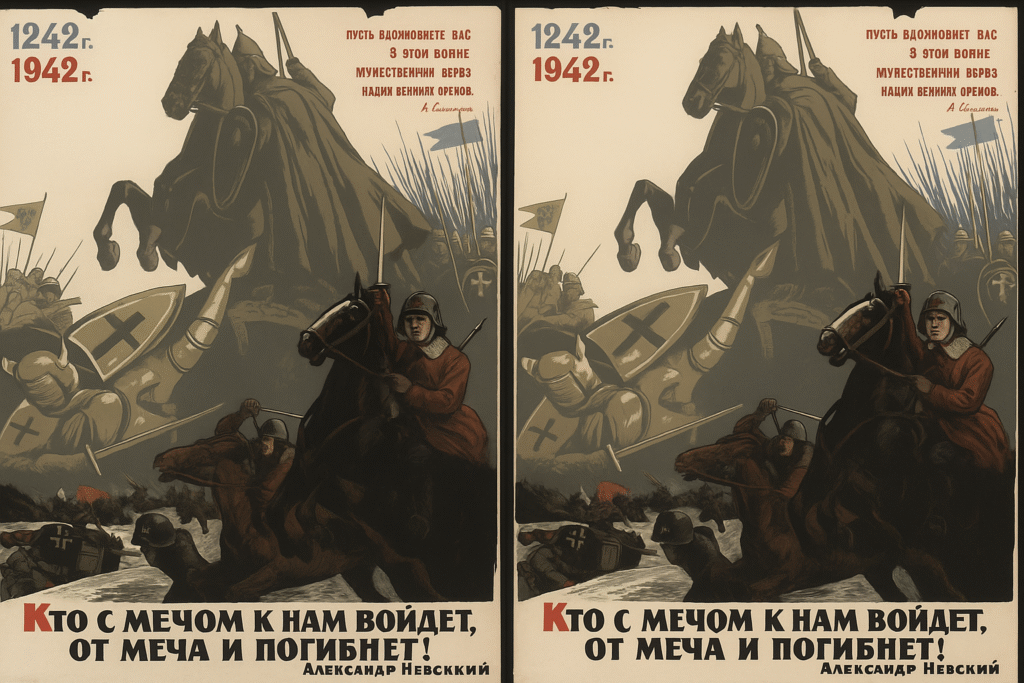
Since the dawn of organized warfare, horses have galloped alongside humans into battle, carrying warriors, pulling chariots, and later, transporting artillery and supplies. Beyond their physical contributions to military efforts, these majestic animals have taken on powerful symbolic roles in the psychological battleground of war propaganda. From ancient carved reliefs to World War posters, horses have been deliberately portrayed to evoke specific emotions, rally populations, and demonize enemies. This fascinating intersection of military history, animal symbolism, and mass psychology reveals how a single animal came to represent courage, sacrifice, national identity, and the very spirit of warfare itself across centuries and civilizations.
The Natural Power of Equine Symbolism
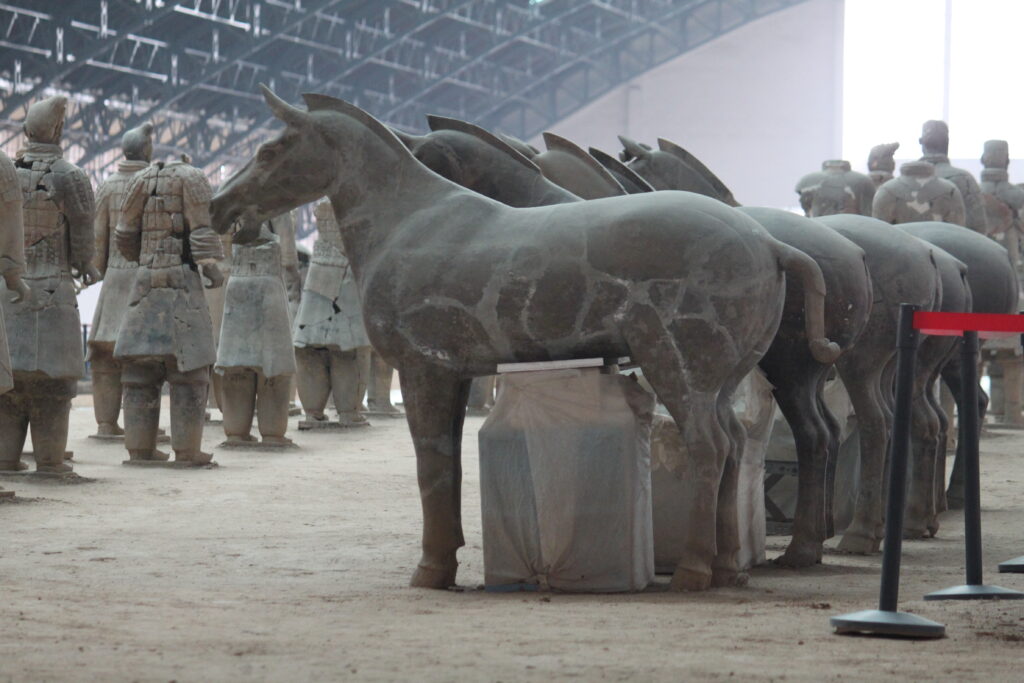
The horse’s natural attributes made it an ideal canvas for propaganda messaging long before the term “propaganda” existed. With their combination of strength, speed, grace, and intelligence, horses embodied qualities that military leaders wanted their soldiers and citizens to admire and emulate. Their ability to be both wild and tamable created perfect metaphorical opportunities – representing both untamed power and disciplined obedience simultaneously. The rearing stallion, head high and forelegs pawing the air, became a universal symbol of unbridled strength and courage that transcended language barriers. This natural symbolic potency explains why horses appeared in military imagery across vastly different cultures and time periods, from Chinese terracotta warriors to Napoleonic paintings.
Ancient Beginnings: Royal Horses as Power Symbols
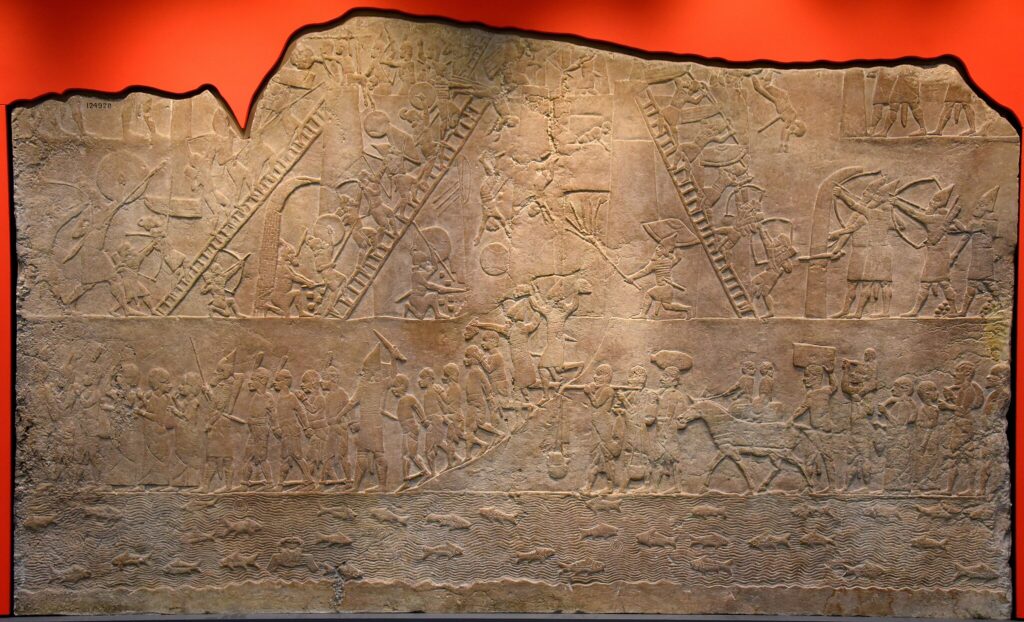
The earliest examples of horses in military propaganda can be found in ancient Assyrian and Persian palace reliefs dating back to the 9th century BCE. Kings like Ashurbanipal commissioned massive stone carvings depicting royal lion hunts and battle scenes where the monarch’s horse stood tall and composed amid chaos, suggesting the ruler’s divine right to command and conquer. Similarly, in ancient Egypt, Ramesses II’s famous Battle of Kadesh monument shows the pharaoh’s horses pulling his chariot fearlessly forward while enemy horses tumble in disarray. These early propagandistic images established a visual language where the composure and superiority of a leader’s horse directly communicated his fitness to rule. The message was clear: as the king masterfully controlled the most powerful animal known to ancient societies, so too could he control his kingdom and defeat enemies.
Medieval Knights and the Chivalric Ideal
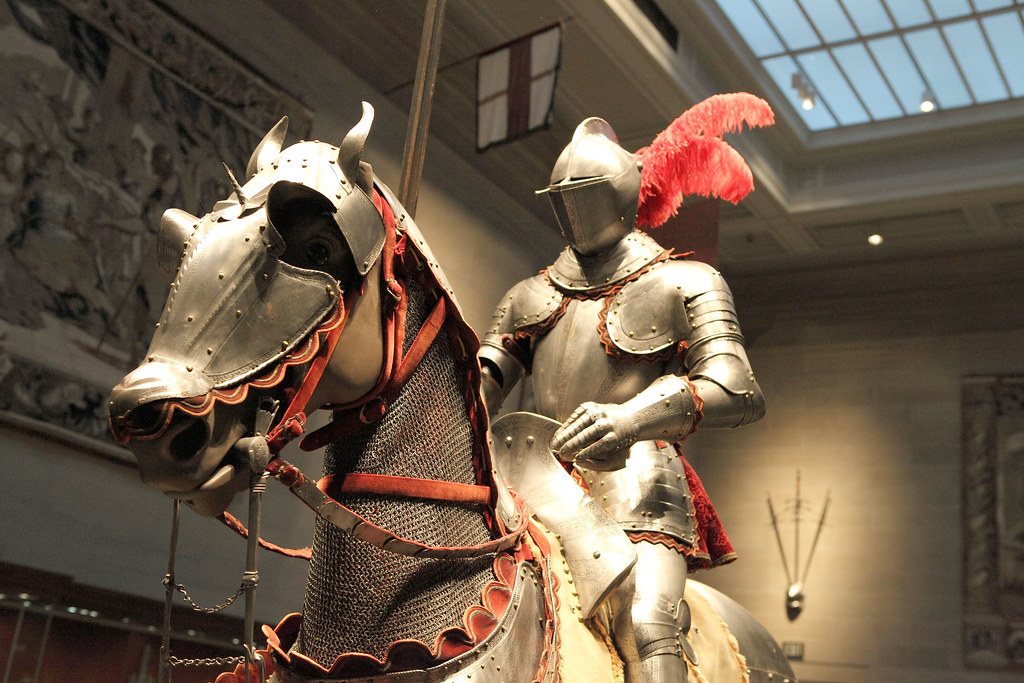
During the medieval period, the image of the mounted knight became one of the most enduring propaganda symbols in Western history, representing the perfect union of human virtue and animal power. The warhorse and knight were portrayed as a single fighting unit in illuminated manuscripts, tapestries, and sculptures, with the horse’s magnificence reflecting the nobility of its rider. Propaganda of this era emphasized bloodlines and breeding – both of horses and knights – to reinforce the idea that leadership and warfare were the natural domain of the aristocracy. The famous Bayeux Tapestry, commemorating the Norman Conquest of England, dedicates significant space to depicting William the Conqueror’s impressive cavalry, with their powerful destriers shown trampling Saxon foot soldiers. These images reinforced the chivalric ideal and perpetuated the notion that mounted warriors were inherently superior, helping to maintain the feudal power structure for centuries.
Renaissance Art and the Equestrian Portrait
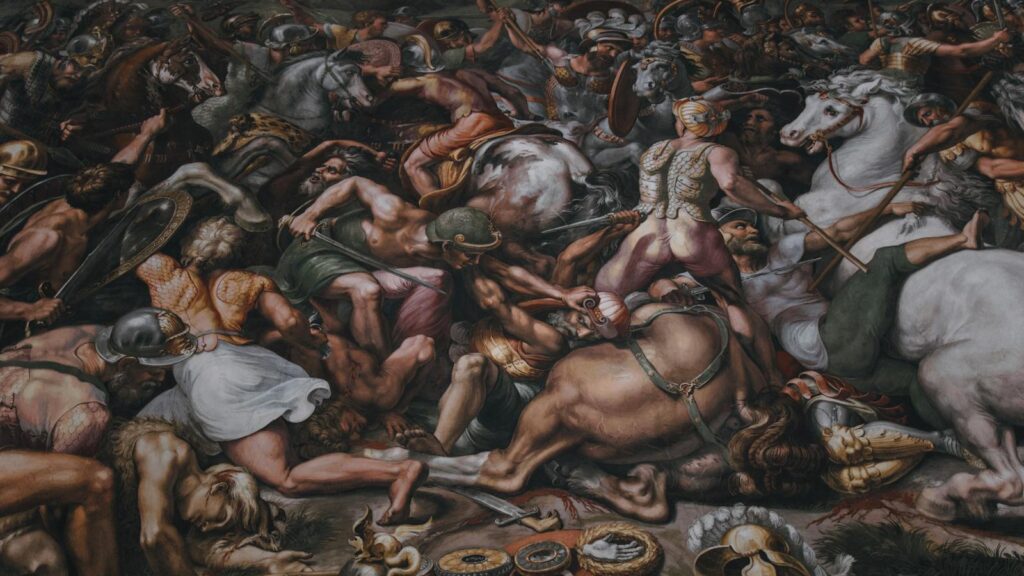
As warfare evolved during the Renaissance, so too did equine propaganda, with the equestrian portrait becoming the ultimate symbol of leadership and military authority. These imposing artworks showed rulers astride magnificent horses in collected, controlled poses known as the “levade” – half-rearing positions that demonstrated both power and restraint. Jacques-Louis David’s famous painting of Napoleon crossing the Alps deliberately referenced earlier equestrian portraits of Charlemagne and Hannibal, visually connecting the French emperor to legendary military leaders of the past. The positioning of the horse was highly codified in these propaganda pieces – a rearing horse signified a leader who died in battle, while a horse with one hoof raised indicated the leader was wounded in combat but survived. Through these visual conventions, Renaissance and Enlightenment-era propaganda used equestrian imagery to craft carefully controlled narratives about leadership and military prowess.
Napoleonic Wars: Horses as National Character

During the Napoleonic Wars, horse imagery in propaganda evolved to represent distinct national characters and military approaches. French propaganda emphasized the speed and agility of their cavalry, with dramatic images of dashing hussars on small, fast horses representing French military innovation and breaking with old regimes. By contrast, British propaganda emphasized sturdier horses and more disciplined cavalry formations, suggesting stability and tradition against French revolutionary chaos. The Spanish artist Francisco Goya’s haunting painting “The Shooting of May Third 1808” used the imposing silhouettes of French cavalry horses to represent the mechanistic cruelty of Napoleon’s occupying forces in Spain. This period marked a significant evolution in equine propaganda, as horses began to embody not just individual leader attributes but collective national military identities and values that ordinary citizens could rally behind or learn to fear.
American Civil War: The Democratization of Horse Symbolism
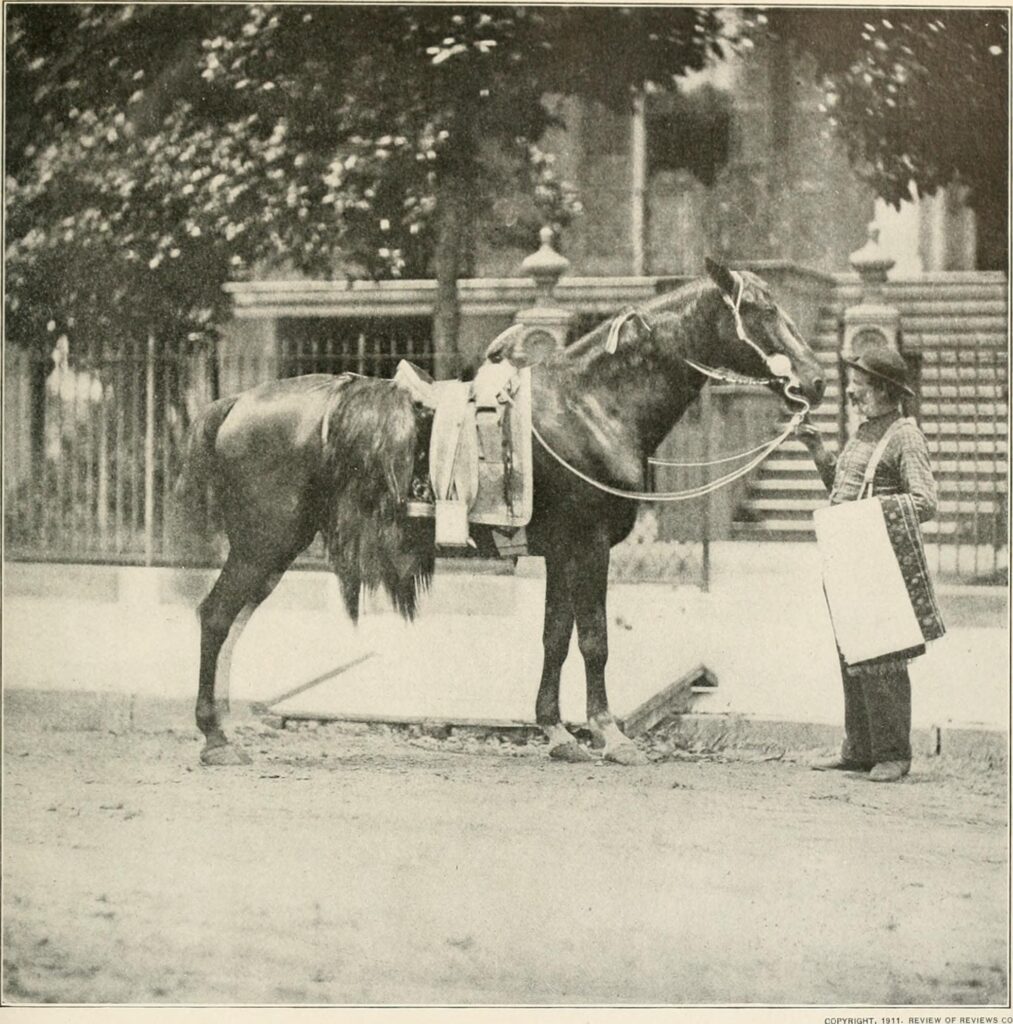
The American Civil War represented a crucial turning point in equine propaganda, as photographic technology began to replace artistic renderings, bringing unprecedented realism to war imagery. Generals from both Union and Confederate forces were frequently photographed with their horses, with these images widely distributed to boost morale and project leadership. Unlike European equestrian traditions that emphasized aristocratic connections, American propaganda highlighted the democratic nature of horsemanship in American culture, where ordinary farmers and ranchers could rise to military glory. The famous photographs of General Ulysses S. Grant with his horse Cincinnati and General Robert E. Lee with Traveller personalized the conflict through these animal companions, making leaders seem more relatable to ordinary citizens. After the war, equestrian statues became central to Civil War memorialization efforts, with the positioning of the horse’s hooves generating folklore about the rider’s fate in battle – a testament to how deeply horse symbolism had penetrated American understanding of military leadership.
World War I: The Horse as Sacrifice
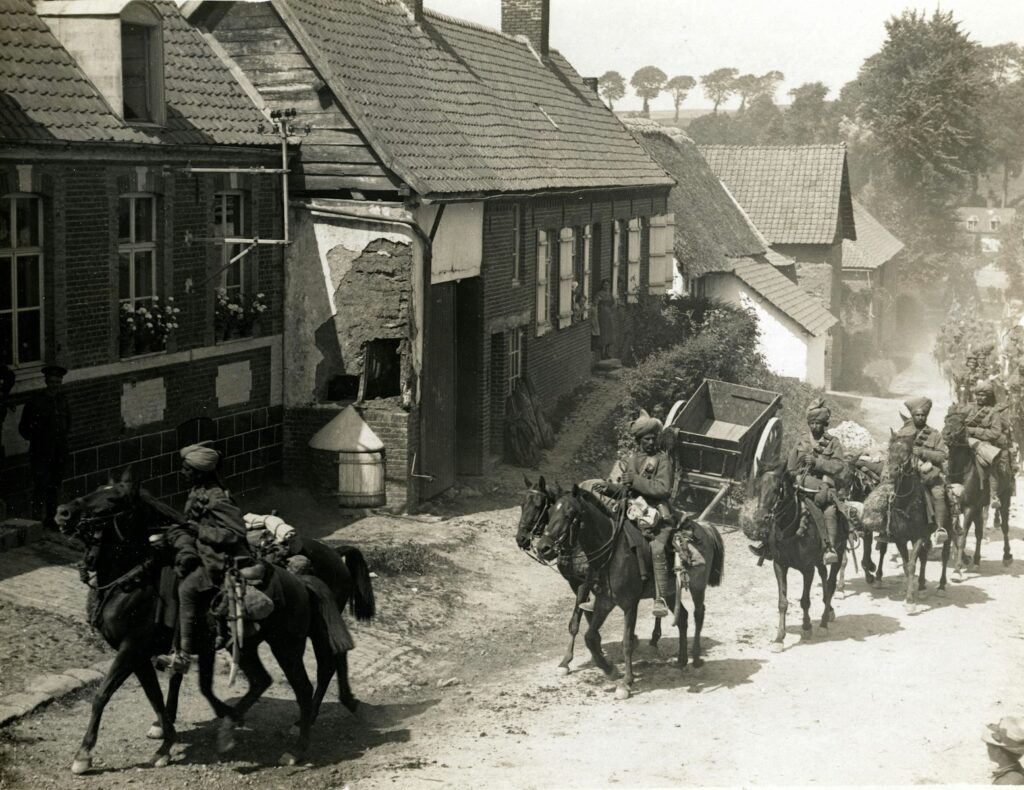
World War I marked a profound shift in equine war propaganda as the conflict claimed the lives of an estimated eight million horses – more than any previous war. As mechanization began replacing cavalry on the battlefield, propaganda shifted to emphasize the nobility of the horse’s sacrifice in service to the nation. British recruitment posters featured cavalry charges and working draft horses pulling artillery with slogans like “Help the Horse to Save the Soldier” to encourage donations to veterinary corps. On the home front, conservation propaganda urged civilians to “Save a loaf a week, help the horses of the allies” highlighting how feed shortages affected war horses. Some of the most effective propaganda images showed the deep bond between soldiers and their horses, depicting men caring for wounded animals amid battlefield chaos. These posters acknowledged the tragedy of animal suffering in modern warfare while using it to highlight human compassion and the shared sacrifice of all living beings in the national cause.
Interwar Period: Nostalgia and Modernization Tensions
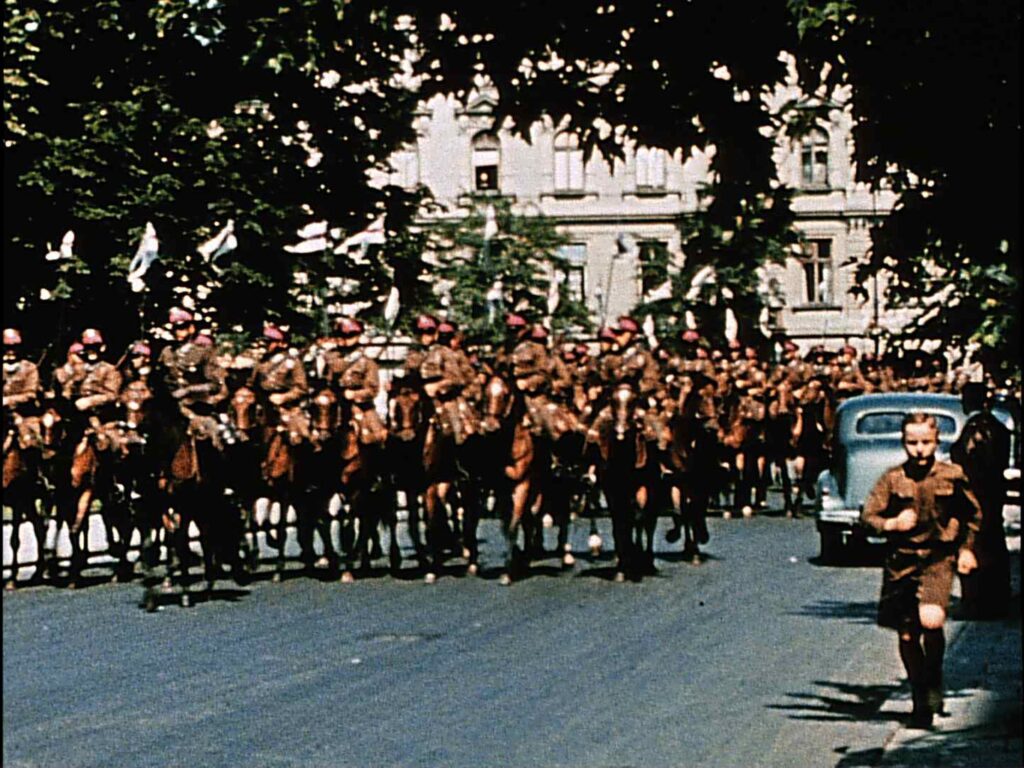
Between the World Wars, equine military imagery reflected societal tensions between tradition and modernization as armies worldwide debated the future role of cavalry. Military parades and ceremonial units maintained elaborate horse traditions even as tanks and motorized vehicles became the focus of military development. Propaganda of this era often portrayed horses nostalgically, romanticizing cavalry traditions while simultaneously celebrating mechanical innovations. In fascist Italy and Nazi Germany, equestrian imagery was strategically deployed to connect modern dictatorships with ancient Roman imperial power, with Mussolini frequently appearing on horseback in propaganda materials despite his personal discomfort around horses. The Polish army, which maintained a significant cavalry force into the 1930s, produced recruitment materials that proudly displayed mounted lancers as symbols of national tradition and independence. This interwar propagandistic imagery attempted to reconcile contradictory impulses – honoring military heritage while preparing populations for the increasingly mechanized warfare that lay ahead.
World War II: The Last Cavalry Charges
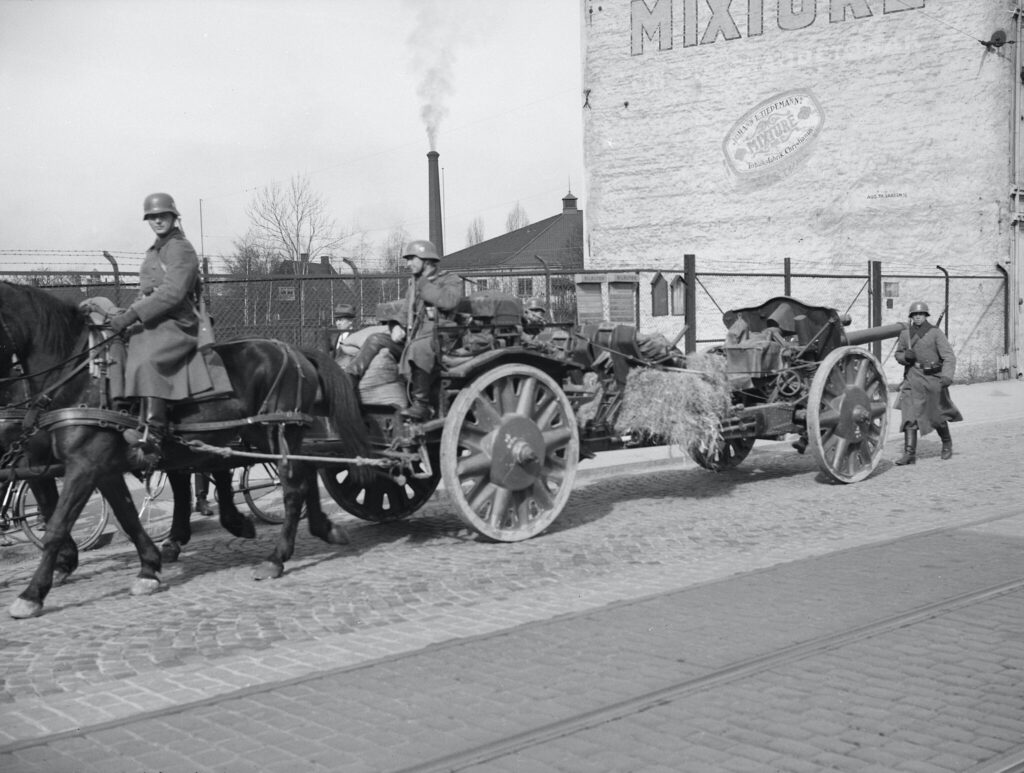
Despite the dominance of mechanized warfare in World War II, horses remained surprisingly prevalent both on battlefields and in propaganda, especially on the Eastern Front where the Soviet Union and Germany each deployed hundreds of thousands of horses for transportation. The Nazi propaganda machine created heroic imagery around German cavalry units operating in Russia, concealing the logistical failures that necessitated horse transport when fuel shortages hampered motorized divisions. Soviet counter-propaganda depicted German reliance on horses as evidence of faltering mechanization and impending defeat. Some of the most enduring horse imagery from this period came from resistance movements, particularly in occupied Poland where the famous Koń Polski (Polish Horse) underground propaganda poster became a symbol of defiance against occupation. In the Pacific theater, Australian propaganda highlighted the bravery of the mounted “Waler” horses that served in campaigns against Japan, creating a powerful national narrative around these animal contributions that persists in Australian military identity today.
Cold War: Symbolic Transformations
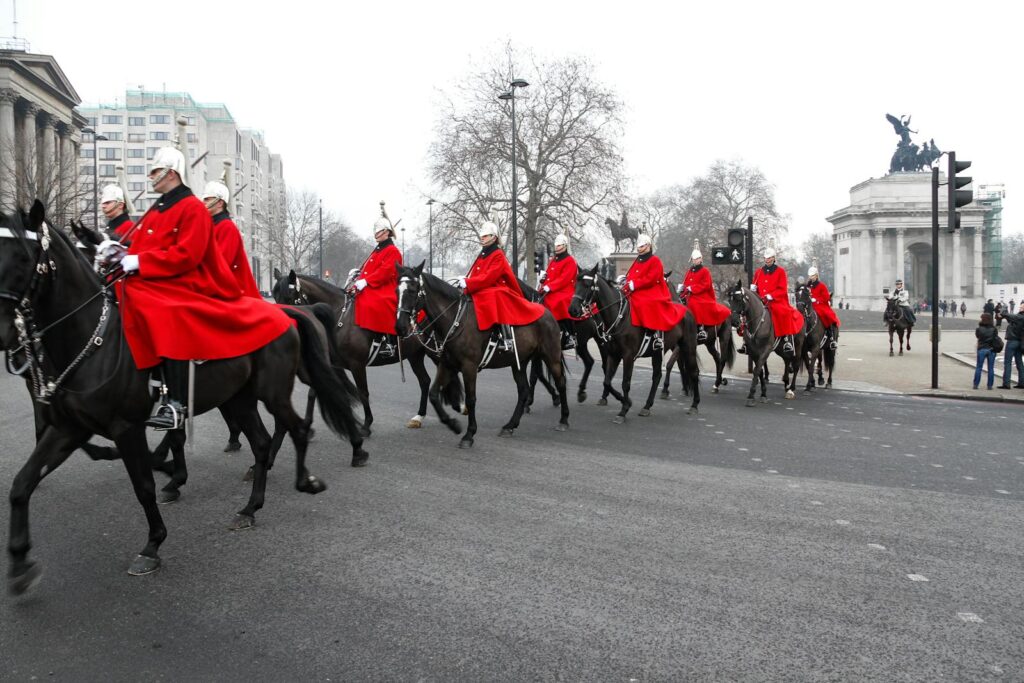
As horses disappeared from actual combat in the nuclear age, their propaganda value shifted toward ceremonial and symbolic uses that embodied tradition, stability, and continuity during a period of rapid technological change. The Soviet Union maintained elaborate mounted honor guards and military horse breeding programs, with equestrian imagery featuring prominently in parades that projected military power to international audiences. American Cold War propaganda frequently depicted cavalry charges in Western films that allegorically represented American freedom against collectivist enemies. The British monarchy’s continuing military equestrian traditions became valuable soft power assets, with images of Queen Elizabeth II reviewing troops on horseback conveying a sense of historical continuity amid decolonization and changing global power structures. Horse imagery in this era served to humanize increasingly technical and remote military technologies, providing comforting visual connections to more comprehensible forms of warfare as nuclear arsenals grew more terrifying.
Modern Military Ceremonies and Heritage Units
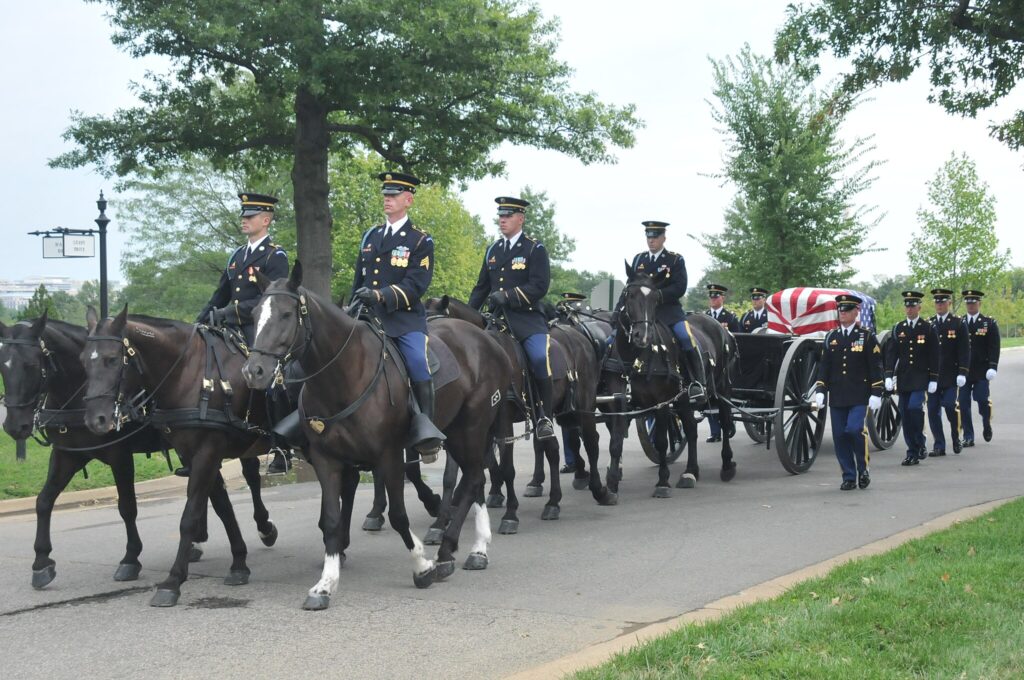
In contemporary armed forces, dedicated heritage cavalry units and mounted ceremonial troops maintain equestrian traditions that serve distinct propaganda purposes both domestically and internationally. The United States Army’s Old Guard Caisson Platoon, the British Household Cavalry, and India’s President’s Bodyguard represent how modern militaries leverage historical horse imagery to connect current operations with storied military heritage. These units appear in state ceremonies, funeral processions for dignitaries, and diplomatic events where they visually communicate national values and historical continuity. Military recruitment materials often feature these heritage units prominently, even when the forces themselves are highly mechanized and technological. The careful preservation of historical tack, uniforms, and equitation techniques represents a form of living propaganda that connects modern military service with centuries of tradition. These heritage units serve as powerful visual ambassadors that project national identity and military precision to global audiences through ceremonial equestrian displays.
Digital Age Propaganda and Historical Revisionism
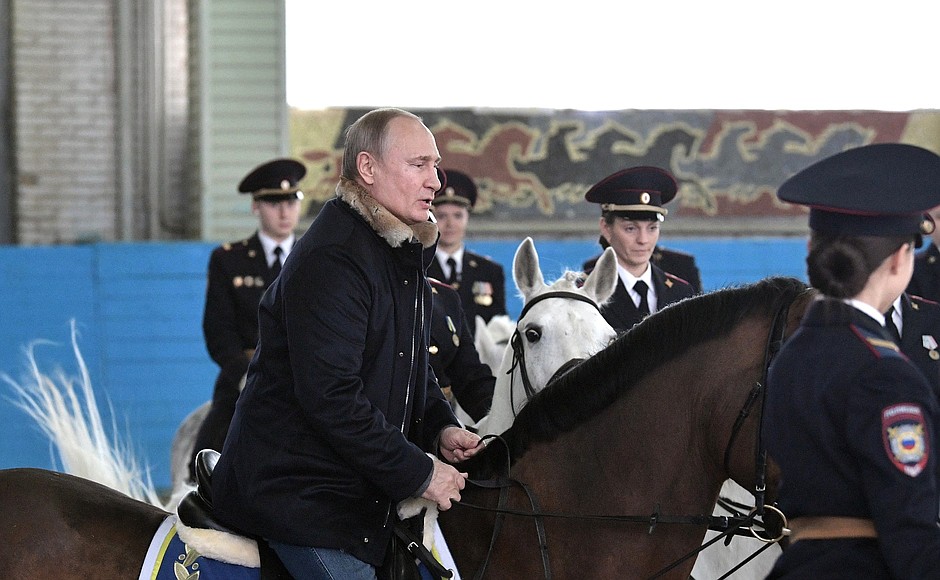
In the internet era, historical military horse imagery has been repurposed and recontextualized in ways that demonstrate the enduring propaganda value of equestrian symbolism. Memes and viral images of historical cavalry frequently appear in nationalistic social media campaigns that selectively highlight military victories while downplaying defeats. Political leaders from Vladimir Putin to Kim Jong-un have deliberately staged photo opportunities on horseback to evoke historical warrior imagery, with these images circulated globally as visual shorthand for strength and leadership. In countries with strong equestrian military traditions, horse imagery appears in military recruiting videos that blend historical footage with contemporary scenes, suggesting continuity between past cavalry glory and modern technological warfare. Digital colorization of historical war photographs has given new emotional resonance to black-and-white images of war horses, making century-old propaganda newly effective for contemporary audiences encountering these visualizations of animal service and sacrifice through social media platforms.
Enduring Legacy: Why Horse Propaganda Resonates
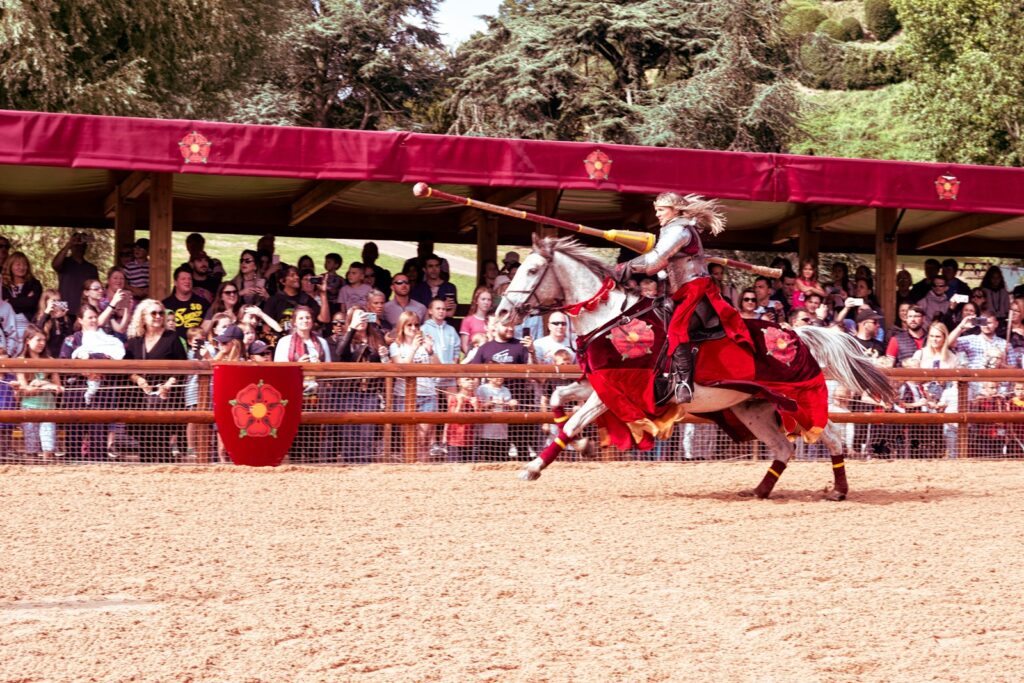
The remarkable persistence of equine imagery in military propaganda across centuries and technological revolutions reveals something fundamental about human psychology and our connection to these animals. Unlike mechanical weapons of war that become obsolete, horses evoke emotional responses that remain consistent across generations – courage, loyalty, strength, and sacrifice. The horse in military imagery serves as a living bridge between the human and heroic aspects of warfare, making abstract concepts like duty and national service more tangible and emotionally accessible. Even in societies where daily interactions with horses have become rare, these animals retain their symbolic power in military contexts through cultural memory and artistic traditions. The most successful military horse propaganda has always operated on multiple levels – inspiring courage in soldiers, fostering national pride in civilians, intimidating enemies, and commemorating sacrifices in ways that words alone cannot achieve. As long as armies maintain traditions and nations celebrate military heritage, the horse will likely remain one of history’s most effective and adaptable propaganda symbols.
From ancient Assyrian palace reliefs to modern military ceremonies, horses have carried not just warriors but powerful psychological messages into the theater of war. Their transformation from practical battlefield necessities to enduring symbols reveals how military propaganda adapts natural animal characteristics to serve human psychological needs across changing historical contexts. The evolution of equine imagery in war propaganda demonstrates that even as technology transforms warfare, military messaging continues to harness primal connections between humans and animals to inspire, comfort, unite, and intimidate. In studying these representations, we gain insight into not just military history, but how societies have understood and communicated ideas about power, sacrifice, and national identity through the compelling figure of the horse.