When it comes to remarkable equine abilities, trail navigation stands as one of the most practical yet underappreciated skills a horse can possess. Throughout history, horses have guided humans through treacherous terrains, saved riders who became disoriented, and demonstrated an uncanny ability to find their way home even in challenging conditions. While many horses show good navigational instincts, some exceptional individuals display abilities that seem almost supernatural. This article explores the story of an extraordinary horse whose navigational abilities have earned it legendary status among equestrians and trail riders, examining what makes a truly exceptional trail navigation horse and whether this remarkable individual might indeed be the most skilled trail navigation horse ever documented.
The Legend of Shadow: A Horse With Extraordinary Abilities
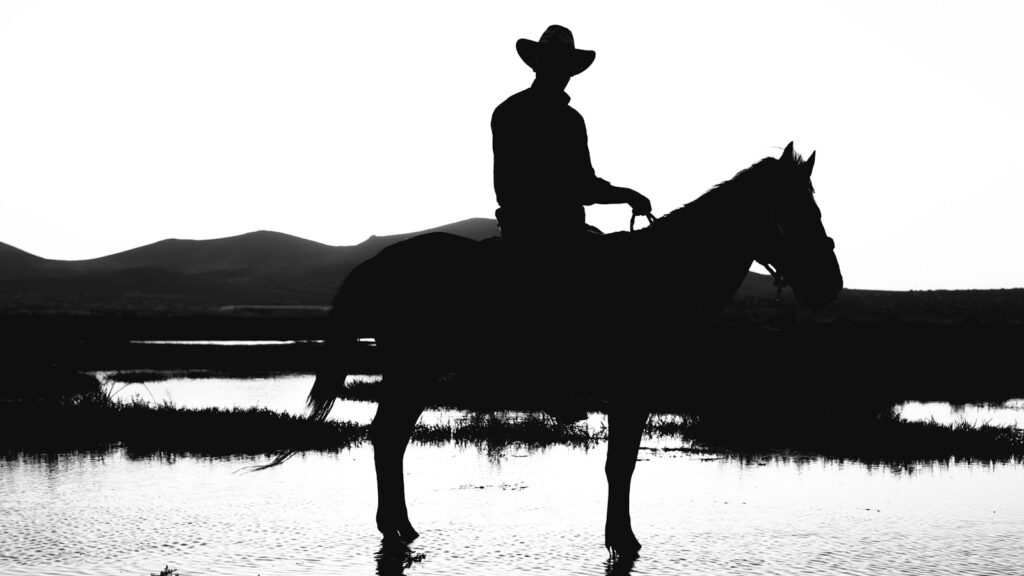
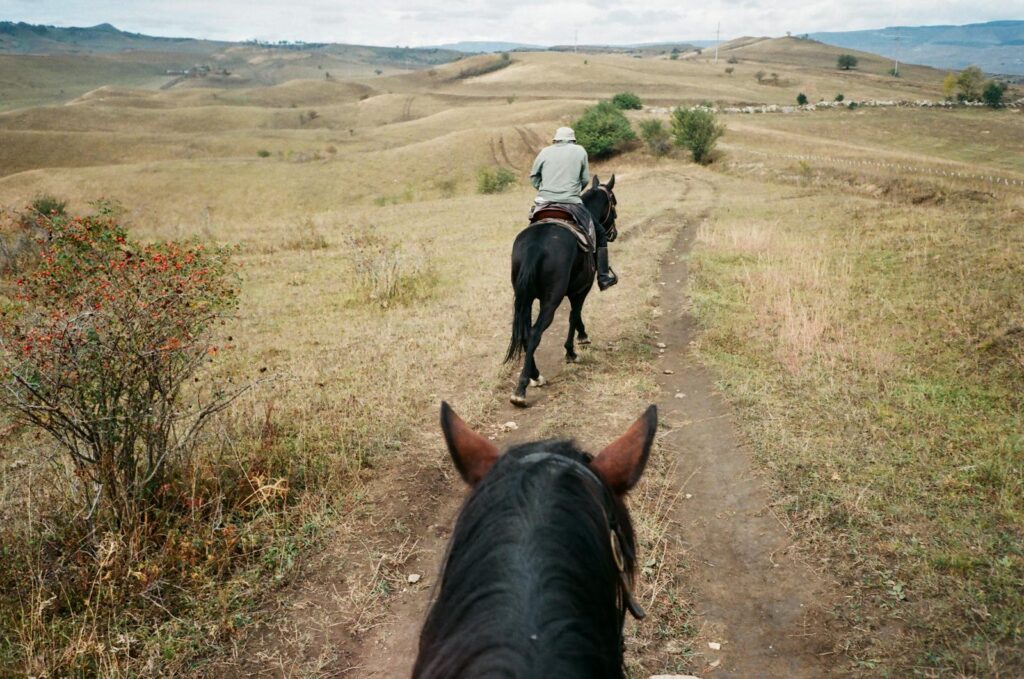
In the rugged mountains of Montana, a black Appaloosa gelding named Shadow has become something of a local legend among trail riders and wilderness guides. Owned by experienced backcountry guide Sarah Matthews, Shadow has repeatedly demonstrated navigational abilities that go far beyond typical equine behavior. Over his fifteen-year career, Shadow has led lost riders back to camp during whiteout snowstorms, navigated through dense fog when visibility was reduced to mere feet, and consistently chosen correct paths at unmarked trail junctions. His most remarkable feat occurred in 2018 when he led a group of stranded riders over 18 miles back to safety after a flash flood washed out their planned route, requiring him to create an entirely new path through unfamiliar territory as darkness fell. What makes Shadow’s abilities particularly noteworthy is the consistency with which he demonstrates them, regardless of weather conditions or unfamiliar terrain.
The Science Behind Equine Navigation
Horses possess several biological mechanisms that contribute to their navigational abilities, making them naturally adept at finding their way. Their excellent spatial memory allows them to remember routes they’ve traveled before, often in remarkable detail and over long periods. Horses also have nearly 360-degree vision that helps them maintain awareness of their surroundings and recognize landmarks, while their highly sensitive hearing can pick up familiar sounds from significant distances. Research suggests that like many other animals, horses may be sensitive to Earth’s magnetic field, potentially using it as a biological compass to maintain direction. Studies conducted at the University of Exeter demonstrated that under controlled conditions, horses showed a statistically significant tendency to orient themselves along north-south magnetic lines when placed in unfamiliar environments, suggesting they may indeed have some form of magnetoreception that aids in navigation.
The Role of Experience in Developing Trail Sense
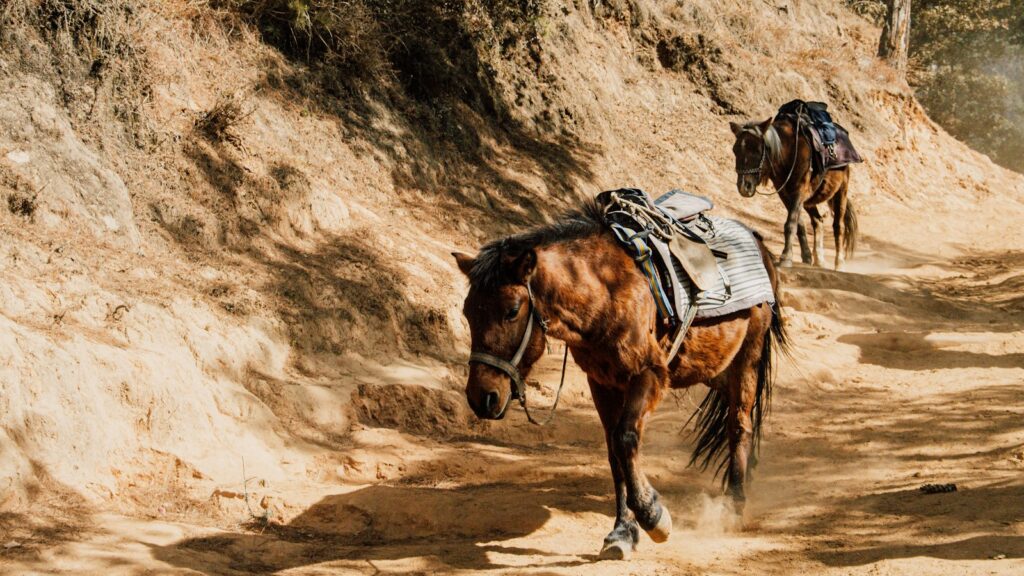
Exceptional navigation horses aren’t simply born with their abilities fully formed—experience plays a crucial role in developing these skills to their highest potential. Horses that spend years navigating varied terrain develop a more sophisticated understanding of how to interpret landscape features and remember complex routes. Shadow began his training as a trail horse at just three years old, accumulating over 15,000 miles of trail experience across varied terrains and weather conditions. Sarah Matthews employed a specific training approach, gradually giving Shadow more autonomy on familiar trails, then purposely “getting lost” and allowing him to find the way back, reinforcing his successful navigational choices. Over time, this created a horse with extraordinary confidence in his navigational decisions and the ability to solve complex routing problems even in unfamiliar territory. Researchers believe this combination of natural ability with extensive, purposeful experience creates the rare horses capable of extraordinary navigational feats.
Historical Precedents for Remarkable Navigation Horses
Shadow is not without historical predecessors, as exceptional navigation horses have been documented throughout history. Perhaps the most famous was Comanche, the mount of Captain Myles Keogh and the only U.S. military survivor of the Battle of Little Bighorn in 1876, who was known for his ability to find water in arid conditions and navigate back to base across featureless plains. During World War I, cavalry horses repeatedly demonstrated the ability to return wounded riders to field hospitals across unfamiliar and heavily shelled landscapes, saving countless lives. Native American tribes of the Great Plains particularly valued horses with strong “home sense,” with the Nez Perce breeding specifically for horses that could navigate the challenging mountain trails of the Northwest. These historical accounts suggest that while rare, horses with extraordinary navigational abilities have appeared throughout history, particularly in cultures and contexts where such skills were highly valued and cultivated.
Beyond Instinct: Problem-Solving Abilities
What truly separates exceptional navigation horses from merely good ones is their ability to problem-solve when faced with obstacles or changed conditions. Shadow has repeatedly demonstrated this ability by finding alternative routes when trails were blocked by fallen trees, washouts, or other obstacles. In one documented case, when a bridge collapse prevented crossing a river at the usual point, Shadow led his rider several miles upstream to a previously unknown ford, suggesting not just memory but actual reasoning about landscape features. Particularly impressive is his ability to navigate in low visibility conditions, suggesting he’s integrating multiple sensory inputs rather than relying solely on visual landmarks. Dr. Evelyn Martinez, an equine cognition researcher who has studied Shadow, notes that his problem-solving approach shows evidence of what she calls “terrain logic”—the ability to make predictions about where viable passages might exist based on previous experience with similar landscape features.
The Emergency Response Factor
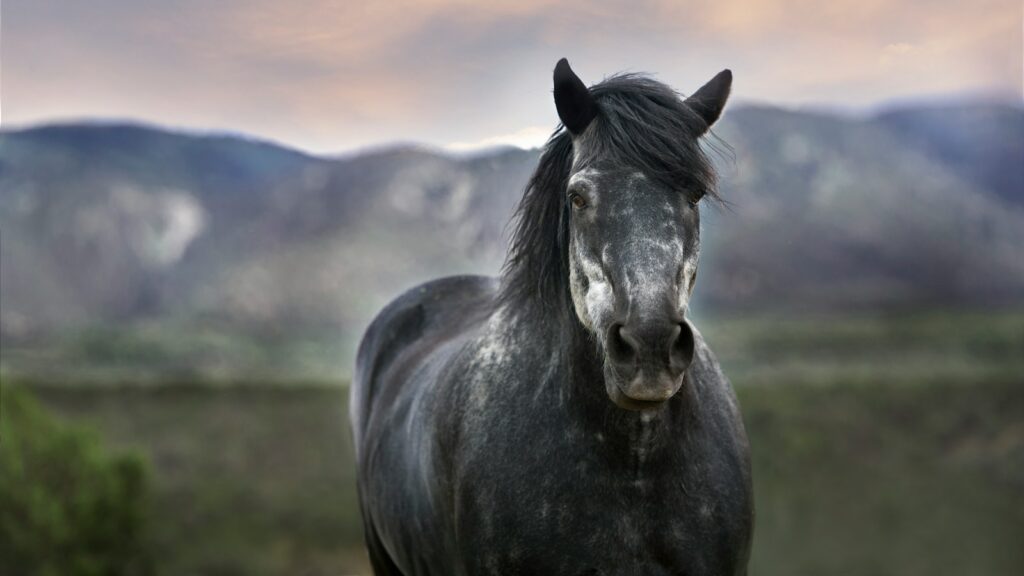
Perhaps the most compelling evidence for Shadow’s extraordinary abilities comes from emergency situations where stress and danger were high. Unlike many horses who become anxious and less reliable under stress, Shadow appears to become more focused and determined when conditions deteriorate. During a 2019 incident, when a rider in his group suffered a medical emergency requiring rapid evacuation, Shadow led the group down a steep mountain face as darkness fell, choosing a route that, when later analyzed with GPS, proved to be the most direct and efficient possible path to the nearest road access. First responders who met the group remarked that Shadow had chosen a route that even experienced human rescuers might not have identified, especially in darkness. This ability to maintain or even enhance navigational performance under emergency conditions is extremely rare in horses and represents a particularly valuable trait for wilderness mounts.
The Bond Between Horse and Handler
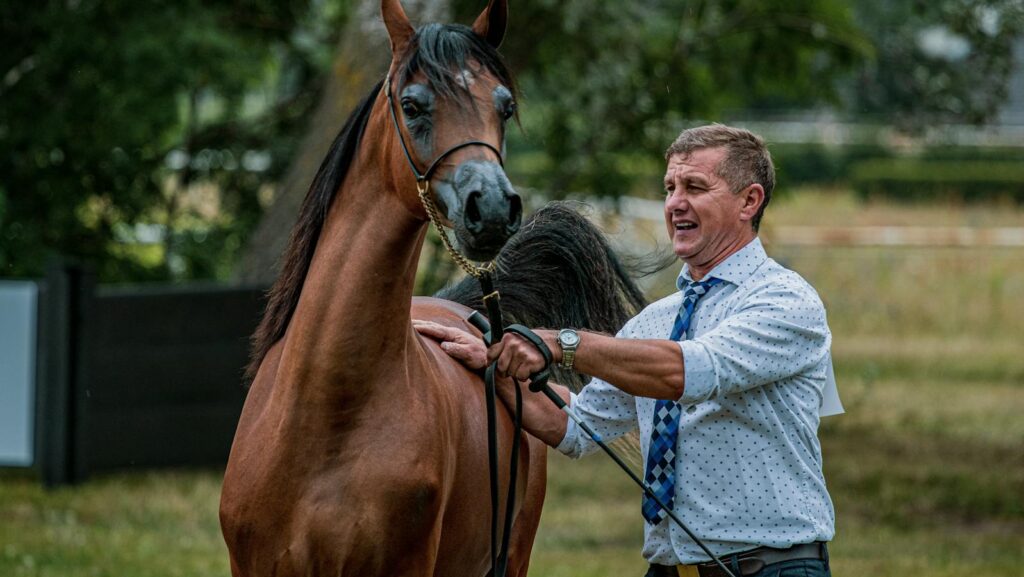
The remarkable partnership between Shadow and his owner Sarah Matthews cannot be overlooked when analyzing his navigational excellence. Matthews, an experienced backcountry guide with over thirty years of wilderness experience, has developed a communication system with Shadow that relies on minimal cues. She describes their relationship as one of mutual trust, where she’s learned when to override Shadow’s choices and when to defer to his judgment. This trust has been built through thousands of miles of trails and numerous situations where Shadow’s decisions proved correct even when they contradicted human intuition. Matthews believes this partnership amplifies Shadow’s natural abilities by giving him the confidence to make independent decisions while still responding to guidance when needed. Equine behaviorists who have observed the pair note that Matthews rarely micromanages Shadow on the trail, allowing him to develop and express his navigational abilities more fully than horses whose riders maintain tighter control.
Comparing Navigation Abilities Across Breeds
While exceptional navigation horses can emerge from any breed, certain lineages do seem to produce more individuals with outstanding trail sense. Appaloosas like Shadow have historically been noted for their sure-footedness and good judgment on mountain trails, reflecting their development by the Nez Perce tribe for life in challenging mountain environments. Arabian horses, bred for desert navigation and long-distance travel, frequently demonstrate excellent directional abilities and water-finding skills. The Spanish Mustang preservation herds often produce horses with strong navigational instincts, likely reflecting their feral heritage where such skills were essential for survival. Research from Colorado State University suggests that while breed predispositions exist, individual variation remains the strongest factor, with exceptional navigators appearing across all breed lines. The study found that even within breeds known for good trail sense, truly exceptional navigators like Shadow represent less than 1% of the population.
The Role of Training Versus Natural Ability
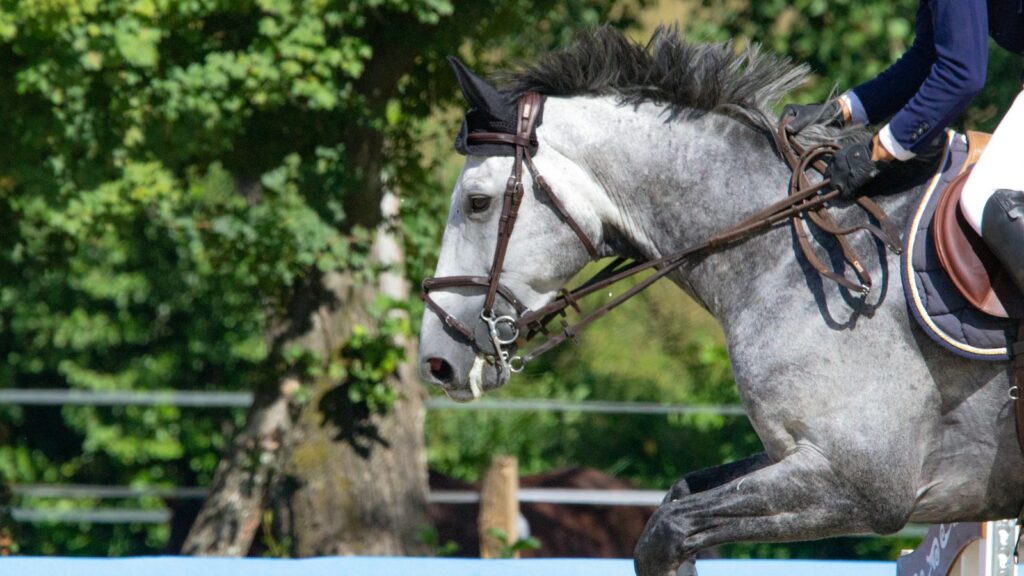
The eternal question with exceptional horses like Shadow is how much of their ability comes from natural talent versus training and experience. Equine cognition experts generally agree that horses with extraordinary navigation skills possess both factors in abundance. Shadow showed early signs of exceptional spatial awareness even as a colt, with an unusual interest in exploring and an apparent memory for places he had visited only once. Matthews recognized these tendencies and developed a training program that specifically nurtured these natural inclinations, gradually giving Shadow more autonomy while ensuring his successes were reinforced. Dr. Robert Whitfield, a veterinary behaviorist who has studied exceptional horses, suggests that the best navigation horses typically show signs of their ability early, but require years of appropriate experience to fully develop their potential. This combination of innate talent with purposeful development creates the rare individuals capable of the remarkable feats that define horses like Shadow.
Putting Navigation Skills to the Test
To objectively evaluate Shadow’s abilities, Matthews collaborated with researchers from Montana State University to design a series of controlled navigation challenges. These tests included navigating unfamiliar wilderness areas with deliberately confusing trail systems, finding routes during artificially restricted visibility using special limited-vision equipment, and locating specific destinations without prior exposure to the terrain. Shadow’s performance was measured against those of ten other horses considered excellent navigators by their owners. The results were remarkable: Shadow consistently outperformed the comparison group in route efficiency, decision-making speed, and success rate across all test conditions. Particularly noteworthy was his performance in the limited visibility tests, where he achieved an 89% success rate compared to an average of 42% for the control group. The researchers concluded that Shadow’s abilities were “statistically extraordinary” and represented performance more than three standard deviations above the mean for even experienced trail horses.
The Search and Rescue Contribution
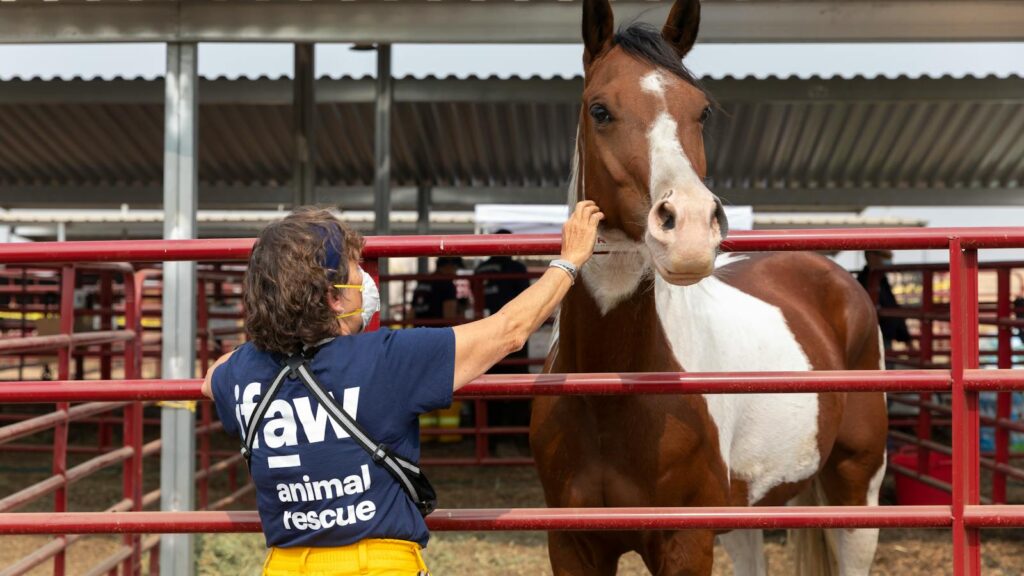
Shadow’s exceptional abilities have found practical application beyond recreational trail riding in his work with wilderness search and rescue operations. Since 2016, he has participated in over forty search and rescue missions in the rugged backcountry of Montana and Wyoming, locating lost hikers and leading rescue teams through difficult terrain. Search and rescue professionals particularly value his ability to identify passable routes through seemingly impassable terrain, often finding paths that don’t appear on topographical maps. On several occasions, Shadow has located lost individuals by apparently detecting and following human scent, combining his navigational abilities with sensory awareness. Terry Johnson, coordinator for the Gallatin County Search and Rescue, notes that Shadow has significantly reduced search times in several operations, stating that “he seems to have an intuitive understanding of where a lost person might have gone, often leading teams directly to areas where conventional search patterns would have taken much longer to check.”
Documenting the Extraordinary
The case for Shadow as potentially the most skilled navigation horse ever documented is strengthened by the extensive and systematic documentation of his abilities. Unlike historical accounts that often rely on anecdote and potential exaggeration, Shadow’s feats have been recorded using modern technology including GPS tracking, video documentation, and controlled testing protocols. Over eight years, Matthews has maintained detailed logs of every significant navigation event, creating a database of over 200 documented instances where Shadow demonstrated exceptional ability. These records include detailed information about conditions, terrain, and the specific navigational challenges presented. The Montana Backcountry Horsemen Association has verified many of these accounts through independent witness statements and objective criteria, creating what is likely the most comprehensive record of an individual horse’s navigational accomplishments ever assembled. This rigorous documentation provides a strong foundation for evaluating Shadow’s abilities compared to other exceptional horses.
Could Shadow Truly Be the Most Skilled Navigation Horse Ever?

While definitively crowning any animal as “the most skilled ever” presents obvious challenges, the case for Shadow stands on remarkably solid ground. His combination of documented achievements, performance under controlled testing, and consistency across varied conditions places him in extraordinarily rare company. The systematic documentation of his abilities provides an objective basis for comparison that was unavailable for historical examples of exceptional navigation horses. Equine behavior experts who have reviewed Shadow’s case typically agree that he represents an extreme outlier in equine navigational ability. Dr. Caroline Hereford of the Equine Cognition Research Center notes that Shadow’s combination of spatial memory, problem-solving ability, and performance under stress represents “potentially the highest level of navigational competence we’ve been able to document in equines.” While other exceptional horses may have existed throughout history without such documentation, among scientifically documented cases, Shadow’s abilities appear to represent the current known pinnacle of equine navigational skill.
conclusion
The story of Shadow reminds us that despite centuries of partnership with horses, we are still discovering the depths of their cognitive abilities and the remarkable talents that can emerge in exceptional individuals. Whether or not he is definitively “the most skilled ever,” Shadow’s documented achievements have expanded our understanding of what is possible in equine navigation and problem-solving. His abilities highlight the remarkable cognitive capacities that can develop in horses given the right combination of natural ability, training, experience, and partnership with humans who recognize and nurture their unique talents. For riders who have experienced being safely guided home by a horse when human navigation failed, Shadow’s story will resonate as an exceptional example of an ability that has been valued by horsemen throughout history—the mysterious and remarkable ability of certain horses to always find the way.