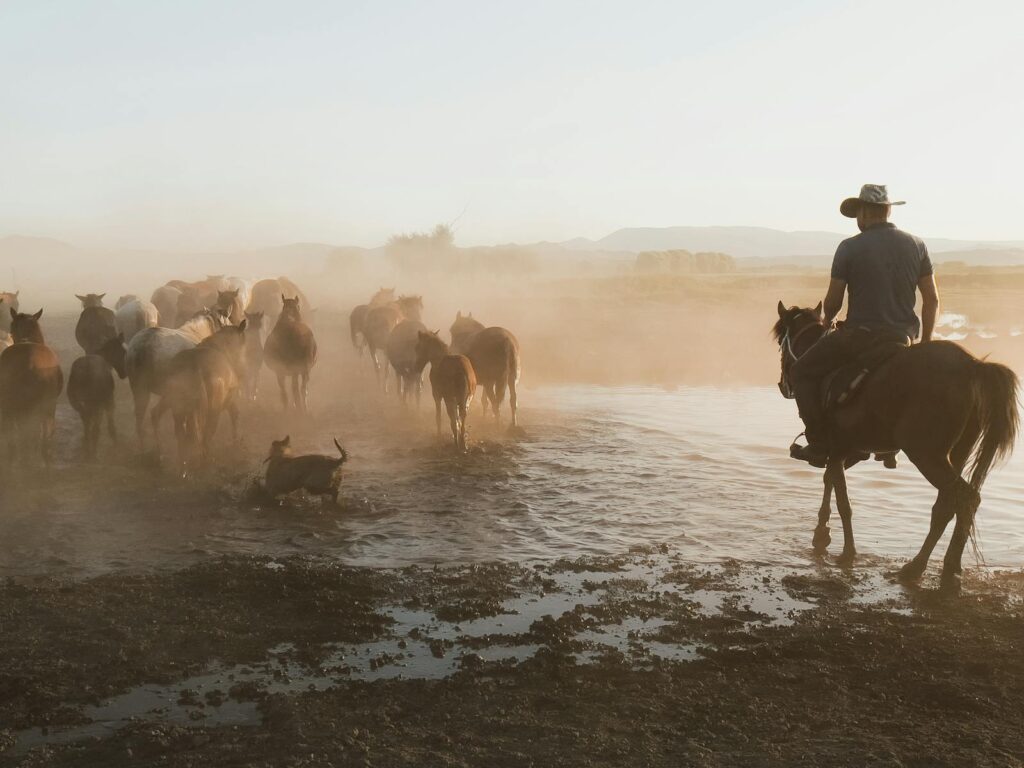
In the world of cattle management, establishing efficient and effective feeding routines is paramount to maintaining healthy herds and maximizing productivity. Cattle drives, once primarily associated with moving livestock across vast distances to market, have evolved into sophisticated feeding systems designed to optimize nutrition, minimize waste, and promote animal welfare. Today’s top cattle drive feeding systems blend traditional knowledge with cutting-edge technology, creating solutions that address the complex challenges of modern ranching. This article explores ten innovative cattle drive systems that have revolutionized feeding routines across ranches worldwide, offering insights for both seasoned ranchers and those new to cattle management.
Historical Evolution of Cattle Drives for Feeding
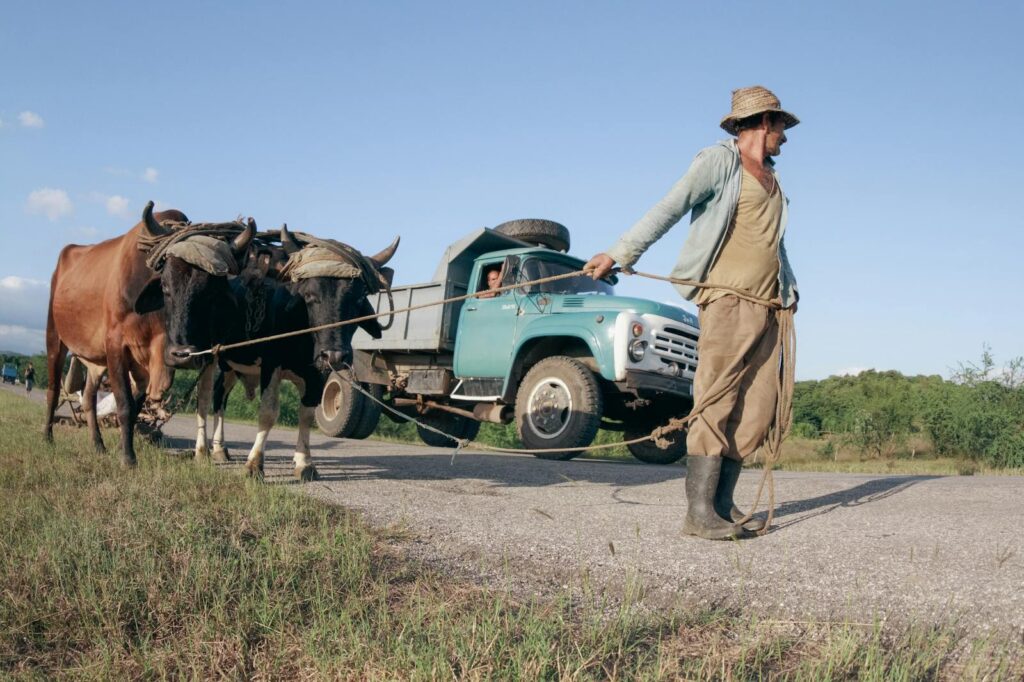
The concept of cattle drives has transformed dramatically from the iconic post-Civil War era when cowboys drove cattle across the American frontier to today’s sophisticated feeding management systems. Traditional cattle drives, while romanticized in Western films, were primarily transportation methods rather than feeding systems, with cattle grazing along routes during the journey. As ranching evolved through the 20th century, the focus shifted from merely moving cattle to strategically guiding them to optimal grazing locations on a daily basis. This transition marked the beginning of what we now recognize as feeding drives, where cattle movement is specifically orchestrated to maximize nutritional intake and land management. Today’s advanced feeding drives represent a culmination of generations of ranching knowledge combined with scientific understanding of bovine nutrition and behavior.
The Rotational Grazing Drive System
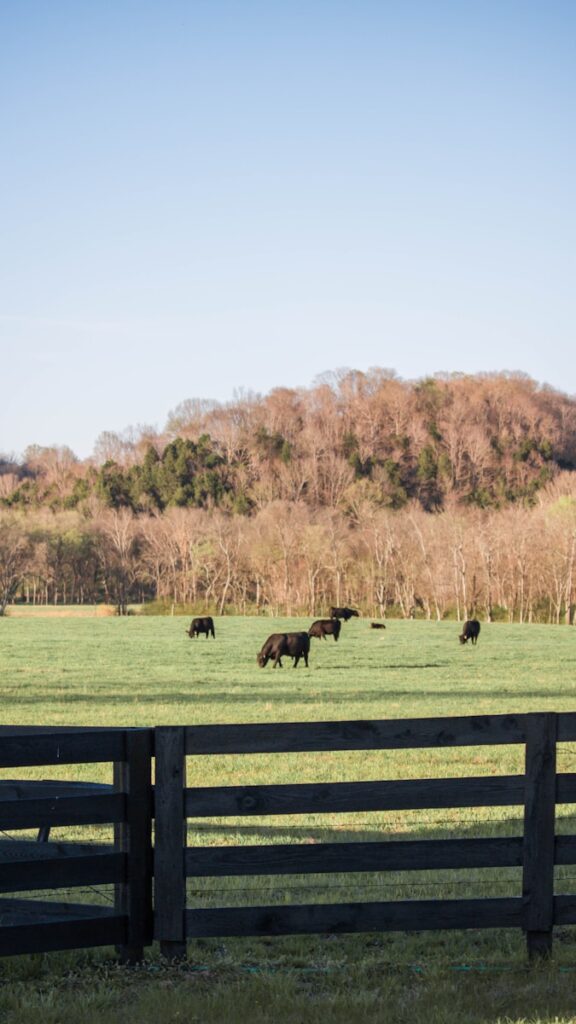
At the forefront of modern cattle feeding methods, the Rotational Grazing Drive stands as perhaps the most widely adopted and scientifically validated approach. This system divides pastureland into multiple paddocks, with cattle methodically moved between these areas on a carefully calculated schedule based on forage growth and recovery rates. The brilliance of this approach lies in its mimicry of natural grazing patterns, where herds would naturally move to fresh feeding grounds once an area was sufficiently grazed. Research from the University of Nebraska has demonstrated that properly executed rotational grazing can increase carrying capacity by up to 30% while simultaneously improving soil health and carbon sequestration. By preventing overgrazing of any single area, the Rotational Grazing Drive creates a sustainable cycle that benefits both the cattle and the ecosystem upon which they depend.
The Strip Grazing Drive Method
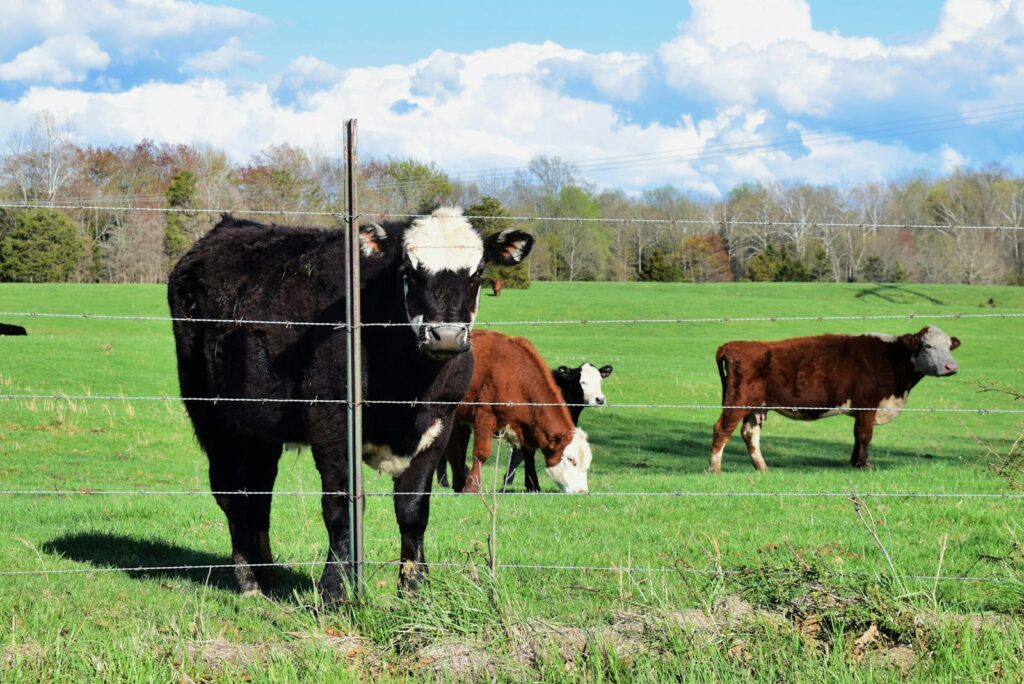
Strip Grazing represents a more intensive adaptation of rotational grazing, where cattle are moved across a pasture in narrow strips, typically controlled by temporary electric fencing that’s adjusted daily or even twice daily. This precisely controlled movement ensures cattle consume virtually all available forage in a strip before moving to fresh ground, maximizing feed efficiency while minimizing selective grazing behaviors. According to studies from the University of Missouri Extension, the Strip Grazing Drive Method can reduce forage waste by up to 40% compared to continuous grazing systems. The method proves particularly valuable during winter months when stockpiled forage must be carefully rationed, or when managing high-value crops like alfalfa that benefit from methodical consumption. While requiring more active management than some alternatives, the exceptional feed conversion efficiency makes this system increasingly popular among progressive ranchers focused on optimizing every acre of land.
The Mobile Bale Grazing Drive
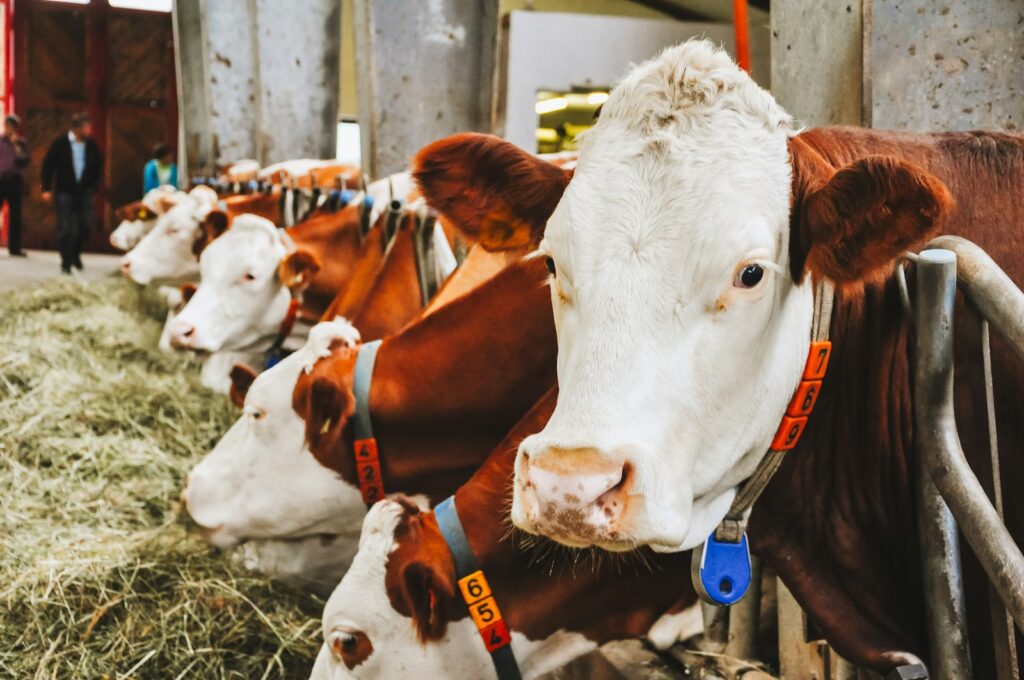
The Mobile Bale Grazing Drive has revolutionized winter feeding operations by combining strategic hay placement with controlled access, dramatically reducing labor while improving pasture fertility. Instead of bringing cattle to centralized feeding areas, this system involves strategically distributing hay bales throughout a pasture before winter, then using temporary fencing to grant cattle access to just enough bales for a set period, typically 2-3 days. As the cattle consume each section of bales, the fencing is adjusted to open access to the next group, creating a methodical movement across the landscape. The genius of this system lies in its even distribution of manure and urine across fields that would otherwise receive little winter fertilization. Research from the Noble Research Institute indicates that over several years, this practice can significantly increase soil organic matter and reduce the need for commercial fertilizer by up to 30% in subsequent growing seasons.
The Climate-Adaptive Drift Driv

The Climate-Adaptive Drift Drive represents a sophisticated response to variable weather conditions, deliberately using natural cattle movement tendencies to protect both animals and landscapes. This system operates on the principle that cattle naturally drift with prevailing winds during severe weather events, and instead of fighting this behavior, ranchers strategically position water sources, mineral stations, and windbreaks to guide this natural movement in beneficial directions. During harsh winter storms, cattle are allowed to drift to sheltered areas with pre-positioned supplemental feed, while during summer heat waves, they’re guided toward shaded riparian zones with rotational access to prevent environmental damage. Research from Colorado State University has shown that operations implementing adaptive drift systems experienced 17% lower cold-stress mortality during extreme winter events compared to conventional feeding systems. By working with rather than against natural behaviors, this system reduces stress on animals while protecting sensitive ecological zones from concentrated impact.
The Precision Supplementation Drive
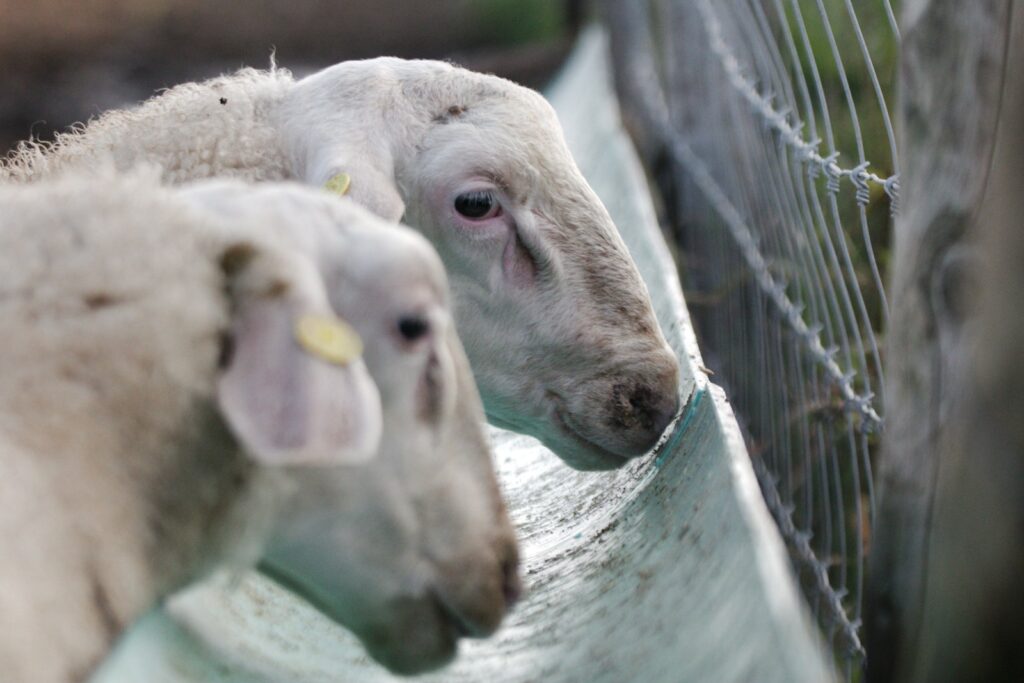
The Precision Supplementation Drive integrates cutting-edge technology with strategic herd movement to deliver targeted nutritional supplements based on precise deficiencies in available forage. This innovative approach utilizes mobile mineral stations equipped with RFID technology that can identify individual animals and dispense customized supplement formulations based on their specific needs, stage of production, or genetic profile. The supplementation points are strategically relocated across the landscape, encouraging cattle to move in patterns that optimize grazing distribution while ensuring balanced nutrition. Studies from Texas A&M have demonstrated that precision-targeted supplementation can reduce overall supplement costs by up to 25% while improving reproductive performance by targeting limiting nutrients at critical physiological stages. By combining the movement aspects of traditional drives with digital precision, this system represents the cutting edge of nutritional management in extensive grazing operations.
The Water-Centric Drive System
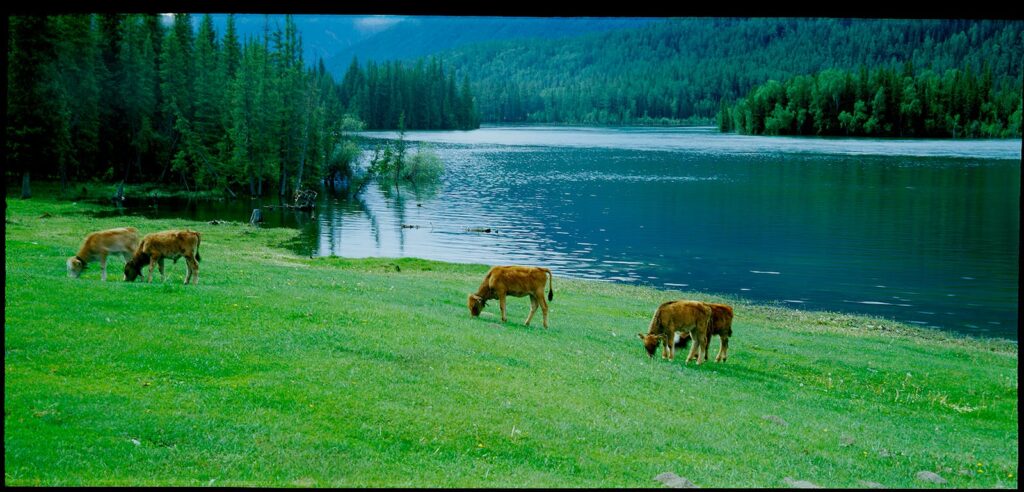
The Water-Centric Drive System harnesses cattle’s fundamental need for water as the primary tool for controlling grazing patterns, creating effective movement without extensive fencing or daily herding. In this innovative approach, multiple water sources across a property are activated and deactivated in a strategic sequence, naturally drawing cattle toward available water and the surrounding grazing areas. Advanced implementations utilize solar-powered remote-controlled water systems that can be operated from a smartphone, allowing managers to make real-time adjustments based on weather conditions or observed grazing patterns. Research from Australia’s CSIRO has documented that properly executed water-centric systems can increase grazing uniformity by up to 60% on extensive rangelands while reducing the labor requirements associated with conventional rotational systems. The method proves particularly valuable in arid or semi-arid environments where water access fundamentally determines animal movement and where traditional fencing approaches may be prohibitively expensive across vast acreages.
The Silvopasture Drive Technique
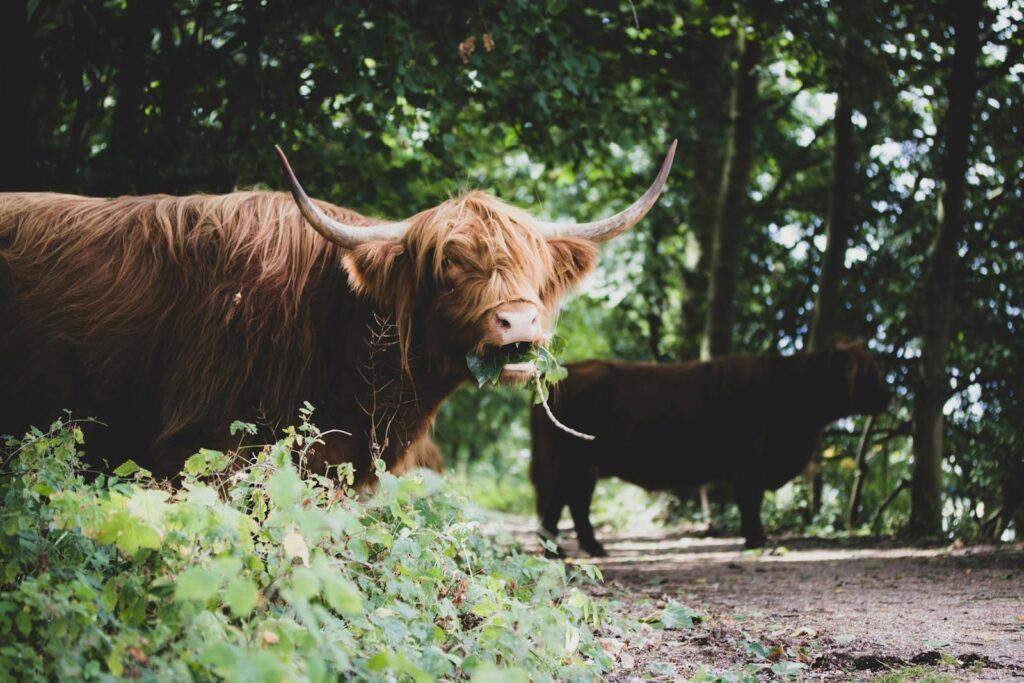
The Silvopasture Drive Technique represents a sophisticated integration of forestry and grazing, guiding cattle through carefully managed woodland areas to create multiple production streams while enhancing animal welfare. This system strategically rotates cattle through forested areas with sufficient understory forage, providing natural shade during summer heat while allowing cattle to browse on lower tree branches, shrubs, and herbs that offer different nutritional profiles than open pasture. The University of Missouri Center for Agroforestry has documented that properly managed silvopasture drives can reduce heat stress on cattle during summer months, with core body temperatures averaging 0.8°F lower than in cattle on open pastures during peak heat. Additionally, the diversified diet available in silvopasture settings has been shown to increase certain beneficial fatty acids in milk and meat products. By carefully timing these woodland rotations and monitoring browse impacts, ranchers create sustainable systems that benefit tree health, cattle nutrition, and overall ecosystem function.
The Intensive Cell Grazing Drive
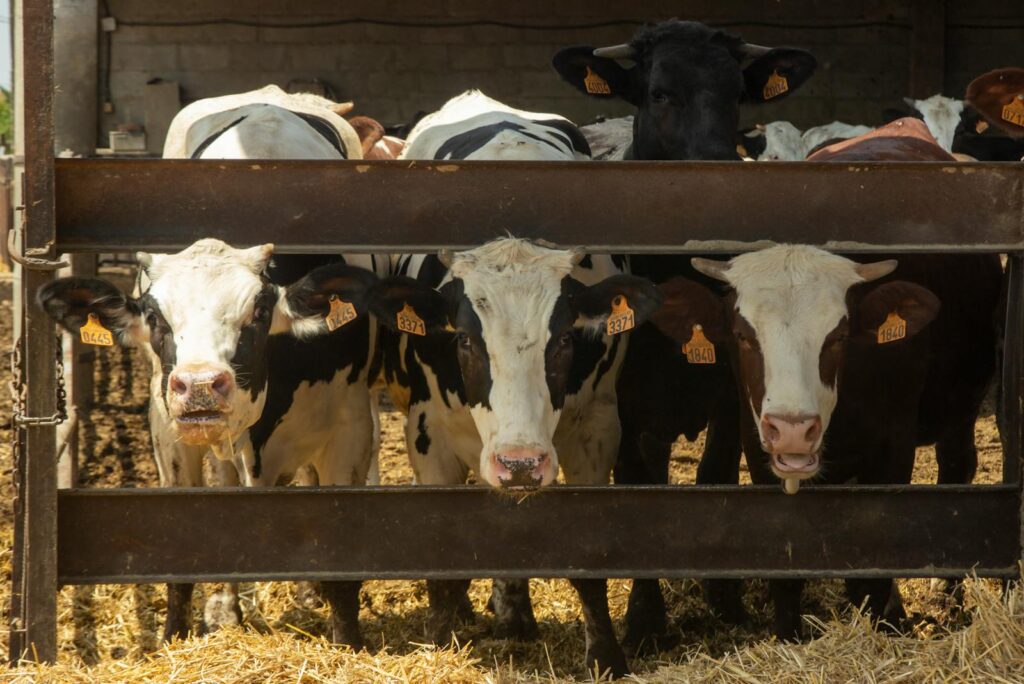
The Intensive Cell Grazing Drive represents perhaps the most dynamic and management-intensive approach to cattle movement, with animals concentrated in extremely small paddocks (often called “cells”) and moved multiple times daily to fresh forage. Pioneered by Allan Savory and refined through decades of practical application, this ultra-high-density, ultra-short-duration grazing mimics the intense but brief impact of wild migratory herds. With stocking densities sometimes exceeding 300,000 pounds of animal per acre (albeit for just hours at a time), the system creates tremendous hoof impact that breaks soil crusts, incorporates plant litter, and stimulates vigorous regrowth. Research from the Savory Institute suggests that properly executed cell grazing can accelerate plant succession toward more productive species while building soil carbon at rates significantly exceeding conventional management. While demanding exceptional attention to timing and observation skills, practitioners report dramatic increases in carrying capacity—sometimes exceeding 200% improvement over continuous grazing on the same land base.
The Strategic Mineral Drive Approach
The Strategic Mineral Drive Approach uses cattle’s strong attraction to mineral supplements as a sophisticated tool for manipulating grazing patterns across landscapes. In this system, portable mineral stations are systematically relocated to underutilized portions of pastures, naturally drawing cattle to these areas and encouraging grazing in locations they might otherwise neglect. Studies from Montana State University have shown that strategic mineral placement can increase utilization of pasture areas more than 1/2 mile from water sources by up to 50% compared to fixed mineral locations. Advanced implementations of this system often incorporate custom mineral formulations tailored to address specific deficiencies in different pasture zones or to counteract anti-quality factors in certain forages. By periodically relocating these mineral attractions in a planned sequence, managers effectively create a mineral-driven movement pattern that improves grazing distribution while simultaneously addressing nutritional needs, combining efficient landscape management with targeted supplementation.
The Virtual Fence Drive System
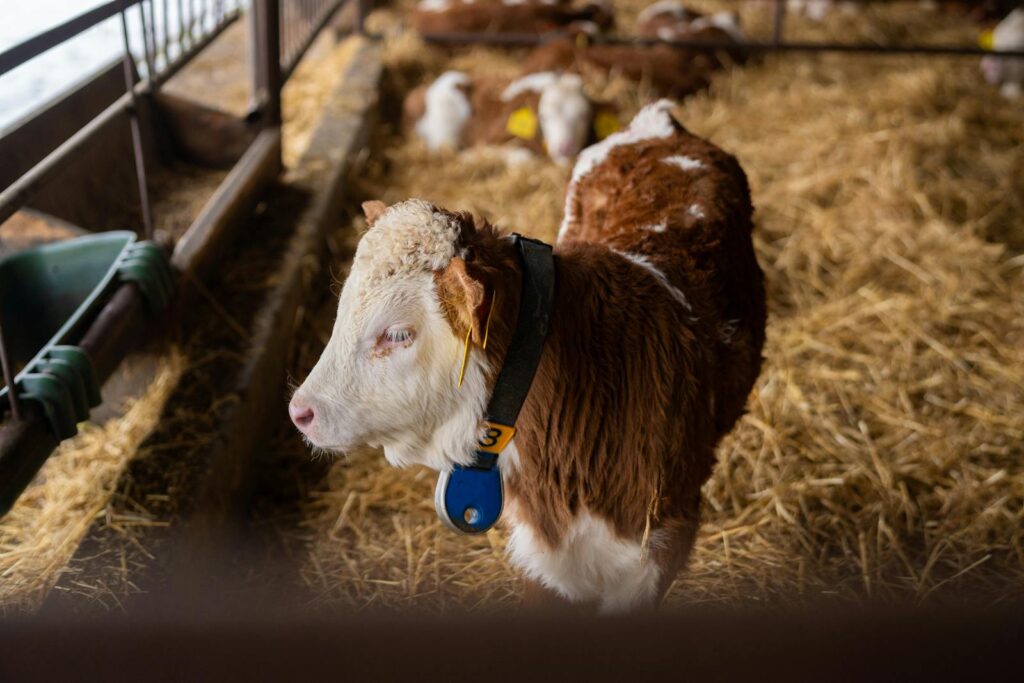
Perhaps representing the technological frontier of cattle movement management, the Virtual Fence Drive System utilizes GPS-enabled collars on cattle that create boundaries and drive patterns without physical fencing. Each animal wears a collar that delivers a mild audio warning followed by a small electrical stimulus if they approach pre-programmed boundary lines established through software rather than physical barriers. Australian research company CSIRO has been at the forefront of developing this technology, demonstrating that cattle quickly learn the audio cues and rarely require the electrical stimulus after an initial learning period. The extraordinary flexibility of this system allows managers to create complex rotational patterns that can be changed daily through simple software adjustments rather than physical fence moving. Early adopters report labor savings of up to 80% compared to conventional rotational systems while achieving comparable or superior grazing distribution. While currently representing a significant initial investment, declining technology costs are making virtual fence drives increasingly accessible to commercial operations.
Implementation Considerations and Best Practices
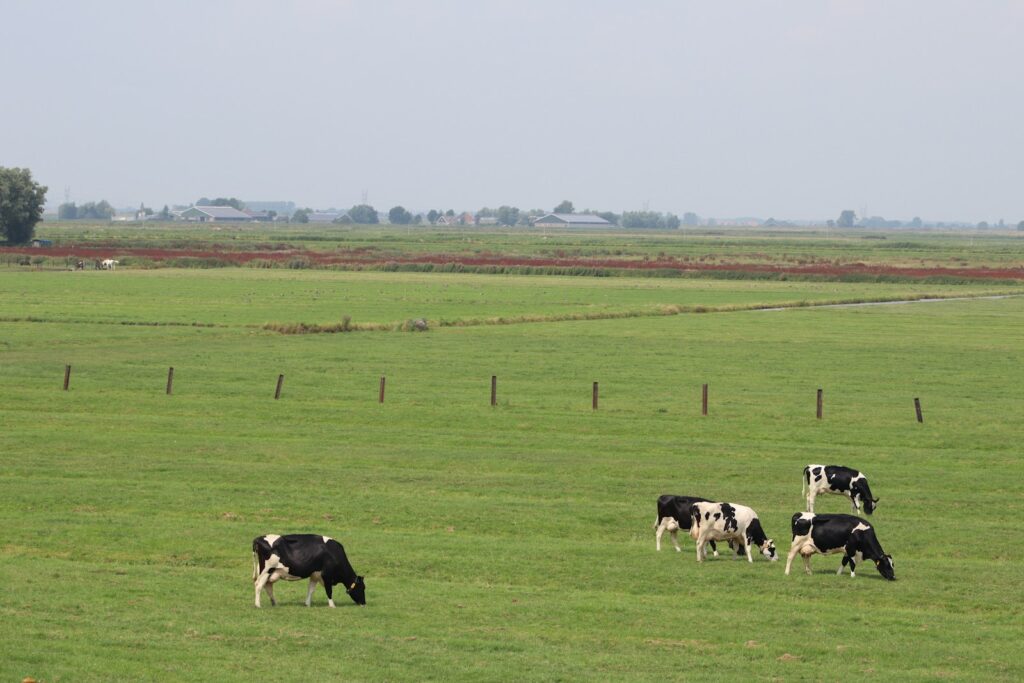
Successfully implementing advanced cattle drive feeding systems requires careful consideration of operation-specific factors including terrain, climate, cattle temperament, and available labor resources. Before adopting any system, ranchers should conduct a thorough assessment of their operation’s unique characteristics, perhaps beginning with a small-scale pilot project before full implementation. Documentation and monitoring prove essential, with regular measurement of key performance indicators such as average daily gain, body condition scores, forage utilization rates, and labor hours per animal unit. Most successful operations find that combining elements from multiple systems rather than rigidly applying a single approach yields the best results. For example, rotational grazing principles might be combined with strategic mineral placement and water management to create a custom system perfectly adapted to a specific landscape. Regardless of the chosen system, flexibility remains essential, as weather events, market conditions, and forage availability will necessitate adaptive management rather than fixed protocols.
Economic and Environmental Benefits of Advanced Feeding Drives

The economic advantages of implementing sophisticated cattle drive feeding systems extend far beyond simple feed efficiency improvements, creating cascading benefits throughout the entire operation. Research compiled by the Noble Research Institute indicates that operations transitioning from continuous grazing to managed movement systems typically see carrying capacity increases of 25-35% within three years, effectively acquiring additional ranch land without purchasing a single acre. Equally significant are the documented reductions in supplemental feed costs, with studies from South Dakota State University showing winter hay requirements decreasing by up to 40% in operations using strategic bale grazing systems. From an environmental perspective, these managed movement approaches consistently demonstrate improvements in water infiltration rates, soil organic matter, and plant diversity. Carbon sequestration benefits are increasingly recognized as well, with some advanced grazing systems documenting soil carbon increases exceeding one ton per acre annually, positioning ranchers to potentially benefit from emerging carbon market opportunities while simultaneously building land productivity.
conclusion
The evolution of cattle drive feeding systems represents a remarkable convergence of traditional ranching wisdom with modern technology and ecological understanding. These ten approaches, from time-tested rotational grazing to cutting-edge virtual fence systems, offer ranchers unprecedented tools for optimizing animal nutrition, improving land health, and enhancing operational profitability. The most successful cattle operations increasingly recognize that effective feeding isn’t simply about providing nutrients, but about strategically orchestrating movement patterns that benefit both the animals and the landscapes they inhabit. As climate challenges and economic pressures on ranching continue to intensify, these sophisticated driving systems provide pathways to resilience through adaptive management. By thoughtfully selecting and customizing these approaches to fit specific operational contexts, today’s forward-thinking ranchers are revolutionizing cattle feeding while simultaneously regenerating the land upon which their livelihoods depend.