

Groundwork in equine training represents the essential foundation upon which all other skills and abilities are built. Much like a house requires a solid foundation to withstand the test of time, horses need proper groundwork to develop into well-mannered, responsive, and safe companions. Unfortunately, many horse owners and trainers rush through or completely skip this critical phase, eager to progress to riding or more advanced training. This oversight can lead to serious behavioral issues, safety concerns, and limitations in the horse’s development that may persist throughout their lives. Understanding why groundwork matters and implementing it consistently creates confident, well-adjusted horses and fosters deeper human-equine relationships built on mutual trust and respect.
Understanding What Groundwork Actually Means
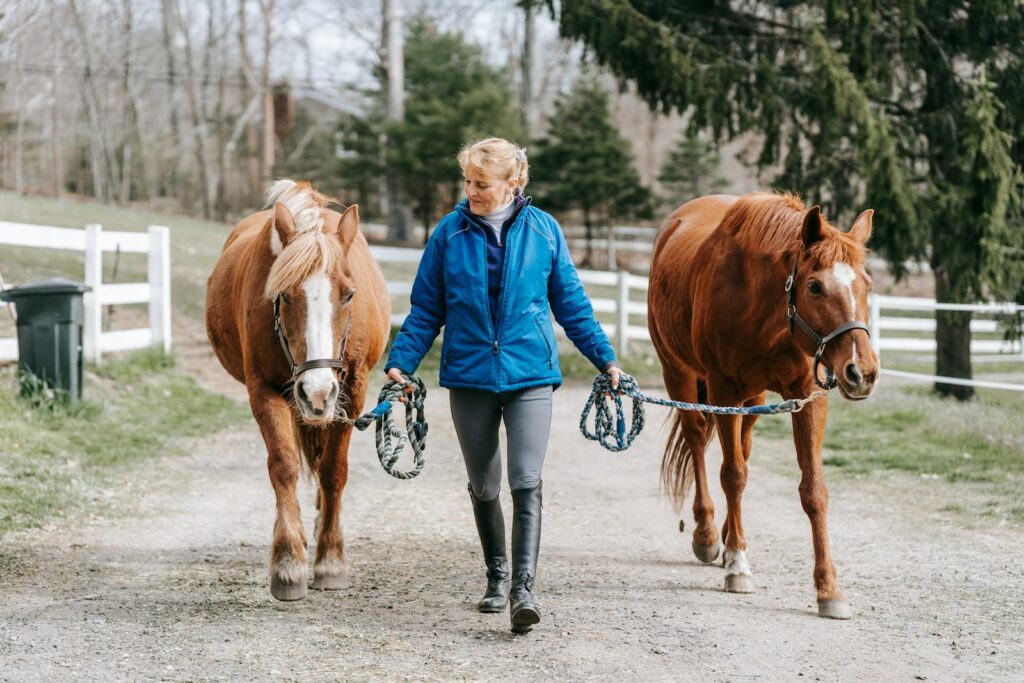
Groundwork encompasses all training and handling done with the horse while the handler remains on the ground, rather than in the saddle. This includes fundamental exercises like leading, yielding to pressure, backing up, moving the hindquarters and shoulders, and responding to verbal and physical cues. More advanced groundwork might involve lunging, long-lining, liberty work, and obstacle navigation, each designed to develop specific aspects of the horse’s physical and mental capabilities. At its core, groundwork is about establishing clear communication, building trust, and teaching the horse to respect the handler’s space and direction. Far from being merely preliminary steps before riding, these exercises form the language through which humans and horses can effectively communicate throughout their partnership.
Establishing Essential Safety Foundations
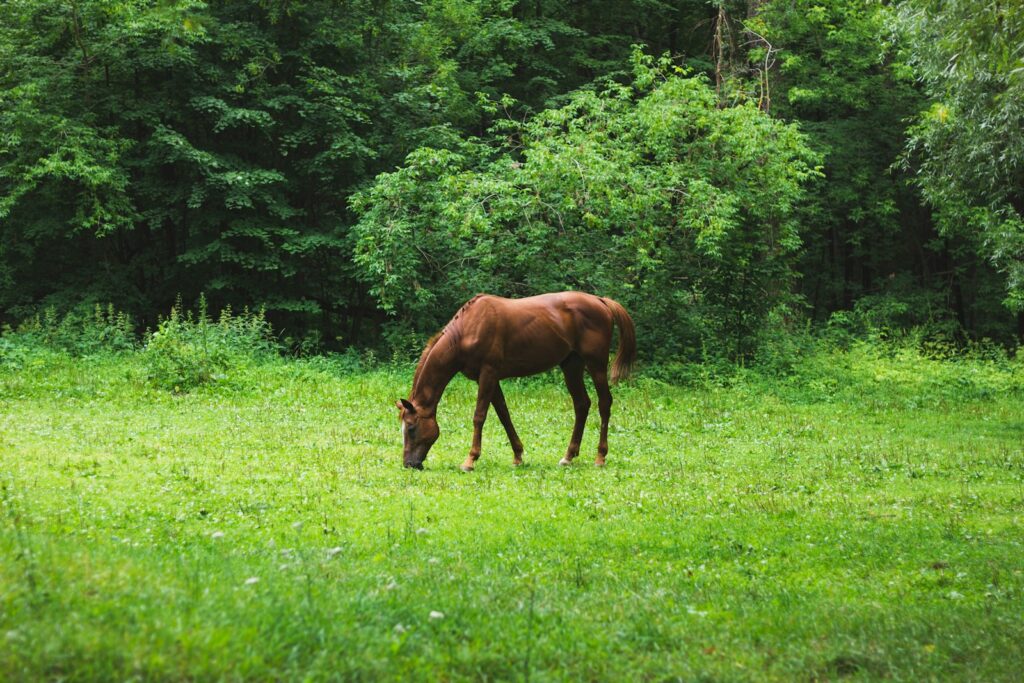
Safety concerns represent one of the most compelling reasons to prioritize groundwork in horse training. A 1,000+ pound animal that hasn’t learned appropriate boundaries, spatial awareness, or proper responses to pressure poses significant risks to handlers, riders, and even themselves. Through consistent groundwork, horses learn crucial safety behaviors like standing quietly during grooming, respecting personal space, leading politely without rushing ahead or lagging behind, and responding promptly to halt cues. These seemingly basic skills prevent numerous accidents that commonly occur during routine handling. Statistical evidence supports this assertion, with studies showing that horses who receive thorough groundwork training are involved in significantly fewer handling-related accidents than those without this foundation.
Building the Foundation for Riding Success
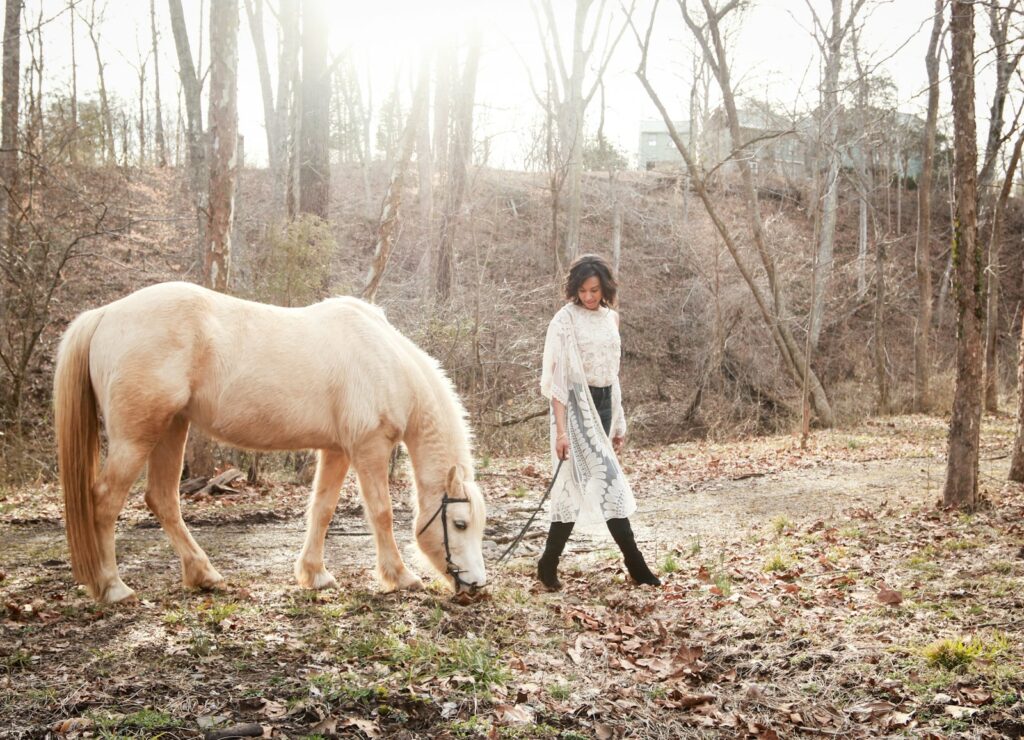
Every command, response, and movement that functions successfully under saddle begins with lessons learned during groundwork. The principles of yielding to pressure, maintaining forward momentum, bending, and following directional cues transfer directly from ground to saddle. When a horse understands how to yield their hindquarters on the ground, the same concept applies when asking for this movement while mounted. Without these fundamental principles established through groundwork, riders often struggle with horses that don’t understand basic cues, leading to frustration for both parties. Additionally, groundwork develops the horse’s balance, coordination, and body awareness, physical attributes essential for carrying a rider successfully. Many riding problems that seem mysterious actually stem from gaps in groundwork education rather than riding technique issues.
Developing Trust and Partnership
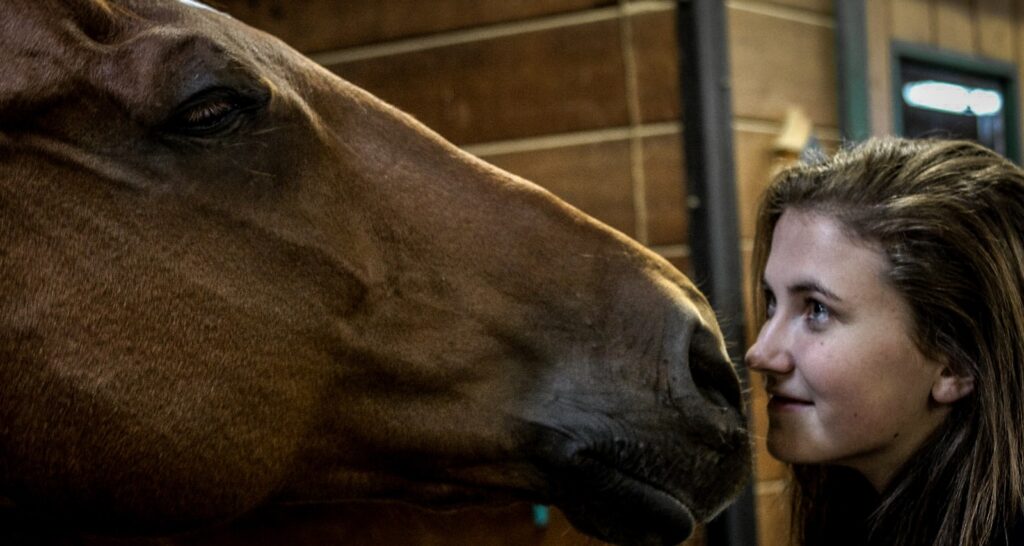
Perhaps the most valuable benefit of thorough groundwork is the profound trust it builds between horse and human. Horses are naturally inclined to seek clear leadership and consistent boundaries, qualities that well-executed groundwork provides. Through patient, progressive exercises, the horse learns that the handler is both trustworthy and deserving of respect. This trust manifests as a horse that remains calm in stressful situations, confident when facing new challenges, and willing to follow the handler’s guidance even in uncertain circumstances. Many experienced horse trainers observe that the quality of relationship developed during groundwork directly predicts future riding success. Unlike forced compliance achieved through dominance-based methods, trust-based groundwork creates a genuine partnership where the horse chooses to cooperate rather than simply submitting to pressure.
Identifying and Resolving BEHAVIOURAL Issues
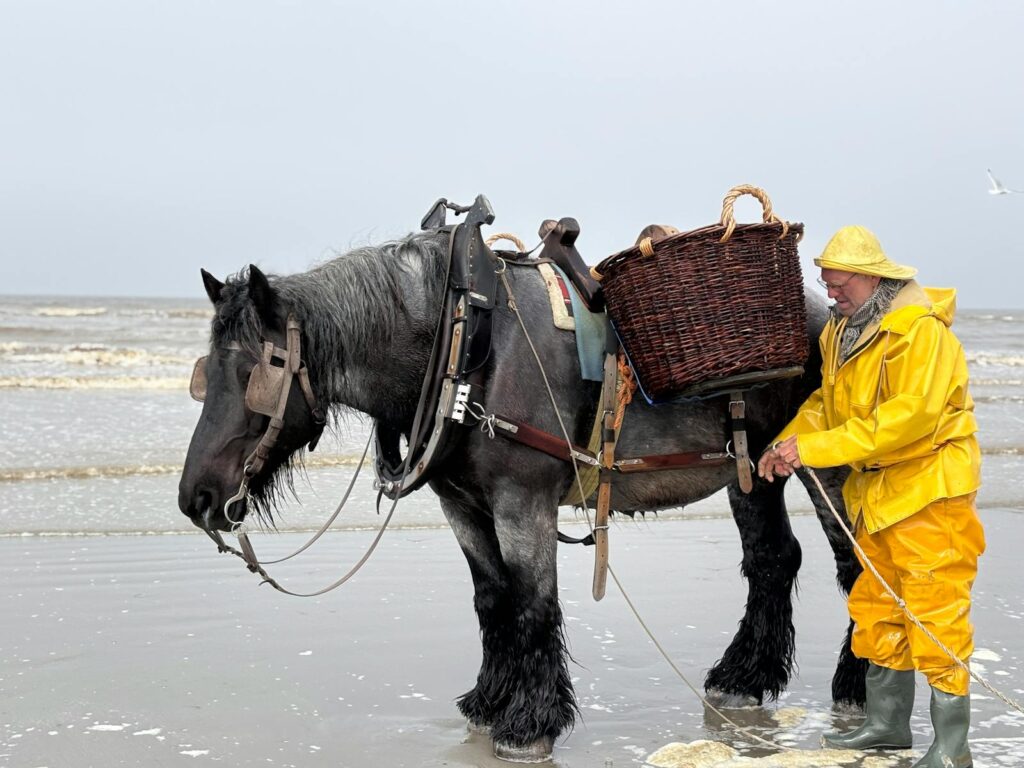
Groundwork serves as an invaluable diagnostic tool for identifying and addressing behavioral problems before they escalate or become dangerous under saddle. Issues like pushy behavior, reluctance to move forward, difficulty with specific movements, or anxiety around certain stimuli become readily apparent during groundwork sessions. Working through these challenges on the ground, where both handler and horse have more options for clear communication, provides a safer environment than attempting to resolve them while mounted. Sequential groundwork exercises can systematically address specific behavioral concerns through carefully designed pressure-and-release techniques. For horses with established behavioral problems, returning to groundwork fundamentals often resolves issues that more advanced training methods have failed to fix, essentially “reprogramming” unhelpful responses that have developed over time.
Physical Development and Body Awareness
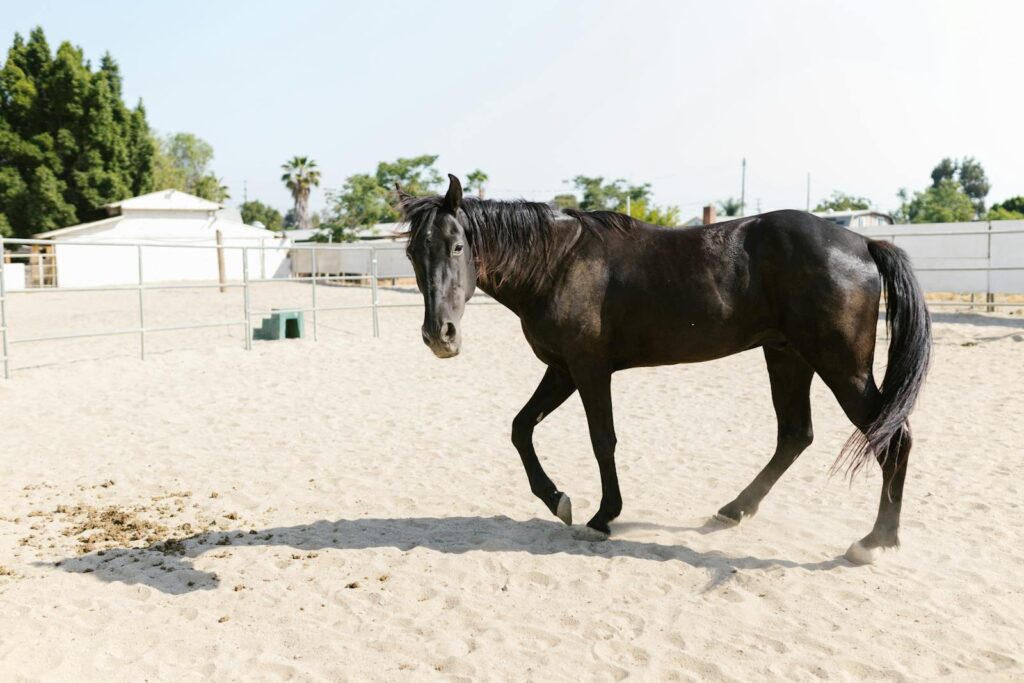
Consistent groundwork contributes significantly to a horse’s physical conditioning, helping develop the muscular strength, flexibility, and coordination needed for athletic performance. Exercises like lunging with proper form strengthen the horse’s core muscles, improve balance, and develop the topline necessary for comfortably carrying a rider. More sophisticated groundwork patterns, including serpentines, spirals, and lateral movements, develop the horse’s proprioception—their awareness of where their body is in space. This improved body awareness translates to greater agility, more precise movements, and reduced risk of injury during work. For young horses especially, groundwork provides essential physical conditioning before the added weight of a rider potentially stresses developing joints and muscles. Even older horses benefit tremendously from groundwork’s physical conditioning aspects, often showing improved movement and reduced discomfort after regular sessions.
Mental Stimulation and Emotional Regulation

Horses are intelligent creatures that thrive on mental stimulation, which thoughtful groundwork provides in abundance. Well-designed groundwork challenges the horse’s mind, teaching them to think through problems, manage their emotions, and develop focus even in stimulating environments. These exercises help horses learn to regulate their emotional responses, transitioning from reactivity to thoughtful responsiveness. The ability to remain attentive and calm when faced with new or frightening stimuli—known as emotional resilience—develops primarily through progressive groundwork challenges handled with consistency and patience. Many horse behavior specialists note that these mental aspects of groundwork prove just as valuable as the physical training elements, particularly for high-energy or naturally anxious horses. Regular groundwork sessions that incorporate variety, progressive challenges, and clear boundaries prevent boredom while building confidence and emotional stability.
Creating Effective Communication Systems
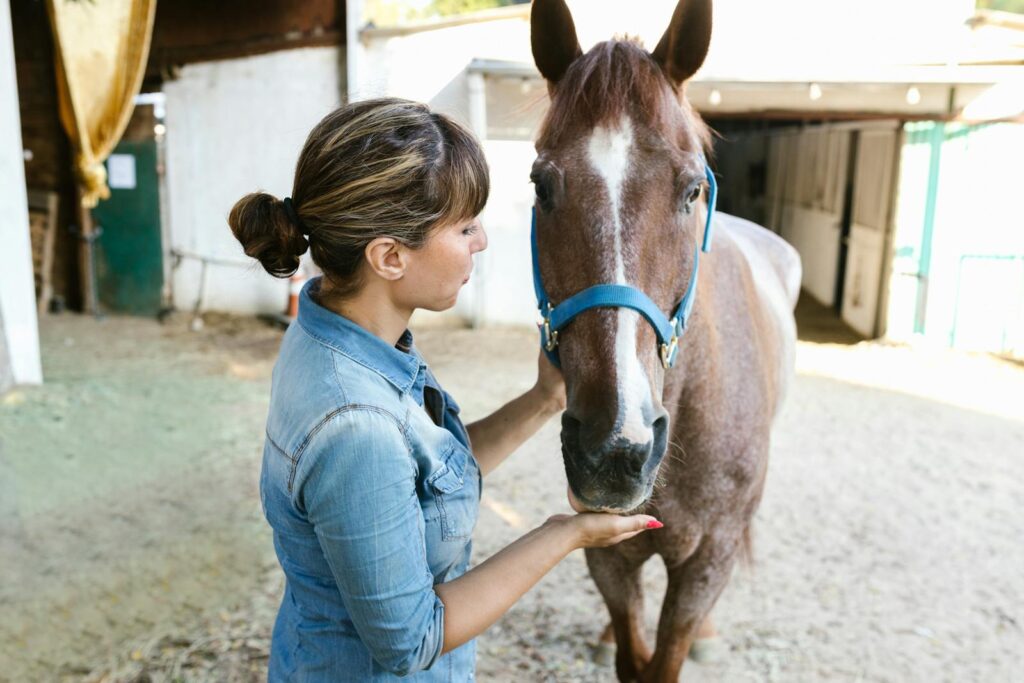
One of groundwork’s primary functions is establishing clear, consistent communication between human and horse. Through methodical exercises, horses learn to recognize subtle cues—changes in body position, voice commands, or gentle pressure—and understand what response is expected. This nuanced communication system creates the foundation for all future interactions, replacing confusion with clarity. Well-trained horses develop the ability to distinguish between dozens of different cues, each with specific meaning, creating an extensive “vocabulary” shared between horse and handler. This sophisticated communication extends beyond just compliance with commands, allowing horses to express their own needs, concerns, and physical limitations in ways attentive handlers can interpret. The time invested in developing this communication system during groundwork pays dividends throughout the horse’s life, making training more efficient and interactions more rewarding for both parties.
Addressing Training Gaps in Previously Trained Horses
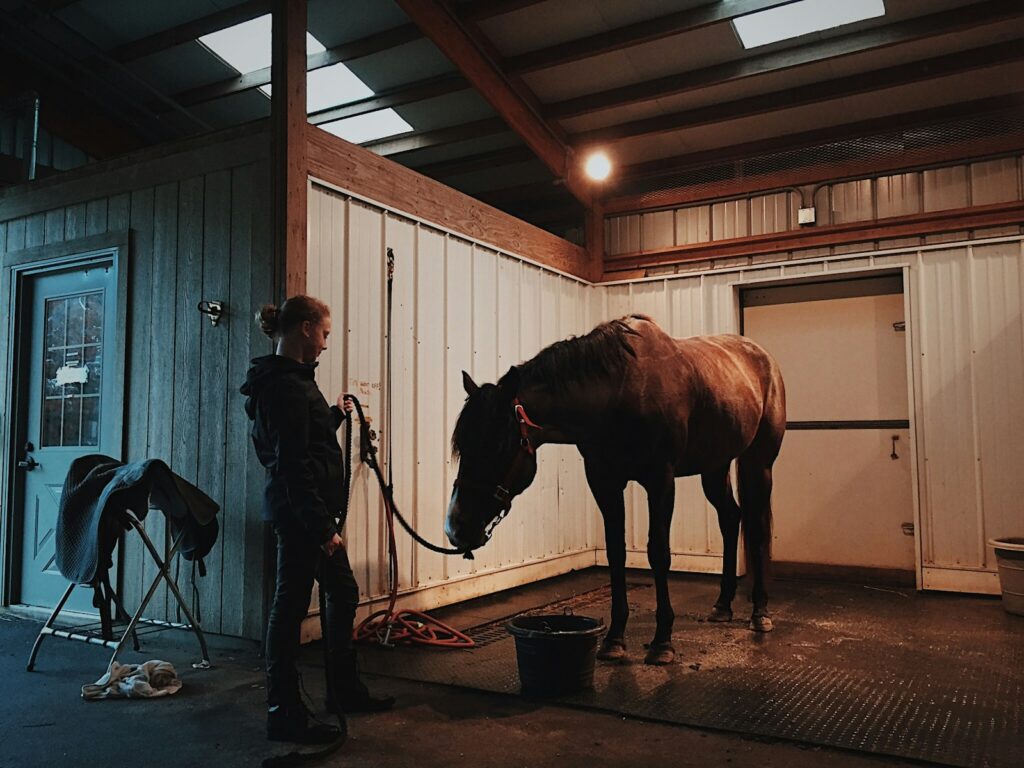
Even horses with years of riding experience often benefit tremendously from returning to fundamental groundwork principles. Many “problem horses” are actually experiencing the consequences of training gaps that occurred early in their education but weren’t evident until more advanced work was attempted. When faced with a training challenge under saddle, returning to groundwork often reveals specific misunderstandings or holes in the horse’s basic training that can be systematically addressed. This return to basics shouldn’t be viewed as regression but rather as an opportunity to fill crucial gaps in the horse’s understanding. Professional trainers frequently observe that seemingly complex riding issues resolve surprisingly quickly once the underlying groundwork fundamentals are properly established. For horses transitioning between disciplines or training approaches, revisiting groundwork provides an opportunity to establish new communication systems while building on existing knowledge.
Preventing Dangerous Evasion Behaviors

Horses that haven’t received adequate groundwork often develop evasive behaviors to avoid uncomfortable or confusing situations. These evasions might begin subtly—shifting weight away, hesitating, or tensing muscles—but can escalate to dangerous behaviors like rearing, bucking, bolting, or striking when the horse feels trapped or misunderstood. Thorough groundwork teaches horses appropriate responses to pressure and creates the expectation that they can find comfortable release through correct responses rather than evasion. This fundamental understanding prevents the development of dangerous behaviors by giving horses clear pathways to success. Many experienced trainers emphasize that groundwork isn’t merely about control but about creating a framework where horses feel secure making the right choices. Horses with solid groundwork foundations rarely resort to dangerous evasions because they understand the communication system and trust the predictability of the training process.
Practical Tips for Effective Groundwork Implementation

Successful groundwork follows certain principles regardless of the specific exercises being performed. Consistency in cues, timing, and expectations creates clarity for the horse, while patience allows them time to process and respond appropriately. Breaking exercises into small, achievable steps builds confidence while preventing the frustration that leads to resistance or shutdown behaviors. Quality groundwork focuses on the horse’s mental engagement rather than merely physical compliance—a horse going through motions without understanding gains little from the experience. Regular, shorter sessions typically yield better results than occasional marathon training sessions, allowing the horse to process information between lessons. Perhaps most importantly, effective groundwork requires the handler’s full attention and adaptability, adjusting to the horse’s responses rather than rigidly following a predetermined plan regardless of outcomes.
Common Groundwork Mistakes to Avoid

Several common pitfalls undermine groundwork’s effectiveness, with rushing through the process being perhaps the most prevalent error. Skipping steps to reach more advanced exercises before the horse has mastered fundamentals creates confusion and inconsistent responses. Another frequent mistake involves inconsistent cues or expectations, where handlers ask for different responses to the same signal on different days, creating understandable confusion for the horse. Focusing exclusively on physical compliance without considering the horse’s mental and emotional state often creates superficial obedience without genuine understanding or willingness. Many handlers inadvertently reinforce undesirable behaviors by releasing pressure at the wrong moment or allowing the horse to determine when exercises end. Perhaps the most detrimental mistake is viewing groundwork as merely a preliminary phase to “get through” before real training begins, rather than recognizing it as the essential foundation supporting all future work.
Incorporating Groundwork into Long-Term Training Programs
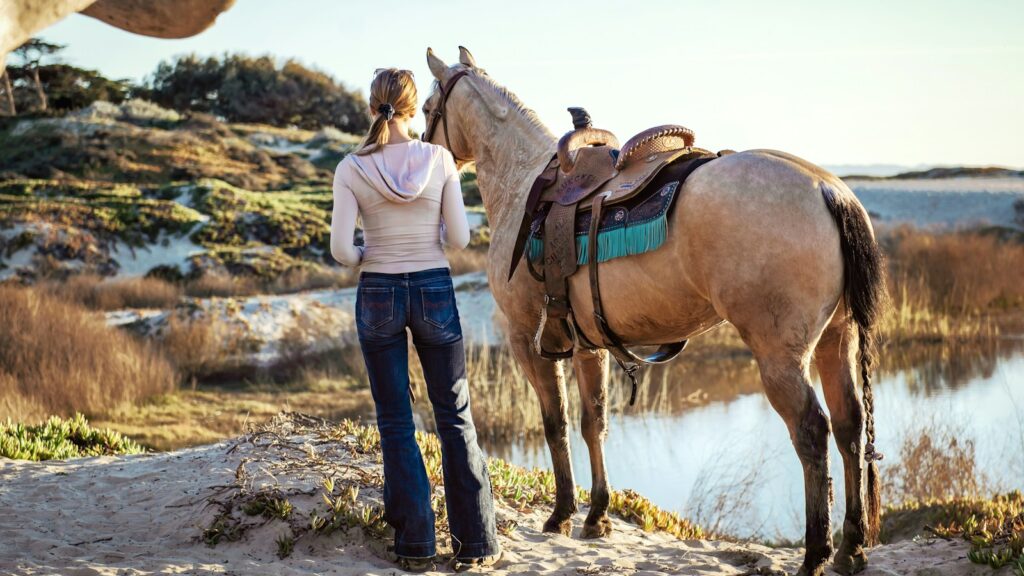
Contrary to common misconception, groundwork isn’t something to complete once and move beyond—it remains valuable throughout the horse’s career. Professional trainers typically incorporate groundwork sessions into their routines with even advanced competition horses, using these sessions to reinforce fundamentals, address emerging challenges, and strengthen the human-horse connection. Integrating brief groundwork elements into daily handling—like asking for specific movements during routine leading or creating short, focused sessions before riding—maintains and refines these essential skills. This ongoing attention to fundamentals prevents the gradual erosion of good habits that often occurs when groundwork is abandoned entirely. Many elite equestrians credit their consistent attention to groundwork fundamentals as a key factor in their horses’ exceptional performance and longevity in competition. The most successful training programs view groundwork not as a separate phase but as an integral, ongoing component of comprehensive horsemanship.
conclusion
The foundation established through consistent, thoughtful groundwork determines much of a horse’s future success, safety, and wellbeing. Far from being merely preliminary steps or exercises for young horses, groundwork creates the essential framework through which all horse-human interactions gain meaning and clarity. When we prioritize this fundamental aspect of training, we invest in developing horses that understand expectations, trust their handlers, manage their emotions effectively, and perform with confidence in any situation. Conversely, when we rush past these basics or dismiss their importance, we often create lasting problems that limit the horse’s potential and compromise safety for all involved. The time invested in thorough groundwork represents perhaps the most valuable contribution to developing a truly exceptional equine partner—one with the physical capability, mental engagement, and emotional stability to thrive in whatever role they’re asked to fulfill.