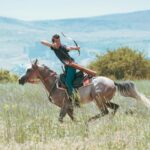
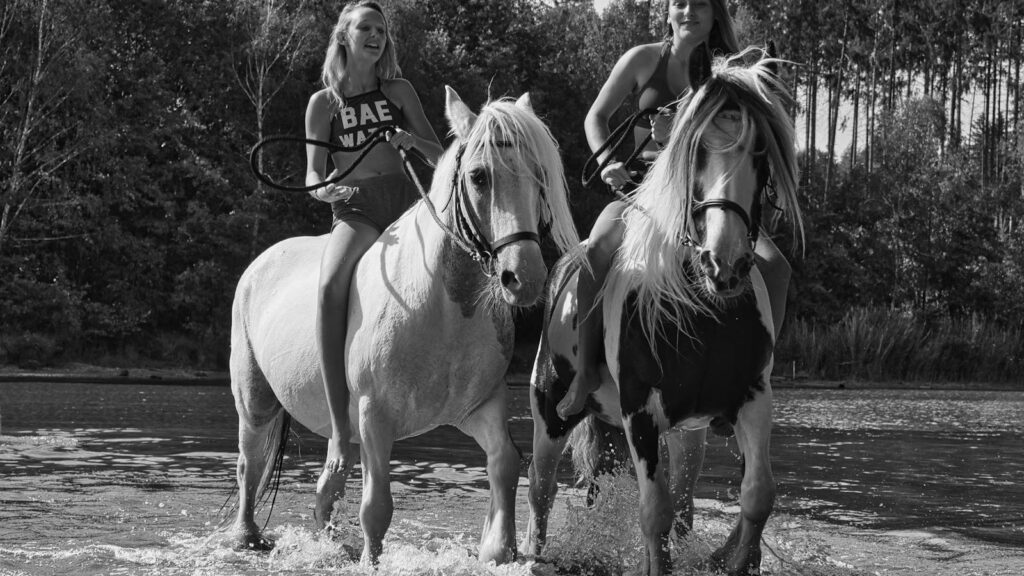
Bareback riding—the art of riding a horse without a saddle—connects riders to their equine partners in a uniquely intimate way. While this practice dates back thousands of years before saddles were invented, today it offers both recreational enjoyment and training benefits for experienced equestrians. However, bareback riding comes with significant risks when done improperly. This comprehensive guide explores common mistakes riders make when bareback riding and provides practical solutions to ensure both horse and rider safety, comfort, and enjoyment during this rewarding experience.
Neglecting Proper Preparation and Training
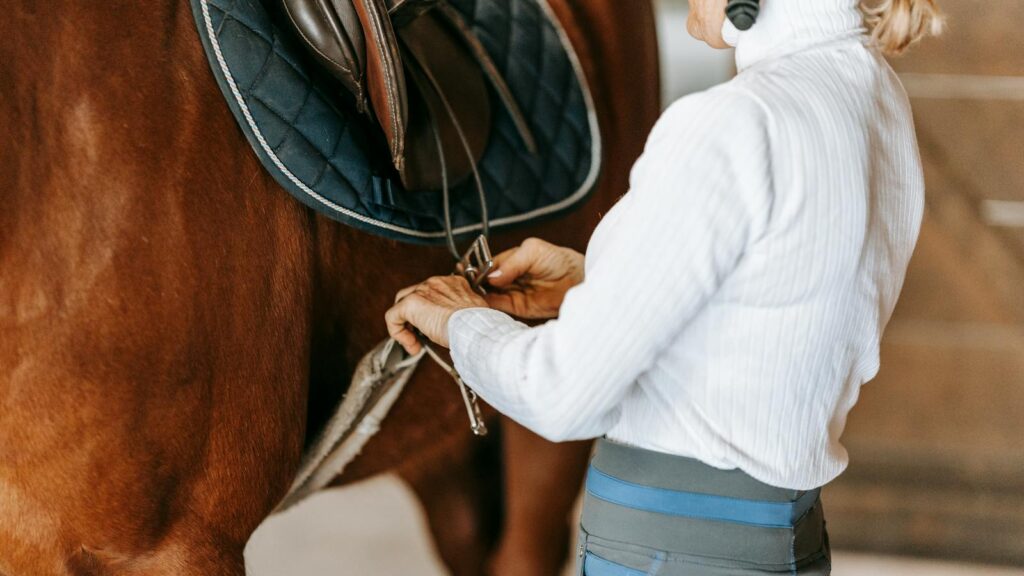
One of the most dangerous mistakes riders make is attempting bareback riding without adequate preparation or training. Bareback riding requires a different set of skills than saddle riding, including enhanced balance, core strength, and a deeper understanding of your horse’s movements. Before attempting bareback riding, work with an experienced instructor who can guide you through proper techniques and exercises to develop the necessary skills. Start in a controlled environment such as a round pen or enclosed arena with a calm, well-trained horse that’s accustomed to being ridden bareback. Consider using a bareback pad with a handle initially while you develop your seat and balance, gradually transitioning to true bareback riding as your confidence and abilities improve.
Ignoring the Importance of a Proper Warm-Up
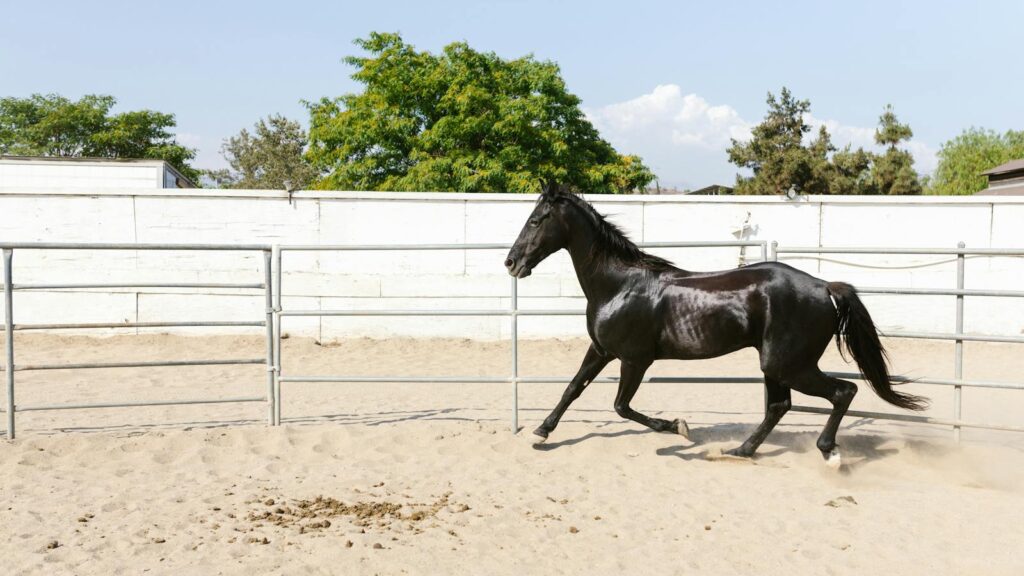
Skipping proper warm-up routines for both horse and rider can lead to injuries and discomfort during bareback riding. Cold muscles are more prone to strains and injuries, especially when engaging in an activity that requires significant balance and core strength. Before mounting, take time to stretch your own legs, hips, and back to prepare your body for the demands of bareback riding. Similarly, walking your horse for at least 10-15 minutes helps warm up their muscles and allows them to mentally prepare for the session. This warm-up period also gives you an opportunity to assess your horse’s mood and energy level, which is crucial information before deciding whether conditions are appropriate for bareback riding that day.
Mounting Incorrectly or Unsafely
Improper mounting techniques can startle your horse and immediately set a negative tone for your bareback riding session. Without stirrups to assist, many riders make the mistake of pulling themselves up using the horse’s mane or attempting to jump onto their horse’s back, both of which can cause pain and anxiety for the animal. Instead, use a mounting block, fence, or other stable object to help you mount smoothly and gently. Place your hands gently on the withers area for stability, not on the more sensitive parts of the back where you’ll be sitting. Keep your movements slow and deliberate, and avoid flopping onto your horse’s back, which can cause discomfort or even back injury to your equine partner.
Gripping Too Tightly With Your Legs
A common instinctive reaction when riding bareback is to grip tightly with your legs in an attempt to stay on, but this creates several problems. Excessive gripping causes tension in your body, making you more likely to bounce and less able to move with your horse’s rhythm. This tension also transfers to your horse, potentially causing them to become anxious or resistant to your cues. Additionally, gripping too tightly can restrict blood flow to your legs, leading to numbness and reduced reaction time. Instead of gripping, focus on deepening your seat, relaxing your legs, and using your core muscles to maintain balance while allowing your legs to drape naturally around your horse’s barrel.
Failing to Consider Your Horse’s Comfort
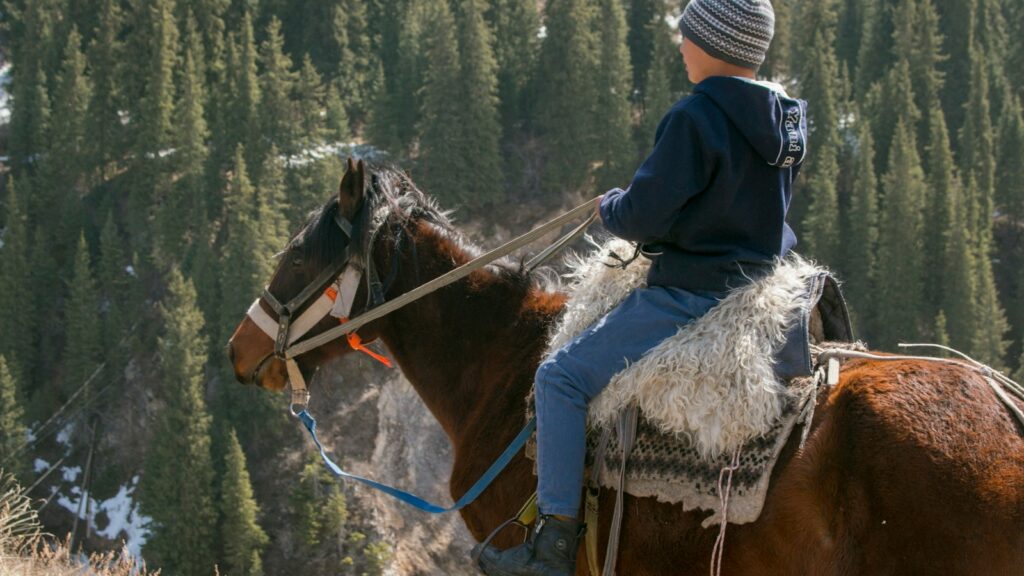
Many riders overlook how bareback riding affects their horse’s comfort, particularly regarding weight distribution. Without a saddle to distribute the rider’s weight across a larger surface area, pressure points can develop on the horse’s back, especially over the spine and withers. This discomfort may cause your horse to hollow their back, develop negative associations with riding, or even develop soreness that affects their movement patterns. Pay close attention to your horse’s reactions during and after bareback sessions, looking for signs of discomfort such as pinned ears, swishing tail, or reluctance to move forward. Consider using a quality bareback pad designed to protect your horse’s spine while still allowing you to feel their movement, especially for longer rides or if you’re a heavier rider.
Overlooking the Importance of Proper Position
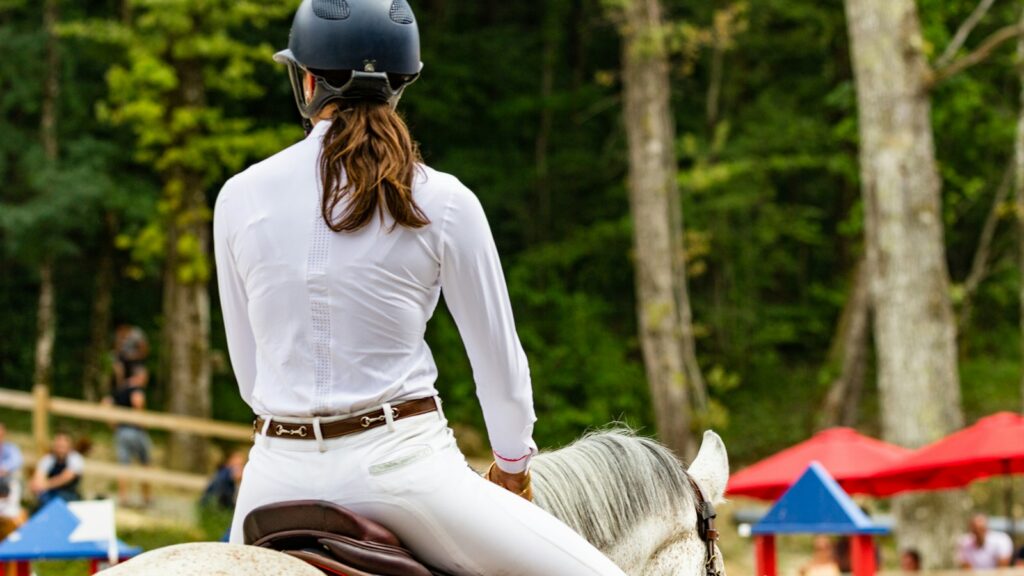
Incorrect body position while riding bareback creates instability and miscommunication with your horse. Many riders make the mistake of leaning forward, hunching their shoulders, or looking down, all of which shift their center of gravity and make balanced riding nearly impossible. Maintain proper alignment with your ear, shoulder, hip, and heel in a vertical line, just as you would with a saddle. Keep your shoulders relaxed and back, chest open, and eyes looking forward between your horse’s ears. Engage your core muscles to support your spine and resist the temptation to rely on your hands for balance, which can lead to uncomfortable pressure on your horse’s mouth. Regularly check your position by occasionally riding past mirrors or having someone take videos of your riding sessions.
Attempting Advanced Maneuvers Too Soon
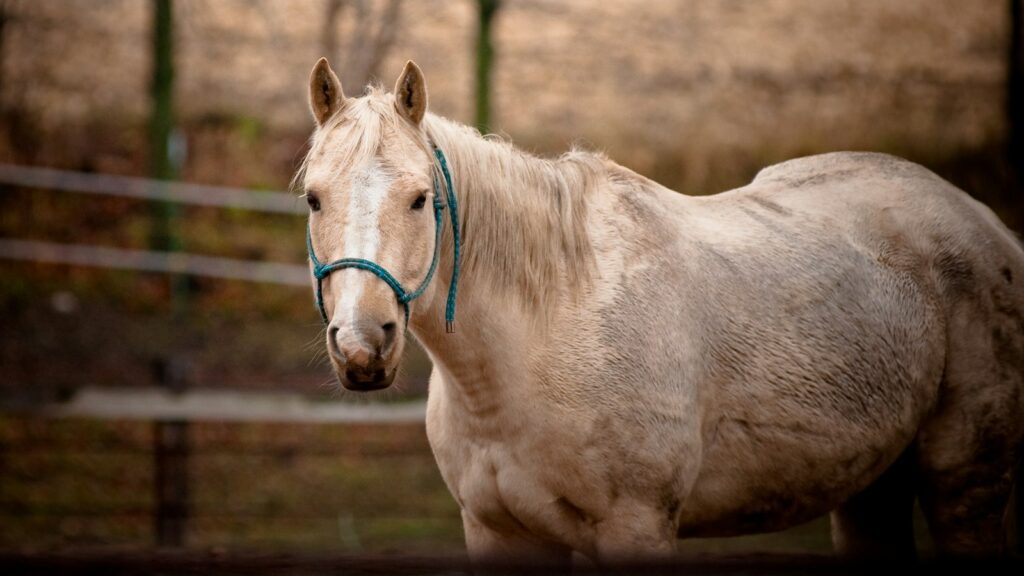
Trying to perform advanced movements before establishing solid bareback fundamentals is a recipe for frustration or injury. Many riders, excited by the freedom of bareback riding, attempt cantering, jumping, or riding in open spaces before they’ve mastered walking and trotting in controlled environments. This overambition can quickly lead to falls, confidence issues, and reinforcing poor habits that are difficult to correct later. Establish a progressive training plan that builds skills systematically, starting with walking on straight lines and gentle curves, then introducing sitting trot on a longe line before attempting it independently. Only when you can maintain balanced position and clear communication through these basics should you gradually introduce more challenging gaits and maneuvers, always prioritizing quality over speed or difficulty.
Neglecting Proper Communication With Your Horse
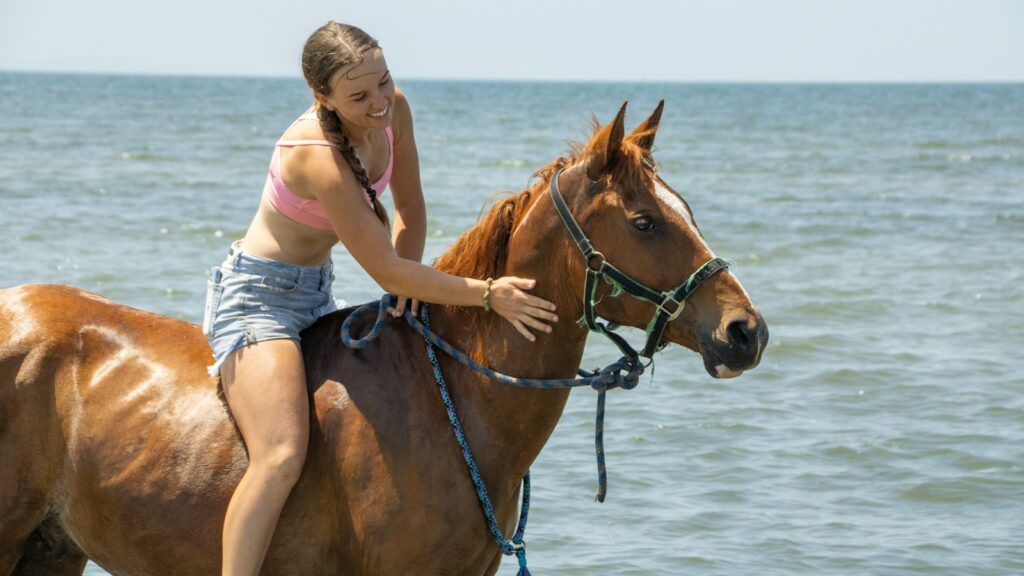
Poor communication creates confusion and anxiety for both horse and rider during bareback sessions. Without the structure of a saddle, some riders struggle to apply aids clearly, resulting in mixed signals that frustrate their equine partners. Remember that bareback riding requires more subtle, refined cues than saddle riding because your leg is in direct contact with the horse’s side. Focus on using your weight shifts, seat bones, and energy more than strong leg pressure to communicate your intentions. Maintain consistent expectations and clear boundaries, rewarding your horse generously for correct responses. Take time to develop a specific pre-riding routine that helps your horse understand when you’re riding bareback versus with a saddle, as some horses benefit from this predictability.
Ignoring Weather and Environmental Factors
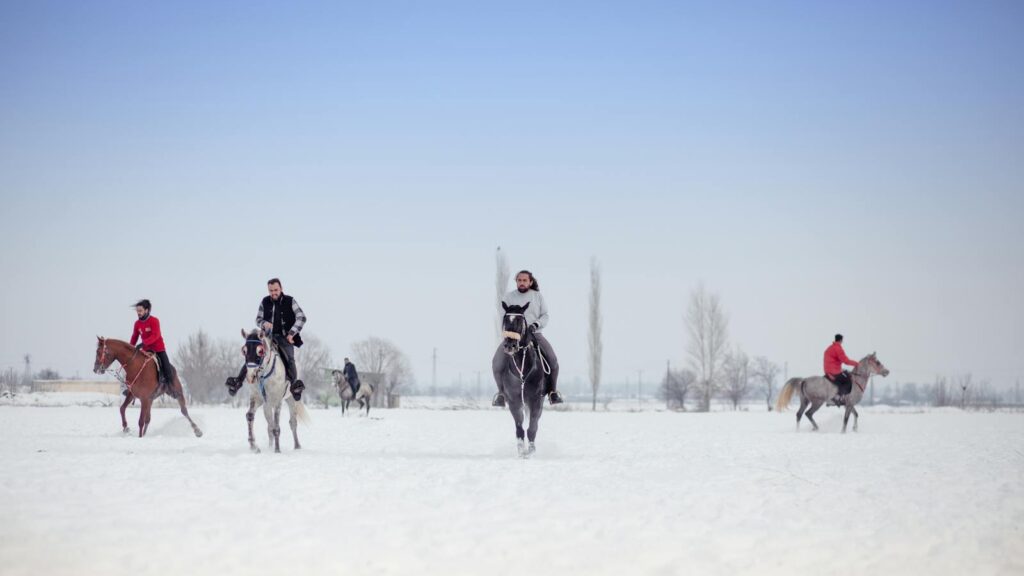
Environmental conditions significantly impact the safety and success of bareback riding sessions, yet many riders fail to adjust their plans accordingly. Extremely hot or cold weather affects both horse and rider comfort, with sweaty backs becoming slippery in summer and cold temperatures potentially making your horse more reactive or energetic. Rain, wind, or unusual activity around your riding area can also increase the likelihood of spooking or behavioral issues during bareback riding. Before mounting, assess weather conditions and your riding environment carefully, postponing bareback riding during particularly challenging conditions or when your horse seems unusually tense. Have a contingency plan ready to switch to ground work or a saddle ride if conditions change during your session, and always prioritize safety over adhering rigidly to your planned workout.
Forgetting Essential Safety Equipment
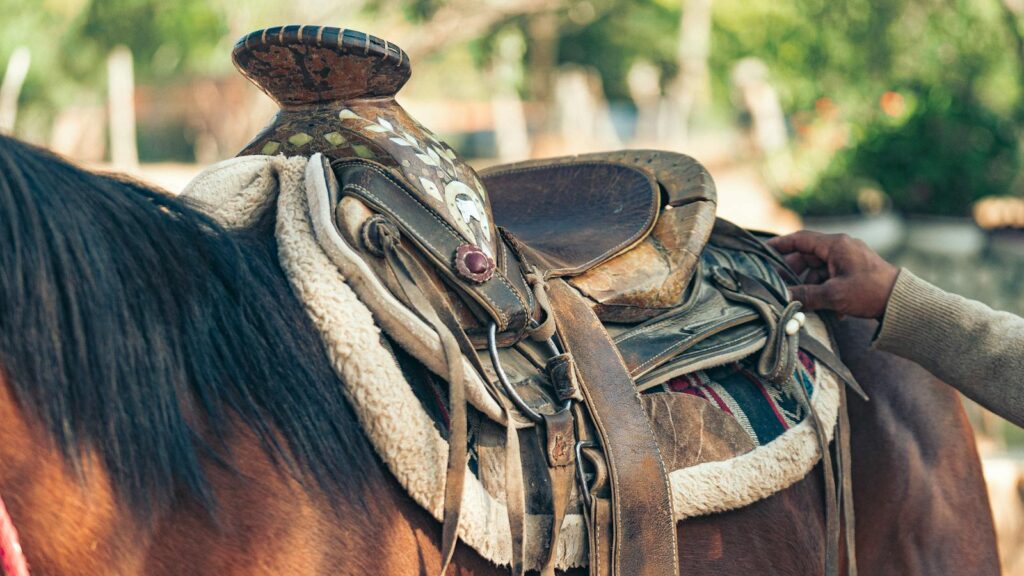
The absence of a saddle sometimes leads riders to become casual about other safety equipment, creating unnecessary risks during bareback riding. Always wear an approved riding helmet regardless of your experience level or the perceived simplicity of your planned activity. Proper footwear with a heel prevents your foot from sliding through the stirrup if you’re using a bareback pad with stirrups, and provides protection if you need to dismount quickly. Consider wearing a safety vest for additional protection, particularly when riding horses that are newer to bareback work or when practicing more advanced skills. While bareback riding emphasizes a natural connection with your horse, this shouldn’t come at the expense of basic safety precautions that protect both rider and horse from preventable injuries.
Riding for Too Long Initially
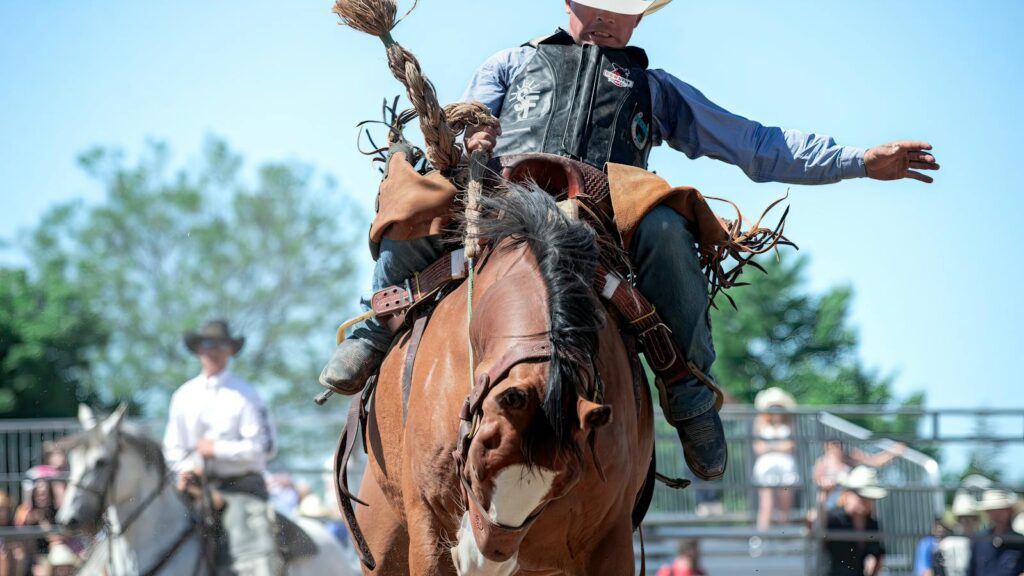
Extended bareback riding sessions before developing adequate muscles and balance often lead to discomfort and poor riding quality. Bareback riding engages different muscle groups than saddle riding, particularly in your inner thighs, core, and back, which can fatigue quickly when first developing this skill. This fatigue compromises your position and communication effectiveness, potentially creating negative experiences for both you and your horse. Begin with brief sessions of 10-15 minutes, focusing on quality riding in a controlled environment before gradually extending your time as your specific bareback muscles develop. Pay attention to both your comfort and your horse’s responses, ending sessions while they’re still positive rather than pushing through to a point where either of you becomes uncomfortable or frustrated.
Forgetting the Purpose of Bareback Riding
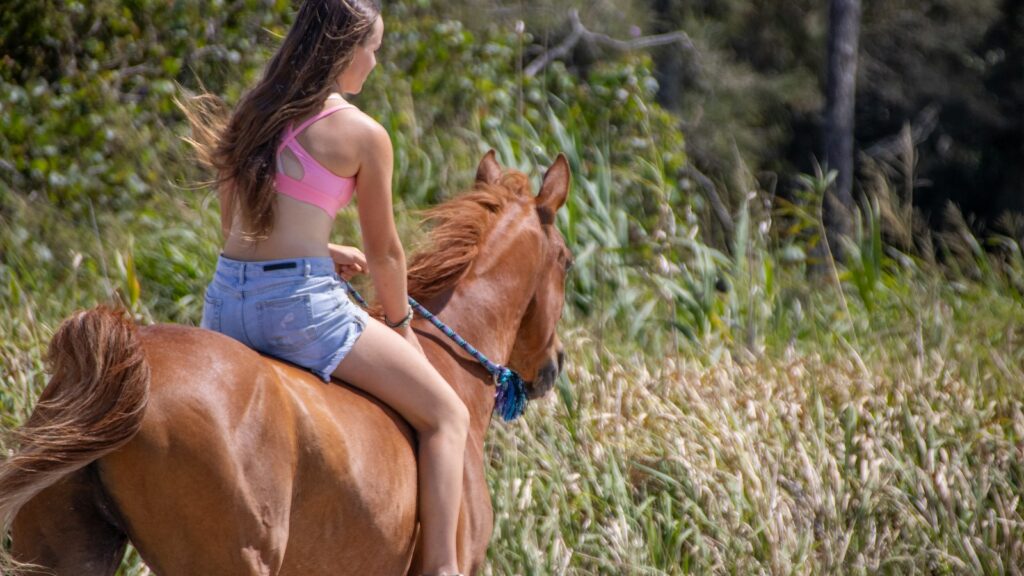
Many riders lose sight of the primary benefits of bareback riding, treating it simply as “riding without a saddle” rather than a distinct skill with specific purposes and benefits. Bareback riding offers unparalleled opportunities to develop feel, balance, and a deeper connection with your horse’s movement that can significantly improve your overall horsemanship. Approach each bareback session with clear intentions, whether that’s improving your seat, developing your horse’s responsiveness to subtle aids, or enhancing the trust between you. Maintain a mindset of exploration and learning rather than performance or achievement, allowing yourself to notice subtle movements and responses you might miss when riding with a saddle. Regularly reflect on how your bareback experiences are influencing your overall riding, and integrate these insights into your general horsemanship philosophy.
conclusion
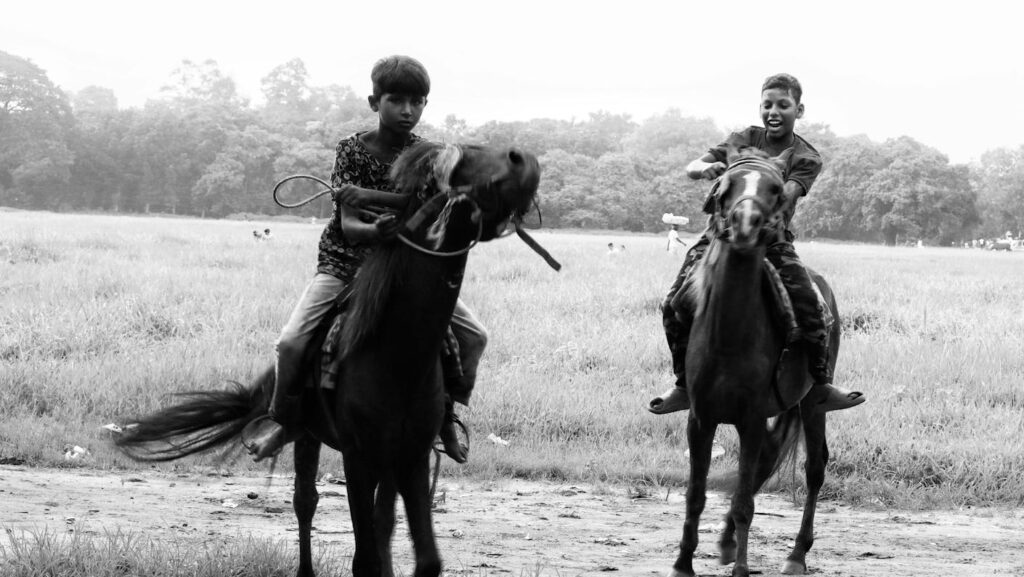
Bareback riding offers a wonderful opportunity to deepen your connection with your horse and refine your riding skills, but it requires thoughtful preparation and respect for both equine and human safety. By avoiding these common mistakes, you’ll develop a secure, balanced seat that allows for clear communication with your horse. Remember that bareback riding is a skill that develops gradually—give yourself permission to progress at an appropriate pace, celebrating small improvements along the way. When approached correctly, this ancient riding practice becomes not just a training technique but a joyful expression of the partnership between horse and human that has spanned thousands of years.