
A magnificent, healthy mane is a crowning glory that demands both attention and proper care. Whether you’re looking to enhance your lion-like locks or restore vitality to thinning hair, natural maintenance techniques can provide effective, chemical-free solutions. From dietary adjustments to specialized massage techniques, a holistic approach to mane maintenance can yield impressive results without harsh treatments. The following comprehensive guide explores time-tested methods and contemporary natural approaches to help you achieve and maintain the luxurious, flowing mane you desire.
Understanding Your Mane’s Natural Composition
Before implementing any maintenance routine, it’s essential to understand what your mane is made of and how it grows. Hair primarily consists of a protein called keratin, which forms the structural foundation of each strand. The hair follicle, embedded in the scalp, is where growth begins, nourished by blood vessels that deliver crucial nutrients. Each follicle follows a growth cycle with active growth (anagen), transitional (catagen), and resting (telogen) phases, which typically last between 2-7 years for scalp hair. This natural cycle explains why some shedding is normal, with the average person losing 50-100 hairs daily as follicles transition between phases. Understanding these fundamentals helps set realistic expectations and informs effective maintenance strategies tailored to your specific mane characteristics.
Nutrition: The Foundation of Mane Health

A lustrous mane begins from within, with nutrition serving as the cornerstone of healthy hair growth. Protein-rich foods like eggs, fish, nuts, and legumes provide the building blocks necessary for strong hair production, as hair is primarily composed of protein. Essential fatty acids found in salmon, avocados, and flaxseeds help maintain scalp health and add natural shine by supporting the hair’s natural oil barriers. Vitamins A, C, D, E, and B-complex vitamins (particularly biotin) play crucial roles in hair growth, strength, and preventing breakage—obtain these through colorful fruits, vegetables, whole grains, and if necessary, supplements. Minerals such as zinc, iron, and selenium are equally important; iron deficiency in particular is a common cause of hair thinning and can be addressed through foods like spinach, lentils, and grass-fed beef. Remember that consistency in nutrition matters more than quick fixes—positive changes in hair health typically become noticeable after 3-6 months of improved dietary habits.
Gentle Cleansing Practices
Over-washing can strip the hair and scalp of natural oils, leading to dryness and brittleness that compromises mane health. Instead, adopt a gentle cleansing routine tailored to your hair type, washing every 2-3 days for normal hair, less frequently for dry or curly hair, and potentially more often for very oily hair. When selecting shampoos, favor sulfate-free formulations with natural ingredients like aloe vera, coconut oil, or tea tree oil, which cleanse without harsh detergents. Water temperature matters significantly—lukewarm water is ideal for cleansing, while a final cool rinse helps seal the hair cuticle, enhancing shine and reducing frizz. Massage the scalp gently during washing to stimulate blood flow and loosen buildup without causing friction damage to hair strands. For those with particularly sensitive scalps or extremely dry hair, consider occasional co-washing (using conditioner only) or using diluted apple cider vinegar rinses to restore pH balance without stripping essential moisture.
Oil Treatments and Natural Conditioning
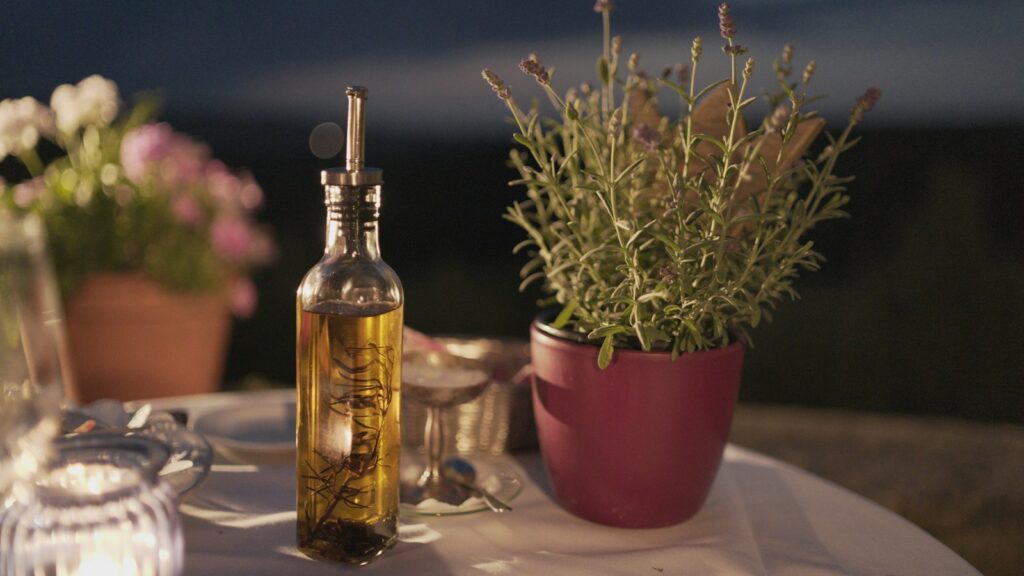
Natural oils serve as exceptional treatments for maintaining a healthy, vibrant mane. Coconut oil, with its ability to penetrate the hair shaft, provides deep conditioning and protection against protein loss during washing. Argan oil, rich in vitamin E and fatty acids, works wonders as a leave-in treatment for fighting frizz and adding shine without weighing down hair. For scalp health, jojoba oil closely mimics the scalp’s natural sebum, helping balance oil production while nourishing follicles and potentially stimulating growth. A weekly hot oil treatment—warming your oil of choice slightly before massaging into the scalp and hair, then covering with a shower cap for 30-60 minutes—provides intensive conditioning that commercial products rarely match. For those with particularly dry or damaged hair, consider overnight treatments, applying oils before bed and washing out in the morning, allowing maximum absorption time. Remember that different hair textures respond uniquely to various oils; finer hair may benefit from lighter options like grapeseed oil, while coarser textures might require heavier treatments like castor or olive oil.
Scalp Massage Techniques
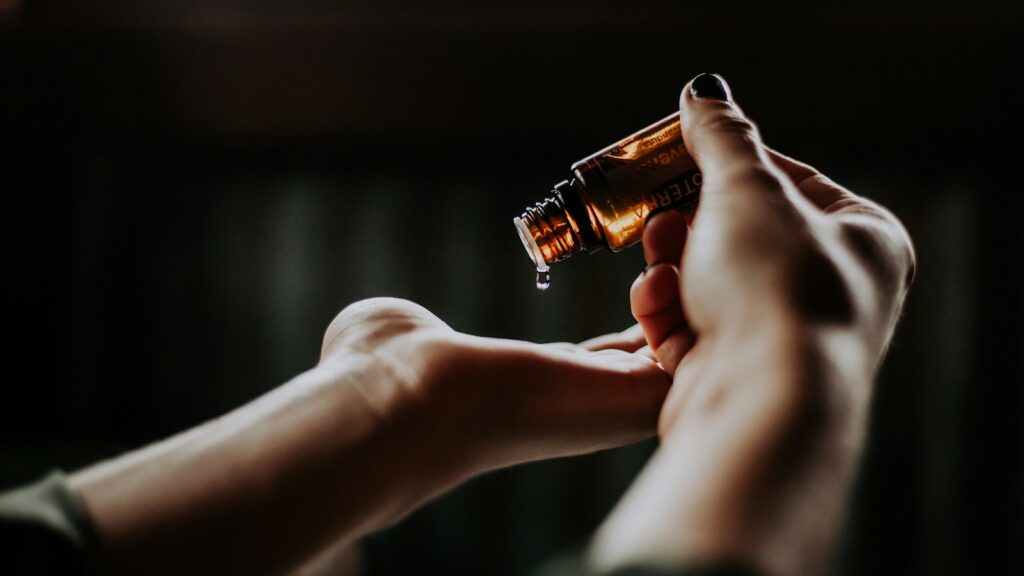
Regular scalp massage stands as one of the most effective yet underutilized practices for mane maintenance, working to stimulate blood circulation to hair follicles and promoting nutrient delivery. The technique is straightforward but powerful: using fingertips (not nails), apply gentle pressure in circular motions across the entire scalp for 5-10 minutes daily, focusing on areas where thinning might be a concern. For enhanced benefits, incorporate a few drops of stimulating essential oils like rosemary, peppermint, or lavender diluted in a carrier oil, which have been shown in studies to potentially support hair growth patterns. Some practitioners recommend inverting the head during massage (bending forward) to increase blood flow to the scalp, though this should be avoided by those with certain health conditions like high blood pressure. Specialized tools such as scalp massagers with silicone bristles can provide deeper stimulation while minimizing the risk of tangling or pulling hair. Consistency yields the best results—making scalp massage a regular ritual before bed or during morning showers can lead to noticeable improvements in thickness and strength over time.
Herbal Rinses and Natural Growth Stimulants
Herbal rinses offer concentrated botanical benefits that have been used for centuries across cultures to maintain healthy, vibrant manes. Rosemary infusion, created by steeping fresh or dried rosemary in hot water for 30 minutes then cooling before use, has been clinically compared to minoxidil for effectiveness in stimulating hair growth without side effects. Nettle rinse, rich in silica and sulfur, helps reduce dandruff and oiliness while potentially strengthening hair follicles to prevent excess shedding. For those seeking to enhance natural highlights and luster, chamomile tea rinses brighten blonde or light brown hair, while black tea or coffee rinses can deepen darker shades and temporarily cover early grays. Horsetail herb, exceptionally high in silica, makes an excellent strengthening rinse when prepared as a strong tea and used as a final rinse after conditioning. These natural treatments work best when used consistently, typically 1-2 times weekly, with results becoming more apparent after several months of regular application. For maximum benefit, allow herbal rinses to remain on the hair without rinsing out, as the botanical properties continue working as the solution dries.
Protective Styling and Damage Prevention
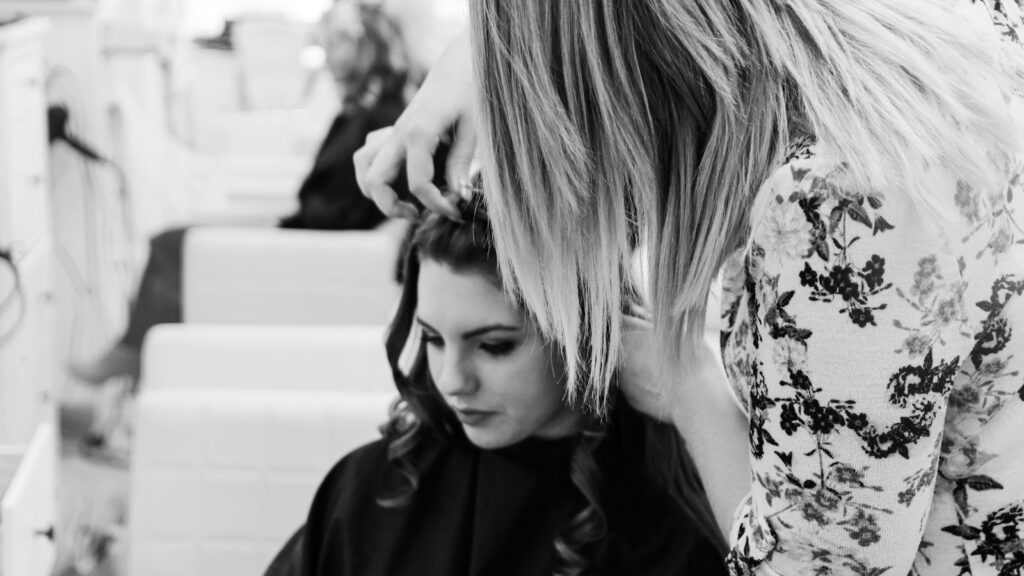
Maintaining a healthy mane requires minimizing mechanical damage through thoughtful styling approaches. Avoid tight hairstyles that pull at the roots, such as high ponytails, tight braids, or buns, which can cause traction alopecia over time; instead, opt for loose styles that distribute tension evenly. When brushing, always start from the ends and work upward to prevent breakage, using wide-toothed combs for wet hair and natural bristle brushes for dry hair. Heat styling represents a major source of damage; whenever possible, allow hair to air dry and embrace natural texture, but when heat is necessary, always use protective products and the lowest effective temperature setting. Sleeping on silk or satin pillowcases significantly reduces friction compared to cotton, preventing the moisture loss and breakage that occurs with traditional bedding. For those with longer manes, loosely braiding hair before sleep prevents tangling and subsequent breakage during rest. Seasonal protection is equally important—wear hats in extreme sunlight to prevent UV damage, and in winter, cover hair in cold, dry conditions to prevent moisture loss and static electricity buildup.
DIY Hair Masks for Deep Conditioning
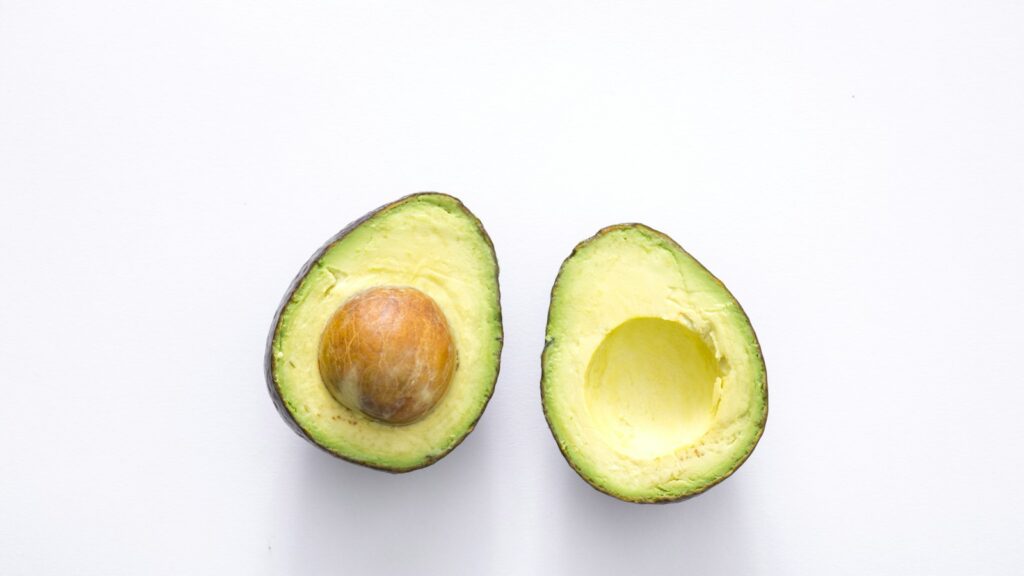
Homemade hair masks provide intensive conditioning with pure ingredients tailored to specific hair needs. The classic avocado-honey mask combines half an avocado with two tablespoons of honey and one tablespoon of olive oil, delivering exceptional moisture for dry, damaged hair while improving elasticity. For protein-depleted hair showing excessive breakage, a strengthening egg mask utilizing one or two whole eggs (depending on hair length) mixed with a tablespoon of olive oil works wonders by replenishing keratin structure. Those dealing with oily scalps benefit from a yogurt-lemon mask, combining half a cup of plain yogurt with the juice of half a lemon, which helps regulate sebum production while providing gentle exfoliation of the scalp. Banana masks, created by blending one ripe banana with two tablespoons of honey and a splash of coconut milk, offer exceptional repair for heat-damaged or over-processed hair. These masks work best when applied to damp hair, covered with a shower cap to trap heat, and left on for 30-45 minutes before rinsing thoroughly with lukewarm water. For maximized benefits, apply these treatments weekly or bi-weekly, rotating formulations based on your hair’s changing needs throughout different seasons.
Botanical Hair Growth Boosters
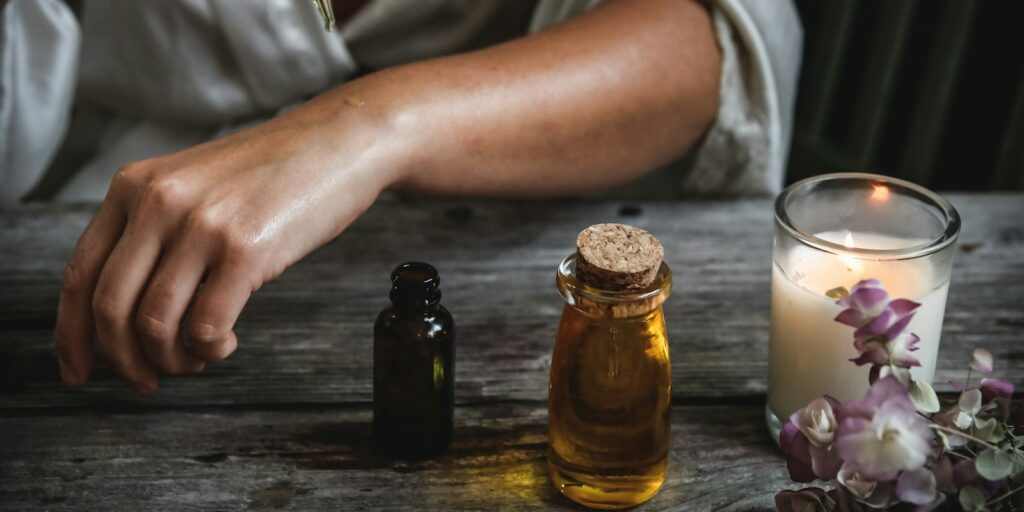
Several plants and botanical extracts show promising evidence for supporting hair growth when applied topically. Aloe vera contains proteolytic enzymes that effectively repair dead skin cells on the scalp, conditioning the hair while potentially clearing hair follicles and stimulating dormant ones. Saw palmetto extract, derived from the berries of the Serenoa repens plant, helps block the enzyme that converts testosterone to DHT, a hormone associated with pattern hair loss. Ginseng contains saponins that strengthen the hair follicle, potentially increasing dermal cells which encourage hair growth while simultaneously inhibiting apoptosis (programmed cell death) in the dermal papilla. Pumpkin seed oil, rich in phytosterols, zinc and other antioxidants, has demonstrated effectiveness in improving hair count in men with pattern baldness in clinical studies. These botanical ingredients can be found in commercial products but often work best when applied in more concentrated forms through specialized serums or pure oils directly to the scalp 2-3 times weekly, usually requiring 3-6 months of consistent application before significant results become apparent.
Addressing Common Mane Concerns Naturally
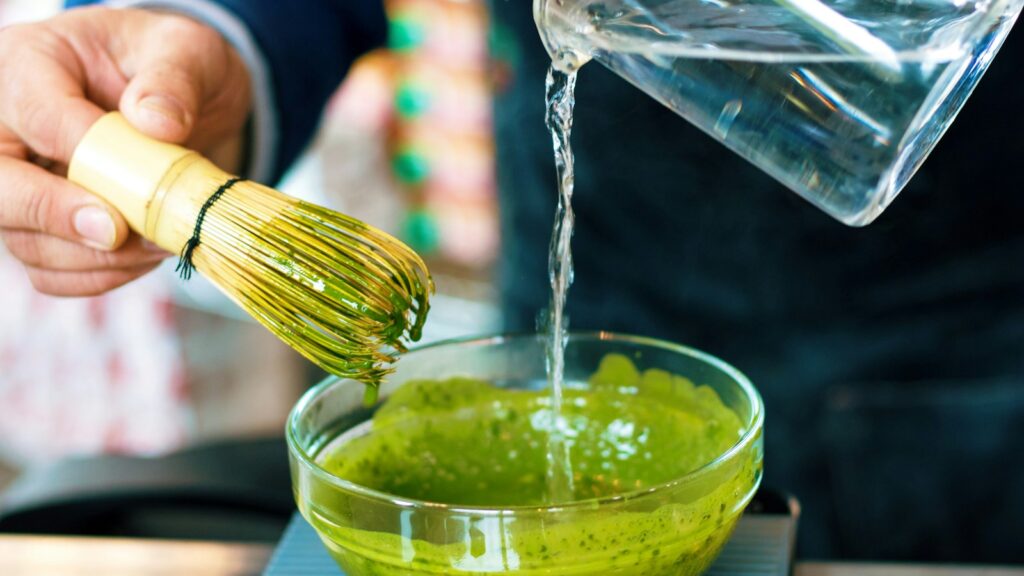
Different mane issues require targeted natural approaches for effective management. For dandruff and flaky scalp conditions, weekly treatments with diluted tea tree oil (5-10 drops in a tablespoon of carrier oil) or apple cider vinegar rinses (one part vinegar to four parts water) help restore proper pH and reduce fungal overgrowth that contributes to flaking. Those battling with excessive hair fall might benefit from rosemary essential oil, which studies suggest can rival minoxidil in effectiveness when applied daily as a diluted scalp treatment. Premature graying can be addressed through internal consumption and topical application of amla (Indian gooseberry), exceptionally high in vitamin C and antioxidants that may help preserve natural pigmentation. For brittle, splitting ends when trims aren’t immediately possible, coconut oil or shea butter applied specifically to the ends creates a protective barrier against further damage. Remember that while these natural approaches offer significant benefits, persistent or severe hair and scalp issues may indicate underlying health conditions that require professional medical evaluation, as external treatments address symptoms rather than potential internal causes.
Stress Management for Mane Preservation
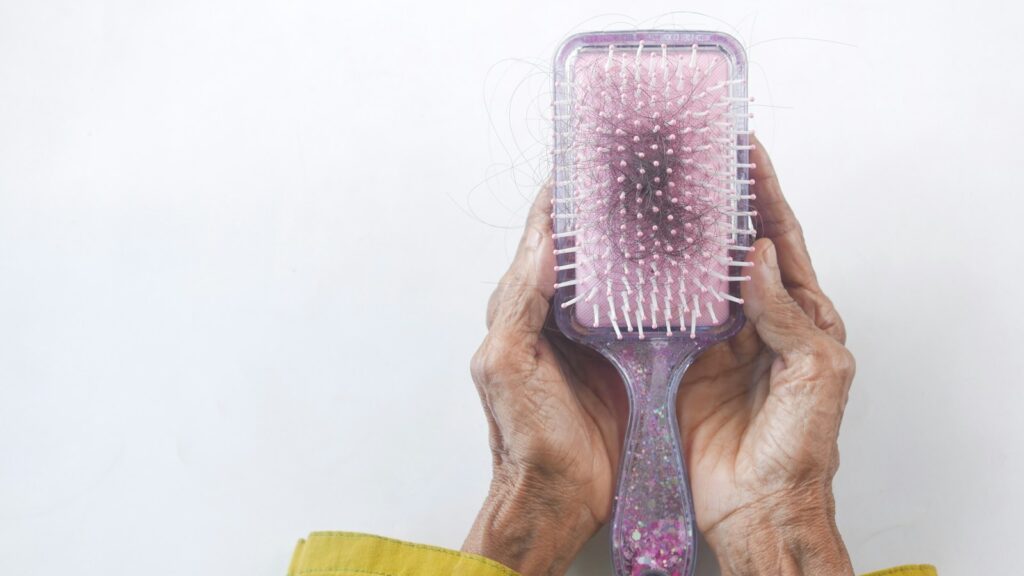
The connection between stress and hair health is well-documented, with chronic stress potentially triggering or worsening conditions like telogen effluvium (excessive shedding) and alopecia areata (patchy hair loss). Physiologically, stress hormones can disrupt the hair growth cycle, pushing more follicles into the resting phase prematurely and restricting blood flow to the scalp, limiting nutrient delivery to growing hairs. Implementing stress reduction techniques like regular meditation, yoga, or breathing exercises can significantly impact hair health over time by lowering cortisol levels that adversely affect follicle function. Adequate sleep—typically 7-9 hours for adults—remains crucial for hair growth, as this is when the body performs much of its cellular repair and regeneration activities. Physical exercise contributes doubly to mane health by reducing stress and increasing circulation throughout the body, including the scalp. For those experiencing stress-related hair issues, combining these lifestyle approaches with the previously mentioned topical treatments often yields more substantial improvement than either approach alone, as they address both the internal and external factors affecting mane condition.
Holistic Approaches to Mane Maintenance
A truly comprehensive mane maintenance routine recognizes the interconnectedness of body systems and environmental factors affecting hair health. Traditional Chinese Medicine approaches suggest that kidney and liver health directly influence hair quality, recommending herbs like he shou wu (fo-ti) and goji berries to support these organs and, consequently, improve hair growth and prevent premature graying. Ayurvedic traditions emphasize the importance of balancing doshas (body constitutions), recommending specific oils and herbs based on whether one has vata (dry), pitta (sensitive), or kapha (oily) tendencies in the scalp and hair. Modern functional medicine perspectives highlight the importance of gut health, as intestinal inflammation and microbiome imbalances can trigger systemic inflammation affecting hair follicles—incorporating probiotics, fermented foods, and anti-inflammatory diets may therefore support mane health from within. Environmental consciousness also plays a role in holistic hair care, with many finding that reducing exposure to hard water (through shower filters), air pollution (by wearing protective styles outdoors), and harsh chemicals in styling products leads to noticeably improved hair quality over time. This interconnected approach recognizes that magnificent manes result from whole-body wellness rather than isolated treatments.
Seasonal Adjustments for Year-Round Mane Health

Just as skin requires different care across seasons, mane maintenance benefits from seasonal adjustments to address changing environmental conditions. Summer brings increased UV exposure that can degrade hair proteins and fade color, making protective sprays with UV filters and increased coverage with hats essential during peak sunlight hours. Chlorine and salt water pose significant summer challenges, requiring pre-swim protection (wetting hair with fresh water before swimming to minimize absorption) and post-swim clarifying treatments to remove mineral deposits. Winter’s dry indoor heating systems and cold outdoor temperatures can severely deplete moisture levels, necessitating more frequent deep conditioning treatments and potentially switching to cream-based cleansers rather than traditional shampoos. Fall often brings increased hair shedding as part of the natural cycle, which may benefit from stimulating scalp treatments like rosemary or peppermint oil massages to support new growth phases. Spring typically requires detoxifying treatments to remove product buildup accumulated during winter’s heavier conditioning regimens, with bentonite clay masks or apple cider vinegar rinses being particularly effective for this seasonal transition. By adapting your routine to seasonal challenges, you maintain consistent mane health despite changing external conditions.
Creating a Sustainable Natural Mane Care Routine
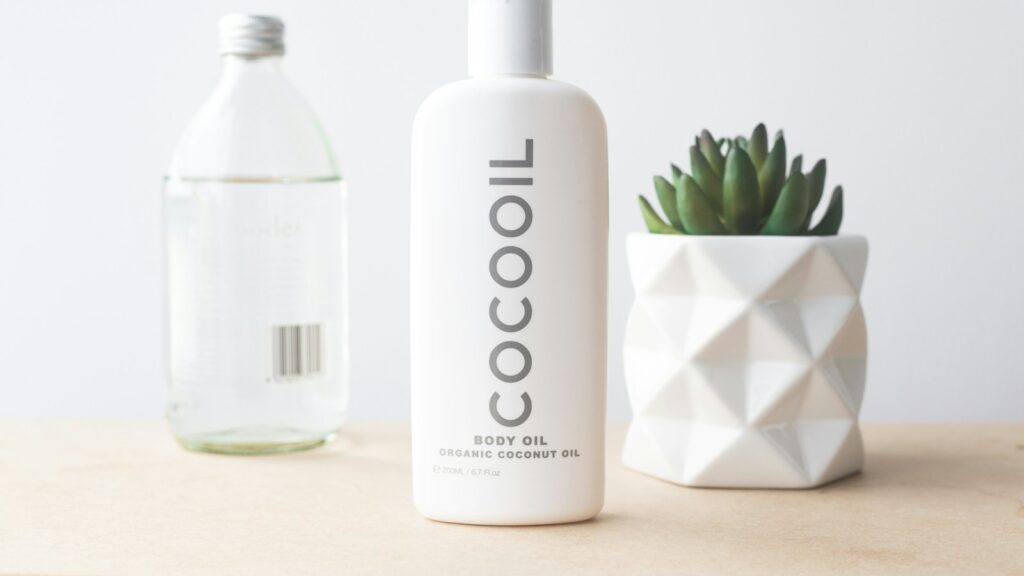
Developing a sustainable natural mane care routine requires balancing effectiveness with practicality to ensure long-term adherence. Begin by selecting a core set of 3-5 natural products or ingredients that address your specific hair needs rather than accumulating an overwhelming collection of treatments. Establish a realistic schedule—perhaps deeper treatments on weekends and simpler maintenance during weekdays—that accommodates your lifestyle while still providing consistent care. Document your mane’s response to different treatments through photos or notes, allowing you to identify truly effective approaches rather than continuously chasing new trends. Consider the environmental impact of your choices, selecting products with biodegradable ingredients and minimal packaging, or making your own treatments to reduce waste. Remember that patience remains essential with natural approaches; while chemical treatments might show immediate results, natural methods typically build cumulative benefits over 3-6 months of consistent application. The most sustainable routines evolve gradually with your hair’s changing needs throughout different life stages, seasons, and health conditions—flexibility and observation matter more than rigid adherence to any single technique.
conclusion
Maintaining a magnificent mane naturally requires dedication to holistic practices that nurture hair from within and protect it from external damage. By combining proper nutrition, gentle cleansing, botanical treatments, and protective styling with stress management and seasonal adjustments, you create the optimal environment for healthy hair growth. Remember that natural approaches work gradually but provide lasting results without the harsh side effects of chemical alternatives. Your mane reflects your overall health and self-care practices—by investing in natural maintenance techniques, you’re not just enhancing your appearance but