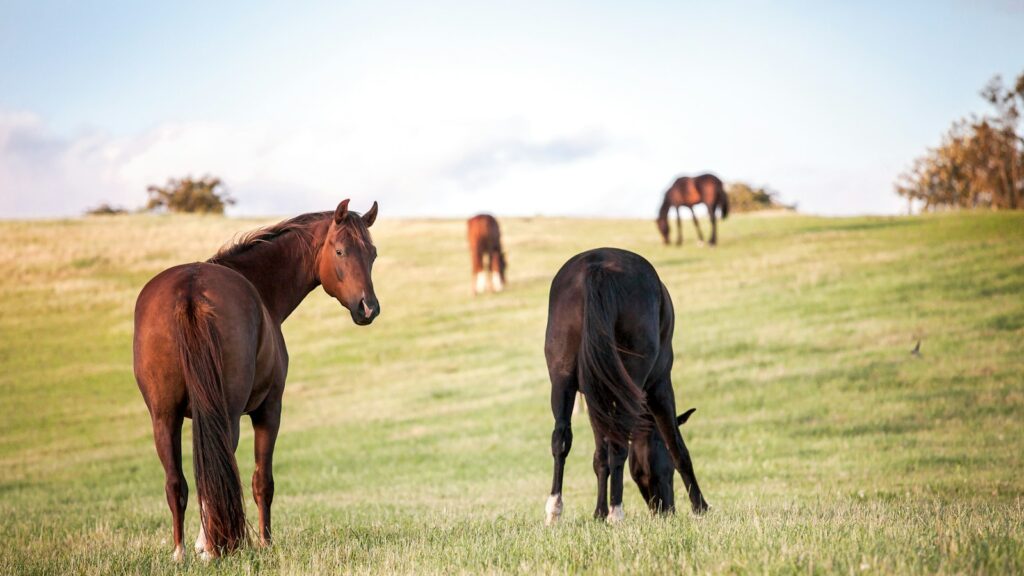
Rehabilitating neglected horses represents one of the most challenging yet rewarding journeys in equine care. These magnificent animals, once subjected to inadequate nutrition, improper housing, or psychological trauma, require specialized attention and enormous patience to restore their physical health and rebuild their trust in humans. The process involves understanding both the physical and emotional aspects of rehabilitation, as neglected horses often carry invisible scars alongside their visible ones. This comprehensive guide explores effective strategies for working with neglected horses, from initial assessment to long-term care planning, providing a roadmap for those committed to giving these resilient animals a second chance at a dignified and fulfilling life.
Understanding the Psychological Impact of Neglect on Horses
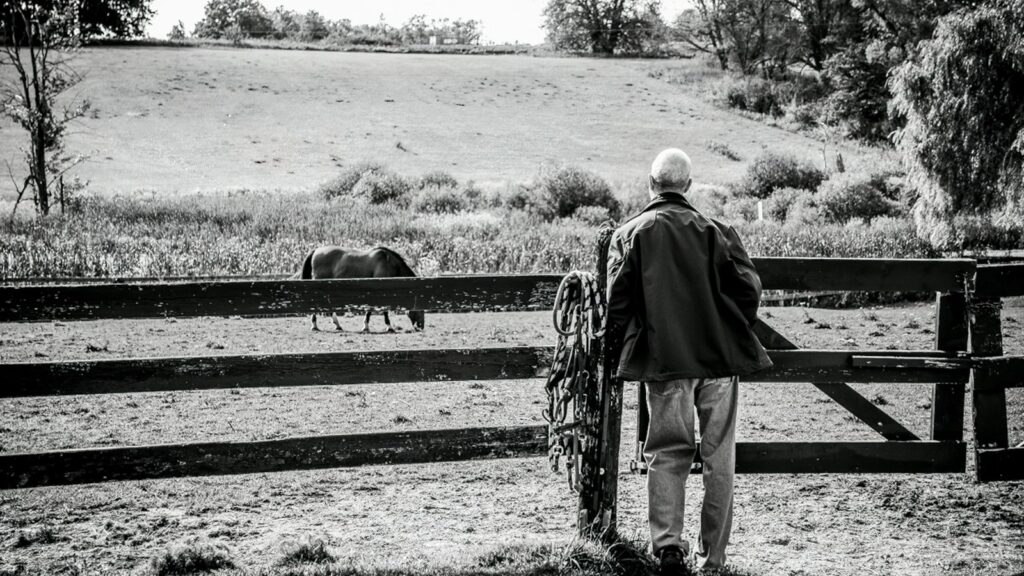
Neglected horses often develop deeply ingrained psychological issues that manifest as fear, aggression, or complete withdrawal from human interaction. These behaviors aren’t signs of a “bad” horse but rather survival mechanisms developed during periods of trauma or deprivation. A horse that has experienced food scarcity may become resource-protective and aggressive during feeding times, while one that experienced physical abuse might flinch or bolt when approached with certain objects or from particular angles. Understanding that these reactions stem from legitimate fears rather than stubbornness is crucial for effective rehabilitation. The psychological recovery often takes significantly longer than physical recovery, requiring handlers to recognize small improvements as meaningful progress in the horse’s journey toward trust.
Initial Assessment and Immediate Interventions
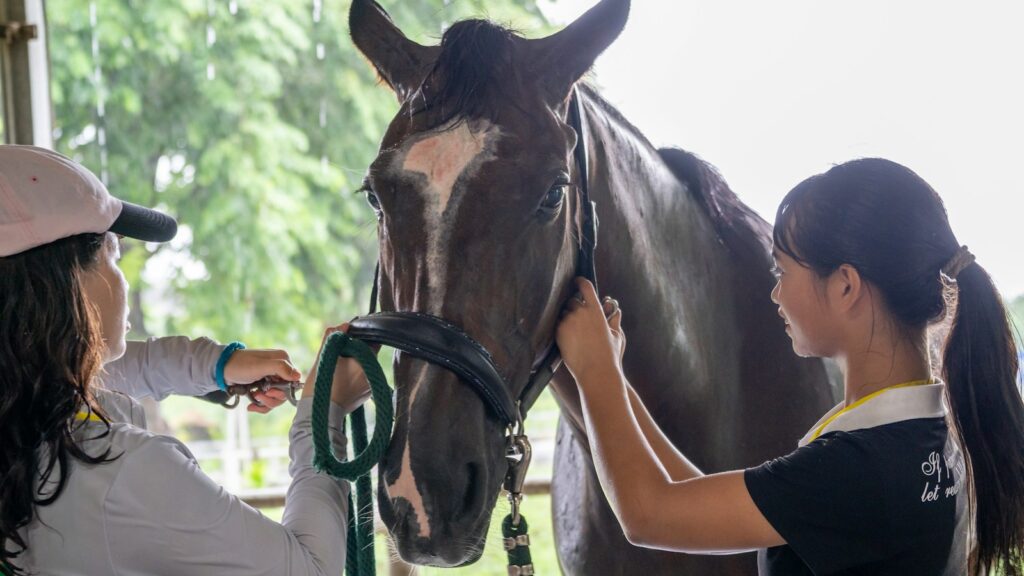
When a neglected horse first arrives in your care, a thorough veterinary assessment should be your primary concern before any rehabilitation work begins. This evaluation should include vital signs, body condition scoring, dental examination, parasite testing, and blood work to identify any underlying health conditions that require immediate attention. Depending on the severity of neglect, the initial intervention may focus on life-threatening conditions such as severe dehydration, emaciation, or untreated wounds or infections. Creating a detailed health record from this point forward helps track progress and adjust care plans accordingly. Remember that overzealous feeding of starved horses can lead to refeeding syndrome, a potentially fatal condition, so always follow veterinary guidance for gradually reintroducing proper nutrition.
Creating a Safe and Stress-Free Environment
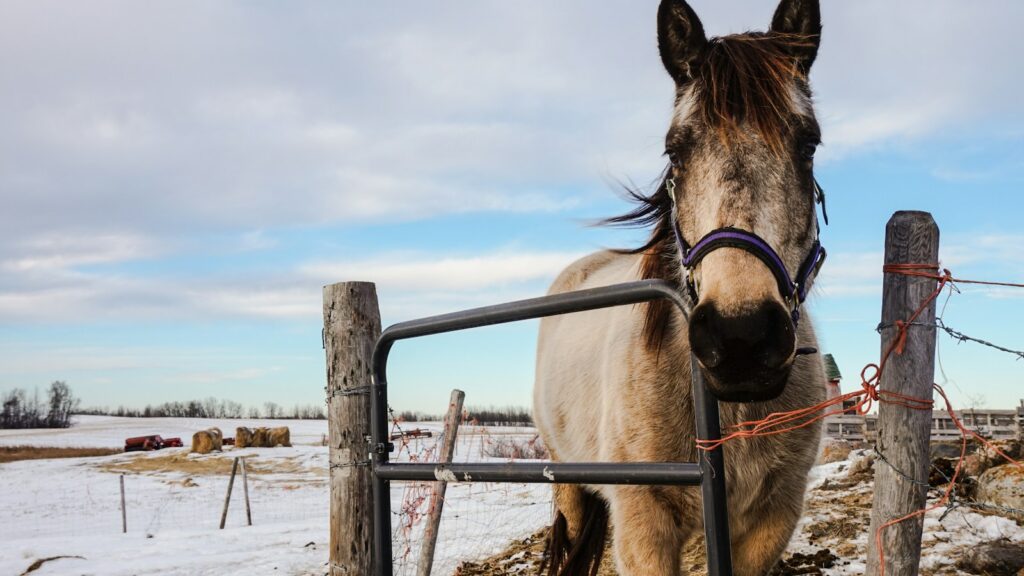
The rehabilitation environment plays a critical role in a neglected horse’s recovery journey. Provide a quiet, consistent space with appropriate shelter, clean water, and quality feed available according to the veterinarian’s recommendations. Minimize unnecessary stressors by establishing regular routines that the horse can anticipate, creating predictability in a world that may have previously been chaotic and threatening. Introduce new experiences gradually, always watching for signs of stress or overwhelm that indicate you need to scale back. When possible, appropriate equine companionship can provide comfort and security for neglected horses, though introductions should be managed carefully to prevent injury or additional stress. The ideal recovery environment balances necessary medical interventions with respect for the horse’s need to engage in natural behaviors like grazing, movement, and socialization.
Developing a Structured Nutrition Plan
Rehabilitating a malnourished horse requires a carefully calibrated nutrition plan developed in consultation with an equine veterinarian and possibly an equine nutritionist. The initial phase must address immediate deficiencies while avoiding the dangers of refeeding syndrome, which can occur when starved horses receive too much food too quickly. Begin with small, frequent meals of easily digestible feeds like high-quality hay (soaked if necessary), gradually increasing amounts as the horse’s digestive system adjusts. Specialized senior feeds or complete feeds may be appropriate for horses with dental issues that prevent normal forage consumption. Supplements should be introduced strategically to address specific deficiencies identified through veterinary testing rather than indiscriminately. Document feed amounts, changes, and the horse’s response meticulously to inform ongoing adjustments to the nutrition plan.
Establishing Trust Through Consistent Handling
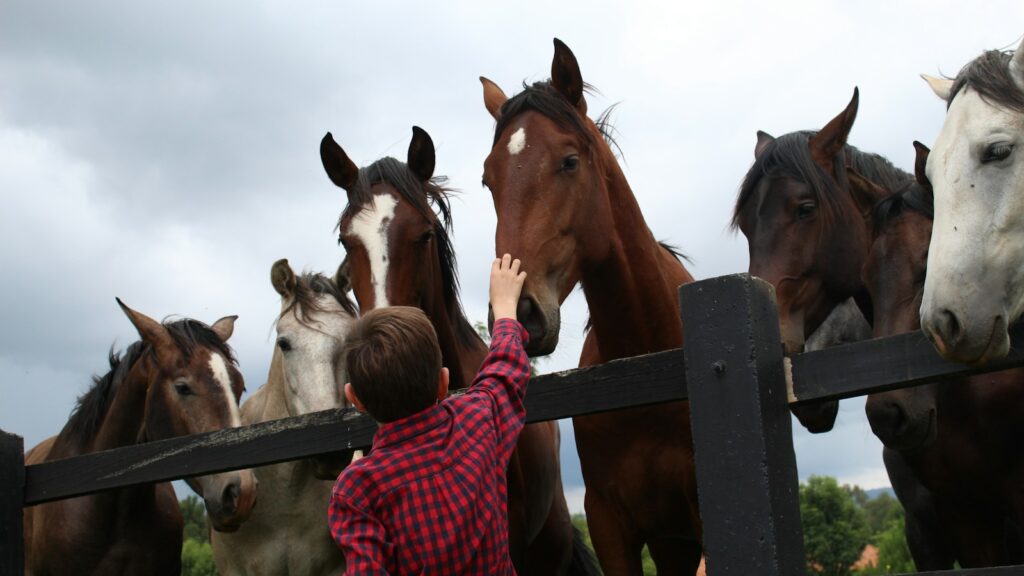
Building trust with a neglected horse begins with consistent, predictable handling that prioritizes the horse’s comfort and security. Start with brief, positive interactions that don’t overwhelm the horse, gradually increasing duration as the horse shows signs of relaxation and engagement. Use the same approach sequence consistently—for example, always approach from the same angle, speak softly before touching, and begin physical contact on the same area of the body where the horse seems most comfortable. Avoid forcing interactions or “flooding” the horse with frightening stimuli in an attempt to desensitize quickly, as this typically backfires and reinforces fear responses. Progress should be measured by the horse’s willingness to engage rather than by arbitrary timelines, with some horses requiring months of patient consistency before significant breakthroughs in trust occur.
Addressing Physical Health Issues Common in Neglected Horses
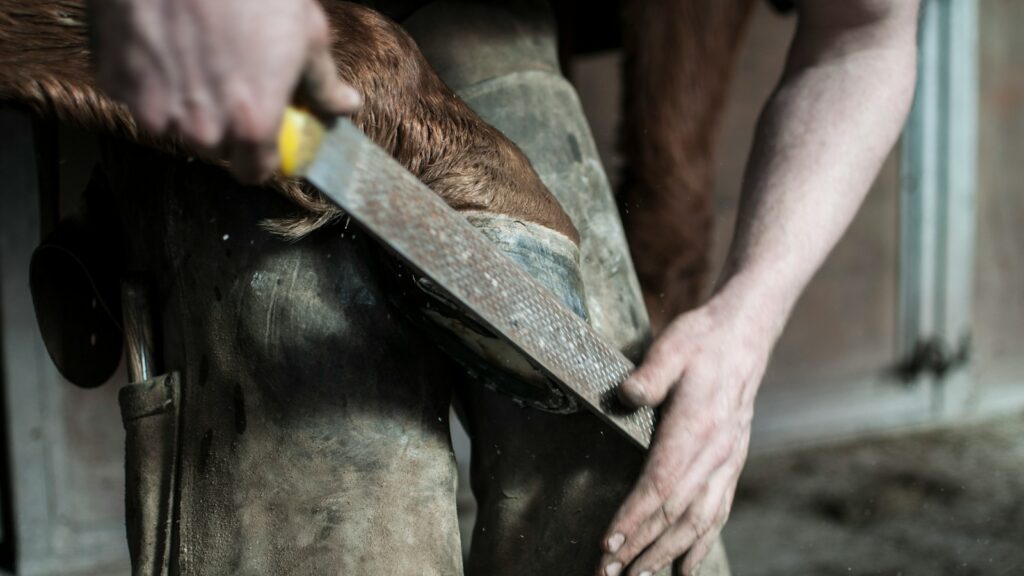
Neglected horses typically present with a constellation of physical health issues that require systematic attention during rehabilitation. Hoof neglect often manifests as overgrown hooves, thrush, or more serious conditions like founder or laminitis, requiring careful trimming schedules and possibly therapeutic shoeing under farrier and veterinary guidance. Dental issues such as sharp points, wave mouth, or broken teeth can severely impact eating ability and require regular dental care throughout recovery. Parasite burdens are almost universal in neglected horses and should be addressed through strategic deworming programs designed for heavy infestations. Skin conditions—including rain rot, scratches, or extensive fungal infections—often require medicated baths, topical treatments, and environmental management to resolve fully. Each of these physical issues not only causes discomfort but can significantly hinder the horse’s overall rehabilitation progress if not properly addressed.
Implementing Positive Reinforcement Training Techniques
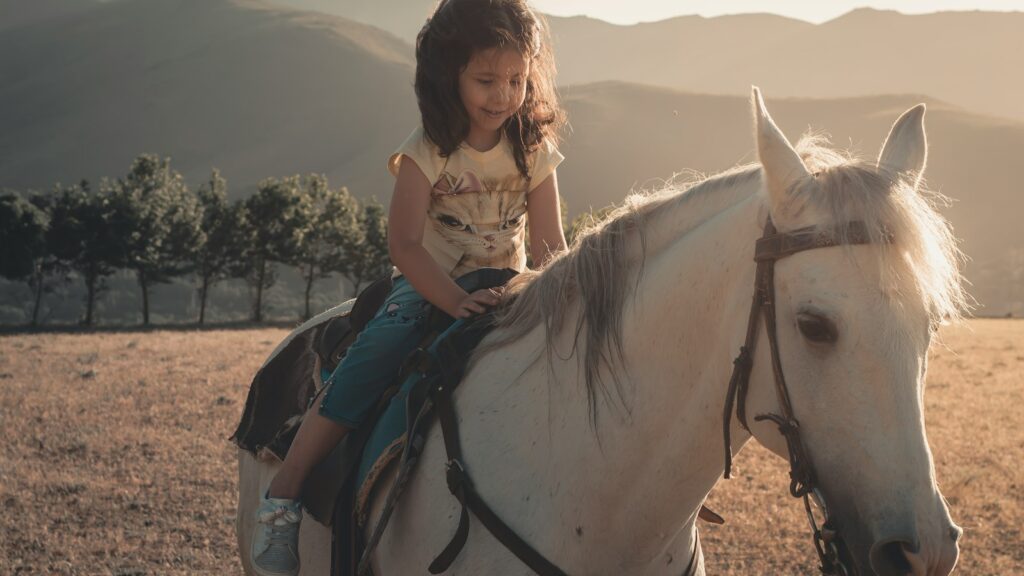
Positive reinforcement training offers particularly valuable tools for rehabilitating neglected horses by creating clear communication and rewarding desired behaviors rather than punishing unwanted ones. Begin with basic target training, where the horse learns to touch a specific object (like a traffic cone or target stick) to earn a reward, establishing the concept that their choices can lead to positive outcomes. Clicker training can be especially effective, as the distinctive sound creates a clear marker for exactly which behavior earned the reward. Progress gradually to teaching basic handling skills like haltering, leading, and standing for grooming, always breaking tasks into small approximations that build confidence. This approach helps neglected horses learn that humans can be predictable and fair, creating a foundation for more advanced training as rehabilitation progresses.
Recognizing and Addressing Fear-Based Behaviors
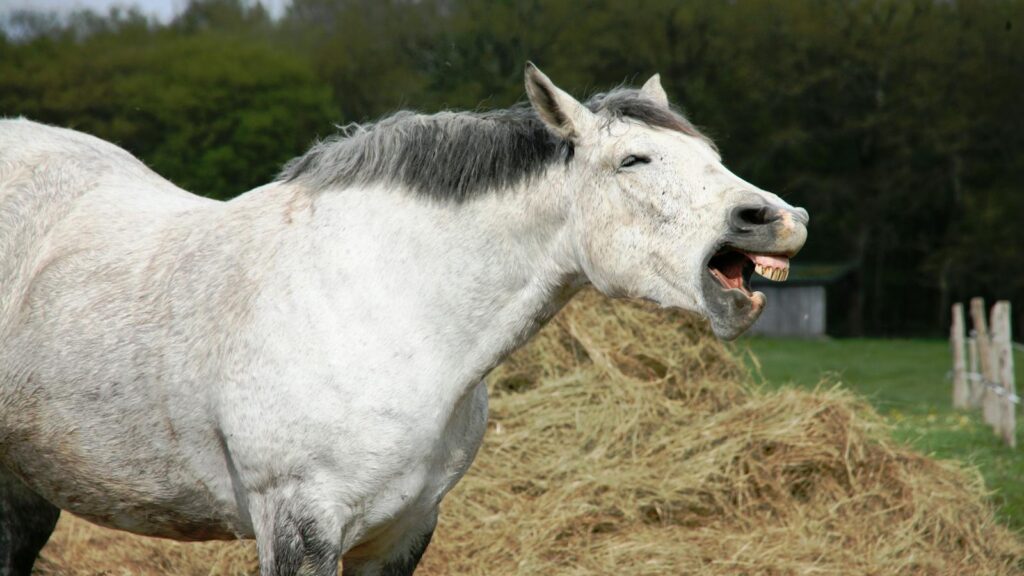
Fear-based behaviors in neglected horses range from obvious reactions like bolting or rearing to more subtle signs like muscle tension, eye widening, or freezing. Learning to recognize these indicators before they escalate allows handlers to adjust their approach before pushing the horse beyond its comfort threshold. When addressing specific fears, systematic desensitization involves introducing the triggering stimulus at a level so low it doesn’t provoke fear, then gradually increasing intensity as the horse demonstrates comfort. For instance, a horse fearful of whips might first be shown one at a distance while receiving positive reinforcement, with the distance gradually decreased over multiple sessions. Counter-conditioning pairs potentially frightening experiences with something pleasant, transforming negative associations into positive ones over time. Both techniques require extreme patience and consistency but can transform even deeply entrenched fear responses.
Managing Weight Gain and Physical Rehabilitation
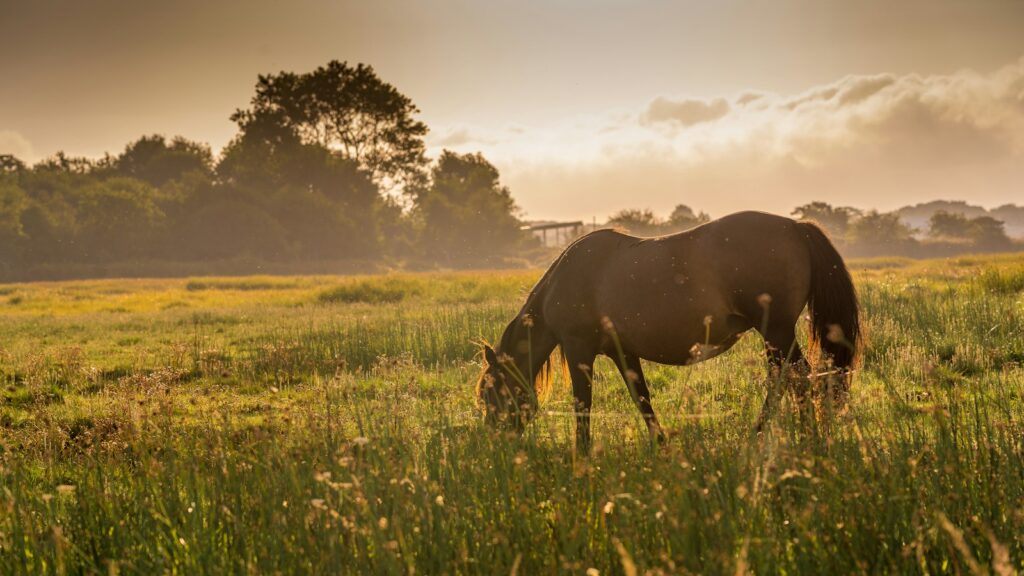
Healthy weight gain in severely undernourished horses must be approached methodically to prevent metabolic complications or excessive strain on weakened muscles and joints. Work closely with your veterinarian to establish target weight goals and realistic timelines, typically aiming for no more than 1-2% body weight gain per week. Implement a structured physical conditioning program that begins with gentle movement appropriate to the horse’s condition—this might initially mean simply hand-walking for a few minutes daily or supervised turnout in a small paddock. Gradually increase exercise duration and intensity as fitness improves, monitoring vital signs and recovery times to prevent overtaxing the horse. Document body condition scores regularly using both the Henneke scale and weight tape measurements, supplemented by photographs from consistent angles to visually track changes over time. Remember that muscle development typically lags behind fat deposition, so a horse may reach an appropriate weight while still requiring significant time to develop proper muscling and topline.
Socializing with Other Horses and Humans
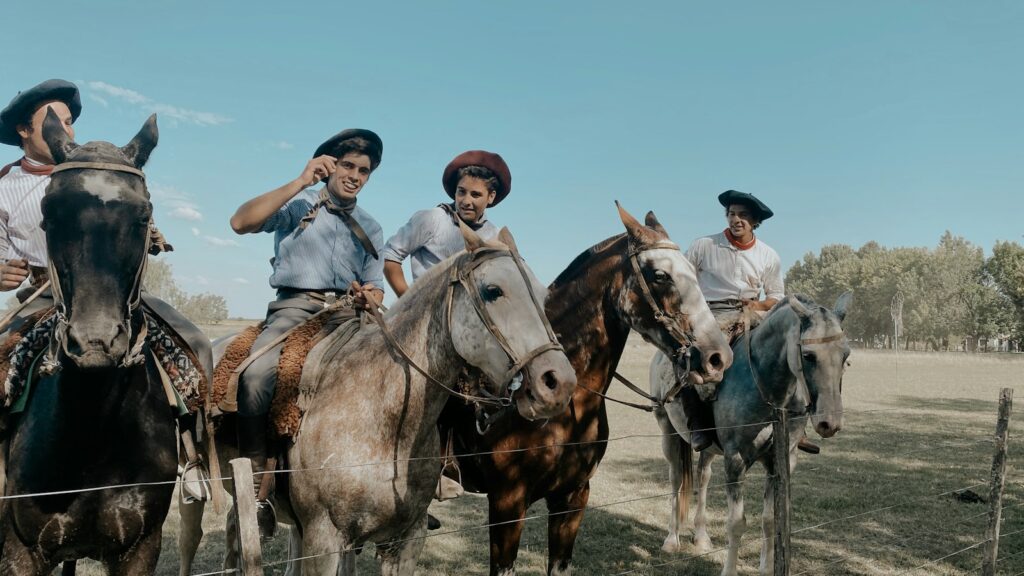
Equine social needs remain essential even during rehabilitation, though neglected horses may have developed abnormal social behaviors or anxieties. When introducing a rehabilitating horse to potential companions, start with controlled interactions like adjacent stalls or paddocks with safe fencing that allows visual and limited physical contact without risk of injury. Select initial companions carefully, ideally choosing calm, well-socialized horses that won’t respond aggressively to potentially inappropriate social behaviors from the recovering horse. For horses fearful of humans, consider having multiple caregivers perform routine tasks to prevent the horse from becoming overly attached to a single person. Group training sessions where the neglected horse can observe other horses being handled calmly can provide valuable learning opportunities through social facilitation, demonstrating that human interactions can be safe and predictable.
Addressing Special Challenges in Formerly Feral Horses
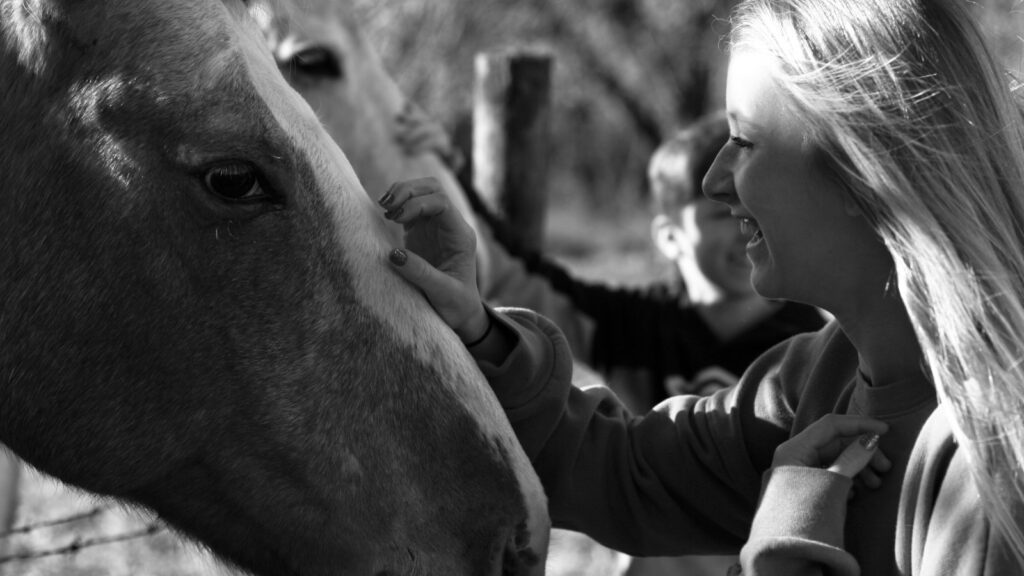
Rehabilitating neglected horses with minimal prior human contact presents unique challenges that require specialized approaches. These horses often lack fundamental concepts about human-horse interactions and may perceive all human activity as potentially threatening. Begin rehabilitation by respecting the horse’s need for personal space, working initially at a distance using protected contact methods where barriers prevent the horse from feeling trapped or cornered. Focus first on habituating the horse to human presence without demands, simply spending quiet time near their enclosure engaged in non-threatening activities. Utilize the horse’s natural curiosity by allowing them to approach on their terms rather than forcing interactions. Social modeling with well-adjusted domestic horses can accelerate progress, as formerly feral horses often learn appropriate responses to humans by observing herd mates. Expect progress to follow an uneven trajectory with breakthrough moments interspersed with apparent setbacks, particularly during major transitions in the rehabilitation process.
Preparing for Long-Term Care and Placement
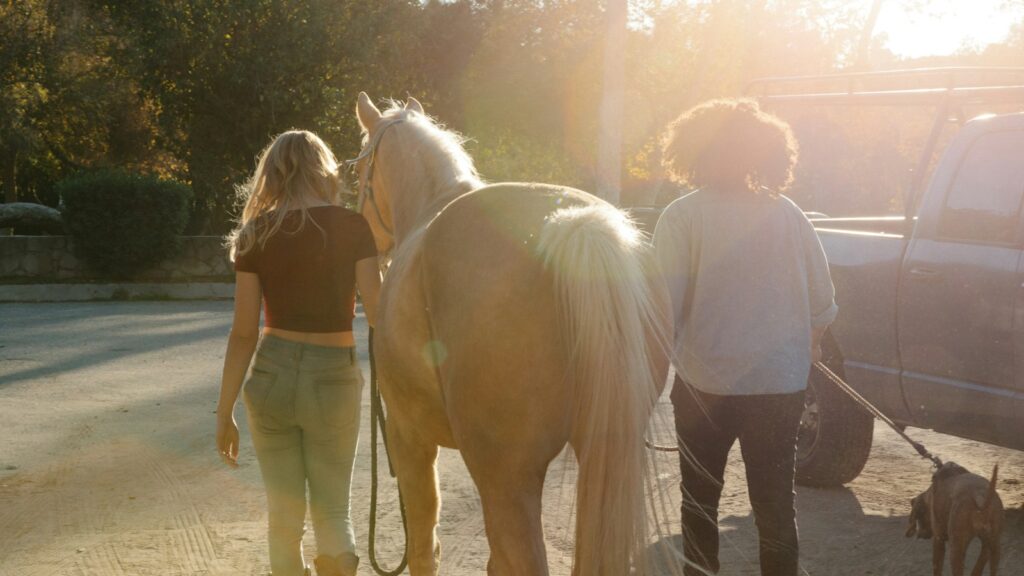
Successful rehabilitation extends beyond immediate recovery to planning for appropriate long-term care or placement. Create detailed documentation of the horse’s history, rehabilitation progress, current management requirements, and any ongoing special needs to ensure continuity of care. Evaluate the horse’s temperament, training level, and physical capabilities honestly to determine suitable future roles—while many rehabilitated horses can become wonderful riding or driving partners, others may be better suited as companions or limited-use horses. If considering adoption placement, develop a thorough screening process for potential adopters that includes experience requirements, facility inspections, and contractual agreements for follow-up monitoring. For horses with chronic health conditions resulting from neglect, establish realistic cost projections and management plans to prepare adopters or long-term caregivers for ongoing needs. The goal should always be finding a situation where the horse’s specific needs can be consistently met without risking future neglect or inappropriate use.
Celebrating Milestones and Managing Expectations

The rehabilitation journey contains both remarkable breakthroughs and disappointing plateaus, making it essential to celebrate meaningful milestones while maintaining realistic expectations. Document and acknowledge seemingly small victories—the first time a fearful horse approaches voluntarily, the day a severely underweight horse reaches a healthy body condition score, or the moment a previously head-shy horse accepts a halter calmly. These incremental improvements collectively represent extraordinary progress, even when the overall rehabilitation timeline feels frustratingly slow. Simultaneously, accept that some horses may never fully overcome certain psychological or physical limitations resulting from severe or prolonged neglect. Focus on quality of life improvements rather than comparing progress to idealized expectations or to other rehabilitation cases. The true measure of success lies not in achieving perfect restoration but in transforming suffering into comfort, fear into trust, and deprivation into sufficiency—giving each horse the opportunity to experience security, appropriate care, and dignity for whatever life remains ahead.
conclusion
Rehabilitating neglected horses represents a profound commitment to animal welfare that demands patience, knowledge, and emotional resilience. The journey rarely follows a linear path, instead winding through progressive improvements, unexpected challenges, and transformative moments of connection. By approaching each case with a comprehensive understanding of both physical and psychological rehabilitation principles, caregivers can help these remarkable animals overcome their traumatic pasts. The rewards—witnessing a once-fearful horse offer trust, seeing hollow frames fill out into healthy bodies, and ultimately providing second chances at dignified lives—far outweigh the inevitable challenges along the way. Through thoughtful, consistent care and boundless patience, we honor these horses’ inherent worth and remarkable capacity for healing, even after experiencing the worst of human negligence.