In the quiet corners of stables and the vast stretches of rescue ranches across the world, remarkable stories of equine resilience unfold every day. Horses, these magnificent creatures who have partnered with humans throughout history, sometimes find themselves abandoned, neglected, or abused – victims of circumstance, economic hardship, or human cruelty. Yet within these dark beginnings lie the most luminous tales of hope, compassion, and second chances. The equine rescue community represents a special breed of dedicated individuals who work tirelessly to save horses from dire situations and give them new lives filled with dignity and care. These stories not only highlight the incredible bond between humans and horses but also demonstrate the extraordinary capacity for healing and forgiveness that horses possess. Let’s explore some of the most heart-stirring rescue stories that have touched hearts around the equestrian world.
The Miracle of Snowman: From Slaughterhouse to Show Jumping Star
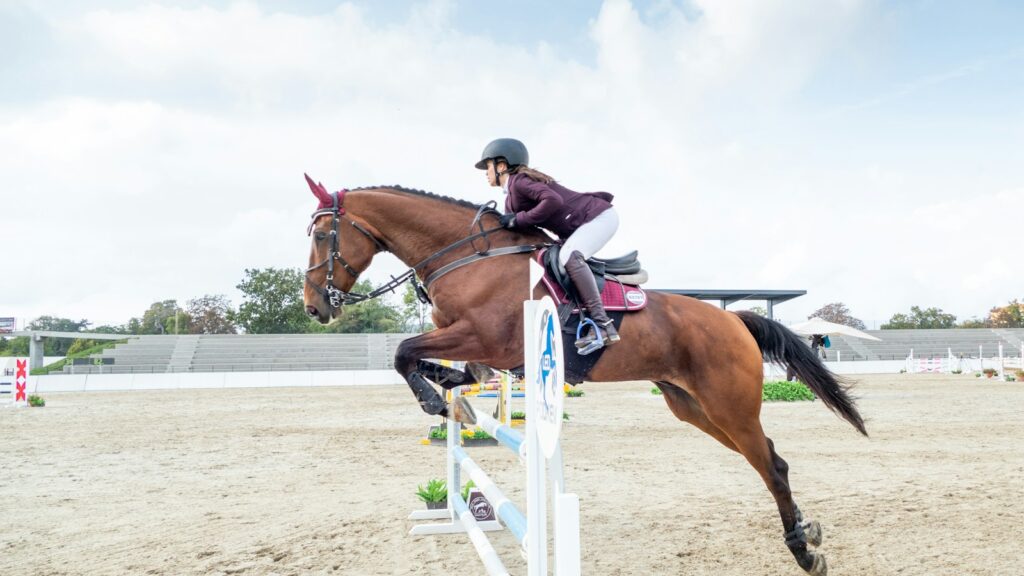
Perhaps one of the most legendary rescue stories in equine history is that of Snowman, who rose from obscurity to become a national show jumping champion in the 1950s. Dutch immigrant Harry de Leyer purchased the plain gray gelding for $80 from a truck bound for the slaughterhouse, seeing something special in the horse’s kind eye. After selling Snowman to a neighbor, Harry was astonished when the horse repeatedly jumped fences to return home, revealing an extraordinary jumping talent. Their partnership led to Snowman becoming a two-time American Horse Shows Association Horse of the Year and National Show Jumping Champion, earning him the nickname “The Cinderella Horse.” Snowman’s rags-to-riches story not only captivated America but also demonstrated how a discarded horse, when given a chance, could achieve greatness that no one could have predicted.
Sassy’s Journey: From Starvation to Sanctuary Ambassador
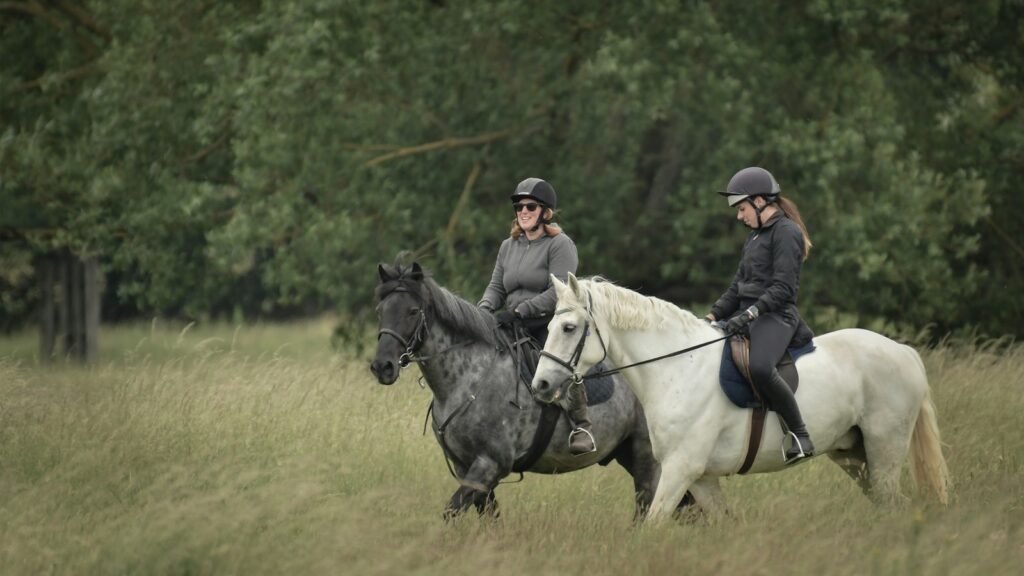
When rescuers found Sassy, the emaciated mare could barely stand, with a body condition score of just 1 out of 9 and wounds covering her frail body. Veterinarians were skeptical about her chances of survival, but the dedicated team at Blue Ridge Horse Rescue refused to give up on her. Through months of careful rehabilitation, specialized nutrition, and gentle medical care, Sassy gradually regained her strength and began to trust humans again despite her traumatic past. Today, Sassy serves as an ambassador at the sanctuary, helping educate visitors about horse neglect and the importance of responsible ownership. Her gentle nature with children and other rescued animals has made her the heart of the sanctuary’s educational programs, transforming her painful history into a powerful tool for advocacy and awareness.
Phoenix: Rising from the Flames of Abuse
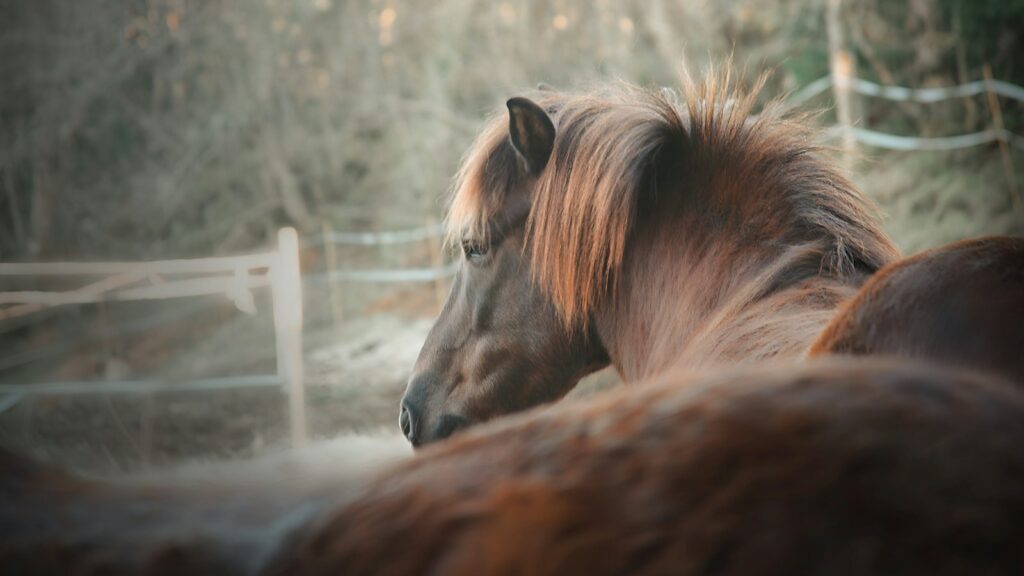
Phoenix earned his name through his remarkable recovery from one of the worst cases of deliberate burn injuries ever documented in the equine rescue world. Found abandoned with chemical burns covering nearly 40% of his body, this young gelding’s will to live touched everyone involved in his rescue. A team of veterinary specialists from Cornell University’s equine hospital collaborated with a local rescue to develop an innovative treatment plan involving specialized bandaging techniques, skin grafts, and pain management protocols that have since been adopted for other severe equine burn cases. Phoenix’s recovery spanned nearly two years, during which he never lost his gentle spirit despite enduring treatments that would have broken many animals. Now fully healed and adopted by one of his veterinary nurses, Phoenix participates in programs helping human burn survivors find healing through equine therapy, creating a beautiful circle of recovery and hope.
Warrior: The Racehorse Redeemed
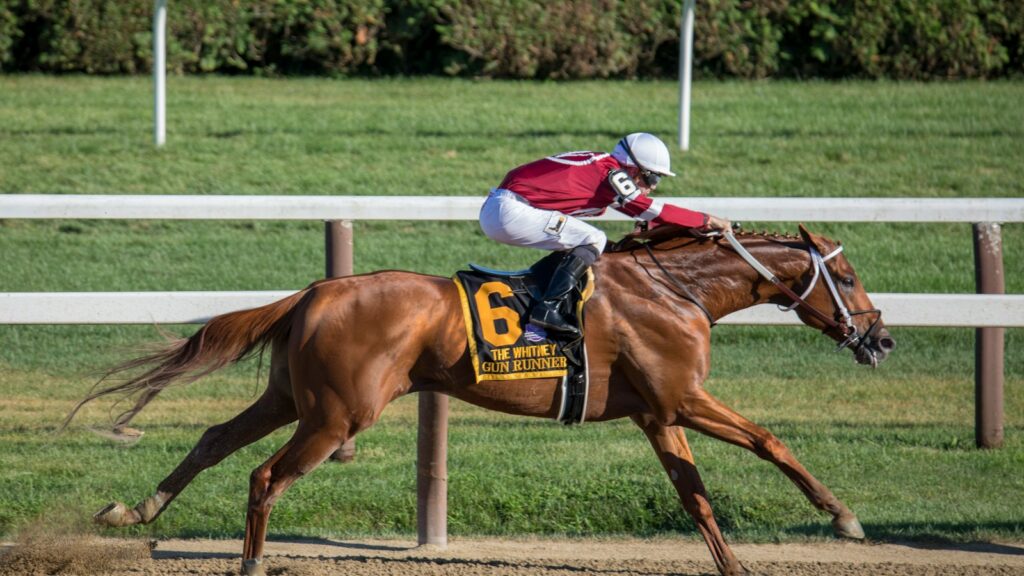
Warrior’s story illustrates the dark side of the racing industry and the power of second chances. After a moderately successful track career, this Thoroughbred gelding disappeared into the slaughter pipeline when his racing days ended. A chance photograph posted by a kill pen observer caught the attention of his former groom, who recognized the distinctive star on his forehead. Within 48 hours, a network of ex-racing professionals had raised funds, coordinated transport, and secured Warrior’s release just hours before he was scheduled for shipping to slaughter. The rehabilitation process revealed multiple untreated injuries that had likely contributed to his declining performance and subsequent discarding by his owners. Through specialized rehabilitation at Thoroughbred Aftercare Alliance, Warrior overcame his physical and psychological trauma, eventually becoming an accomplished dressage competitor with his adoptive owner. His story sparked important conversations about racing industry responsibility and contributed to the strengthening of aftercare requirements at several major tracks.
Hope’s Legacy: The Mare Who Saved Others
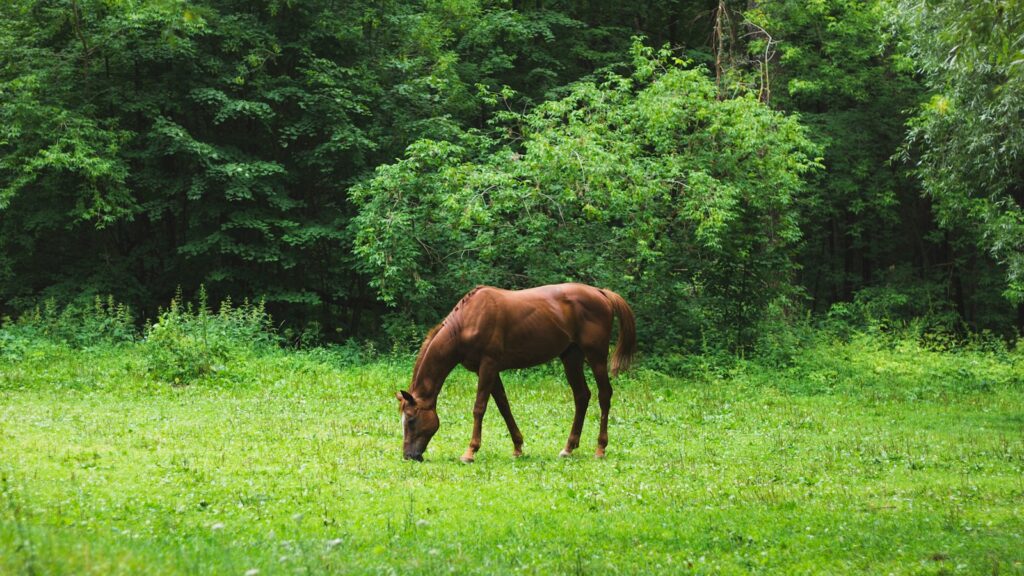
Hope was discovered during a large-scale neglect case involving over 30 horses kept in deplorable conditions on a failed breeding farm. Despite her own severe malnutrition and pregnant state, rescuers noticed how the dapple gray mare consistently positioned herself between humans and the weaker horses, displaying remarkable protective behavior. After being rescued and delivering a healthy foal against all odds, veterinarians discovered Hope had been protecting these horses while suffering from a potentially fatal intestinal impaction herself. Her remarkable recovery and gentle disposition caught the attention of a police department searching for a new mounted patrol horse. After specialized training, Hope became the first rescue horse in her state to serve as a police mount, breaking stereotypes about rescue horses’ capabilities. Her story led to a documentary that raised awareness about horse neglect and inspired a matching fund that has since helped rescue over 200 horses from similar situations.
Shadow: From Wildfire Survivor to Therapy Horse
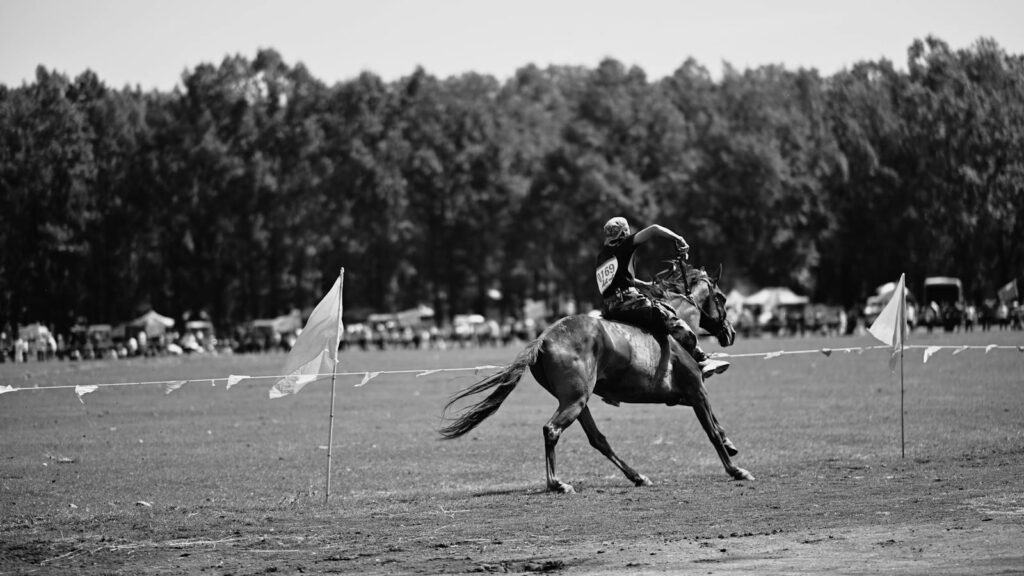
When devastating wildfires swept through California’s equestrian communities in 2018, many horses perished or were severely injured, including a black gelding later named Shadow. Found wandering with third-degree burns and smoke inhalation damage, his owners were never identified amid the chaos of the natural disaster. A specialized equine burn treatment team took on his case, pioneering new approaches to managing extensive burn wounds in horses that have since helped countless other animals. After a year of intensive care, Shadow’s physical recovery was remarkable, but the emotional trauma of his experience left him extremely fearful and difficult to handle. Enter Miranda, a therapist specializing in equine-assisted therapy for PTSD sufferers, who recognized something special in the traumatized horse. In a beautiful twist of fate, Shadow became a breakthrough therapy horse for firefighters suffering from PTSD, creating an extraordinary healing partnership between the fire survivors and the horse who understood their trauma.
The Forgotten Mares of PMU Farms
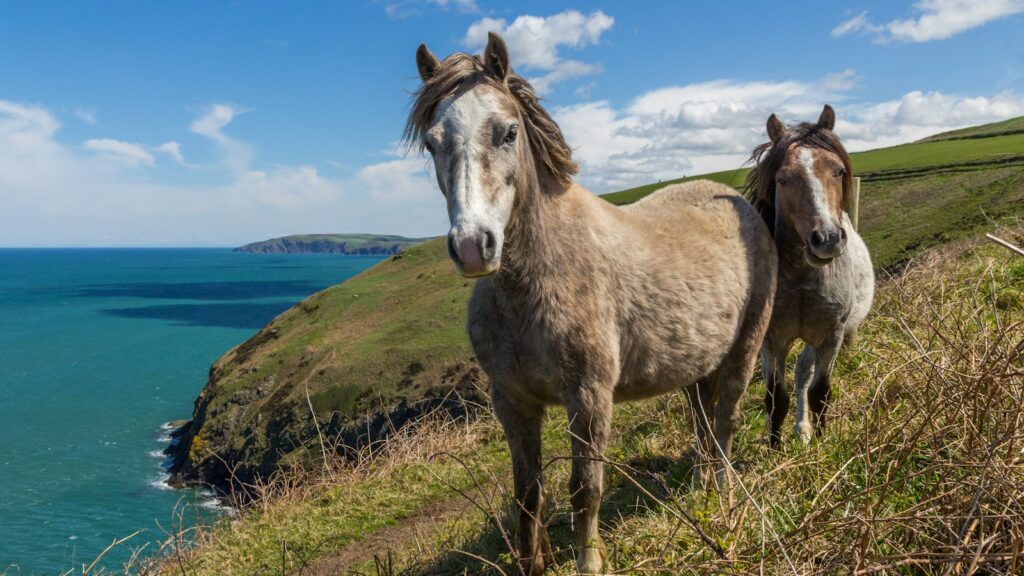
One of the largest organized rescue efforts in equine history centered around the thousands of mares used in Pregnant Mare Urine (PMU) farms, facilities that collected urine from pregnant mares to produce hormone replacement medications. When medical research in the early 2000s raised concerns about these medications, demand plummeted, leaving thousands of mares and their foals suddenly destined for slaughter. Rescue organizations mobilized across North America in an unprecedented coordination effort, creating networks to rehome these horses often referred to as “the forgotten mares.” Many of these horses, primarily draft crosses bred for their high urine output, had never been handled or trained for riding. Organizations like the Equine Protection Network developed specialized training protocols for these traumatized mares, many of whom had spent years confined in tiny stalls with urine collection devices attached to their bodies. The successful rehabilitation and placement of thousands of these mares represents one of the largest coordinated rescue efforts in equine welfare history, and many of these horses went on to become cherished companions, therapy horses, and even competition athletes.
Bella’s Battle: Overcoming Horrific Neglect
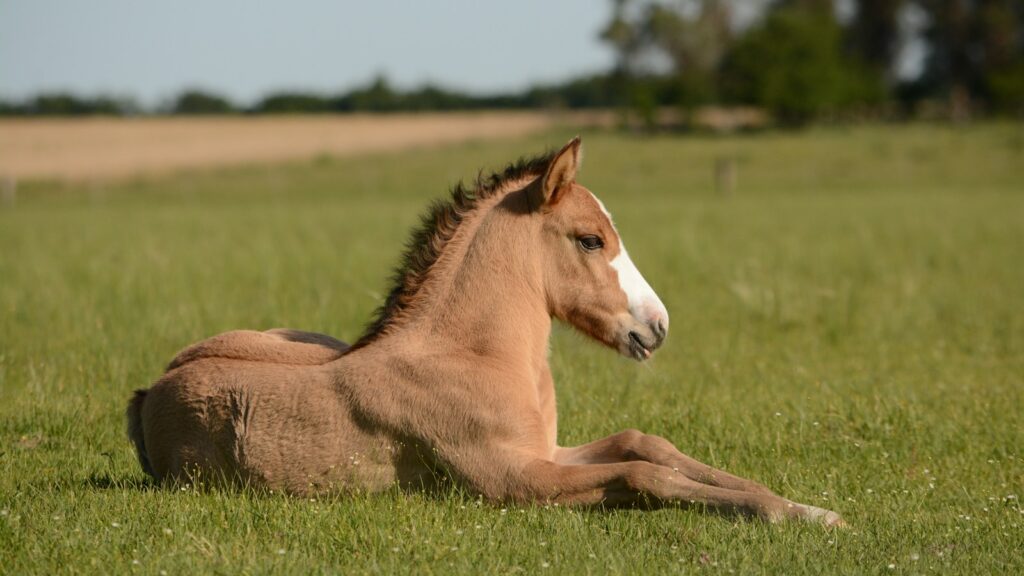
When animal control officers seized Bella from a property following numerous complaints, they were shocked by the appalling conditions they found. The Appaloosa mare was standing in a stall filled with three feet of manure, her hooves grown so long and misshapen that she could barely move, and her body score critically low at just 1.5 out of 9. The most heartbreaking aspect was discovering she had been kept in these conditions for over five years, completely isolated from other horses and with minimal human contact. Radiographs revealed severe rotation in her coffin bones from untreated laminitis, and many veterinarians recommended euthanasia as the humane option. However, farrier James Elliott, known for his work with severe founder cases, believed Bella deserved a chance and developed a specialized trimming and shoeing protocol for her. Through pain management, specialized nutrition, and innovative hoof rehabilitation, Bella made a remarkable recovery over 18 months. Today, while she cannot be ridden, she lives pain-free as an ambassador horse at an educational sanctuary, where her gentle nature and forgiveness of humans despite her suffering provides powerful lessons in resilience.
Sergeant Major: The War Horse Who Came Home
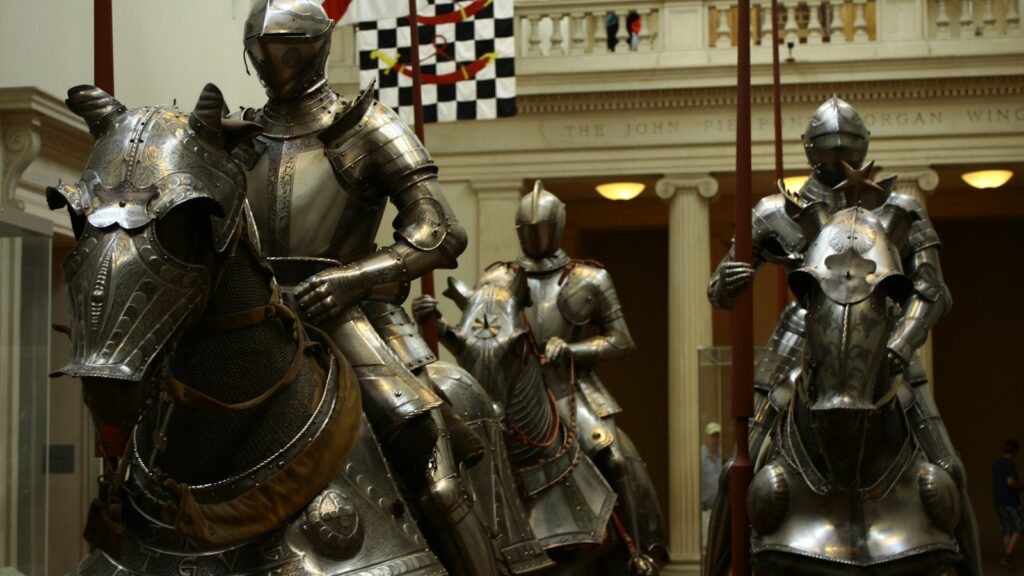
In the mountains of Afghanistan, American soldiers were shocked to discover a malnourished horse being used to transport heavy artillery over treacherous terrain, covered in harness wounds and suffering from untreated battle injuries. The soldiers named him Sergeant Major and began treating his wounds during their deployment, forming a deep bond with the resilient animal. When their tour ended, they couldn’t bear to leave him behind to return to abuse. Through collaboration with international equine welfare organization Brooke USA and significant diplomatic efforts, they managed to evacuate Sergeant Major to America – one of very few horses ever to make such a journey from a war zone. After quarantine and rehabilitation, Sergeant Major found his forever home with a retired military veteran suffering from PTSD. Their shared experiences of war trauma created a unique healing bond, and together they now visit veterans’ centers where Sergeant Major’s calm presence helps soldiers process their own war experiences. His remarkable journey from war zone to therapy horse demonstrates the extraordinary lengths rescuers will go to save a special horse.
Glory’s Rebirth: From Nurse Mare Foal to Champion
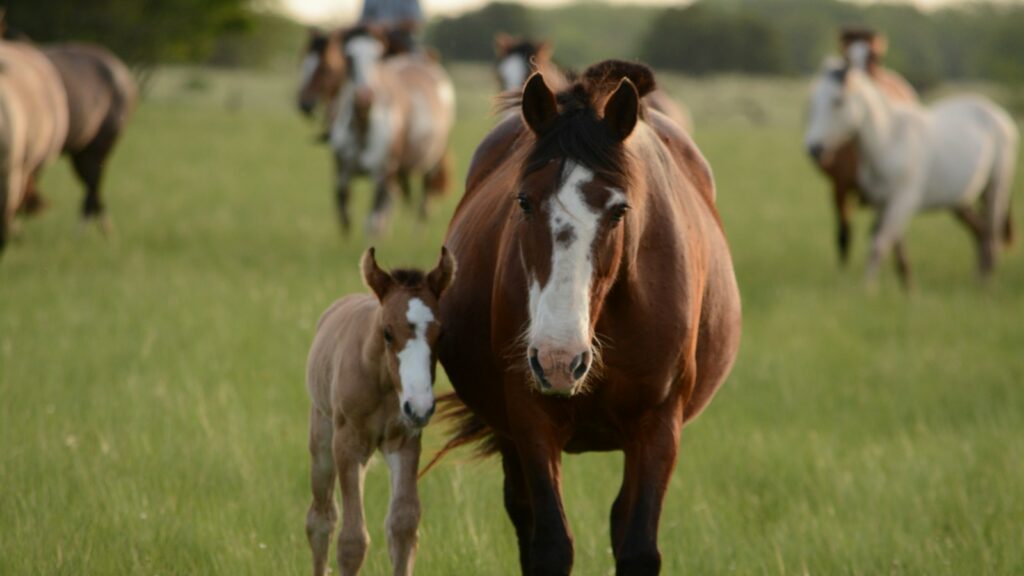
The practice of breeding “nurse mares” solely to produce milk for valuable foals, while their own foals are often discarded as unwanted byproducts, represents one of the equine industry’s most heartbreaking realities. Glory was one such nurse mare foal, separated from her mother at just days old and left to die until a specialized rescue took her in. These organizations use intensive care protocols to hand-raise these fragile orphans, often using goat milk and round-the-clock feeding schedules. Glory’s rescuers noted her exceptional movement and conformation even as a wobbling orphan foal drinking from a bucket. Years later, that evaluation proved prescient when Glory, partnered with an ambitious young rider who believed in second chances, qualified for the USDF Regional Championships in dressage. Their victory at the championship level made headlines not just for the athletic achievement but for demonstrating how “throwaway” horses can reach exceptional heights when given opportunity. Glory’s success inspired her owner to establish a scholarship program specifically for riders partnered with rescue horses, creating opportunities for more equine rehabilitation success stories.
Operation Gelding: Saving the Unwanted Stallions
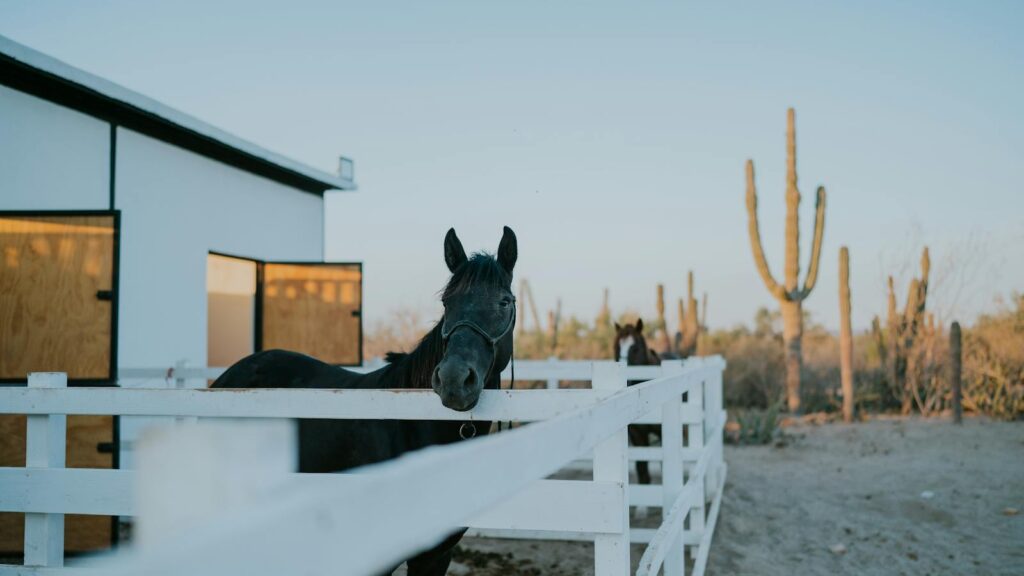
When economic hardship hit rural communities particularly hard during the 2008 recession, hundreds of stallions were abandoned or surrendered as owners could no longer afford their care. Unlike mares or geldings, intact stallions present special challenges for rescues – they require separate housing, specialized handling, and often carry behavioral issues from improper management. The Unwanted Horse Coalition launched “Operation Gelding,” a pioneering program providing free castration clinics across the country, transforming dangerous, unwanted stallions into adoptable geldings. One remarkable beneficiary was Dominion, a once-valuable breeding stallion abandoned at a foreclosed property and found nearly starved, aggressive from isolation and hunger. After emergency care and gelding through the program, his transformation was remarkable – his aggressive behavior disappeared, allowing his natural intelligence and athletic ability to shine. Eventually adopted by an eventing rider, the former stallion went on to compete successfully at preliminary level eventing, his distinctive breeding still evident in his talent and movement. The program has since gelded over 3,000 stallions, significantly reducing the population of unwanted horses while giving these individuals a chance at new lives as riding partners.
Patience: The Mare Who Waited 15 Years
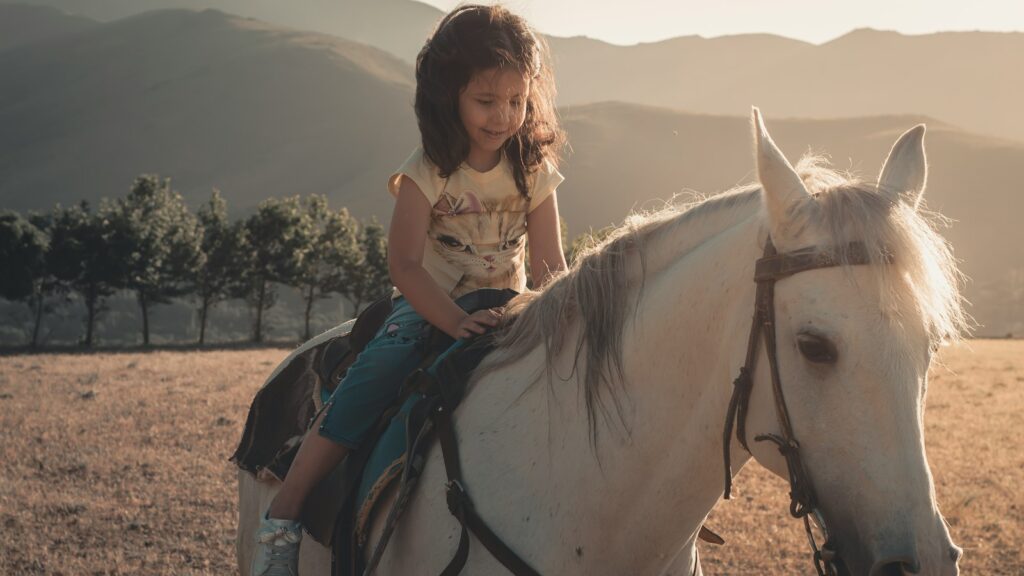
Rescue organizations sometimes encounter cases of horses who seem to be perpetually overlooked for adoption despite years of rehabilitation and training. Patience, an ordinary-looking bay mare rescued from slaughter, became known as the mare who waited, spending an astonishing 15 years at a rescue facility while hundreds of other horses came and went to adoptive homes. Nothing was wrong with Patience – she was sound, well-trained, and had a pleasant disposition – but she lacked the flashy appearance or special talents that often attract adopters. Her long-term presence at the rescue became something of a legend in the horse community, with volunteers affectionately calling her “the facility manager” as she helped introduce new rescues to sanctuary life. After her story was featured in a local newspaper’s “longest-wait shelter animals” feature, something remarkable happened – a letter arrived from a woman in her 80s who had been searching for decades for a horse she had bred and sold as a youngster. Through distinctive markings and DNA testing, Patience was confirmed to be that long-lost horse, leading to a reunion that brought tears to everyone involved. Though her original breeder could no longer care for a horse, her grandson adopted Patience, closing a 19-year circle and demonstrating that sometimes the perfect home is worth waiting for.
The Healing Power of Equine Rescue: More Than Just Saving Horses
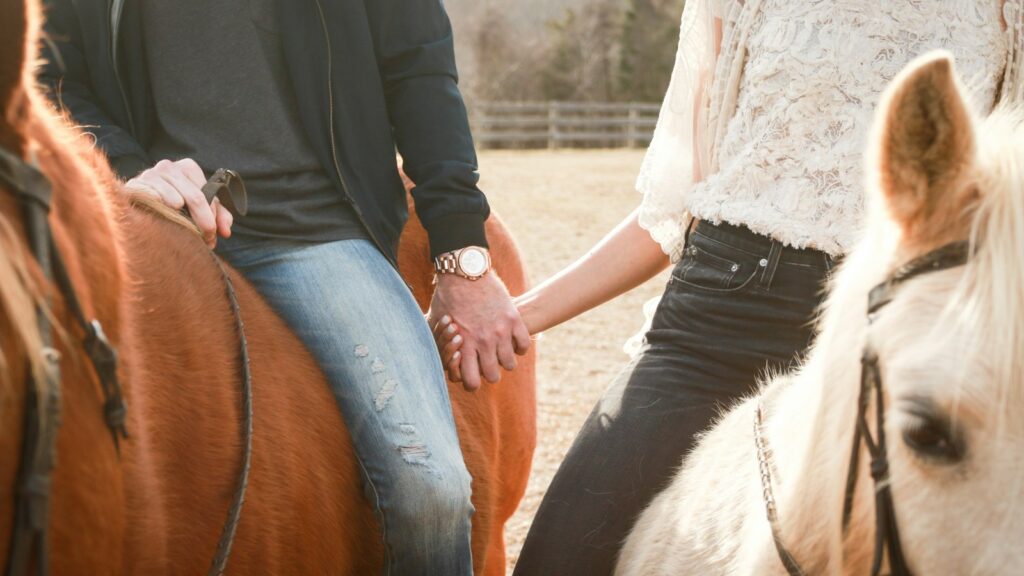
The impact of horse rescue extends far beyond saving individual animals – it creates profound healing opportunities for humans as well. Across the country, innovative programs partner rescued horses with veterans suffering from PTSD, at-risk youth, prison inmates working toward rehabilitation, and survivors of domestic violence. These partnerships work because rescued horses understand trauma in ways that humans cannot always articulate. At facilities like Horses Healing Hearts in Florida, formerly abused horses work with children from homes affected by addiction, creating powerful healing connections as horse and child recognize their shared experiences of fear and recovery. Research increasingly supports the effectiveness of these interventions, with studies showing significant improvements in PTSD symptoms, decreased depression, and enhanced emotional regulation among participants working with rescued equines. The journey from rescue to therapy horse represents a beautiful transformation of suffering into purpose, as these horses’ difficult pasts become their greatest gift in helping humans navigate their own healing journeys.
Conclusion
The world of equine rescue is filled with stories that demonstrate the remarkable resilience of horses and the dedicated humans who save them. From celebrities like Snowman who reached the highest levels of competition to humble therapy horses who heal wounded hearts, these rescue stories remind us of the extraordinary second acts possible when compassion meets opportunity. What makes these stories particularly powerful is the horses’ capacity for forgiveness – despite suffering neglect or abuse at human hands, they remain willing to trust again, to form new bonds, and to share their healing journey with us. In saving these horses, rescuers often discover something profound: that in the process of rehabilitating a broken spirit, their own lives are transformed as well. These inspiring tales of equine rescue do more than just document survival against odds; they celebrate the enduring partnership between humans and horses that has defined both species for thousands of years – a partnership built on mutual respect, trust, and the possibility of beginning again.