
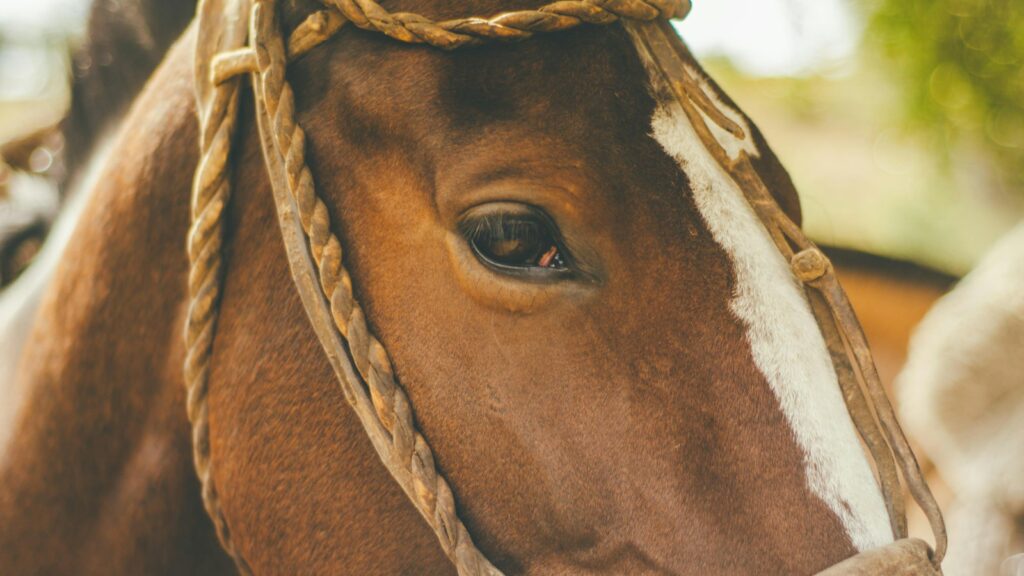
As the frost melts away and spring blooms emerge, horse owners worldwide prepare for a beautiful yet challenging season. Spring brings renewal and vitality, but for many horses, it also triggers a variety of allergic reactions that can impact their health and performance. Equine allergies during spring months can manifest in numerous ways, from respiratory issues to skin irritations, creating discomfort for these majestic animals. Understanding how to effectively manage these seasonal challenges is essential for maintaining your horse’s wellbeing and enjoyment during this otherwise pleasant time of year. This comprehensive guide will walk you through practical strategies to identify, prevent, and treat spring allergies in horses, ensuring your equine companion thrives throughout the season.
Understanding Equine Allergies: The Science Behind Seasonal Reactions
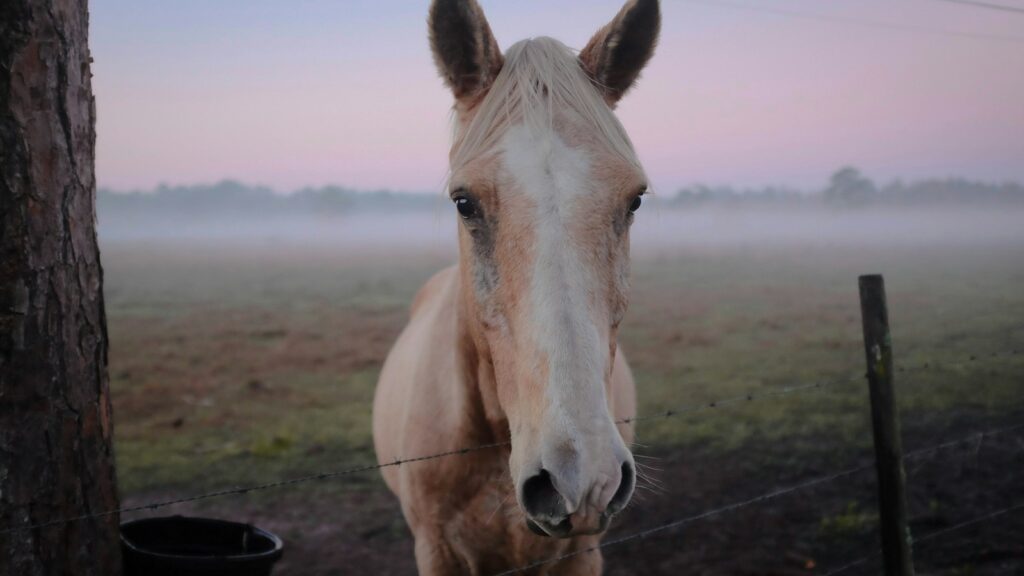
Equine allergies occur when a horse’s immune system overreacts to normally harmless substances in the environment, known as allergens. During spring, pollen from trees, grasses, and flowering plants becomes airborne in high concentrations, creating a perfect storm for allergic reactions. When these allergens enter a horse’s respiratory system or contact their skin, the immune system produces antibodies that trigger the release of inflammatory chemicals like histamine. This inflammatory response manifests as the typical allergy symptoms we observe in affected horses. Interestingly, horses can develop allergies at any age, and some breeds appear to have genetic predispositions to certain allergic conditions. Understanding this biological mechanism helps owners recognize that allergies aren’t simply an inconvenience but a genuine medical condition requiring proper management and occasional veterinary intervention.
Recognizing the Signs: How Spring Allergies Manifest in Horses
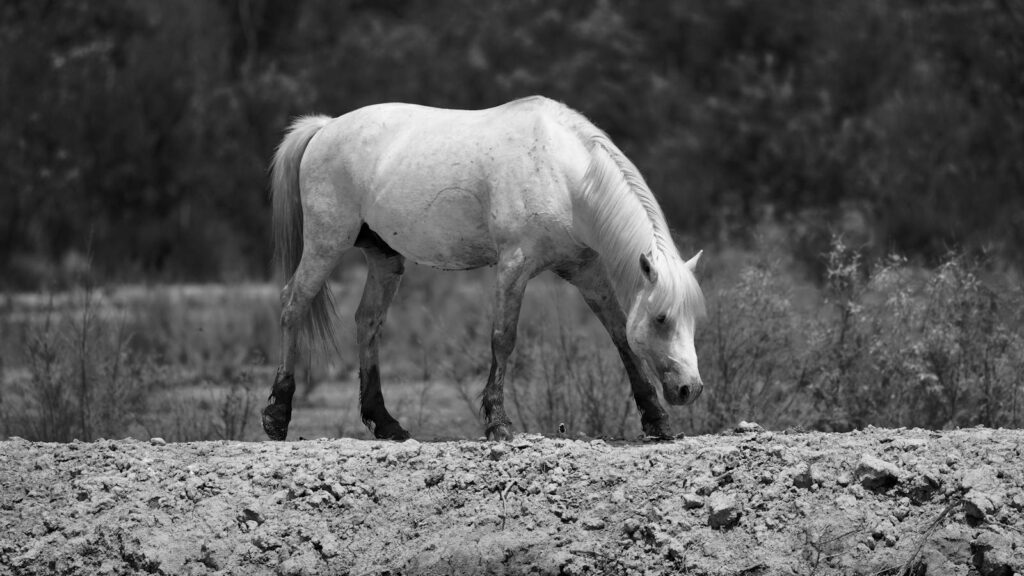
Identifying allergic reactions promptly is crucial for effective management and relief. Respiratory signs often include coughing, nasal discharge, increased breathing effort, and in severe cases, a condition resembling asthma called equine asthma (formerly known as heaves or RAO). Skin-related allergic reactions typically manifest as hives, intense itching, hair loss, and areas of inflammation, particularly in locations where insects tend to bite or pollen accumulates. Behavioral changes may accompany these physical symptoms, with affected horses showing irritability, reduced performance, head-shaking, or reluctance to work. Some horses may also develop eye irritation with excessive tearing, redness, or swollen eyelids when exposed to high pollen counts. Being familiar with your horse’s normal behavior and appearance allows you to detect these changes early, which is essential for timely intervention before symptoms worsen.
Common Spring Allergens Affecting Horses
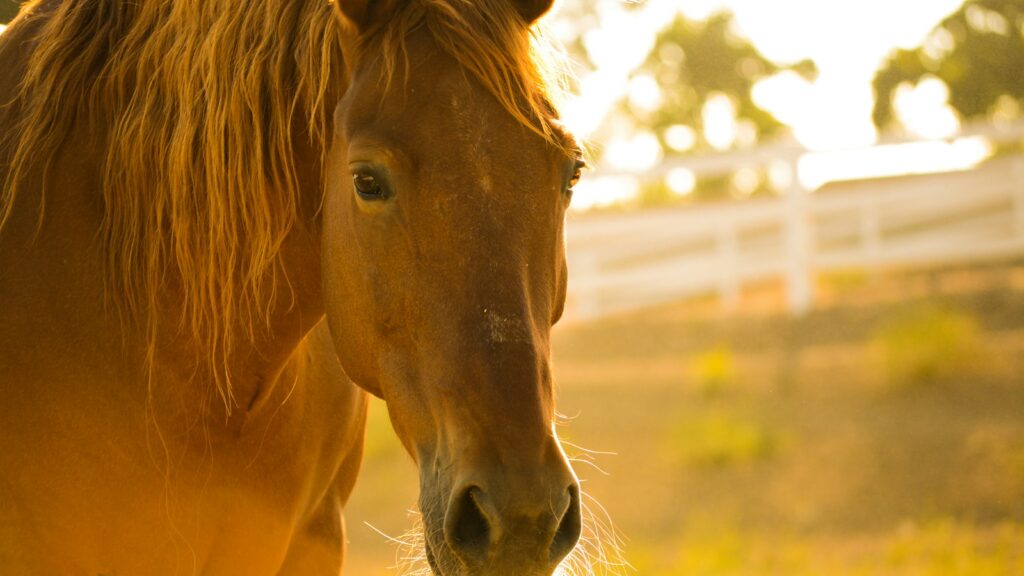
Spring allergies in horses stem from a variety of environmental triggers that emerge or intensify during this season. Tree pollens are among the earliest spring allergens, with oak, birch, maple, and pine being significant contributors to equine allergic reactions across many regions. As the season progresses, grass pollens become increasingly problematic, with timothy, orchard, bermuda, and kentucky bluegrass often causing issues for sensitive horses. Mold spores also proliferate in spring’s damp conditions, particularly in poorly ventilated barns, hay storage areas, and wet pastures. Biting insects like midges, mosquitoes, and flies emerge in spring and can cause severe allergic dermatitis in susceptible equines. Additionally, dust from increasingly dry conditions and certain spring-blooming plants in pastures can trigger reactions in horses with specific sensitivities.
Creating an Allergy Management Plan for Your Horse
Developing a comprehensive strategy to address your horse’s spring allergies requires thoughtful planning and consistent implementation. Begin by identifying specific triggers through careful observation or veterinary testing, noting when symptoms appear and what environmental factors coincide with reactions. Consult with your veterinarian to create a customized approach that may involve a combination of environmental management, medication, dietary adjustments, and timing of exercise to minimize exposure during peak allergen hours. Document your horse’s responses to different interventions in a detailed log, which helps track what works and what doesn’t for your particular animal. Review and refine your management plan regularly, especially as spring progresses and different allergens become prominent. Remember that effective allergy management typically requires a multi-faceted approach rather than relying on a single solution or medication.
Stable Management Strategies to Reduce Allergen Exposure
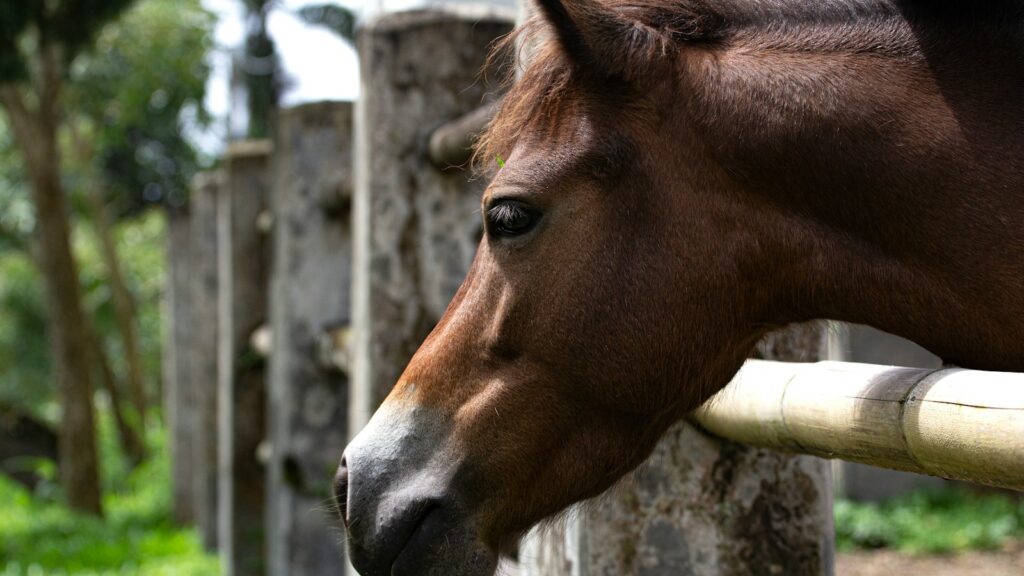
Creating an allergy-friendly stable environment significantly reduces your horse’s exposure to spring allergens. Improve ventilation by installing fans, opening windows with screens, or considering ceiling vents to promote air circulation without creating drafts. Store hay and bedding away from the main stable area to minimize dust and mold exposure, and consider wetting hay before feeding to reduce respirable particles. Choose low-dust bedding options such as paper, cardboard, or specialized dust-free wood products instead of traditional straw or sawdust. Implement a rigorous cleaning schedule that includes daily stall cleaning, regular disinfection of water buckets and feed containers, and periodic power washing of walls and ceilings to remove accumulated allergens. During high pollen count days, consider keeping horses indoors during peak hours (typically mid-morning to early afternoon) when pollen is most abundant in the air.
Pasture Management: Minimizing Allergens in the Outdoor Environment
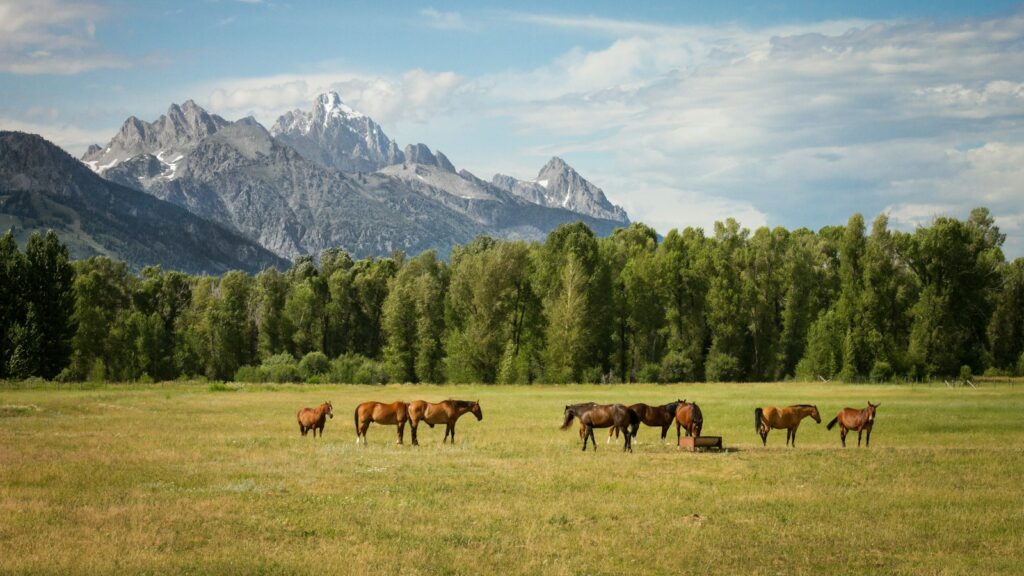
Strategic pasture management plays a vital role in reducing allergen exposure for sensitive horses during spring. Maintain pastures by regularly mowing to prevent grasses from reaching the flowering and pollination stages, ideally keeping grass height between 2-4 inches. Identify and remove allergenic weeds and plants that may trigger reactions in your horse, consulting with local agricultural extension offices to identify problematic species in your region. Create designated “low-allergen zones” by maintaining well-drained areas away from water sources where insects breed and keeping these areas closely mowed with minimal weeds. Consider installing automatic sprinkler systems that can briefly dampen pastures before turnout, as this helps temporarily reduce airborne pollen and dust particles. For severely affected horses, schedule turnout during times when pollen counts are naturally lower, typically during early morning or evening hours, and avoid pasture access on windy days when allergens travel farther.
Dietary Approaches to Managing Equine Allergies
Nutrition plays a significant role in managing equine allergies by supporting immune function and potentially reducing inflammatory responses. Omega-3 fatty acids from sources like flaxseed, chia seeds, or specialized equine supplements can help modulate inflammatory processes and improve skin barrier function in horses with allergic dermatitis. Antioxidants including vitamin E, vitamin C, and selenium support immune health and help the body cope with oxidative stress caused by allergic inflammation. Some horses benefit from herbal supplements containing spirulina, MSM (methylsulfonylmethane), or nettle, which have shown promise in supporting respiratory health and reducing allergic symptoms in some cases. For horses with suspected feed allergies compounding their spring reactions, an elimination diet under veterinary supervision may help identify problematic ingredients. A properly balanced diet with adequate micronutrients ensures that your horse’s immune system functions optimally, potentially reducing the severity of allergic responses.
Grooming Practices to Reduce Allergen Accumulation
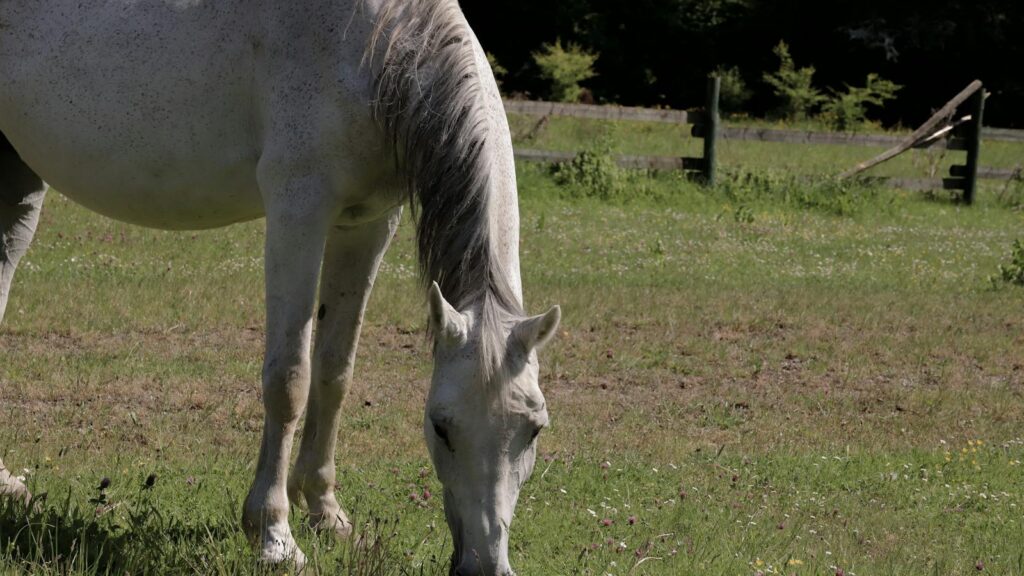
Implementing strategic grooming practices helps minimize allergen contact with your horse’s skin and respiratory system during allergy season. Daily thorough grooming removes accumulated pollen, dust, and other allergens from your horse’s coat before they can cause irritation or be inhaled. Use slightly dampened cloths or specialized grooming wipes for sensitive areas like the face, ears, and eyes to trap allergens rather than dispersing them into the air. Pay special attention to areas where insects commonly bite and allergens collect, such as the belly, chest, neck, and legs. After riding or turnout, consider a quick rinse with plain water to remove surface allergens, focusing on the face and nostrils which collect significant amounts of pollen. For horses with skin allergies, hypoallergenic, fragrance-free shampoos and conditioners can prevent further irritation during necessary bathing, though avoid excessive bathing which can strip natural oils and compromise skin barrier function.
Physical Barriers: Protective Gear for Allergic Horses
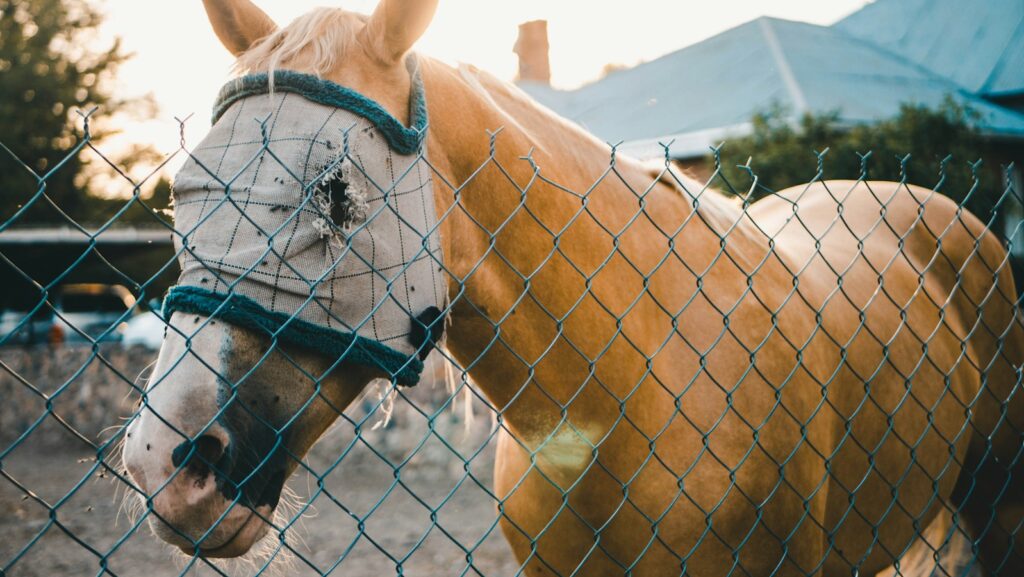
Specialized protective equipment can significantly reduce allergen exposure for horses suffering from spring allergies. Fly masks with extended nose covers not only block insects but also filter some airborne pollen and dust particles, protecting both the eyes and nasal passages from direct contact with allergens. Full-body fly sheets made from breathable materials provide a physical barrier against both biting insects and prevent pollen from settling directly on the horse’s coat and skin. Specialized muzzles designed for allergic horses feature fine mesh that filters air while allowing comfortable breathing, reducing the amount of pollen and dust particles reaching the respiratory system. Nose nets attached to bridles can help horses that experience facial irritation or head-shaking due to nasal passage allergies during riding. For horses with severe respiratory allergies, consider specialized breathing masks designed specifically for equines that filter particulates while allowing normal breathing during turnout or exercise.
Medical Treatments: When to Consider Pharmaceutical Intervention

When environmental management isn’t sufficient, various medications can effectively control equine allergic symptoms. Antihistamines like hydroxyzine, cetirizine, or diphenhydramine block histamine receptors, reducing itching and inflammation, though efficacy varies between individual horses. Corticosteroids such as dexamethasone or prednisolone provide powerful anti-inflammatory effects for severe allergic reactions but should be used judiciously due to potential side effects with long-term use. Bronchodilators may be prescribed for horses with respiratory allergies to open airways and improve breathing capacity during flare-ups. Some horses benefit from immune modulators like cyclosporine or specialized equine immunotherapy products that target the underlying immune dysfunction. For localized skin reactions, topical treatments containing corticosteroids, antihistamines, or soothing natural ingredients can provide targeted relief. Always work closely with your veterinarian to determine appropriate medications, proper dosing, and monitoring protocols, as pharmaceutical interventions should be part of a comprehensive management approach rather than the sole solution.
Immunotherapy: Long-term Solutions for Chronic Allergies

For horses with severe or persistent spring allergies, allergen-specific immunotherapy (ASIT) offers a potential long-term solution by retraining the immune system. This approach begins with allergy testing to identify specific allergens triggering your horse’s reactions, typically through intradermal skin testing or serum allergy testing performed by a veterinarian. Based on these results, a customized immunotherapy protocol is developed using extracts of the identified allergens, which are administered in gradually increasing concentrations through injections or oral formulations. The treatment works by slowly desensitizing the immune system to these triggers, potentially reducing or eliminating allergic responses over time. While immunotherapy requires commitment—typically taking 6-12 months before showing significant improvement and requiring ongoing maintenance—studies show approximately 60-70% of horses experience substantial improvement. This approach is particularly valuable for young horses with severe allergies, as it addresses the underlying immune dysfunction rather than simply managing symptoms, potentially providing years of relief with minimal side effects.
Timing Exercise and Training Around Allergen Levels
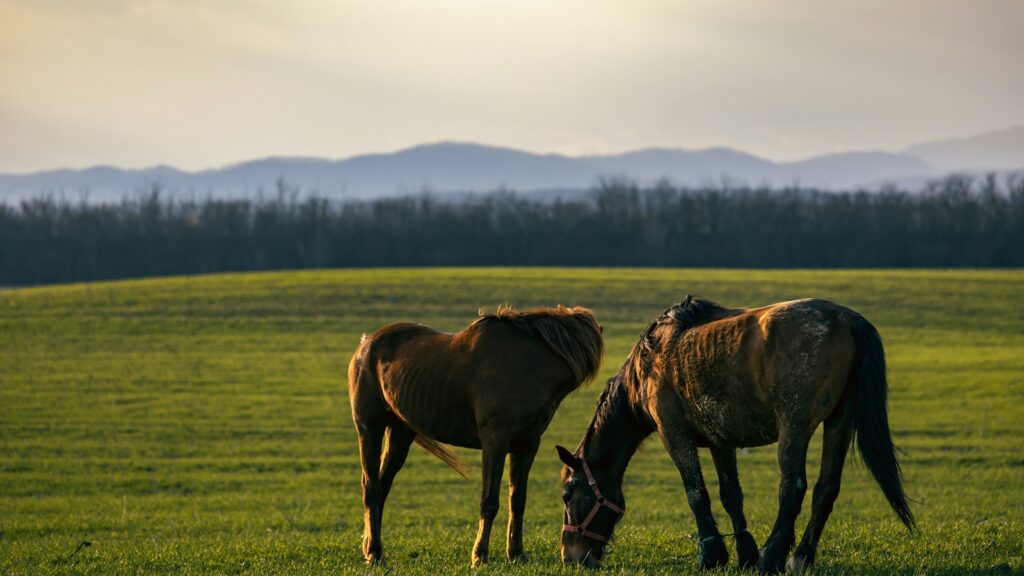
Strategic scheduling of your horse’s exercise and training sessions can significantly reduce allergen exposure during peak spring allergy season. Schedule intensive workouts during times when pollen counts are naturally lower, typically early morning or evening hours, and check daily pollen forecasts through weather services or specialized apps to plan accordingly. Consider moving training sessions indoors to covered arenas on high pollen count days, particularly when conditions are windy, as wind significantly increases airborne allergen concentrations. Allow extra warm-up time during allergy season, as horses with respiratory allergies may need additional time to clear their airways and reach optimal breathing capacity. Be prepared to modify training intensity based on your horse’s comfort level and respiratory function, recognizing that pushing through significant allergic symptoms can exacerbate inflammation and potentially lead to longer recovery times. After workouts, use a damp cloth to wipe down your horse’s nostrils and face to remove accumulated allergens before they can cause further irritation.
Natural Remedies and Complementary Approaches
Many horse owners find value in incorporating natural approaches to support conventional allergy management strategies. Saline nasal flushes can help clear pollen and irritants from nasal passages, providing temporary relief for horses with respiratory allergies when administered properly with veterinary guidance. Essential oils like eucalyptus, peppermint, or lavender may help soothe irritated skin or airways when used appropriately in diffusers or diluted in carrier oils for localized application, though caution is needed as some horses may be sensitive to these compounds. Herbal preparations containing butterbur, nettle, or quercetin have shown some promise in reducing allergic inflammation in both humans and animals, though scientific evidence in horses specifically remains limited. Salt therapy (halotherapy) delivered through specialized equipment provides microscopic salt particles that may help clear airways and reduce inflammation when used as part of a comprehensive treatment plan. Acupuncture performed by a veterinarian trained in Traditional Chinese Veterinary Medicine can sometimes provide relief for allergic horses by addressing underlying energy imbalances and supporting immune regulation.
Working with Your Veterinarian: Creating a Comprehensive Care Plan

Establishing a strong partnership with your veterinarian is essential for effectively managing equine spring allergies. Schedule a thorough evaluation at the beginning of allergy season to assess your horse’s condition, discuss previous symptoms, and develop a proactive management plan tailored to your horse’s specific needs. Consider specialized diagnostics like intradermal skin testing, serum allergy testing, or bronchoalveolar lavage to precisely identify triggers and evaluate respiratory impact when symptoms are severe or persistent. Work with your veterinarian to create a tiered intervention approach that begins with environmental management and escalates to medications or treatments as needed based on symptom severity. Maintain open communication throughout the season, reporting changes in symptoms or responses to treatments to allow for timely adjustments to the management plan. Regular follow-up appointments help ensure that medications are working effectively and that no new complications have developed, especially important for horses receiving corticosteroids or other powerful anti-inflammatory medications.
Preparing for Next Year: Long-term Planning for Allergy Management

Taking a proactive approach to spring allergies involves year-round planning to minimize future seasonal impacts. Document this year’s allergy patterns by maintaining detailed records of when symptoms first appeared, which interventions helped, and how symptoms progressed throughout the season, creating a valuable reference for next year’s preparations. Consider starting preventative medications or supplements 2-4 weeks before your horse typically experiences allergy symptoms, as many treatments work better preventatively than after inflammation is already established. Use the off-season to implement infrastructure improvements like updating ventilation systems, installing dust control measures, or reconfiguring paddocks to create low-allergen zones. For horses with severe allergies, discuss immunotherapy options with your veterinarian during fall or winter, allowing sufficient time for treatment to begin working before the next allergy season arrives. Planning ahead ensures you’re not caught unprepared when spring allergens emerge, potentially reducing both the severity of your horse’s symptoms and the intensity of interventions required.
conclusion
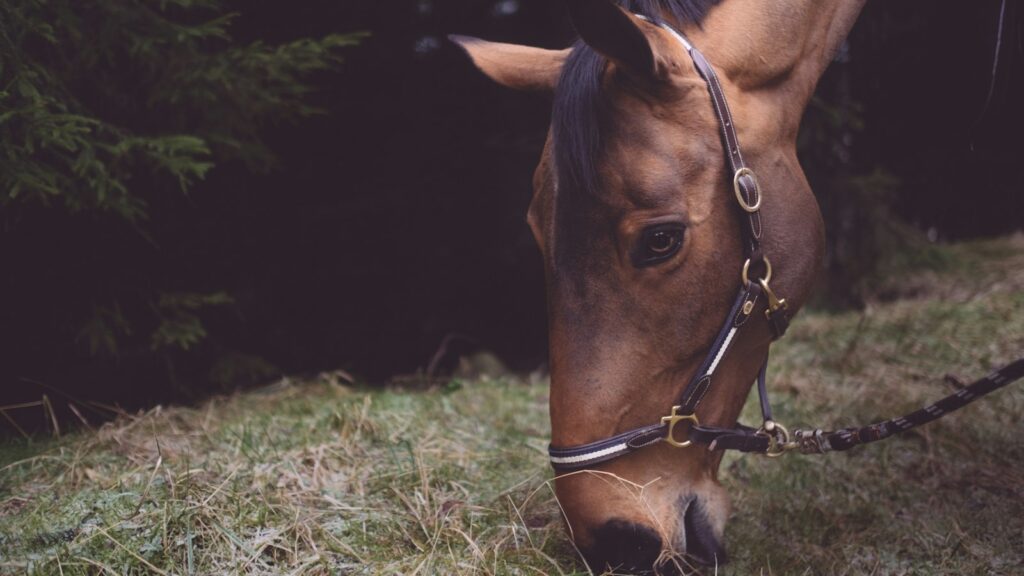
Managing equine allergies during spring requires a multifaceted approach combining environmental management, targeted treatments, and careful monitoring. By understanding your horse’s specific triggers and implementing appropriate preventative measures, you can significantly reduce discomfort and maintain optimal performance throughout allergy season. Remember that each horse responds differently to various interventions, so patience and flexibility are essential as you discover what works best for your equine companion. With thoughtful planning and consistent implementation of these strategies, you can help your horse enjoy the beauty of spring without suffering through its allergenic challenges.