For equestrians and horse enthusiasts, reading can be as enriching as time spent in the saddle. Whether you’re a competitive rider seeking to improve your technique, a horse owner looking to deepen your understanding of equine behavior, or simply someone who loves the magic of horses, there’s a wealth of literature waiting to enhance your equestrian journey. From technical manuals to inspiring memoirs, the right books can transform your relationship with horses and elevate your riding experience. This collection represents the most influential, informative, and captivating horse-related books that deserve a place on every rider’s bookshelf.
Centered Riding by Sally Swift

Since its publication in 1985, “Centered Riding” has revolutionized how riders think about their position and communication with horses. Sally Swift’s groundbreaking work introduces imagery and body awareness techniques that help riders develop a deeper connection with their mounts. Rather than focusing solely on outward appearances, Swift guides readers to understand the internal sensations that lead to balanced, effective riding. Her concepts of “building blocks,” “soft eyes,” “breathing,” and “centering” have become foundational principles in modern riding instruction across disciplines. The accessible illustrations and straightforward explanations make this book appropriate for riders of all levels, from beginners to Olympic competitors seeking to refine their skills.
The Man Who Listens to Horses by Monty Roberts
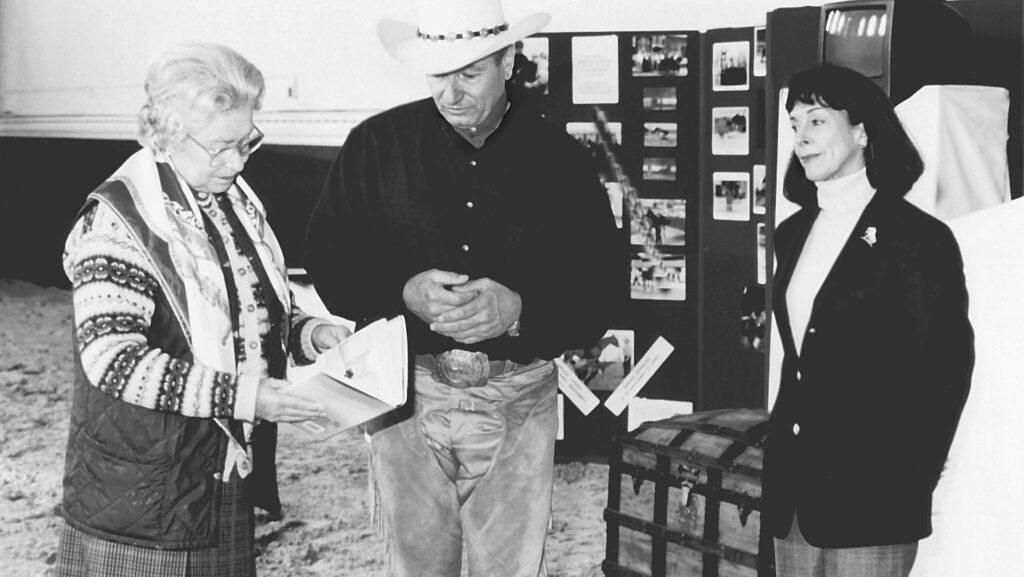
Monty Roberts’ autobiography chronicles his development of the “Join-Up” method and his journey to becoming one of the world’s most renowned horse trainers. This compelling narrative follows Roberts from his childhood observations of wild mustangs in Nevada to his revolutionary approach to starting horses under saddle without force. More than just a training manual, this book offers profound insights into equine psychology and communication, challenging traditional “breaking” methods that dominated horsemanship for centuries. Roberts’ compassionate philosophy emphasizes understanding the horse’s natural language and building trust rather than dominance. His stories of transforming seemingly “problem” horses have inspired countless riders to reconsider their approach to training and develop more harmonious partnerships with their equine companions.
Horse Brain, Human Brain by Janet Jones
Neuroscientist and lifelong horsewoman Janet Jones bridges the gap between scientific understanding and practical horsemanship in this illuminating book. “Horse Brain, Human Brain” examines the fundamental differences in how equines and humans perceive and process information, providing crucial insights that can prevent misunderstandings and training frustrations. Jones explains complex neurological concepts in accessible language, helping riders understand why horses might react in unexpected ways to certain stimuli or training approaches. The book covers everything from how horses see and interpret movement to how they process fear, form memories, and understand human cues. By understanding the biological basis for equine behavior, riders can develop more effective, compassionate training methods that work with the horse’s natural thought processes rather than against them.
Tug of War: Classical Versus “Modern” Dressage by Dr. Gerd Heuschmann

Dr. Gerd Heuschmann, a veterinarian and rider, offers a powerful critique of certain trends in competitive dressage in this thought-provoking book. “Tug of War” examines the biomechanical and ethical implications of training methods that prioritize flashy movement and extreme collection over the horse’s physical and mental well-being. With detailed anatomical explanations and compelling arguments, Heuschmann advocates for a return to classical principles that develop the horse gradually and harmoniously. The book includes illuminating discussions of correct versus incorrect postures, the proper development of the topline, and the importance of allowing the horse to move forward with rhythmic impulsion. This essential read challenges riders to question popular training shortcuts and consider the long-term consequences of their training choices for their horses’ soundness and happiness.
Dressage in the Fourth Dimension by Sherry Ackerman
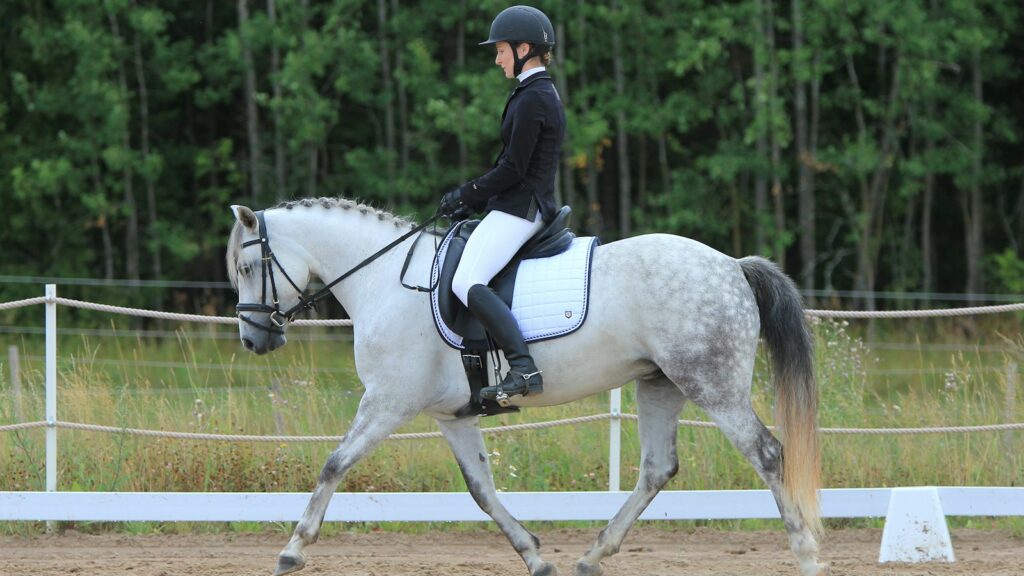
Sherry Ackerman takes readers beyond technical riding instruction to explore the philosophical and spiritual dimensions of horsemanship in this unique book. “Dressage in the Fourth Dimension” examines classical dressage as a path not just to athletic development but to consciousness and self-awareness for both horse and rider. Drawing connections between ancient riding traditions, Eastern philosophy, and modern dressage, Ackerman presents riding as a holistic practice that can lead to profound personal transformation. Her discussions of concepts like “lightness,” “collection,” and “harmony” extend beyond their physical manifestations to their deeper meanings as states of being and relationship. This thought-provoking work appeals particularly to riders who seek to understand horsemanship as an art form and spiritual practice rather than merely a sport or hobby.
The Faraway Horses by Buck Brannaman

Buck Brannaman’s memoir provides both inspiration and practical wisdom from one of America’s most respected horsemen. Known as the real-life “horse whisperer” who inspired Nicholas Evans’ novel and the subsequent film, Brannaman shares his journey from an abusive childhood to becoming a renowned clinician who helps both horses and humans. The book interweaves personal stories with profound observations about horse behavior and the human-equine relationship. Brannaman’s gentle approach emphasizes feel, timing, and balance rather than dominance or force. His philosophy that “horses never lie” and his emphasis on self-awareness have transformed countless riders’ approaches to horsemanship. Beyond training techniques, “The Faraway Horses” teaches readers about patience, consistency, and the rewards of earning a horse’s trust through genuine understanding.
Equine Fitness by Jec Aristotle Ballou

Jec Aristotle Ballou provides a comprehensive guide to developing and maintaining optimal physical condition in horses with this essential resource. “Equine Fitness” offers systematic exercise programs to improve strength, flexibility, and cardiovascular capacity in horses of all disciplines. Unlike many conditioning books that focus solely on competitive athletes, Ballou addresses the needs of horses at all levels, from recreational mounts to high-performance competitors. The book includes detailed explanations of equine anatomy and physiology, specific exercises with clear illustrations, and practical advice for incorporating fitness work into regular training sessions. Particularly valuable are Ballou’s insights on preventing common physical issues through proper conditioning and her guidance on recognizing signs that a fitness program may need adjustment. This science-based approach to equine conditioning helps riders develop healthier, more athletic horses regardless of their competitive aspirations.
That Winning Feeling! by Jane Savoie

Olympic coach Jane Savoie addresses the critical mental aspects of riding in this pioneering work on equestrian sports psychology. “That Winning Feeling!” provides practical techniques for developing mental strength, managing competition nerves, and maintaining focus under pressure. Savoie’s accessible writing style and concrete examples make complex psychological concepts immediately applicable to everyday riding situations. The book covers visualization techniques, positive self-talk strategies, goal-setting frameworks, and methods for recovering from mistakes and disappointments. What sets this work apart is Savoie’s understanding of the unique mental challenges faced by equestrians, whose athletic endeavors involve communication with another sentient being with its own thoughts and emotions. By strengthening their mental skills, riders learn not only to perform better in competition but also to maintain the emotional consistency that horses crave and respond to positively.
Horse Speak by Sharon Wilsie and Gretchen Vogel
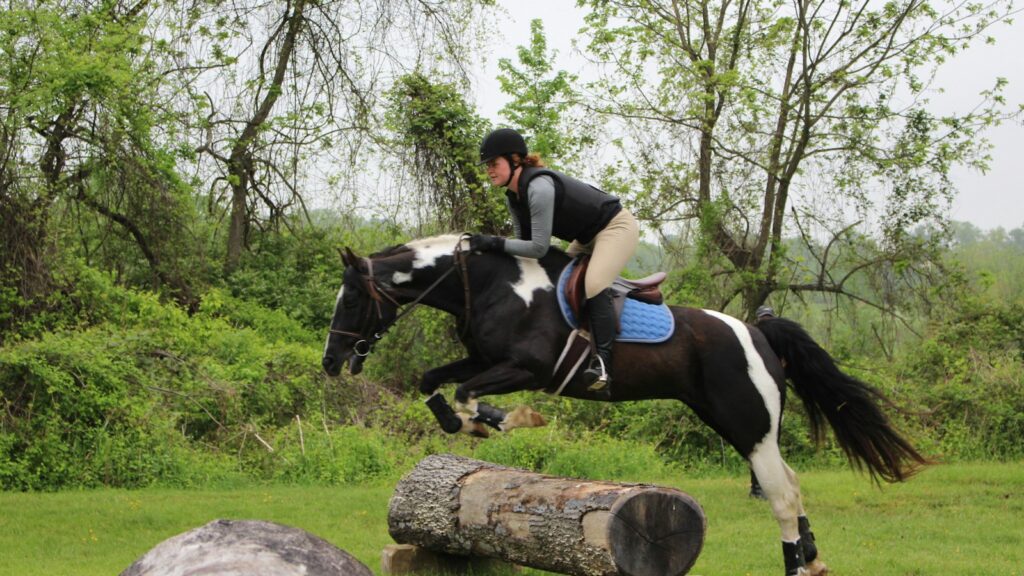
Sharon Wilsie and Gretchen Vogel offer a groundbreaking system for understanding and communicating with horses in their natural language in this innovative guide. “Horse Speak” details the subtle body language, facial expressions, and gestures that horses use to communicate with each other, teaching humans to both recognize these signals and respond appropriately. The authors provide step-by-step instructions for learning this “language,” from basic greetings to more complex conversations about boundaries, leadership, and cooperation. Particularly valuable is Wilsie’s “Conversation Method,” which creates a framework for two-way communication that respects the horse’s intelligence and agency. With clear photographs, diagrams, and real-life examples, the book makes equine communication accessible even to novice handlers. Many readers report transformative experiences with their horses after implementing these techniques, as horses respond with remarkable enthusiasm when finally “understood” in their own language.
Riding Logic by Wilhelm Museler
First published in 1933, “Riding Logic” remains one of the clearest explanations of classical riding principles ever written. Wilhelm Museler’s systematic approach breaks down complex concepts into understandable elements, making this book valuable for riders at all levels. The work explores the mechanical and physiological aspects of riding, explaining precisely how rider position and aids influence the horse’s movement and balance. Museler’s emphasis on developing an independent seat as the foundation for all good riding has influenced generations of instructors across disciplines. Unlike many technical manuals that become dated, the biomechanical principles and progressive training methods detailed in “Riding Logic” remain relevant regardless of changing trends in equestrian sport. The book’s clear illustrations and methodical organization make it an ideal reference for riders seeking to understand the “why” behind traditional riding techniques.
Horses Never Lie by Mark Rashid
Mark Rashid’s thoughtful exploration of leadership and training presents an alternative to dominance-based horsemanship in this influential book. “Horses Never Lie” introduces the concept of “passive leadership,” where the handler earns the horse’s trust and cooperation through consistency, fairness, and clear communication rather than force or intimidation. Rashid shares engaging stories from his extensive experience that illustrate the differences between being a “leader” versus a “boss” in the horse’s eyes. The book challenges many conventional training assumptions while offering practical advice for addressing common behavioral issues through understanding rather than confrontation. Particularly valuable is Rashid’s discussion of how horses naturally learn and form associations, and how humans can work with these tendencies rather than against them. His gentle approach has helped countless riders transform troubled relationships with their horses into partnerships based on mutual respect.
Anatomy of Dressage by Heinrich Schusdziarra and Volker Schusdziarra
This detailed examination of equine and human biomechanics provides crucial insights for riders seeking to understand the physical aspects of dressage. “Anatomy of Dressage” explores how horse and rider bodies interact, with precise explanations of how proper position influences the horse’s movement and balance. The Schusdziarras combine scientific knowledge with practical riding experience to clarify concepts like collection, extension, and engagement in anatomical terms. Particularly valuable are the sections detailing how incorrect riding can create physical restrictions and potentially lead to lameness or behavioral issues in horses. The book’s clear illustrations help readers visualize complex concepts like the horse’s center of gravity, the effects of diagonal aids, and the biomechanics of collection. While focused on dressage, the anatomical principles explained have applications for riders in all disciplines who seek to ride in harmony with their horse’s natural movement capabilities.
The Complete Training of Horse and Rider by Alois Podhajsky
Colonel Alois Podhajsky, the former director of the Spanish Riding School in Vienna, presents a comprehensive system for developing horse and rider from basic training through high-level collection in this definitive work. Drawing from centuries of classical tradition, “The Complete Training of Horse and Rider” outlines a methodical progression that builds the horse’s physical abilities while preserving its mental willingness. Podhajsky emphasizes the importance of patience and the gradual development of the horse’s carrying power, balance, and self-carriage. The book addresses everything from the earliest handling of young horses to the refinement of collected movements, with particular attention to common training problems and their solutions. What distinguishes this work is Podhajsky’s insistence on ethical training that considers the horse’s welfare paramount, combined with his practical knowledge from training countless horses to the highest levels. His timeless wisdom continues to guide serious riders who value classical principles and seek to develop truly harmonious partnerships with their horses.
conclusion
The journey of horsemanship is one of continual learning and growth. The books highlighted in this collection offer diverse perspectives, from scientific understanding of equine cognition to philosophical approaches to riding as an art form. What unites them is a commitment to ethical horsemanship based on understanding rather than dominance. Whether you’re seeking to improve your technical skills, deepen your communication with your equine partner, or simply appreciate the rich traditions of horsemanship, these books provide invaluable guidance for riders at every stage of their equestrian journey. By incorporating these diverse insights into your approach, you can develop a more nuanced, compassionate, and effective relationship with the horses in your life.