
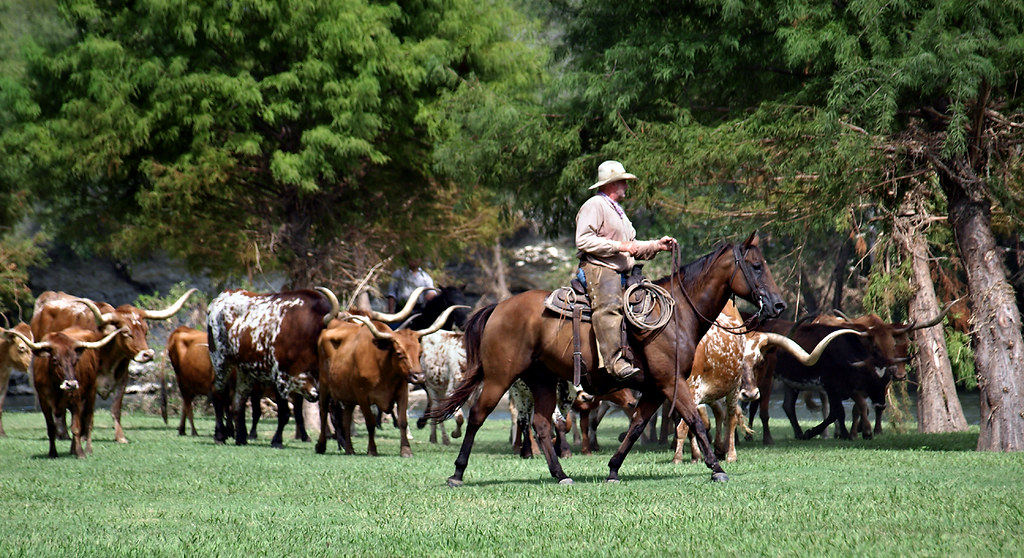
The iconic image of cowboys guiding cattle across vast, untamed landscapes has become an enduring symbol of American heritage. At the heart of these historic journeys were the horses—remarkable animals whose strength, endurance, and intelligence made long-distance cattle drives possible. While modern transportation has largely replaced traditional cattle drives, certain horse breeds continue to excel in the demanding work of moving livestock across extensive rangelands. These exceptional equines combine stamina, cow sense, surefootedness, and temperament into the perfect package for the challenging conditions of multi-day cattle work. Whether you’re a working rancher, a competitive cutting horse enthusiast, or simply fascinated by the cultural significance of these magnificent animals, understanding which breeds historically excelled—and continue to perform—in this specialized role offers valuable insights into both equine capabilities and America’s agricultural heritage.
The American Quarter Horse: The Rancher’s Reliable Partner

The American Quarter Horse stands as perhaps the most iconic cattle drive breed, renowned for its explosive speed over short distances—a trait that gave the breed its name for its dominance in quarter-mile races. These powerful horses combine strength, agility, and an innate “cow sense” that makes them exceptionally attuned to cattle movements, allowing riders to control herds with subtle cues. Their muscular build, particularly in the hindquarters, provides the power needed to stop quickly and turn sharply when pursuing stray cattle. Quarter Horses typically possess level heads and adaptable personalities, making them dependable partners during the stressful conditions of long drives where sudden challenges can arise without warning. Their versatility allows them to navigate diverse terrains from open plains to rocky hillsides while maintaining their working capacity day after day.
Mustangs: Hardiness Born of the Wild
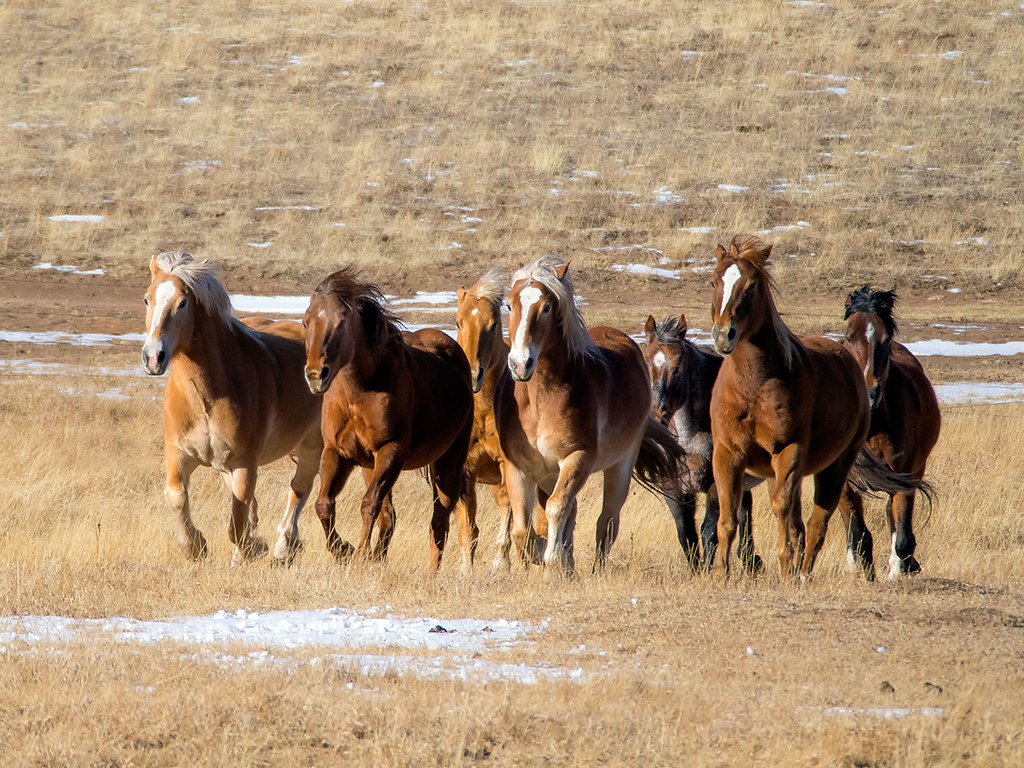
Mustangs bring something special to cattle drives that few domesticated breeds can match: natural hardiness developed through generations of survival in the wild. These horses descended from Spanish stock brought to the Americas in the 1500s and have adapted to thrive in harsh environments with minimal human intervention. Their exceptional hooves, typically harder and more durable than those of domesticated breeds, require less maintenance during extended journeys across varied terrain. Mustangs typically possess remarkable endurance and can maintain consistent energy levels while consuming less feed than many other breeds—a critical advantage during long drives where resources might be limited. Their natural survival instincts and heightened awareness also make them excellent at detecting potential hazards such as predators or dangerous ground conditions, providing an additional layer of security for both rider and herd. While sometimes requiring more patient training initially, properly gentled Mustangs often form exceptionally loyal bonds with their riders.
Appaloosa: The Spotted Endurance Specialist
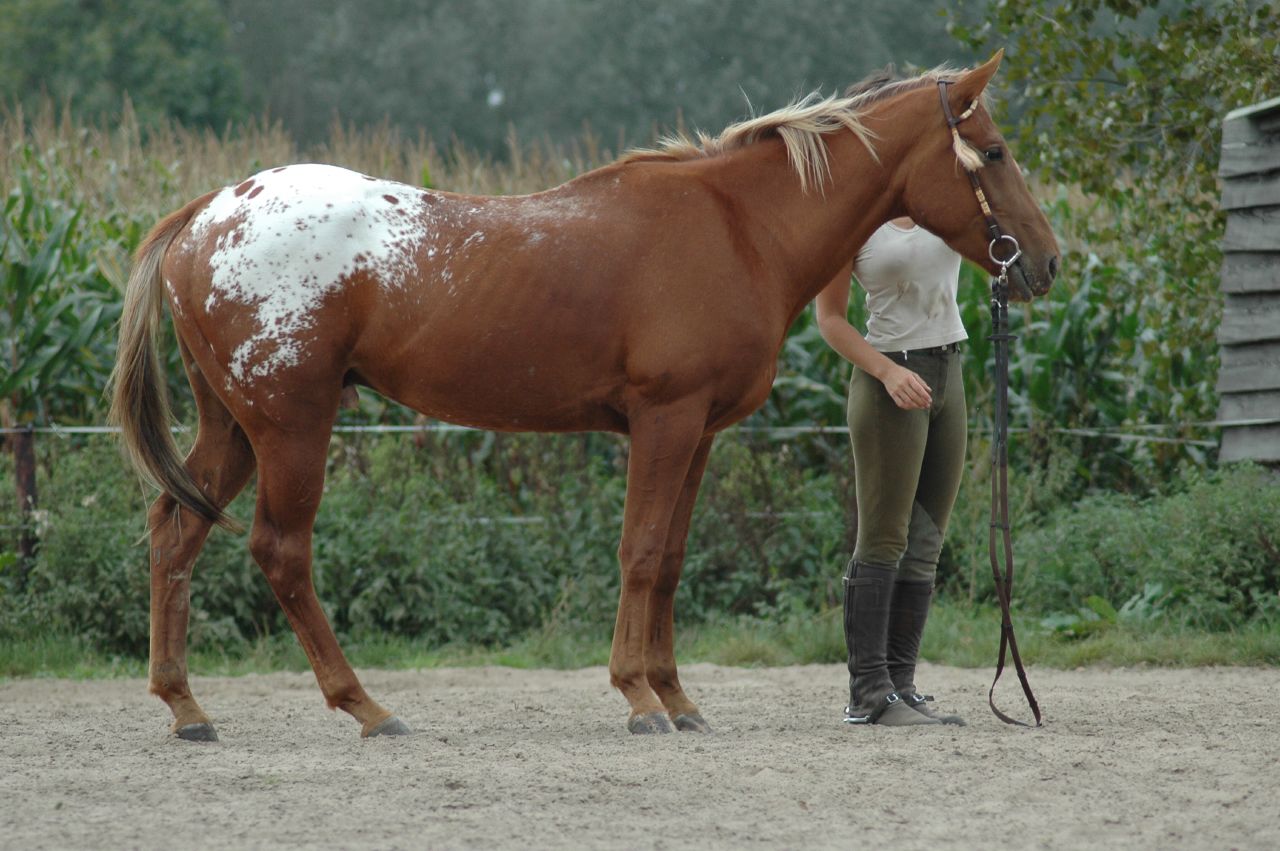
The distinctive spotted coat pattern of the Appaloosa makes these horses immediately recognizable, but their value on cattle drives extends far beyond their striking appearance. Developed by the Nez Perce tribe of the Pacific Northwest, Appaloosas combine stamina, intelligence, and adaptability that made them prized possessions for both hunting and travel across challenging terrain. Their strong hooves and naturally sound legs contribute to exceptional soundness even after covering extensive distances day after day. Appaloosas typically possess a calm temperament combined with alertness that allows them to remain level-headed during the unpredictable situations that commonly arise during cattle work. The breed’s inherent intelligence enables them to learn quickly and operate with minimal guidance, making them especially valuable when a single rider needs to manage multiple tasks simultaneously during a drive. Their heat tolerance and ability to thrive on minimal forage further enhances their suitability for the demanding conditions of multi-day journeys.
American Paint Horse: Versatility with Distinctive Markings

American Paint Horses combine the working abilities of Quarter Horses with distinctive color patterns that create unmistakable beauty alongside exceptional function. Their stocky, muscular build provides the strength needed for long days of physically demanding work moving stubborn cattle across diverse landscapes. Paints typically possess exceptional agility and balance, allowing them to navigate challenging terrain while maintaining enough energy reserves for sudden bursts of speed when needed to head off strays. The breed’s generally calm disposition helps maintain herd stability, as cattle respond better to horses that move with purpose but without creating unnecessary excitement. Many Paint Horses exhibit strong problem-solving abilities, quickly learning efficient ways to accomplish tasks and remembering solutions to situations they’ve encountered previously. Their versatility allows them to excel not only at the controlled movement of cattle during drives but also at cutting individual animals from the herd when necessary for inspection or treatment.
Morgan Horse: The Endurance All-Rounder
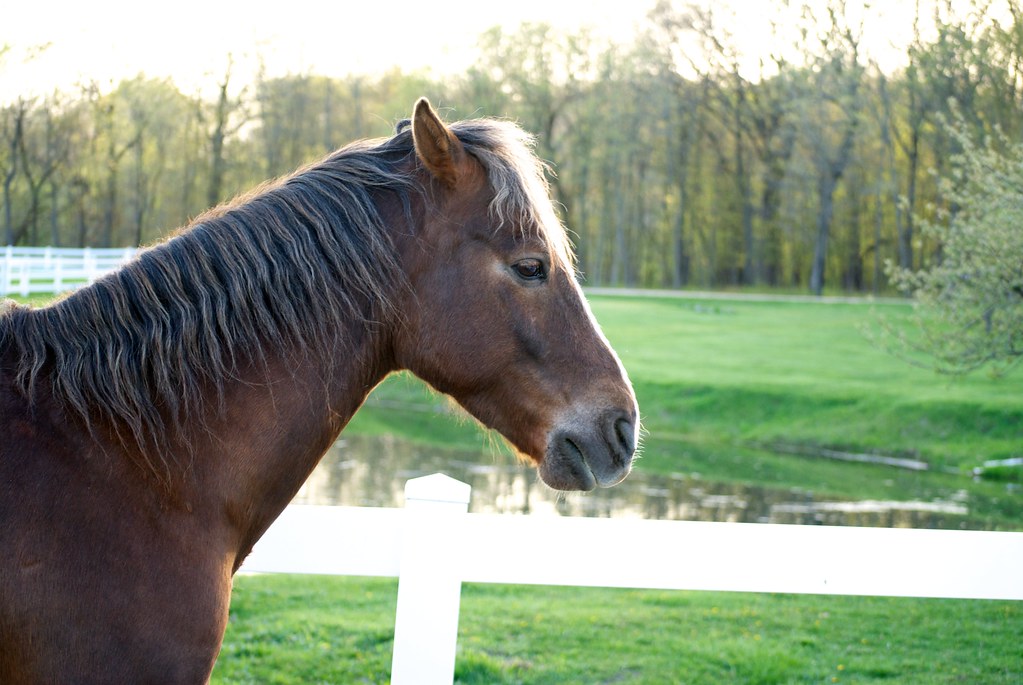
The Morgan Horse traces its lineage to a single foundation sire—the legendary Figure, later renamed Justin Morgan after his owner—whose remarkable offspring demonstrated consistent excellence across multiple disciplines. Though less commonly associated with cattle work than Quarter Horses, Morgans have historically excelled on cattle drives due to their exceptional combination of strength, endurance, and willing disposition. Their compact but powerful physique allows them to carry substantial loads while maintaining energy reserves necessary for multi-day journeys. Morgans are renowned for their tremendous heart and work ethic, consistently demonstrating a willingness to keep working long after other breeds might tire or become reluctant. Their surefootedness on varied terrain combined with natural balance makes them reliable mounts even when trails become challenging or when working in rough country. The breed’s intelligence and ability to form strong bonds with their handlers creates a partnership that proves invaluable during the complex coordination required in managing large herds across extensive distances.
Tennessee Walking Horse: Smooth Gaits for Long Hours
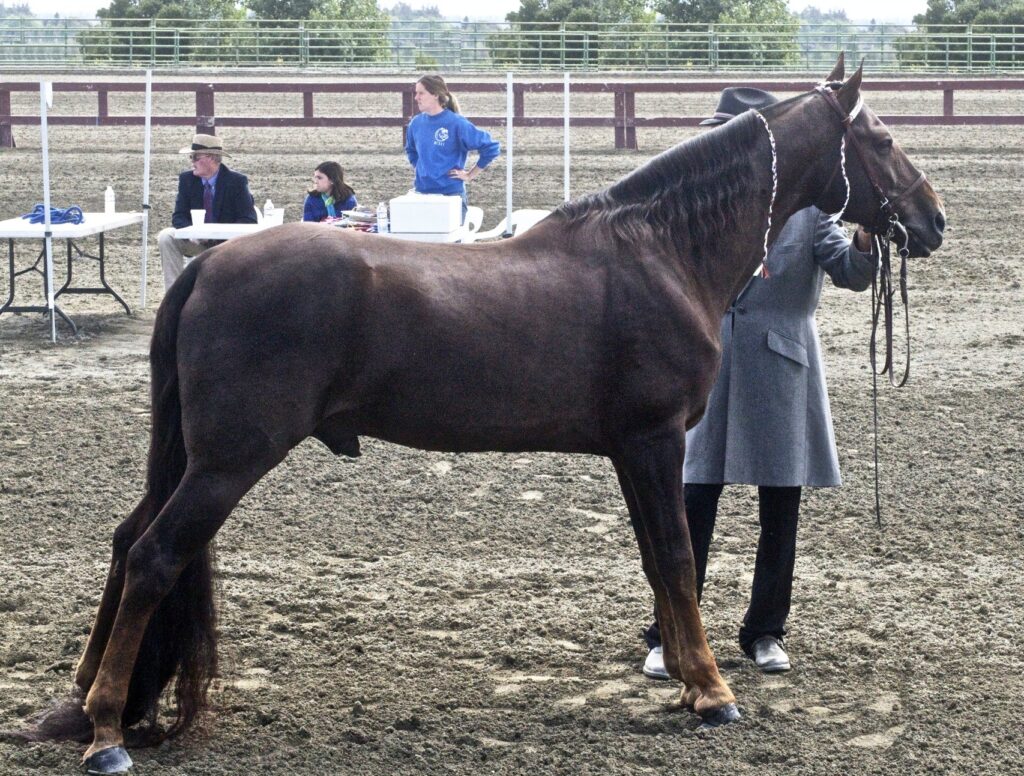
The Tennessee Walking Horse offers something uniquely valuable for cattle drives: naturally smooth gaits that significantly reduce rider fatigue during long days in the saddle. Their signature running walk provides a gliding motion that minimizes impact on both horse and rider, allowing for covering substantial distances without the physical toll that traditional trotting creates. This breed’s exceptional comfort allows cowboys to remain fresh and alert after hours in the saddle, maintaining the vigilance necessary for monitoring hundreds of cattle across open rangeland. Tennessee Walkers typically possess calm, sensible temperaments that help them maintain composure during the unpredictable situations that frequently arise during cattle management. Their medium build combines sufficient strength for the physical demands of the work while maintaining the agility needed for responsive handling. Though historically less common on western cattle drives than some other breeds, ranchers who work extensively from horseback increasingly appreciate the practical advantages of these smooth-gaited horses for reducing physical strain during long working days.
Arabian: Desert-Born Stamina and Intelligence
The Arabian horse brings thousands of years of desert-bred endurance to cattle drives, offering remarkable stamina that allows them to maintain performance over extensive distances. Their efficient metabolism and naturally strong cardiovascular system enable them to work longer with less fatigue than many other breeds, particularly in hot, dry conditions similar to their ancestral environment. Arabians typically possess extraordinary intelligence and form exceptionally strong bonds with their handlers, creating responsive partnerships that prove invaluable during the complex coordination required for managing large herds. Their lighter build compared to some stock horse breeds is counterbalanced by pound-for-pound strength that often surprises those unfamiliar with their capabilities. While sometimes considered too spirited for novice handlers, well-trained Arabians channel their natural energy and awareness into focused work, remaining alert to their surroundings without becoming overly reactive. Their legendary endurance made them valuable additions to some historic ranching operations, particularly in regions where cattle drives covered extreme distances or encountered challenging environmental conditions.
Physical Attributes Essential for Cattle Drive Horses

Regardless of breed, certain physical characteristics prove essential for horses expected to perform effectively during extended cattle drives. Strong, well-formed hooves represent perhaps the most critical feature, as no amount of breeding or training can compensate for a horse that becomes footsore after a single day’s work. A deep chest and well-developed cardiovascular system provide the oxygen capacity necessary for sustained exertion, while properly proportioned legs with clean joints help ensure soundness under stress. The ideal cattle drive horse typically stands between 14.2 and 15.2 hands—tall enough to navigate through high brush or water crossings but compact enough to maintain balance during quick maneuvers. Substantial bone structure provides durability without excessive weight, while well-developed muscles, particularly in the hindquarters, deliver the power needed for controlling cattle movements. A moderately sloped shoulder combined with a shorter back creates the foundation for both agility and carrying capacity essential for the demanding work of multi-day drives.
Mental Characteristics for Success on the Trail
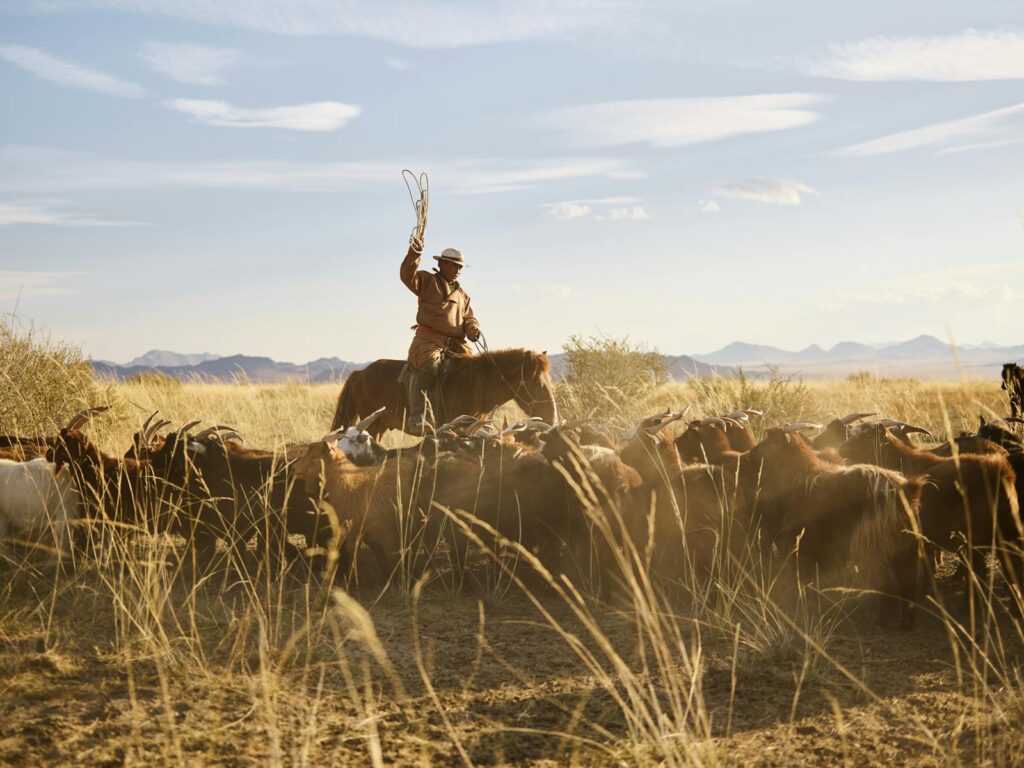
The psychological makeup of an effective cattle drive horse may be even more important than physical attributes, as mental resilience determines how well natural abilities translate into practical performance. The ideal temperament combines alertness with steadiness—a horse must remain attentive to both rider cues and cattle movements without becoming anxious or reactive to the inevitable disruptions that occur during drives. Willingness to work independently when necessary allows a single rider to accomplish tasks that might otherwise require multiple mounted handlers. Adaptability proves crucial as conditions change throughout the journey, from crossing varied terrain to encountering different weather patterns or unexpected obstacles. Perhaps most importantly, these horses need the mental stamina to maintain focus and performance day after day, even as physical fatigue accumulates. Successful cattle drive horses demonstrate what old-time cowboys called “bottom”—the psychological depth that allows them to dig deep and continue performing effectively even when tired, uncomfortable, or facing challenging conditions that would cause less determined animals to quit.
Training Considerations for Long-Distance Work
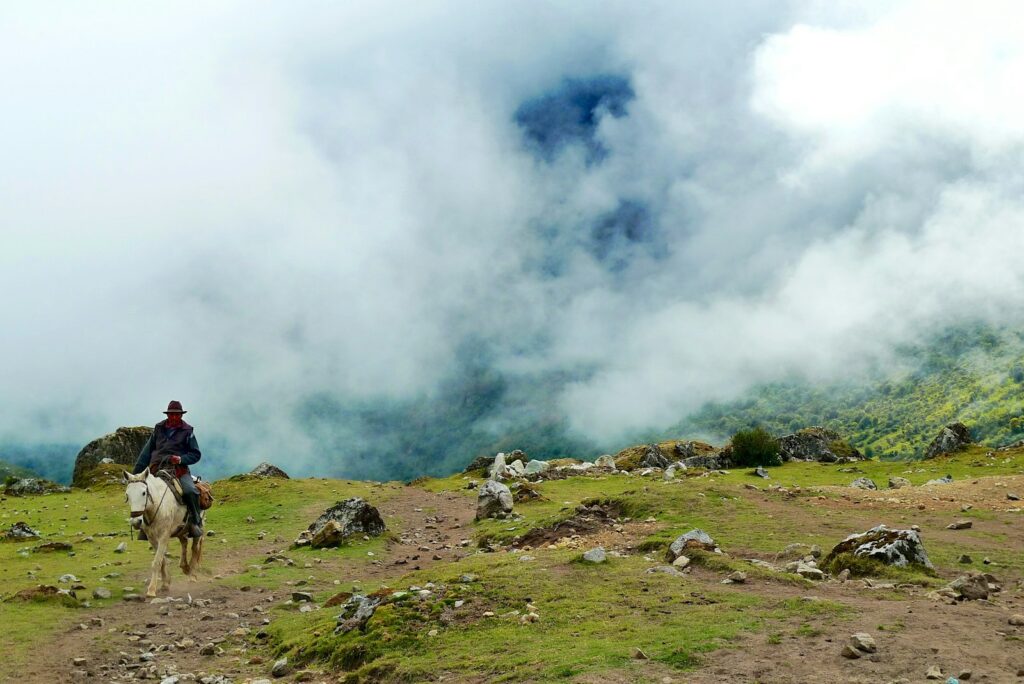
Preparing horses for the demands of extended cattle drives requires specialized training that builds both physical conditioning and mental resilience. Proper conditioning follows a gradual progression, systematically increasing distance and difficulty to develop the cardiovascular capacity and muscular endurance necessary for multi-day performance. Exposure to varied terrain during training prepares horses to navigate confidently across different landscapes they may encounter during actual drives. Desensitization to environmental challenges—from water crossings to wildlife encounters—prevents disruptive reactions during critical moments of cattle management. Training must include extensive experience with cattle themselves, allowing horses to develop the “cow sense” that enables them to anticipate and respond to herd movements instinctively. Unlike horses prepared for short-duration performance events, cattle drive prospects need specific preparation for sustained effort at moderate intensity rather than brief periods of maximum exertion. The most successful training programs incorporate realistic scenarios that combine multiple challenges simultaneously, preparing horse and rider teams for the complex situations they’ll face when responsible for moving hundreds of animals across substantial distances.
Historical Significance of Specialized Cattle Horses
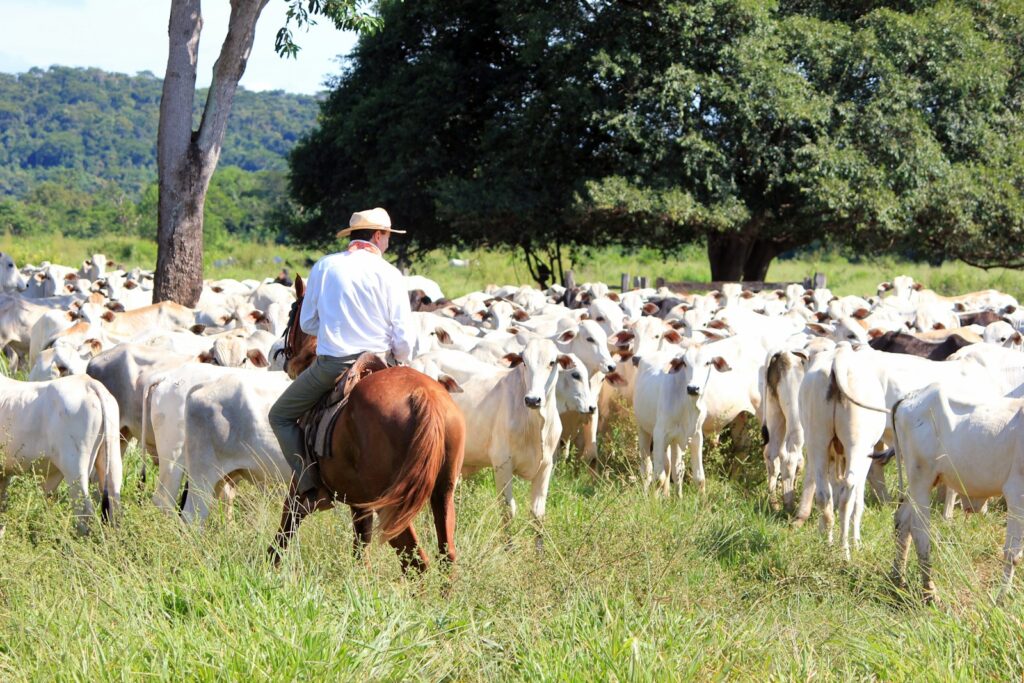
The development of specialized cattle drive horses played a pivotal role in America’s westward expansion and the growth of the beef industry that helped feed a rapidly industrializing nation. After the Civil War, the great Texas cattle drives moved millions of longhorns from southern rangelands to northern railheads, with journeys often covering 800-1,200 miles over several months. These epic journeys would have been impossible without horses specifically suited to the unique demands of controlling large herds across vast, often inhospitable territories. The relationship between cowboys and their mounts transcended mere utility, developing into partnerships where mutual trust and understanding made survival possible in challenging and sometimes dangerous conditions. Regional variations emerged in preferred horse types, with Texas outfits often favoring different bloodlines than their counterparts in Montana or California based on terrain, climate, and local working styles. The wisdom accumulated through generations of practical experience with these horses created a knowledge base that still informs modern stock horse breeding and training, even as traditional cattle drives have largely given way to mechanized transport.
Modern Applications of Traditional Cattle Horse Skills
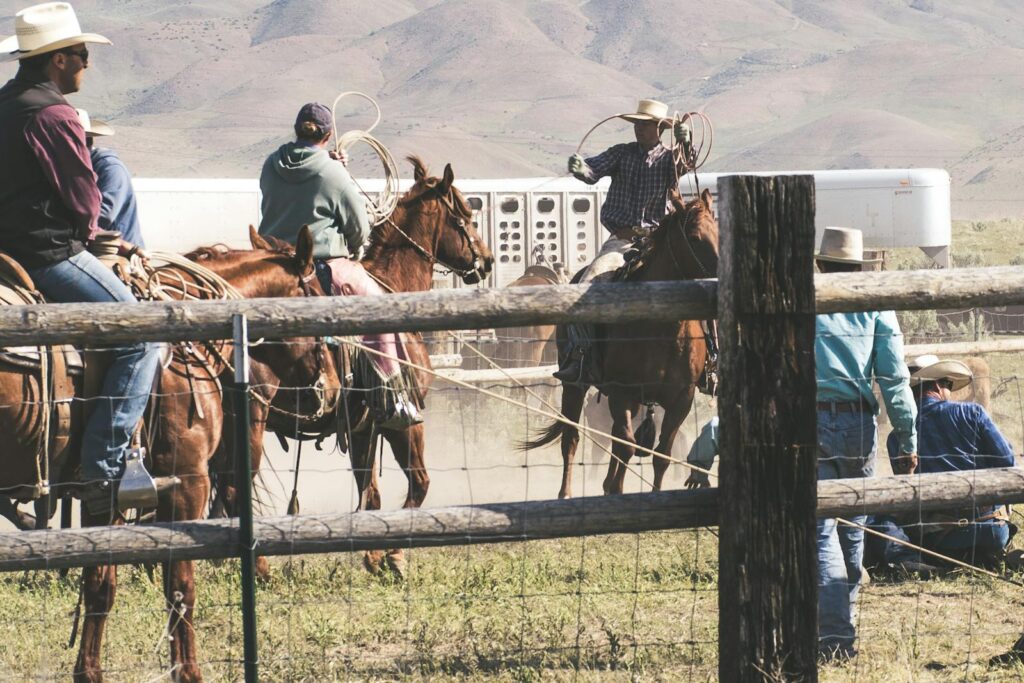
While few commercial operations still conduct traditional long-distance cattle drives, the specialized skills of these remarkable horses remain relevant in numerous contemporary contexts. Working ranches throughout the American West still rely heavily on horses for gathering, sorting, and moving cattle across extensive grazing lands where motorized vehicles prove impractical or environmentally damaging. The competitive disciplines of cutting, team penning, and ranch sorting showcase and preserve the precise cattle-handling abilities that were essential during historic drives. Conservation programs focused on sustainable land management increasingly recognize the value of skilled horses and riders for moving livestock through sensitive ecosystems with minimal disruption. Tourism operations offering authentic ranch experiences provide opportunities for people to experience firsthand the remarkable partnership between well-trained horses and knowledgeable handlers working cattle. Perhaps most importantly, the breeding programs maintaining these specialized horses preserve genetic traits and abilities refined through centuries of practical application—living repositories of functional characteristics that might otherwise be lost as agriculture becomes increasingly mechanized.
Conclusion: Choosing the Right Horse for the Job
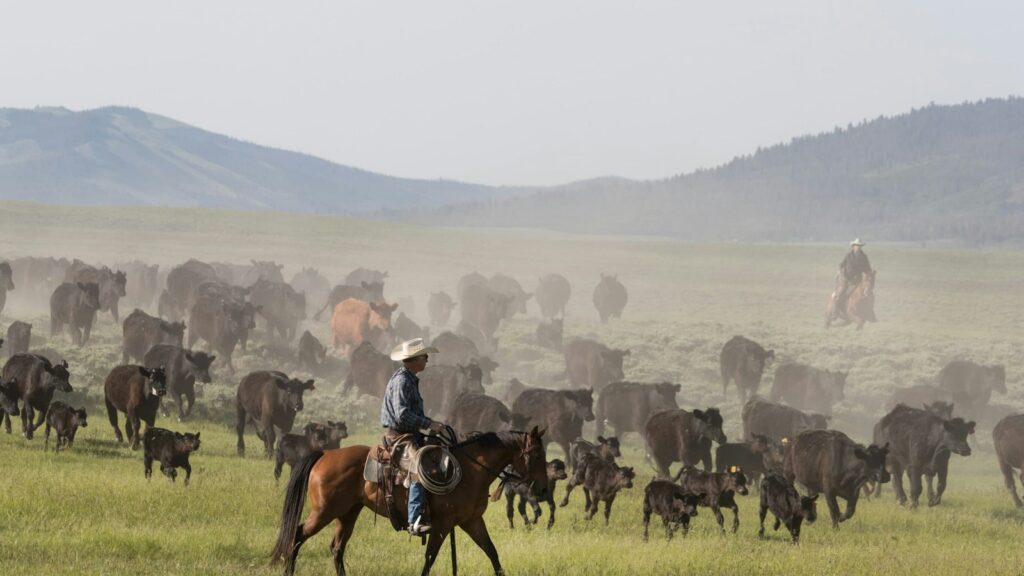
The ideal cattle drive horse ultimately represents a carefully balanced combination of physical attributes, mental characteristics, and specialized training tailored to the specific demands of extended work with livestock. While certain breeds have historically excelled in this specialized role, individual variation within breeds remains significant—exceptional horses and less suitable specimens can be found in any bloodline. Experienced ranchers and stock horse trainers often recommend evaluating prospects based on demonstrated ability rather than papers or appearance alone, recognizing that the practical test of actual work reveals qualities that might not be immediately apparent. For those seeking horses for contemporary cattle operations, the fundamental qualities that made certain horses invaluable during historical drives remain relevant: soundness, stamina, intelligence, and the willingness to partner with humans in challenging work. Whether managing a modern ranch operation or simply appreciating America’s western heritage, understanding these exceptional equines provides valuable insights into the remarkable adaptability of horses and their continuing importance in specialized agricultural contexts even in our technological age.