
Equestrians and horse owners share one critical priority: ensuring their equine companions remain comfortable and healthy. Tack that doesn’t fit properly is not merely an inconvenience—it can cause significant pain, behavioral issues, and even long-term physical damage to your horse. Recognizing the signs of soreness from ill-fitting saddles, bridles, and other equipment is essential for responsible horsemanship. Many horses stoically endure discomfort without obvious complaint, making it crucial for riders to develop a keen eye for subtle indicators of pain. This comprehensive guide will help you identify when your horse is experiencing discomfort from improperly fitted tack, understand the underlying causes, and take appropriate action to resolve these issues.
Understanding the Importance of Proper Tack Fit

The relationship between a horse and its tack is analogous to how our shoes and clothing fit us—except horses cannot verbally communicate when something hurts. Properly fitted tack distributes pressure evenly across intended areas, allows freedom of movement, and works with the horse’s natural biomechanics. When tack fits incorrectly, it can restrict movement, create pressure points, pinch sensitive areas, and ultimately cause pain ranging from mild discomfort to debilitating injury. Even subtle fitting issues compounded over time can lead to muscle atrophy, behavioral problems, and compromised performance that might be mistakenly attributed to training issues or the horse’s temperament. Understanding proper fit isn’t just about comfort—it’s fundamentally about your horse’s welfare, athletic potential, and the safety of both horse and rider.
Behavioral Changes That Signal Discomfort
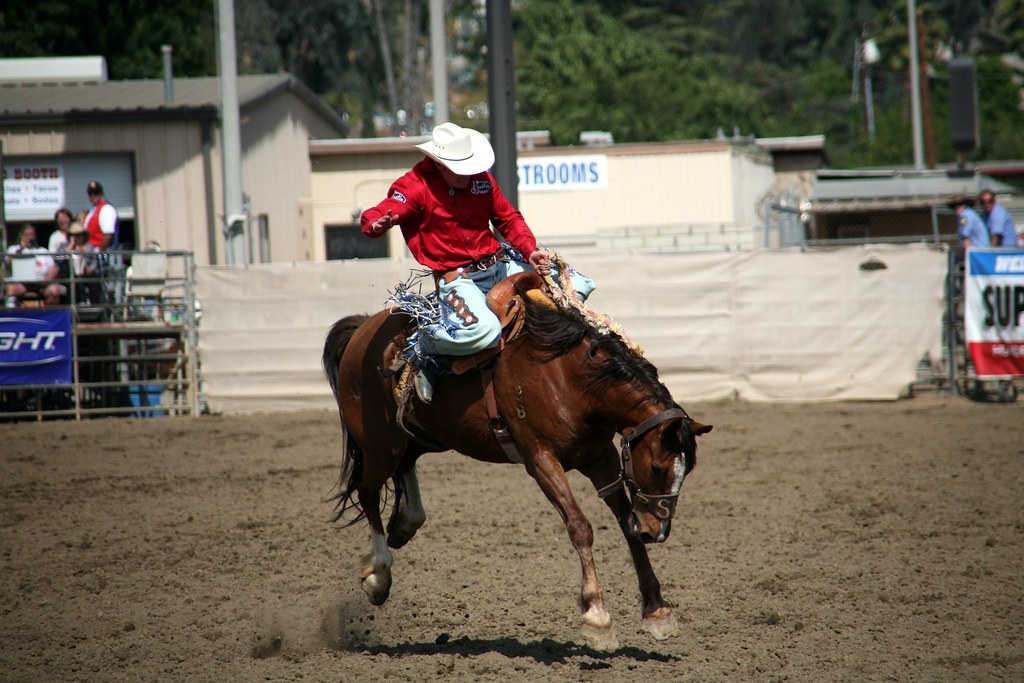
Horses often communicate tack-related pain through changes in behavior that may initially seem like training problems or bad habits. A previously cooperative horse that suddenly becomes difficult to saddle, pins its ears, swishes its tail excessively, or holds its breath during tacking up may be anticipating pain. Under saddle, behaviors like head tossing, constant movement, reluctance to move forward, bucking, rearing, or refusing certain movements can all indicate discomfort. Other telling signs include excessive sweating in specific areas, grinding teeth, clamping the tail, or developing new habits like consistently favoring one lead or refusing to bend in a particular direction. These behavioral changes typically emerge gradually rather than suddenly, which is why maintaining consistent observation of your horse’s typical demeanor is crucial for early detection of tack-related issues.
Physical Signs of Saddle-Related Soreness
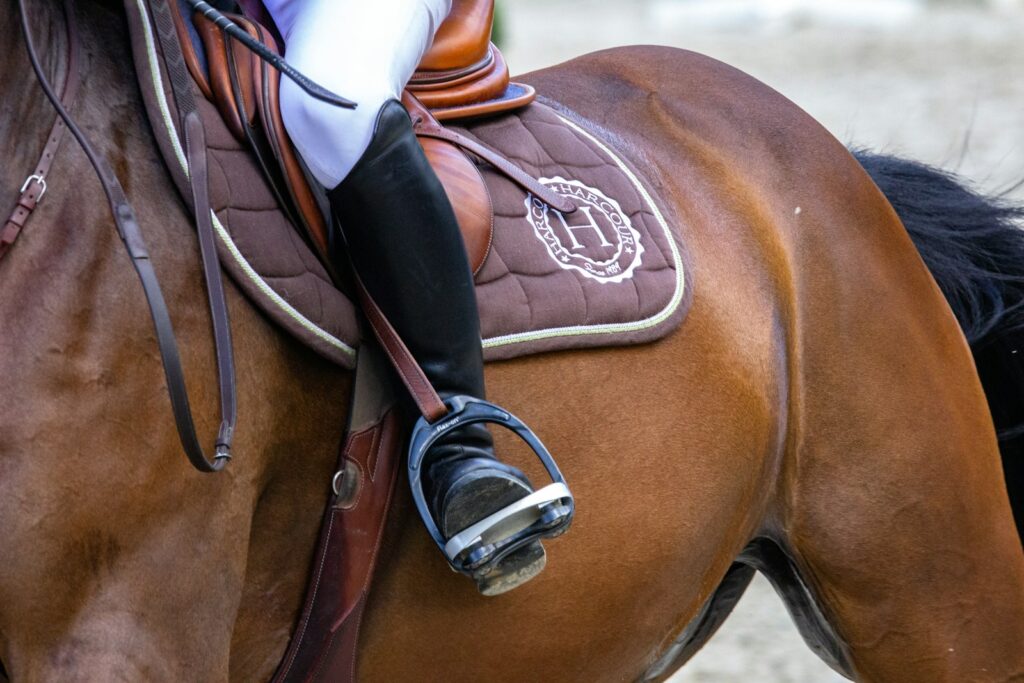
A properly fitted saddle should distribute the rider’s weight evenly across the horse’s back without creating pressure points or restricting movement. Physical indicators of saddle-induced soreness include dry spots in an otherwise sweaty saddle area after riding, which suggest pressure points where circulation is compromised. White hairs developing in the saddle area indicate long-term pressure damage to hair follicles, while lumps, heat, or swelling along the back signal inflammation from ill-fitting tack. Muscle atrophy, particularly behind the shoulder or along the topline, can develop when horses consistently alter their movement to avoid pain. After removing the saddle, check for redness, indentations that don’t quickly disappear, sensitivity to touch, or areas where the horse flinches during grooming—all these suggest your saddle is causing discomfort that requires immediate attention.
Bridle-Related Discomfort Indicators

Bridle fit issues can cause significant discomfort that manifests in various ways around the horse’s head, mouth, and neck. Horses experiencing bridle pain may toss their heads repeatedly, open their mouths, cross their jaws, or consistently lean on the bit to escape pressure. Physical signs include chafing, hair loss, or calluses where the bridle contacts the poll, behind the ears, on the cheeks, or around the corners of the mouth. Excessive foaming or bleeding in the mouth suggests bit-related issues, while head shyness or resistance to having the ears touched may develop in response to repeated discomfort. Some horses will demonstrate tension in the neck muscles, develop a hollow way of going, or consistently tilt their head to one side when experiencing bridle-related pain. These symptoms often resolve quickly when the bridle fit is corrected, though some behavioral responses may require retraining even after the physical discomfort is addressed.
Girth and Cinch Problems
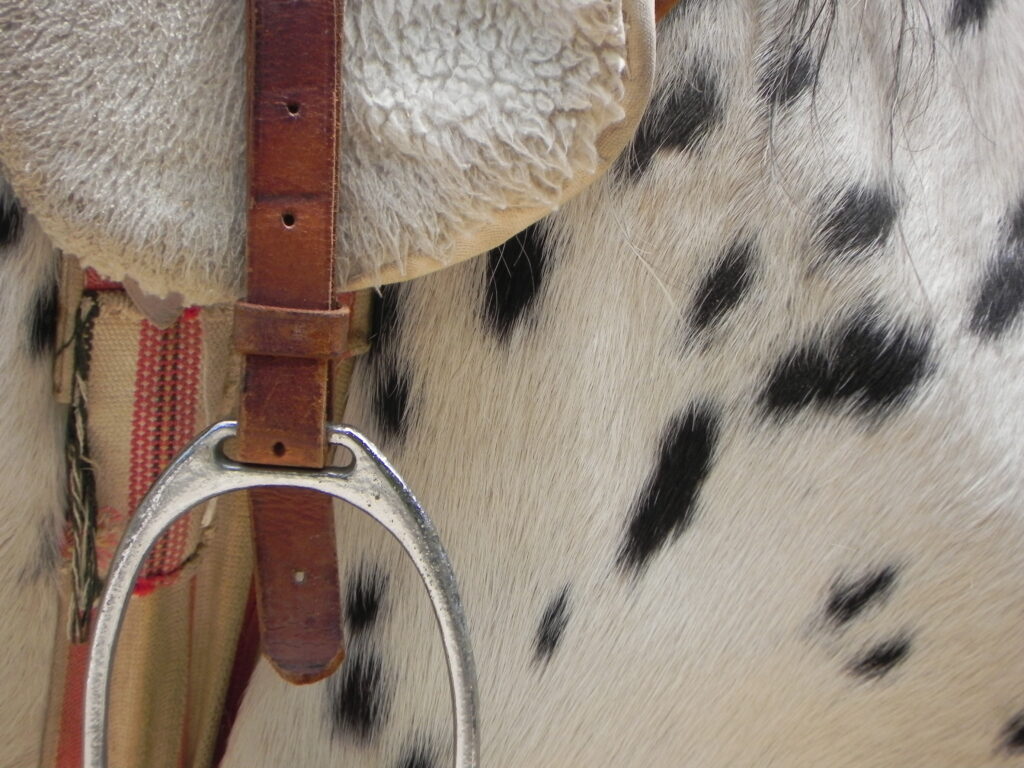
The girth or cinch area is particularly sensitive for many horses and presents unique fit challenges that can cause significant discomfort. Obvious signs of girth soreness include visible rubs, hair loss, flaky skin, or even open sores in the area behind the elbow or along the sternum where the girth sits. Behavioral indicators include pinned ears, biting, or kicking during tightening, dancing or refusing to stand still while being cinched, or repeatedly turning to look at the girth area while being ridden. Some horses will develop a habit of holding their breath during girthing (cinching up), then releasing and expanding their ribcage once mounted, causing the girth to become loose. Horses with girth pain may also show reluctance to move forward, demonstrate stiffness through the shoulders, or develop abnormal movement patterns to compensate for discomfort in this region.
Performance Changes Due to Ill-Fitting Tack

When tack causes pain, performance inevitably suffers as the horse compensates to avoid discomfort. A horse that previously performed certain movements willingly may suddenly struggle with or refuse specific requests that aggravate sore areas. Declining athletic performance might manifest as loss of impulsion, shortened stride length, resistance to collection, difficulty maintaining leads, or inconsistent contact with the bit. Precision movements often deteriorate first—you might notice reduced lateral movement, reluctance to bend, or asymmetrical performance favoring one side. Some horses will initially work through the pain, showing their best performance early in a session before deteriorating as discomfort increases, which can mislead riders into thinking the issue is fitness-related rather than tack-induced. Careful documentation of these performance changes, especially when they follow equipment adjustments or tack changes, can help identify patterns that point to specific fitting issues.
Assessing Saddle Fit: Key Pressure Points
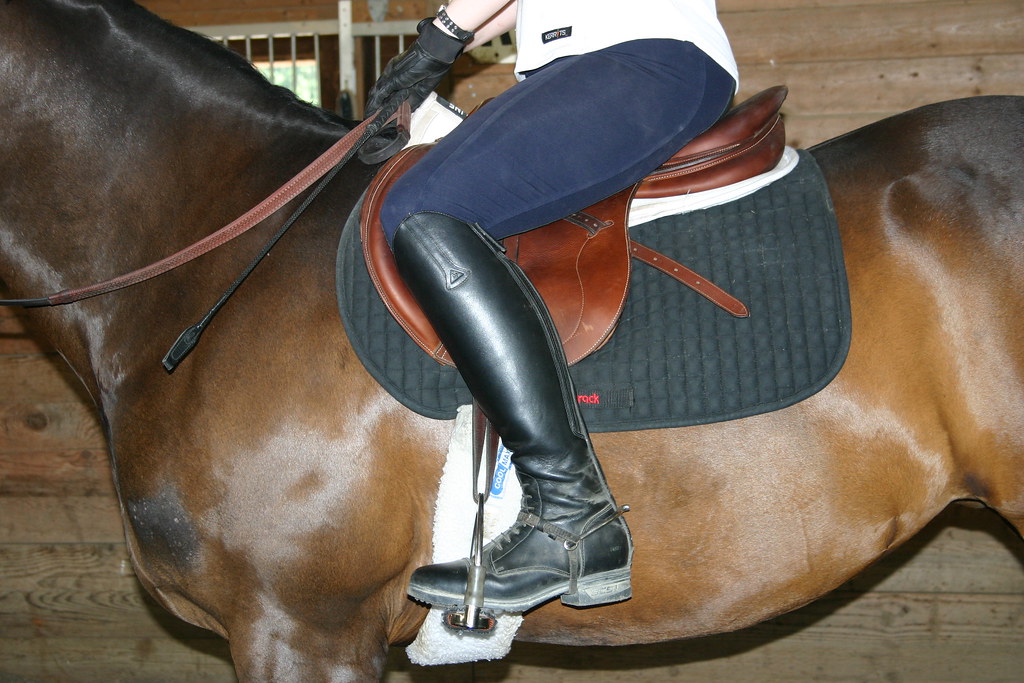
Proper saddle fit requires clearance in several critical areas to prevent pressure-related soreness. The withers should have adequate clearance (generally 2-3 fingers width) both when standing and in motion, as a saddle that’s too narrow pinches this sensitive area while one that’s too wide can slide forward and cause pressure. The saddle tree must match the shape of the horse’s back with even contact along the bearing surfaces without bridging (where the saddle contacts only at the front and back) or excessive pressure at any single point. The panels should distribute weight evenly without creating focal pressure points, while the gullet must provide adequate clearance for the spine throughout its length. The saddle’s balance is equally important—it should sit level without tipping forward or backward, allowing the rider’s weight to be centered over the horse’s center of gravity rather than concentrated on the horse’s shoulders or lower back.
Bit-Related Discomfort and Recognition
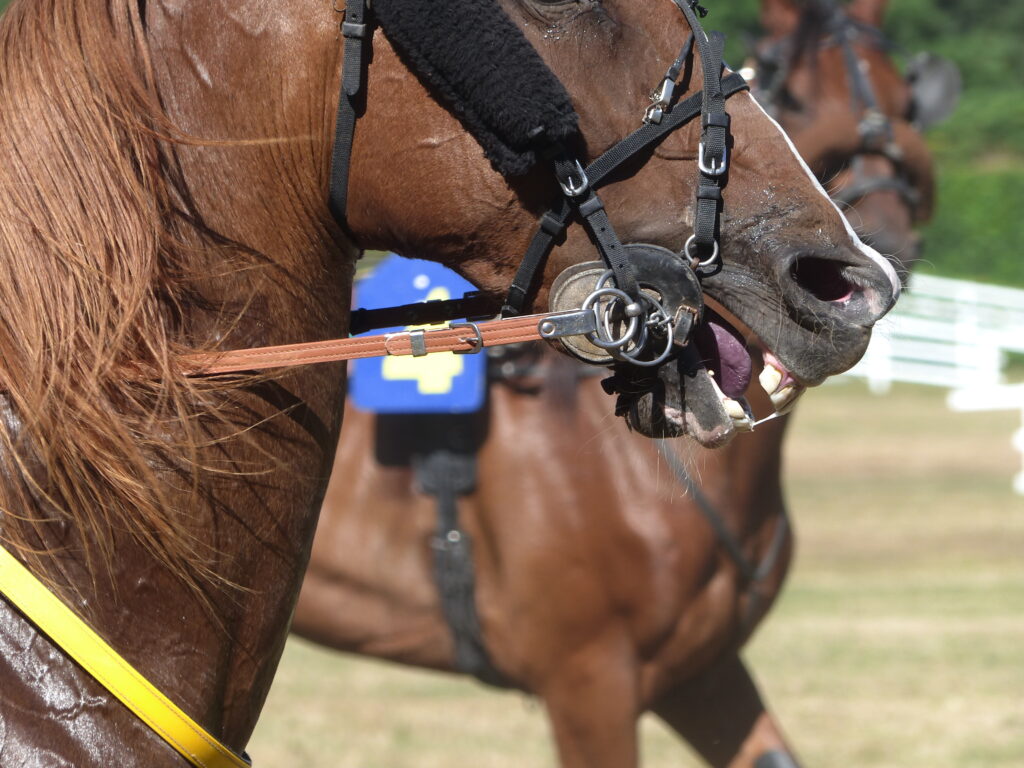
Bit discomfort causes distinctive signs that attentive riders can readily identify with careful observation. Horses experiencing bit pain may constantly open their mouths, move their tongues over or under the bit, excessively salivate, or develop a dry mouth from tension. Physical examination might reveal ulcers, cuts, or bruising on the bars of the mouth, tongue, or corners of the lips. Behavioral indicators include head tossing, teeth grinding, consistent pulling or leaning on the reins, or reluctance to accept contact. Some horses will develop evasive techniques like getting the tongue over the bit, placing the bit between their teeth, or carrying their head abnormally high or low to escape pressure. These issues may stem from poor bit fit, incorrect bit type for the horse’s mouth conformation, improper bit position in the mouth, or rough rider hands—all requiring different remedial approaches to resolve the underlying discomfort.
How to Perform a Basic Tack Comfort Check

Regular tack assessments can help identify potential issues before they cause significant discomfort. Begin by placing the saddle on the horse’s back without pads or girths, checking for even contact and appropriate clearance at the withers, spine, and shoulder. Run your hand between the saddle and the horse’s back to feel for pressure points or gaps, then observe the saddle’s position from all angles to ensure it sits level and properly positioned. For bridles, check that the headpiece clears the base of the ears without pressing on the poll bones, that cheek pieces allow approximately two finger widths between the bit and the corners of the mouth, and that the noseband allows space for two fingers when fastened. After riding, remove tack immediately to examine for sweat patterns, redness, or indentations that might indicate pressure points. Performing these checks regularly, especially after changes in the horse’s weight, muscle development, or when introducing new equipment, can prevent many common tack-related soreness issues.
Seasonal and Body Condition Changes Affecting Tack Fit

A horse’s body undergoes significant changes throughout the year that directly impact how tack fits, often requiring seasonal adjustments to maintain comfort. Weight fluctuations from seasonal feeding changes, varying workout intensities, or health issues can dramatically alter a horse’s shape, particularly around the withers, back, and girth area. Muscle development changes with different training phases, potentially transforming a once-perfect saddle fit into a source of discomfort. Summer shedding versus winter coats can also affect fit margins, sometimes necessitating adjustment of girths, bridles, and nosebands that were comfortable in the previous season. Young horses present additional challenges as their musculature and skeletal structure continue developing, requiring frequent fit reassessments. Maintaining a consistent record of your horse’s measurements across different seasons, along with photographs documenting muscle development, can help track these changes and prompt appropriate tack adjustments before soreness develops.
When to Consult a Professional Saddle Fitter
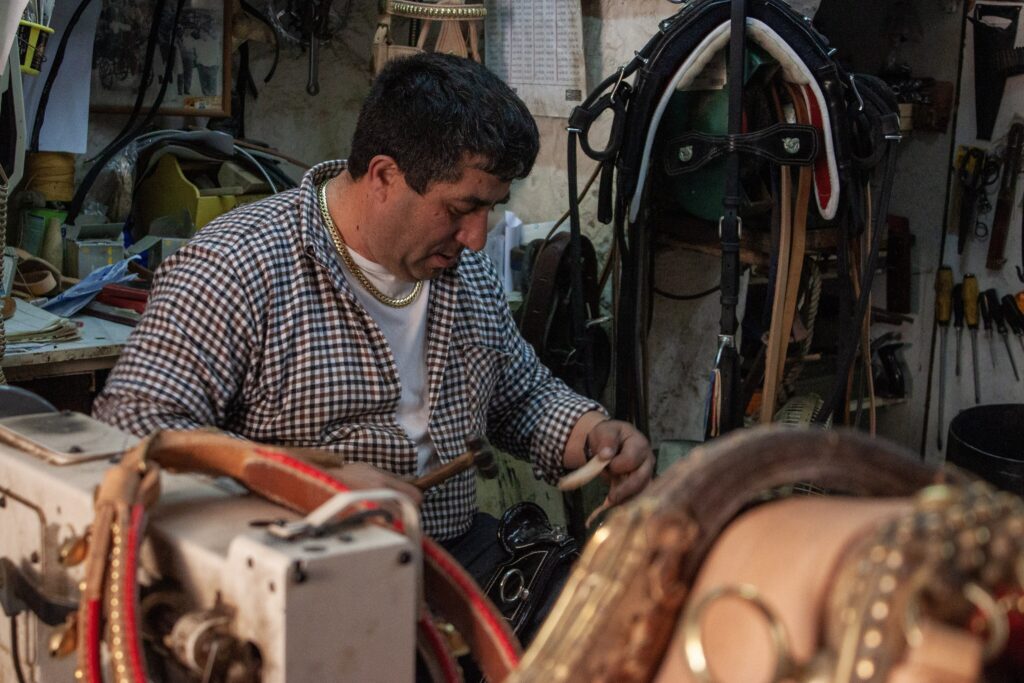
While regular self-assessment of tack fit is essential, certain situations warrant consulting a professional saddle fitter with specialized knowledge and tools. Consider professional evaluation if your horse shows persistent signs of discomfort despite your adjustments, if you’ve recently purchased a new horse or saddle, or if your horse has undergone significant physical changes due to growth, training intensity, or extended layup periods. Professional fitters bring valuable expertise to detect subtle fitting issues using pressure sensing technology, template assessment, and comprehensive understanding of equine biomechanics that goes beyond what most riders can assess. Many reputable saddle fitters offer scheduled check-ups every 6-12 months, which can be particularly valuable for horses in intensive training or those with conformational challenges that make fitting difficult. The investment in professional assessment typically pays dividends in improved performance, prevention of costly veterinary issues, and enhanced welfare for your horse.
Differentiating Between Tack Soreness and Other Issues
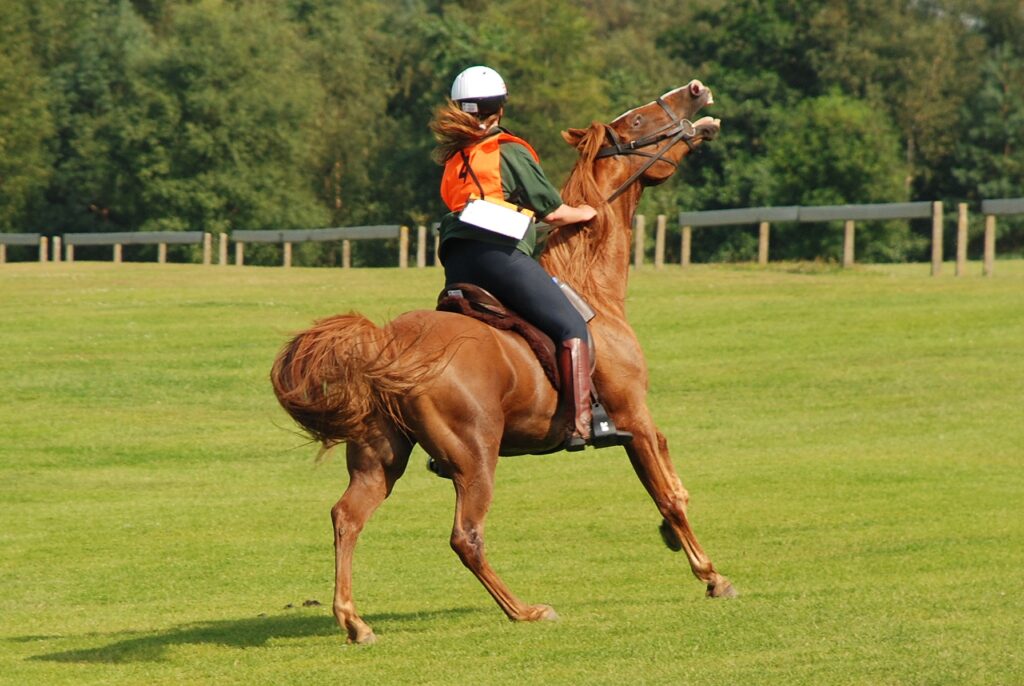
Distinguishing between discomfort caused by ill-fitting tack and other potential health issues requires methodical investigation to avoid misdiagnosis. Pain from hock problems, sacroiliac dysfunction, or back pathologies can manifest similarly to tack-related soreness but requires veterinary intervention rather than equipment adjustments. To differentiate between these issues, observe whether symptoms persist even when the horse is worked without tack or on a lunge line, which would suggest a veterinary rather than tack issue. Try systematically eliminating potential tack problems one by one—using a different saddle, switching bits, or adjusting the girth—and document any changes in behavior or performance that result. Timing can provide clues as well; pain that appears immediately upon tacking up likely relates to equipment, while discomfort that develops gradually throughout work or appears inconsistently may indicate an underlying physical condition. When in doubt, a collaborative approach involving your veterinarian, saddle fitter, and possibly an equine bodywork specialist offers the most comprehensive assessment.
Preventative Measures and Regular Maintenance
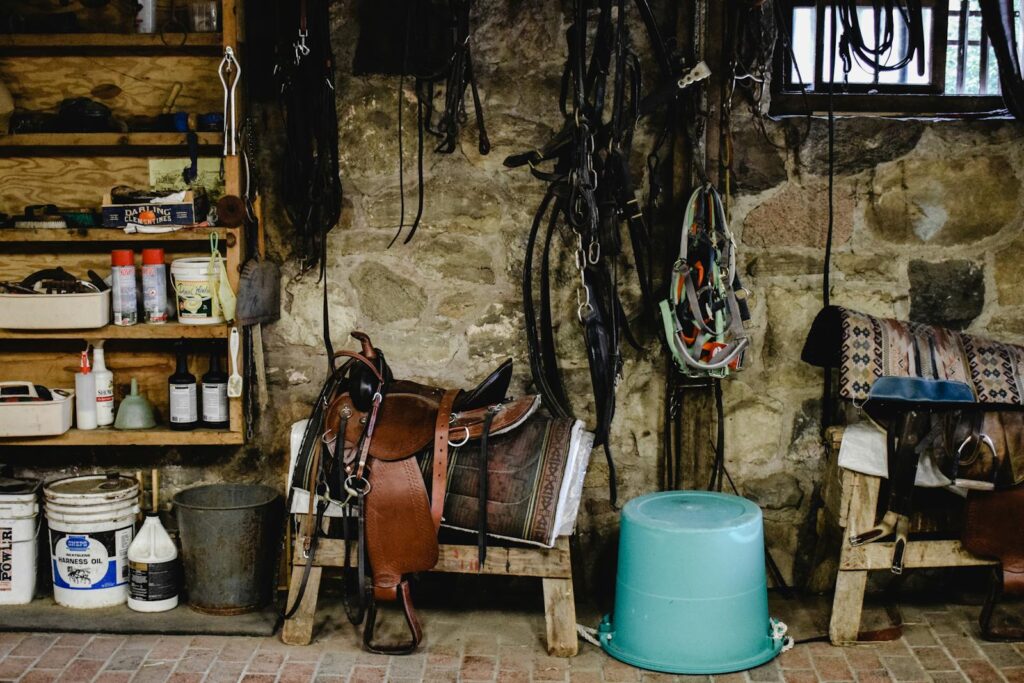
Preventing tack-related soreness requires diligent maintenance and regular assessment protocols. Establish a consistent schedule for checking saddle flocking, which compresses over time and can create pressure points or bridging that leads to soreness. Clean leather tack thoroughly after riding to prevent sweat crystallization that creates stiff areas capable of causing rubs and pressure points. Regularly inspect stitching, billet straps, and tree integrity, as structural failures can dramatically alter how tack distributes pressure. Consider using anatomical pads, contoured girths, or specialized bit designs for horses with conformational challenges that make standard tack uncomfortable. Document your horse’s measurements, saddle settings, and girth holes throughout the year to track subtle changes requiring adjustment. Perhaps most importantly, allocate time for proper warm-up and cool-down, as warm muscles conform better to tack pressure, potentially masking fit issues that become problematic when muscles cool and contract after work.
Rehabilitative Approaches After Identifying Tack Soreness

Once you’ve identified and corrected the source of tack-related soreness, a methodical rehabilitation process helps your horse recover both physically and mentally. Begin with adequate rest from the equipment that caused the problem, allowing inflamed tissues to heal—this may mean eliminating riding temporarily or using alternative equipment that doesn’t aggravate sore areas. Cold therapy can help reduce inflammation for acute soreness, while appropriate bodywork from qualified practitioners may address compensatory tension patterns that developed in response to pain. When reintroducing the corrected tack, proceed gradually with short, positive sessions that rebuild confidence and allow the horse to discover that the equipment no longer causes discomfort. Some horses develop anticipatory tension or evasive behaviors that persist even after the physical problem is resolved, requiring patient, consistent retraining to overcome these learned responses. Throughout rehabilitation, maintain detailed records of your horse’s progress, any lingering sensitivity, and behavioral changes to ensure the fitting solutions implemented are truly resolving the underlying issues.
Recognizing soreness from ill-fitting tack requires attentiveness, knowledge, and regular assessment. By familiarizing yourself with the signs of discomfort—from subtle behavioral changes to obvious physical indicators—you can address problems before they cause significant pain or lasting damage. Remember that each horse is an individual with unique conformation, sensitivity levels, and communication styles. What works perfectly for one may cause significant discomfort for another. The investment of time in understanding proper tack fit and recognizing the early warning signs of soreness pays tremendous dividends in your horse’s soundness, performance potential, and overall wellbeing. Most importantly, it honors the partnership between horse and human by ensuring our equine companions aren’t suffering in silence while carrying us.