From the magnificence of ancient Persia to the splendor of modern British monarchy, horses have played a pivotal role in royal coronation ceremonies throughout history. These majestic animals have transcended their utilitarian purpose to become powerful symbols of sovereignty, strength, and divine right to rule. The connection between coronations and equines represents one of humanity’s most enduring ceremonial partnerships, blending practical necessity with rich symbolism that continues to captivate audiences worldwide. This article explores the fascinating evolution of horses in coronation rituals and why, even in our motorized age, these magnificent creatures remain an indispensable element of royal pageantry.
The Ancient Origins of Horses in Royal Ceremonies
The tradition of incorporating horses into royal ceremonies dates back to ancient civilizations where horses symbolized power, wealth, and divine connection. In Persia, kings would participate in sacred rituals on horseback, demonstrating their mastery over these powerful animals as proof of their right to rule. Ancient Egyptian pharaohs similarly used horses and chariots in their coronation processions, creating a visual spectacle that emphasized their status above ordinary citizens. The Romans continued this tradition, with emperors riding white horses during triumphal processions that often coincided with their ascension to power. These early examples established the horse as not merely a mode of transport but as a living symbol of royal authority that would influence coronation traditions for millennia to come.
Medieval European Traditions Take Shape
The formalization of horses in coronation ceremonies became particularly pronounced during medieval Europe, where elaborate protocols developed around these animals. By the 9th century, monarchs would typically ride to their coronation on horseback, making a ceremonial journey that allowed subjects to witness their soon-to-be-crowned ruler. In France, the coronation procession to Reims Cathedral featured the king on a white horse, surrounded by nobility also mounted on decorated steeds, creating a hierarchy visible to all observers. English coronations similarly incorporated the “King’s Champion,” a knight who would ride into Westminster Hall on horseback during the coronation banquet and issue a challenge to anyone who disputed the monarch’s right to rule. These medieval ceremonies cemented the horse’s role as both a practical necessity and a powerful symbol of chivalric values that underpinned monarchical authority.
The White Horse as a Symbol of Divine Right
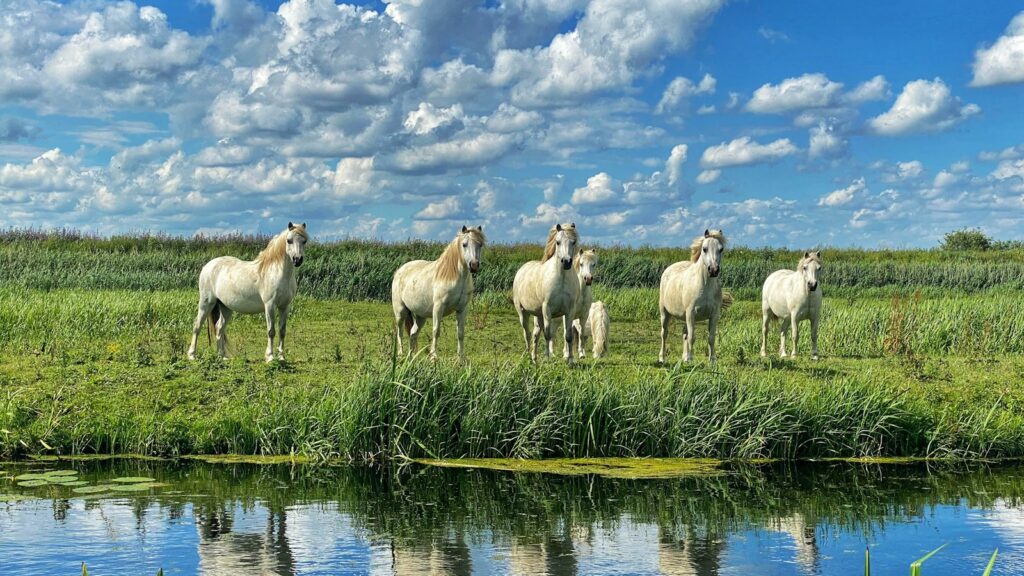
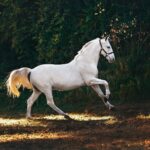
The choice of a white horse for coronation ceremonies wasn’t merely aesthetic but deeply symbolic of the monarch’s divine appointment. White horses have been associated with divinity, purity, and celestial power across numerous cultures, making them the perfect mount for a ruler claiming divine right. In Christian iconography, Christ himself is depicted riding a white horse in the Book of Revelation, creating a powerful parallel between heavenly and earthly authority when a monarch rode such an animal. The Byzantine emperors particularly emphasized this connection, with elaborate ceremonies where white horses played a central role in legitimizing their claim as God’s representatives on Earth. Even today, the British monarch’s procession includes the “Grey Horses” (which appear white) drawing the Gold State Coach, maintaining this ancient symbolic connection between divine favor and royal legitimacy.
Horses in British Coronation History
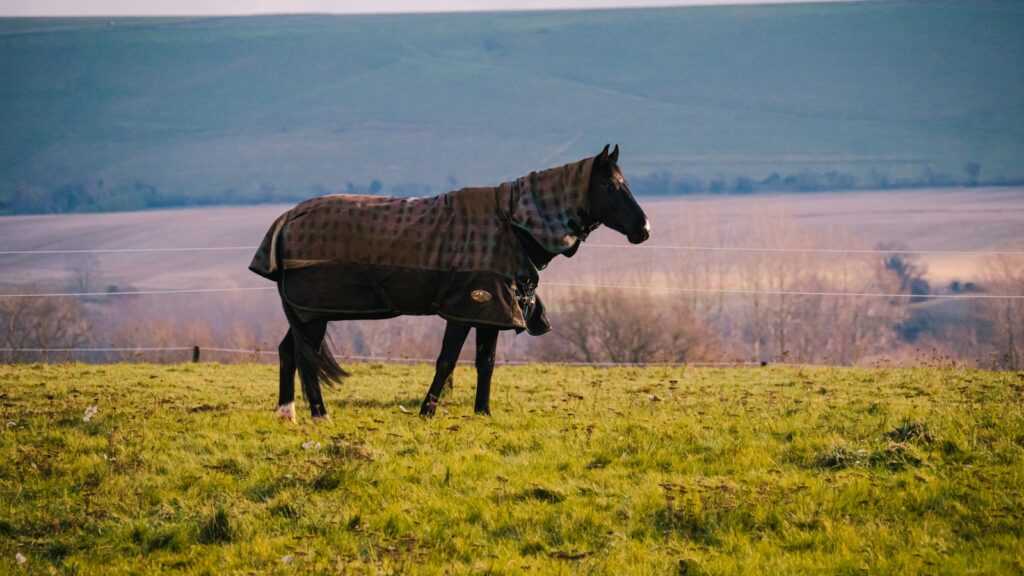
The British monarchy has perhaps the most well-documented tradition of equine involvement in coronations, evolving over a thousand years into the spectacle we recognize today. William the Conqueror rode to his coronation at Westminster Abbey in 1066, establishing a precedent followed by subsequent English monarchs. By the 14th century, the coronation procession had become increasingly elaborate, with caparisoned horses bearing symbolic regalia preceding the monarch. The introduction of the Gold State Coach in 1762 for George III’s coronation transformed the ceremony, with eight cream-colored horses drawing this magnificent vehicle through London’s streets. Queen Elizabeth II’s 1953 coronation featured not only the Gold State Coach but also the Household Cavalry’s mounted regiments providing an escort of over 500 horses, demonstrating how deeply embedded equine elements remain in British coronation tradition even in the modern era.
The Gold State Coach: A Horse-Drawn Masterpiece
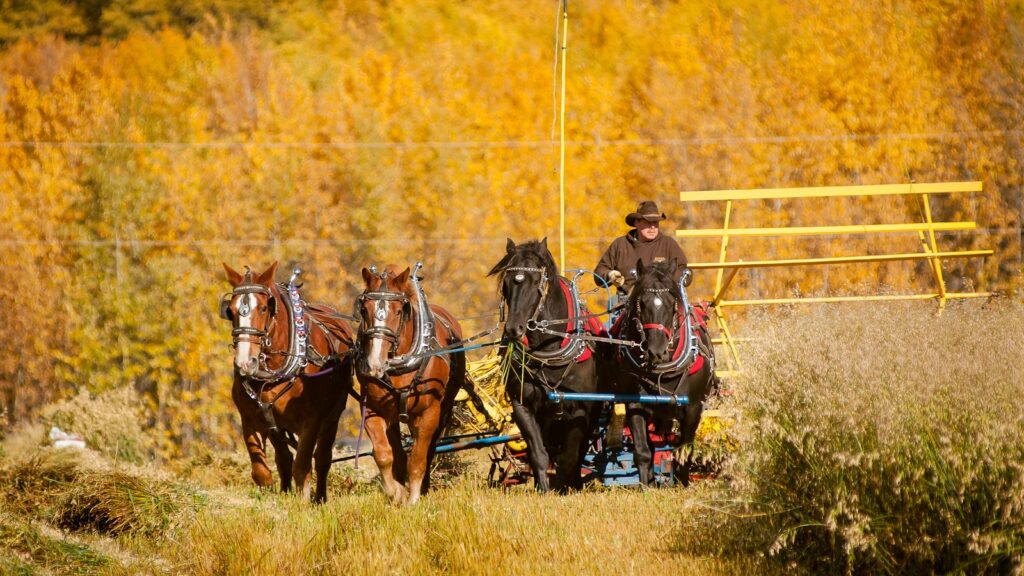
No discussion of horses in coronations would be complete without examining the extraordinary Gold State Coach, which represents the pinnacle of horse-drawn ceremonial vehicles. Commissioned in 1760 and first used for George III’s coronation, this four-ton gilded coach requires eight horses to pull it and has been used at every British coronation since the early 19th century. The coach itself features elaborate mythological decorations, including tritons blowing conches to herald the monarch’s arrival and maritime scenes symbolizing British naval power. Training horses to pull this enormous vehicle requires extraordinary skill – the animals must work in perfect unison while remaining calm amid cheering crowds and ceremonial noise. The sight of these magnificently adorned horses drawing the gleaming coach through London’s streets has become an iconic image of British coronations, representing a tradition that stretches back to when monarchs themselves rode to their coronations.
Equestrian Regiments and Coronation Duties
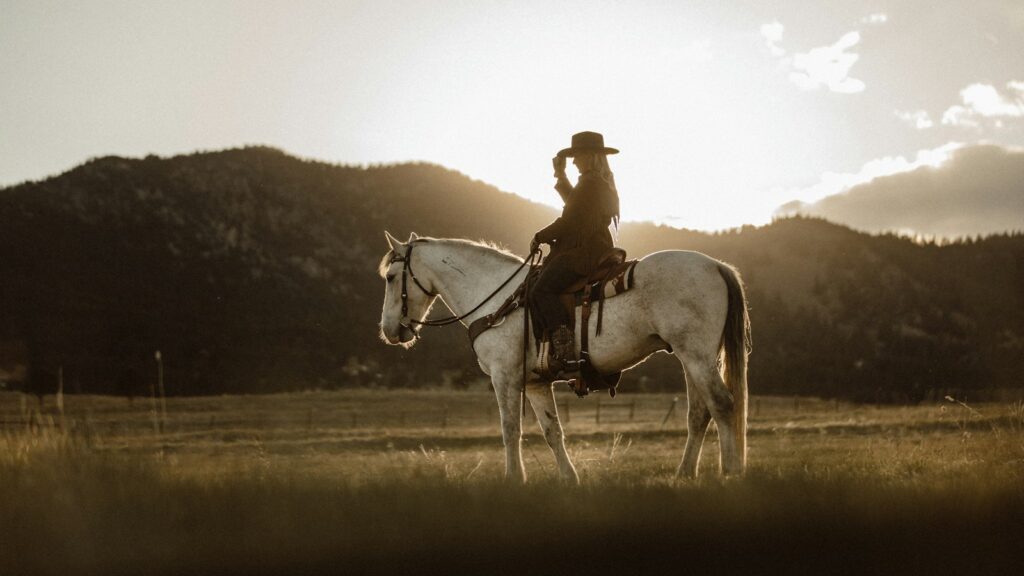
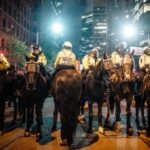
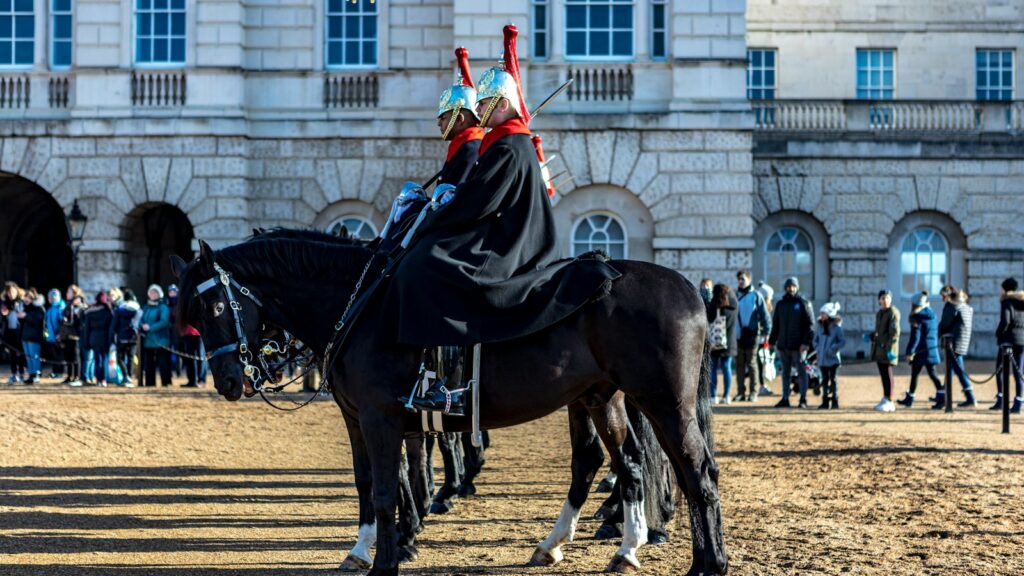
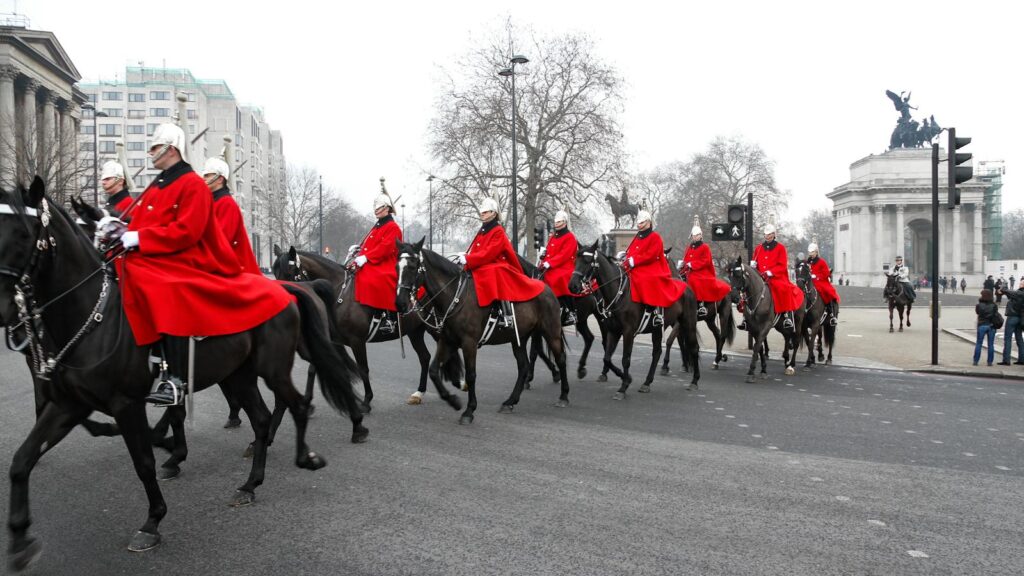
Special equestrian regiments have been developed specifically to serve at coronations, combining military precision with ceremonial splendor. The British Household Cavalry, comprising the Life Guards and Blues and Royals, provides the sovereign’s escort during coronation processions, with riders wearing spectacular uniforms that have changed little since the 19th century. The regiments undergo months of specialized training to prepare both horses and riders for the unique challenges of coronation duty, including acclimatizing horses to the noise of crowds and music. Similar traditions exist across European monarchies, such as the Spanish Royal Guard’s equestrian unit or the Dutch Royal Horse Guards, who participate in their respective coronation ceremonies. These specialized mounted units represent a living connection to historical battlefield traditions, when cavalry accompanied monarchs not just for ceremony but for protection, underscoring how military and ceremonial roles have blended in coronation traditions.
The Logistical Challenge of Coronation Horses
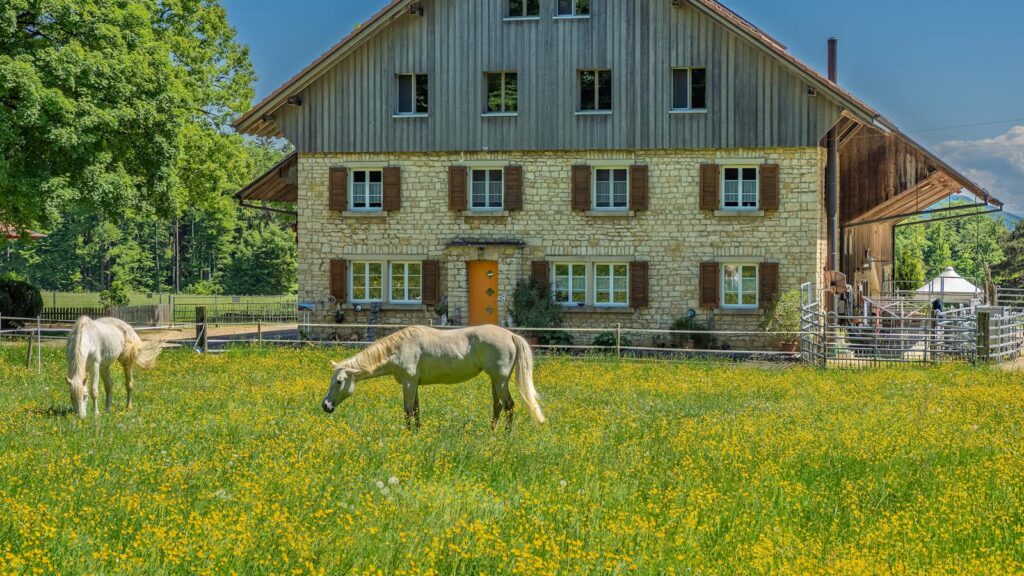
The incorporation of horses into coronation ceremonies presents extraordinary logistical challenges that have grown more complex in the modern era. Preparing hundreds of horses for a single ceremony requires months of careful planning, specialized training, and attention to even the smallest details. For Queen Elizabeth II’s coronation in 1953, temporary stables were constructed near the procession route, and veterinarians were strategically positioned to address any equine health issues that might arise. The horses selected for coronation duty undergo careful temperament assessment and gradual exposure to the sounds, sights, and sensations they’ll experience during the ceremony. Specially formulated feeding schedules are implemented to ensure the animals have sufficient energy without becoming overly spirited, and even contingency plans for adverse weather conditions must be developed to protect both horses and their expensive ceremonial equipment.
Training Horses for Royal Ceremonies
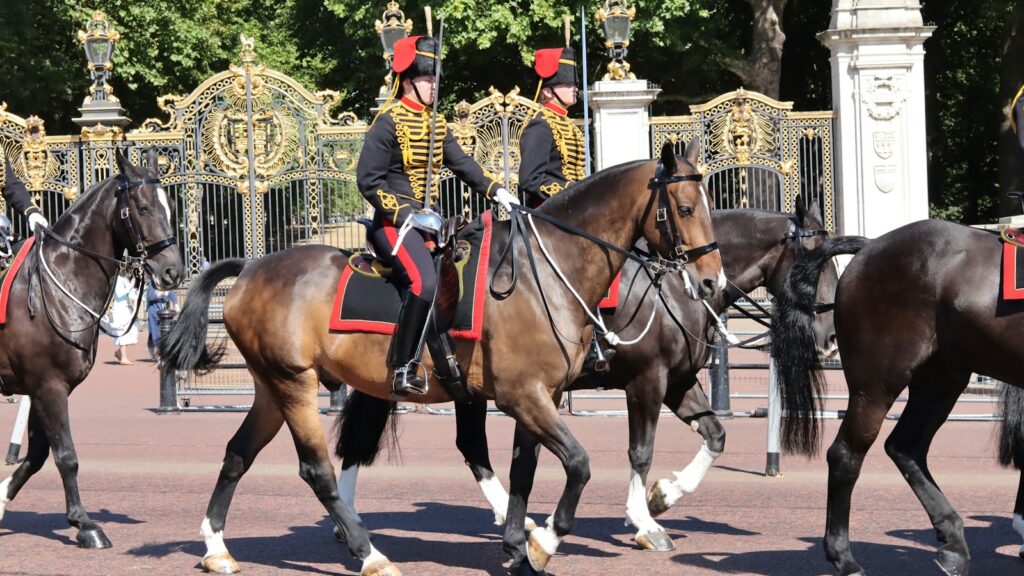
Preparing horses for the unique demands of coronation ceremonies requires specialized training that few equestrians ever encounter. Horses must learn to remain calm amid cannon fire, marching bands, cheering crowds, and fluttering flags – stimuli that would typically trigger their natural flight response. The training process typically begins years before a coronation, with young horses gradually introduced to ceremonial elements through increasingly complex simulations. The British Household Cavalry employs a systematic desensitization program, beginning with recorded crowd noise played in stables and progressing to full dress rehearsals along the actual procession route. Individual horses are carefully matched with experienced riders who can provide reassurance during the ceremony itself. This meticulous preparation ensures that the equine participants can perform their ceremonial duties with the dignity and composure expected of animals in royal service.
Ceremonial Tack and Decorations
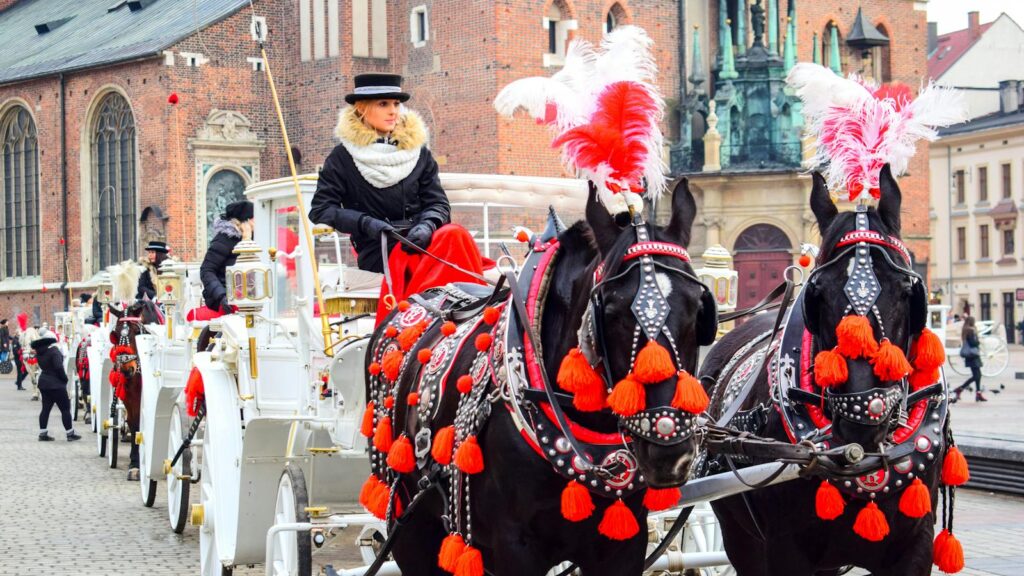
The elaborate decorations and equipment used on coronation horses represent some of the most exquisite examples of ceremonial horse tack ever created. For British coronations, the harnesses for the Gold State Coach horses feature gold-plated buckles, royal crests, and ornate embossing that requires hundreds of hours of craftsmanship to produce. The Household Cavalry horses wear shabraques (saddle cloths) embroidered with royal cyphers, while their bridles feature intricate brass or silver decorations polished to mirror-like perfection. In other monarchies, similar attention to detail prevails – the Dutch royal horses wear orange plumes (the national color) during coronation ceremonies, while the Spanish Royal Guard’s horses are adorned with ceremonial breastplates that date back to the 18th century. These decorative elements aren’t merely aesthetic but convey specific information about regiments, ranks, and royal connections, creating a complex visual language intelligible to those versed in coronation traditions.
Symbolism of Different Horse Breeds in Coronations
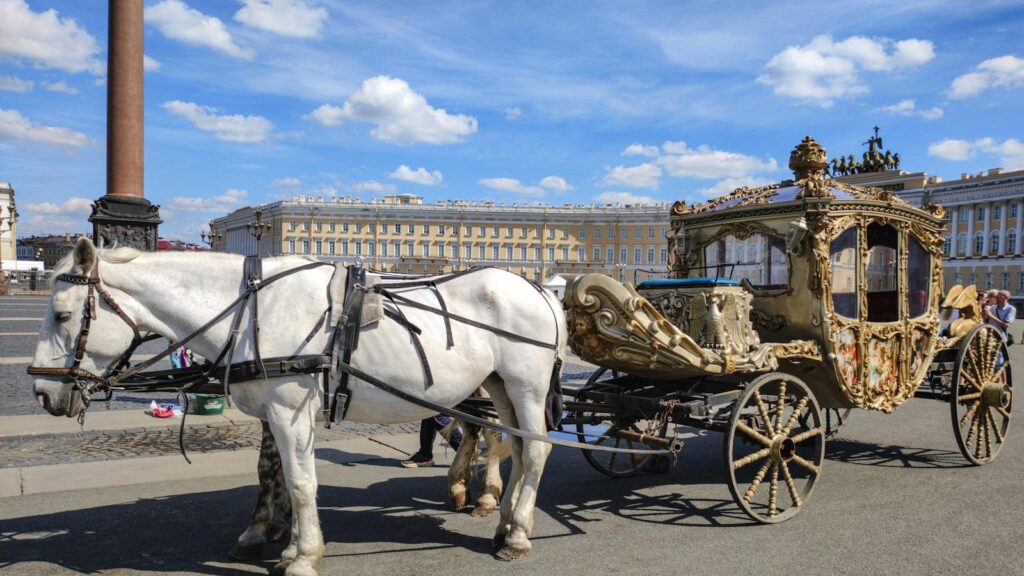
The specific breeds chosen for coronation duties often carry their own symbolic significance and historical connections to royalty. The British monarch’s cream-colored Hanoverian horses (sometimes called “Windsor Greys”) have a lineage dating back to George I, who brought them from his native Hanover when he ascended the British throne in 1714. These horses symbolize the dynastic connections of the British royal family to German nobility and have become closely associated with state occasions. In Swedish coronations, the native Gotland pony has historically featured as a symbol of national identity and connection to ancient Norse traditions. The Spanish Andalusian horses used in Spanish royal ceremonies represent that nation’s proud equestrian heritage and the breed’s historical connection to nobility. These breed selections demonstrate how coronations incorporate elements of national identity and historical continuity through careful choice of equine participants.
Modern Adaptations and Continued Traditions
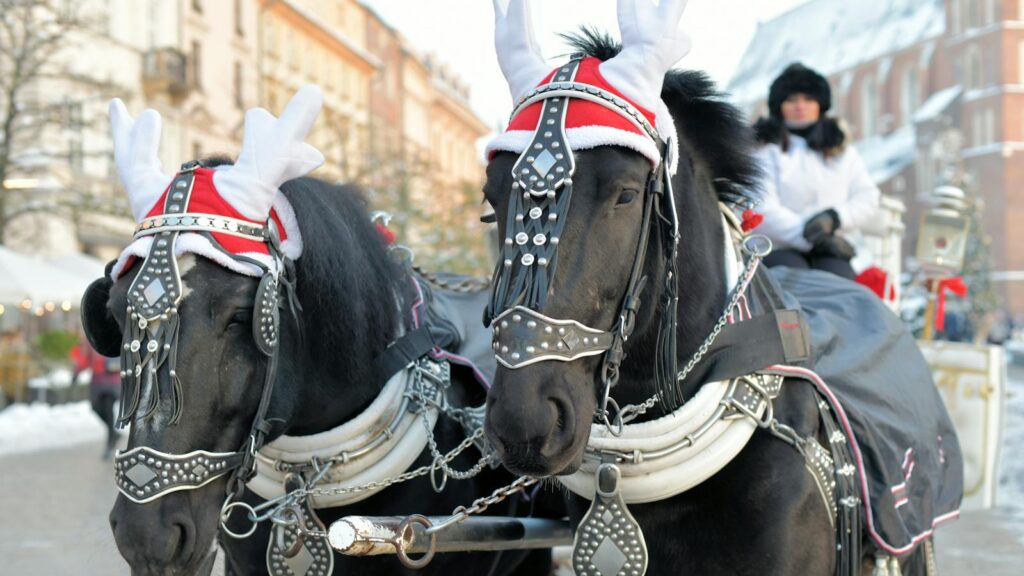
Despite the modernization of society, horses have retained their place in coronation ceremonies, though with practical adaptations to contemporary conditions. Modern coronations account for urban challenges like traffic control, crowd management, and animal welfare concerns that didn’t exist in earlier centuries. For King Charles III’s 2023 coronation, extensive measures were implemented to ensure the horses’ comfort in London’s busy environment, including specialized non-slip horseshoes and remote veterinary monitoring systems. The presence of motorized security vehicles alongside mounted guards represents a practical blend of tradition and modern necessity. Nevertheless, the core equine elements remain remarkably consistent with historical precedent, with the Gold State Coach still drawn by horses and mounted regiments performing essentially the same functions they have for centuries. This remarkable continuity demonstrates the powerful cultural significance of horses in royal ceremonies that transcends purely practical considerations.
Horses in Non-European Coronation Traditions
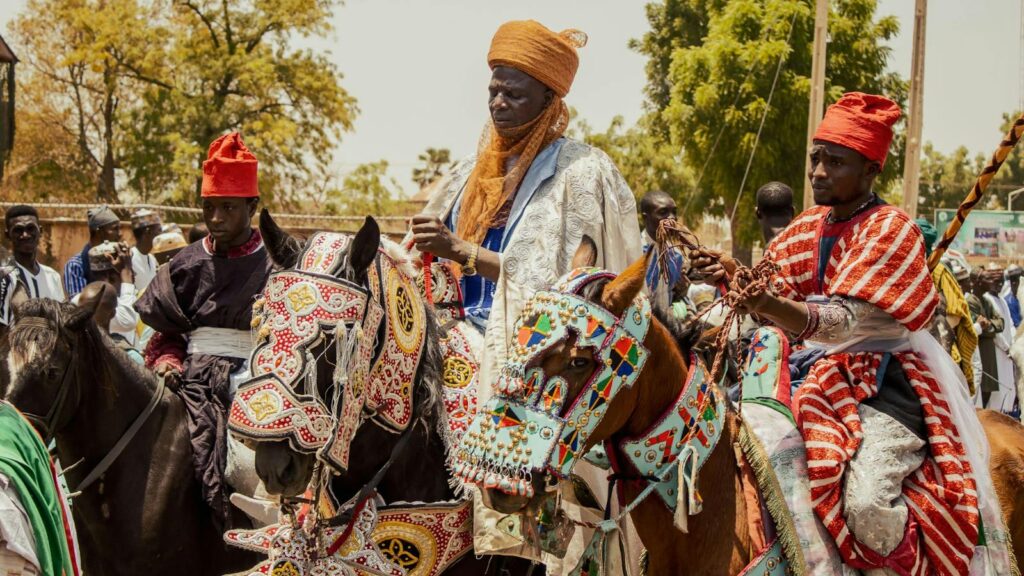
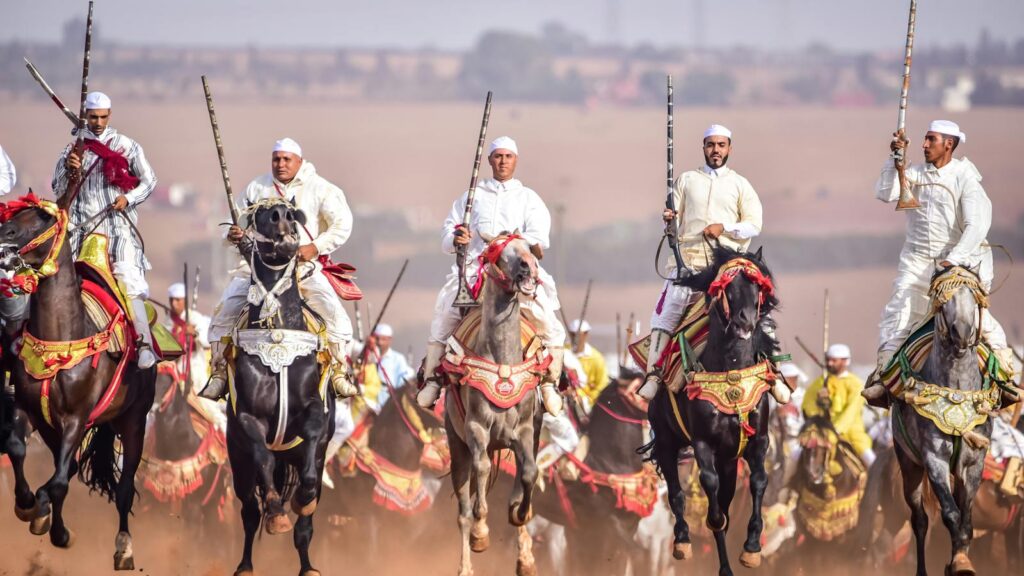
While European traditions are perhaps the most familiar, horses have featured prominently in coronation ceremonies across diverse cultures worldwide. In Thailand, white elephants rather than horses traditionally held ceremonial significance, but horses still featured in royal processions, particularly during the Ayutthaya period when kings would lead military parades on horseback as part of their coronation festivities. Japanese imperial enthronement ceremonies historically incorporated horses with special symbolic significance, including the sacred white horse representing purity and divine connection. In Nepal before the abolition of the monarchy, the royal procession to the coronation site included elaborately decorated horses bearing royal regalia. Morocco’s kings continue to incorporate “Tbourida” – traditional horse-riding displays – into their enthronement ceremonies, demonstrating remarkable horsemanship as a symbol of leadership capability. These diverse traditions underscore the cross-cultural significance of horses as symbols of royal authority and divine sanction across vastly different cultural contexts.
The Future of Horses in Coronation Ceremonies
As we look to the future, the role of horses in coronation ceremonies seems assured despite changing attitudes toward both monarchy and animal involvement in public spectacles. Modern concerns about animal welfare have actually strengthened rather than diminished the care taken with ceremonial horses, with royal households implementing state-of-the-art veterinary care and training methods that prioritize equine well-being. The public’s continued fascination with these magnificent animals ensures their place in future coronations, as evidenced by the media attention focused on the horses during King Charles III’s 2023 coronation. While some smaller monarchies have simplified their ceremonies, reducing equine elements for practical or cost reasons, the major royal houses maintain these traditions as vital links to their historical legitimacy. The powerful visual impact of horses in coronation ceremonies – combining natural beauty, historical resonance, and ceremonial grandeur – ensures their continued prominence in these rare but significant royal events for generations to come.
conclusion
The enduring presence of horses in coronation ceremonies represents far more than mere pageantry or adherence to tradition. These magnificent animals provide a living link to the historical foundations of monarchy itself, when rulers demonstrated their fitness to govern through mastery of horses on both battlefield and ceremonial grounds. From ancient empires to modern constitutional monarchies, horses have consistently symbolized the special status of royalty, combining practical transportation with powerful imagery that resonates across cultural boundaries. As we witness contemporary coronations, the horses that draw the golden coaches and carry the royal guards represent an unbroken ceremonial thread stretching back through centuries of human history – a reminder that even in our technological age, some symbols of power and majesty remain irreplaceable.