
introduction
Horses are magnificent creatures that blend power, intelligence, and sensitivity in a package weighing over 1,000 pounds. While their size alone commands respect, some horses develop pushy behaviors that can quickly escalate from mildly annoying to dangerous. Whether you’re dealing with a horse that barges through gates, invades your personal space, nips at your pockets, or ignores commands, establishing clear boundaries is essential not just for convenience but for safety. Pushy behavior isn’t simply a personality quirk—it often indicates confusion about herd dynamics or learned patterns that have been inadvertently reinforced. The good news is that with consistent training, clear communication, and proper techniques, you can transform even the pushiest horse into a respectful partner. This guide will walk you through understanding, addressing, and preventing boundary-crossing behaviors in horses.
Understanding Why Horses Become Pushy
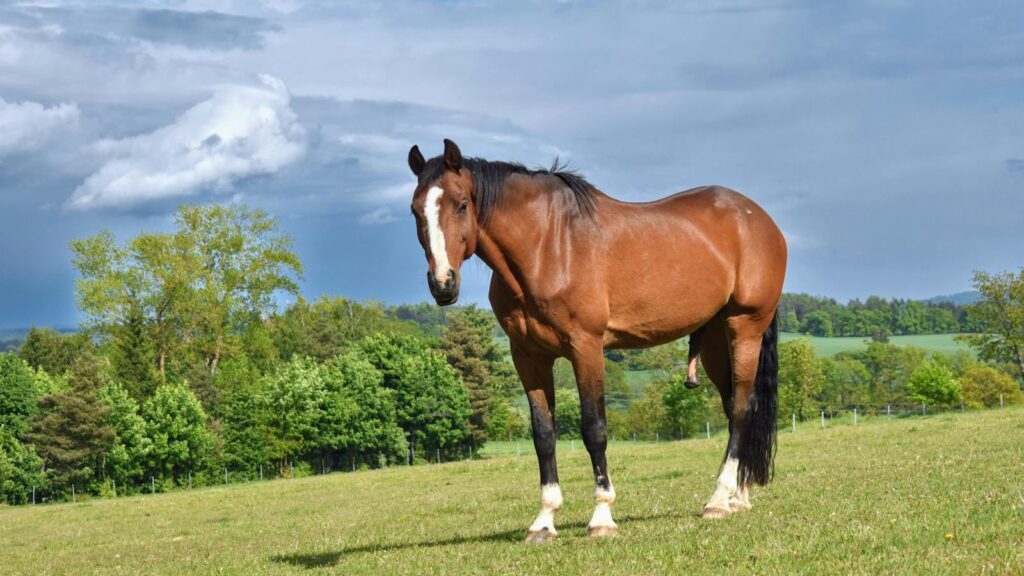
Horses are herd animals with a naturally established hierarchy, and their pushy behaviors often stem from confusion about their place in relation to humans. A horse that hasn’t been taught to respect human boundaries may treat people as they would lower-ranking herd members—pushing, crowding, or even nipping to establish dominance. In many cases, these behaviors develop because humans have inadvertently rewarded them, perhaps by giving treats when a horse nudges or by allowing the horse to determine when and where to move. Sometimes, previous handling experiences have taught the horse that pushing works—they push, and humans move out of the way. Additionally, some horses develop these behaviors out of fear or insecurity, essentially testing boundaries to determine if their human handlers are capable leaders they can trust.
Recognizing Signs of Pushy Behavior
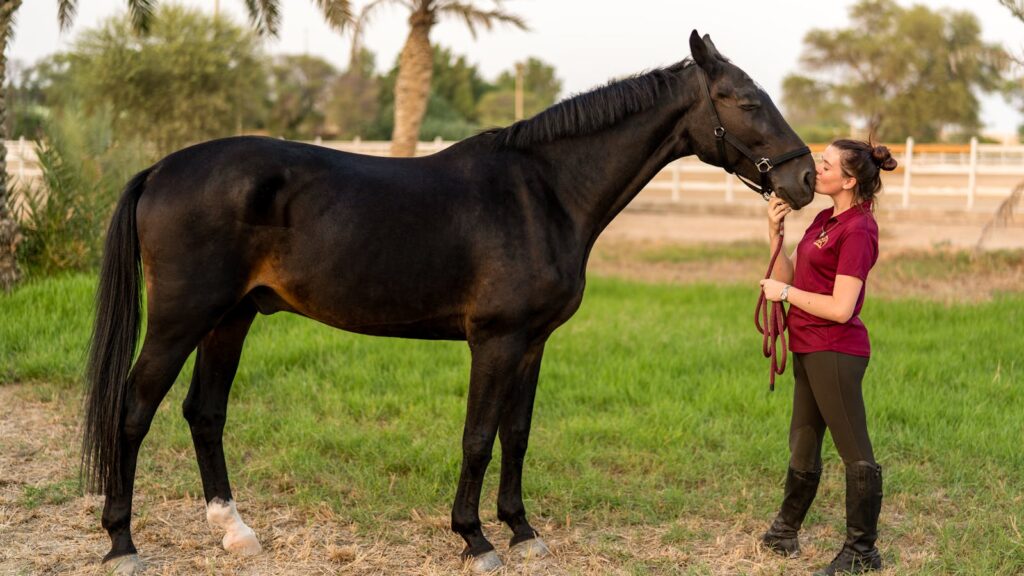
Identifying pushy behavior early is crucial for addressing them before they become ingrained habits or safety concerns. Common signs include a horse that crowds your space, bumps you with their nose or head, turns their hindquarters toward you, pins their ears when asked to move, or refuses to stand still during handling. More serious indicators include barging through gates or doorways without waiting for permission, stepping on your feet, nipping or biting, or pushing against pressure rather than yielding to it. You might also notice subtler cues like a horse that consistently invades your personal bubble, ignores your cues until they’re forcefully given, or exhibits impatient behaviors like pawing or head-tossing when asked to wait. These behaviors often escalate gradually, so catching them early makes correction much easier.
Establishing Your Leadership Position
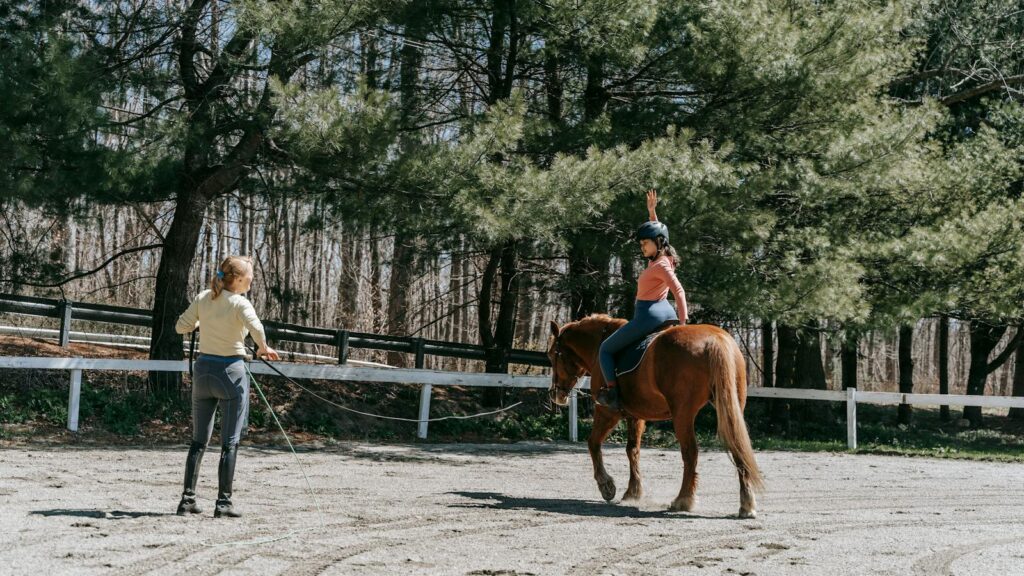
Horses respect clear leadership, and establishing yourself as the leader doesn’t require force or intimidation—rather, it requires consistency and confidence. Start by carrying yourself with purpose around your horse, using deliberate movements and avoiding nervous or timid body language that might suggest you’re unsure. When asking a horse to move, do so with the expectation that they will comply, rather than with the question of whether they might. Practice controlled lead exercises where you determine the speed, direction, and stopping points, rewarding the horse with release of pressure and verbal praise when they follow your guidance. Remember that fair leadership also involves being predictable; horses feel secure when they understand what’s expected of them and can anticipate the consequences of their actions.
Creating and Maintaining Personal Space

One fundamental boundary all horses should respect is personal space—an invisible bubble around you that the horse shouldn’t enter without invitation. To establish this boundary, use consistent cues like raising your hand, making a gentle “shooing” motion, or applying light pressure to the horse’s chest or shoulder when they intrude. The moment the horse steps back, immediately release the pressure and offer verbal praise, reinforcing that respect for space results in reward. Practice standing with your horse in different contexts, only approaching them when they’re showing respectful body language like a lowered head, relaxed posture, and attentive (but not aggressive) focus. When leading a horse, insist they maintain a position beside or slightly behind your shoulder rather than surging ahead or lagging so far behind that you must pull them forward.
Effective Groundwork Exercises
Groundwork forms the foundation of respectful horse-human relationship and provides excellent opportunities to establish boundaries. Begin with basic yielding exercises, teaching your horse to move away from pressure applied to different parts of their body—their shoulder, hindquarters, and face. Practice sending the horse away from you in a circle and bringing them back using clear body language and consistent cues. Another valuable exercise is teaching “sending,” where you direct the horse between you and an obstacle (like a fence or arena wall), requiring them to respect your space while following direction. Backing exercises are particularly effective for pushy horses, as they counter the natural pushing-forward tendency; ask the horse to back up several steps using increasing pressure that is released immediately when they comply.
The Importance of Consistent Consequences
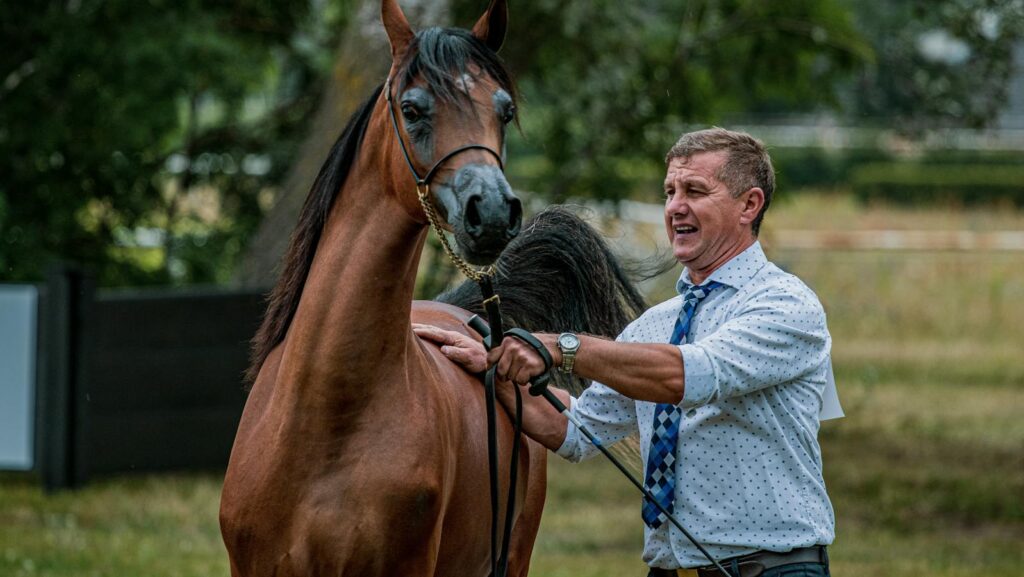
Horses learn through the consistent application of pressure and release, making it essential that your responses to boundary violations remain predictable. When a horse pushes into your space, your correction should happen immediately—not after several infractions or when you’ve become frustrated. The intensity of your response should match the severity of the boundary crossing; a slight intrusion might warrant a verbal cue and light physical redirection, while a dangerous behavior like biting requires a more meaningful consequence. Equally important is the immediate reward when the horse respects boundaries—this might be as simple as ceasing the pressure, offering verbal praise, or allowing a brief rest. Consistency also means that all handlers should enforce similar boundaries; if one person allows pushy behavior while another corrects it, the horse receives confusing messages.
Addressing Specific Pushy Behaviors
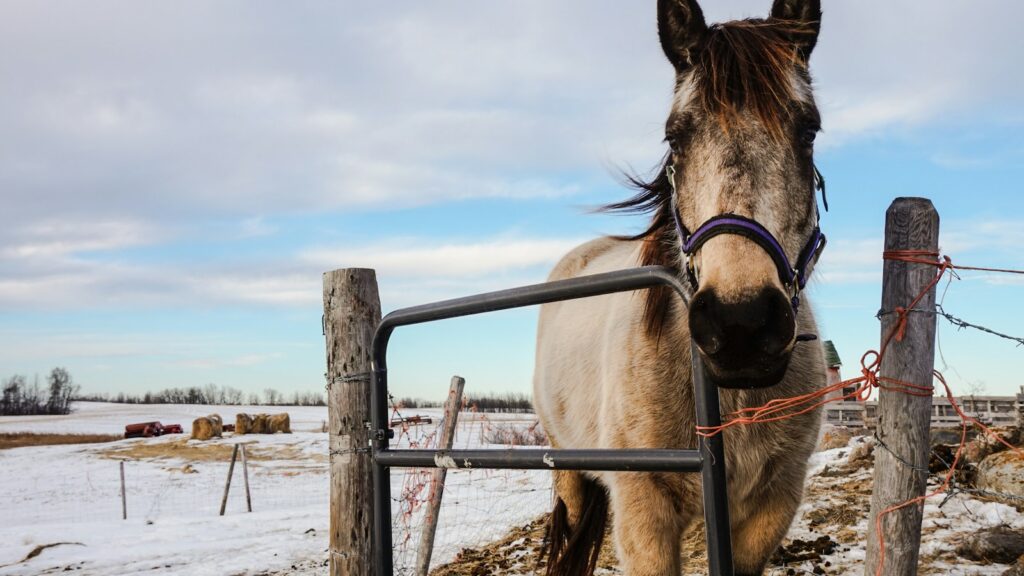
Different pushy behaviors require tailored approaches, though all solutions center on clear communication and consistent boundaries. For a horse that barges through gates, practice opening the gate just a few inches, then closing it if the horse pushes forward—repeat until the horse stands quietly, then allow passage as a reward. With a horse that crowds during feeding, establish a protocol where they must stand at a respectful distance while you prepare their feed, only approaching when invited. Horses that nip or bite may need more intensive work, including immediate backing exercises when they attempt to bite and positive reinforcement when they keep their teeth to themselves. For the horse that ignores personal space, create exercises where the horse must maintain a certain distance from you until invited closer, using a training stick or flag as an extension of your arm to clarify the boundary.
Using Positive Reinforcement Effectively

While boundaries require clarity about unacceptable behaviors, positive reinforcement plays a crucial role in teaching horses what behaviors you do want. Timing is essential when rewarding—mark the exact moment of compliance with a verbal cue like “good” or a clicker if you use clicker training, then follow with the reward. Rewards can include release of pressure, verbal praise, a brief rest, a favorite scratch, or occasionally a treat (though food rewards require careful implementation to avoid creating treat-seeking behaviors). Target training, where a horse learns to touch a target with their nose, offers excellent opportunities for positive reinforcement while teaching the horse to position themselves respectfully relative to you. Remember that reinforcement doesn’t always need to involve food—many horses find relief from pressure, verbal praise, and brief rest periods highly rewarding.
The Role of Body Language in Communication

Horses are masters at reading body language, often noticing subtle changes in posture or energy that humans might not realize they’re conveying. When establishing boundaries, your body position communicates as much as your direct actions—standing tall with shoulders square and energy directed toward the horse’s driving zones (shoulder and hindquarters) sends a clear message to move away. Conversely, turning your back, lowering your energy, or stepping away signals permission to approach. Practice consciously using your energy to create “open” and “closed” doors in different directions around your body, teaching the horse to move away from or step toward you based on these cues. Even your gaze matters; a direct stare increases pressure on a horse, while averting your eyes or softening your focus reduces it.
Preventing Boundary Issues During Feeding
Feeding time presents particular challenges for boundary-setting, as the horse’s natural food motivation can override their training. Establish a routine where horses must stand quietly at a designated spot—perhaps behind a stall door or at a specific distance—while you prepare their feed. If the horse shows impatient behavior like pawing, pushing, or aggressive posturing, delay delivering the feed until they stand quietly for at least a few seconds. In group feeding situations, feed dominant horses first to reduce anxiety and prevent food guarding behaviors that can manifest as pushiness toward humans. Consider using slow feeders or multiple feeding stations to reduce competition and the stress that might trigger boundary-crossing behaviors. For treats, establish a protocol where treats are only given when specifically invited and with clear boundaries—perhaps requiring the horse to take the treat gently from a flat palm only when verbally invited.
Maintaining Safety While Training
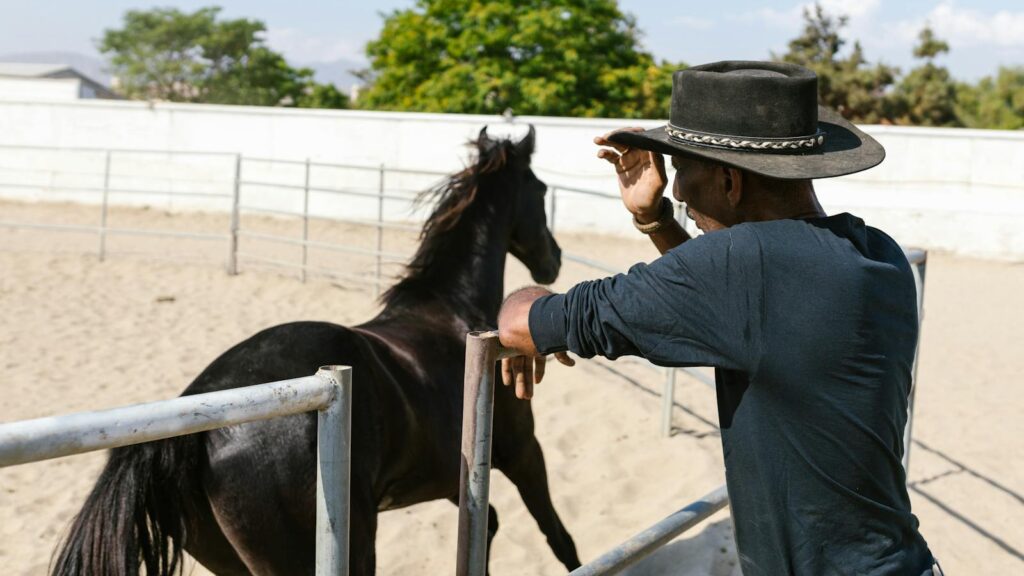
When working with pushy horses, safety must always remain the top priority, as these animals can unintentionally cause serious injury. Always maintain an escape route when working in enclosed spaces with horses, positioning yourself so you can quickly move away if the horse becomes reactive. Consider using protective equipment like sturdy boots to protect your feet and gloves to prevent rope burns when leading strong horses. For particularly challenging cases, don’t hesitate to seek professional help—a qualified trainer can assess the situation objectively and provide targeted strategies. Remember that consistency doesn’t mean putting yourself at risk; if a horse’s behavior threatens your safety, it’s appropriate to end the session and seek assistance rather than continuing in a dangerous situation.
When to Seek Professional Help
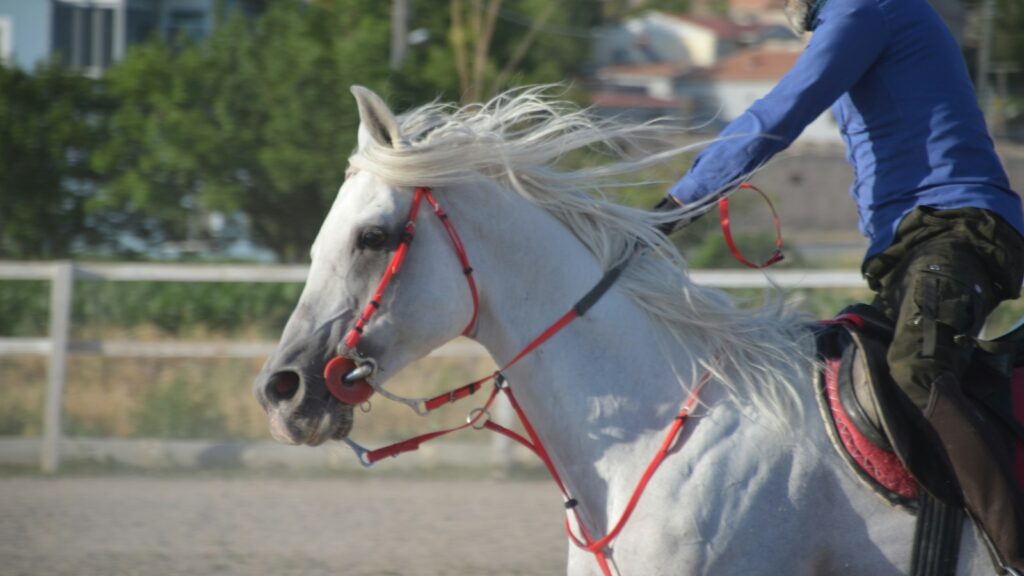
While many boundary issues can be addressed through consistent owner-applied training, some situations warrant professional intervention. Consider consulting a professional trainer if your horse’s pushy behavior is escalating despite your efforts, if the horse shows aggressive behaviors like biting or striking, or if you feel unsafe while handling. Professional help is also appropriate when you’re unsure about the root cause of the behavior—a skilled trainer can distinguish between pushiness stemming from pain, fear, or learned patterns, each requiring different approaches. Look for professionals who use evidence-based, humane methods focused on clear communication rather than dominance or fear-based techniques. Even with professional assistance, recognize that you’ll need to maintain the boundaries they establish, so seek a trainer willing to coach you through the process rather than just “fixing” the horse.
Maintaining Boundaries Long-Term
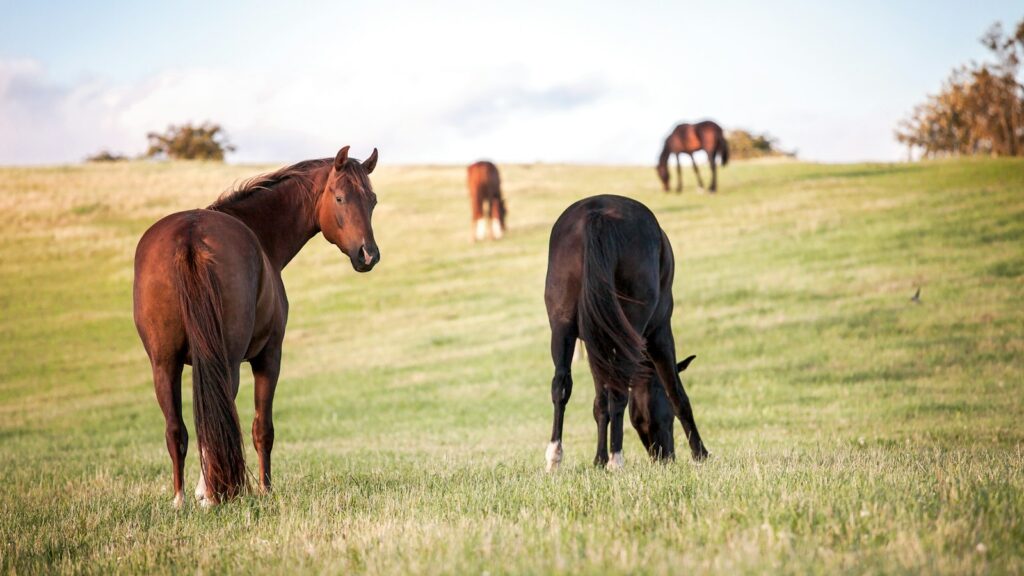
Establishing boundaries is just the beginning—maintaining them requires ongoing attention and consistency. Schedule regular groundwork sessions that reinforce respectful behaviors, even with well-trained horses, as these serve as important “refresher courses” in the rules of engagement. Be particularly vigilant during transitions, such as moving to a new boarding facility, changing handlers, or returning to work after an extended break, as horses often test boundaries during periods of change. Remember that boundary maintenance isn’t just about correction—it’s equally important to acknowledge and reward continued respect. Take time to observe your interactions objectively, perhaps by having someone video your handling sessions occasionally, as handlers sometimes inadvertently allow small boundary violations that gradually grow into larger issues.
conclusion
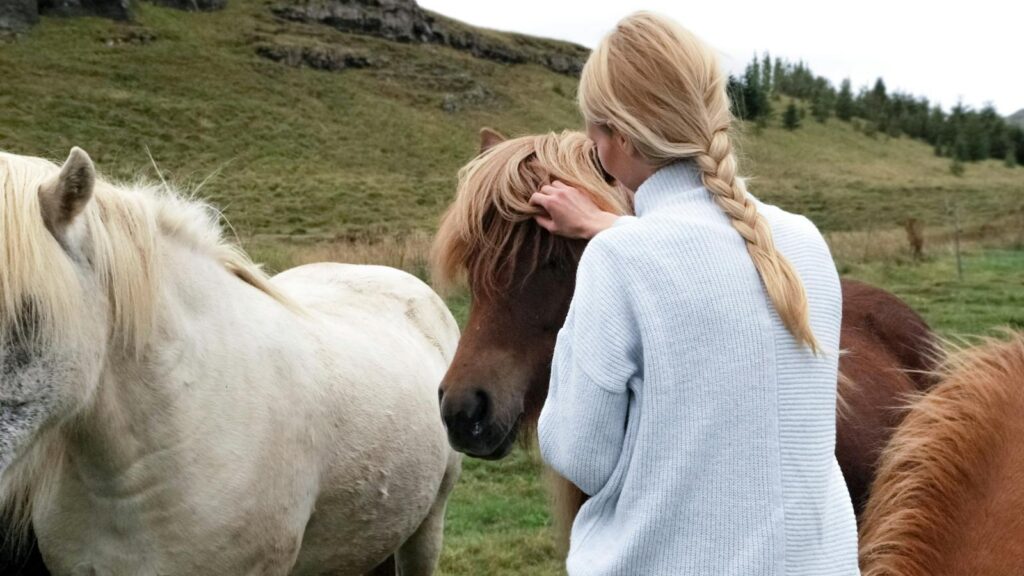
Setting and maintaining boundaries with pushy horses represents one of the most important aspects of horsemanship, touching on safety, relationship quality, and training effectiveness. The process requires patience, consistency, and clear communication, but the rewards are substantial—a respectful horse that’s safer to handle and more pleasant to work with. Remember that boundary-setting isn’t about dominating your horse but about establishing clear expectations that provide security and predictability for both of you. Even the pushiest horse can transform with proper guidance, often becoming especially responsive once they understand the rules. By combining firm boundaries with positive reinforcement, reading your horse’s feedback, and adjusting your approach accordingly, you’ll develop a partnership based on mutual respect that enhances everything from daily care routines to advanced training.