
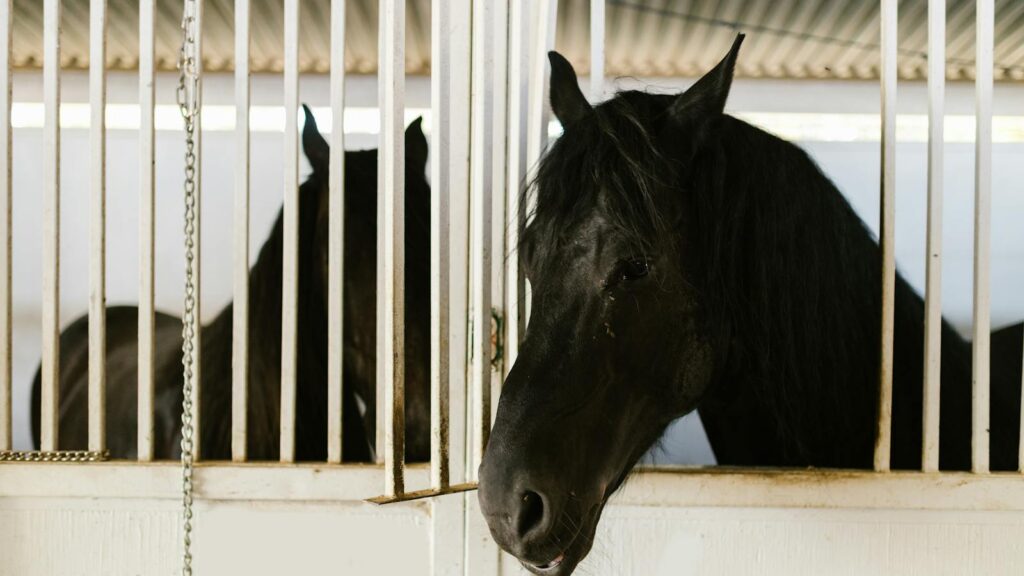
For horses that spend significant time in stalls or barns, mental stimulation is just as crucial as physical exercise. Confined environments, while necessary in many situations, can lead to boredom, frustration, and the development of unwanted behaviors like cribbing, weaving, or stall walking. Creating an enrichment station provides a thoughtful solution that engages your horse’s natural instincts and cognitive abilities, improving their overall wellbeing. By introducing variety and stimulation into their daily routine, you can help maintain your horse’s mental health while strengthening your bond through interactive engagement. This comprehensive guide will walk you through everything you need to know about setting up an effective enrichment station that will keep your equine companion happily engaged during those necessary barn-bound hours.
Understanding Equine Enrichment Needs
Horses are naturally designed to roam, graze, and engage with their environment for up to 16-18 hours daily. When kept in stalls, they lose access to this natural lifestyle, which can create significant mental health challenges. Equine enrichment goes beyond basic care by providing mental stimulation that mimics aspects of their natural behaviors and environment. Research shows that enrichment reduces stress hormones and unwanted behaviors while promoting positive emotional states. Understanding that horses have evolved as social, foraging animals with natural curiosity helps owners design enrichment that truly meets their psychological needs. The goal of any enrichment station should be to provide multiple types of engagement that address different aspects of equine psychology.
Selecting the Right Location
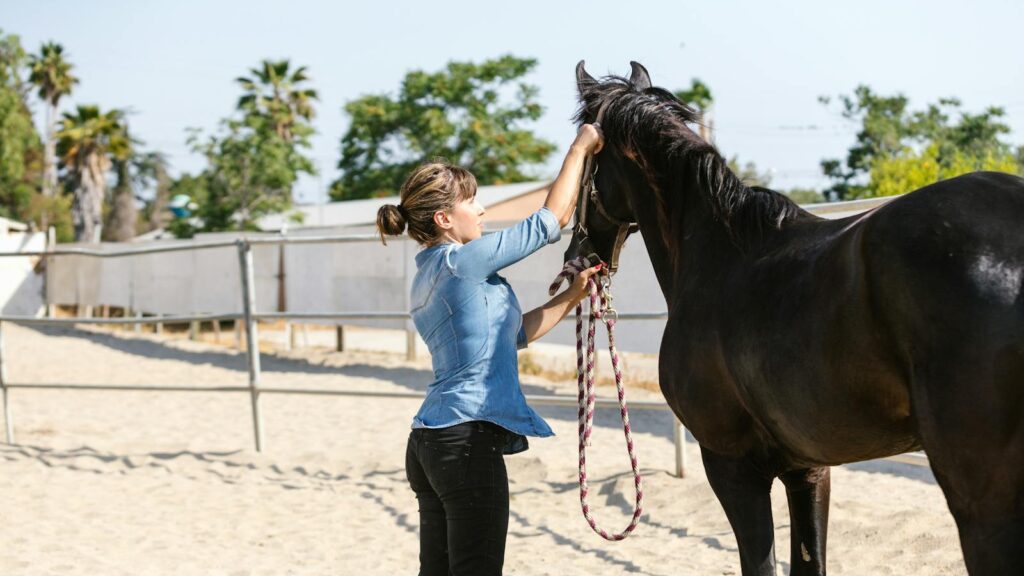
The location of your enrichment station plays a crucial role in its effectiveness and safety. Choose an area within the stall that’s easily accessible to your horse but doesn’t interfere with essential movement, eating, or resting spaces. Corner installations often work well as they utilize otherwise unused space while allowing the horse to engage with the enrichment voluntarily. Ensure the location doesn’t create hazards like potential entanglement or injury risks from neighboring horses. The ideal location should also be convenient for you to access and refresh with new enrichment items. Some owners find success with multiple smaller enrichment zones rather than one central station, allowing the horse to “discover” different activities throughout their stall.
Essential Components of a Basic Enrichment Station
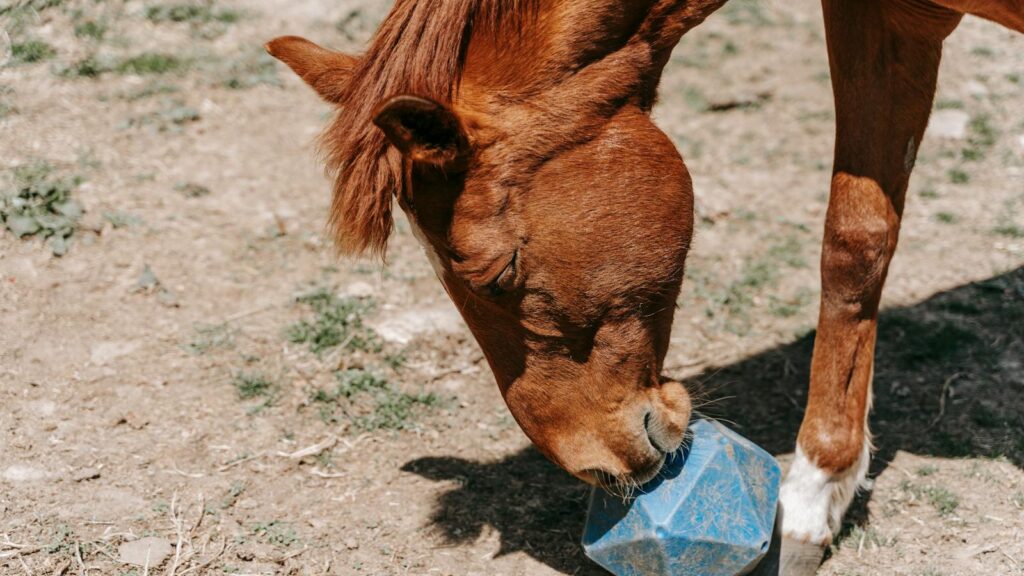
A well-designed enrichment station should include several key components to address different aspects of equine mental stimulation. Start with a sturdy mounting board or frame that can securely hold various enrichment items and withstand investigation by a curious, powerful animal. Include at least one foraging-based enrichment device that extends feeding time, such as a hay ball or treat dispenser. Add a sensory component like a hanging brush or textured surface that allows for self-grooming and tactile exploration. Incorporate something that moves or makes gentle sounds when interacted with to stimulate multiple senses. Finally, ensure all components are made from horse-safe materials with no small parts that could be ingested or sharp edges that might cause injury.
Foraging Enrichment Options
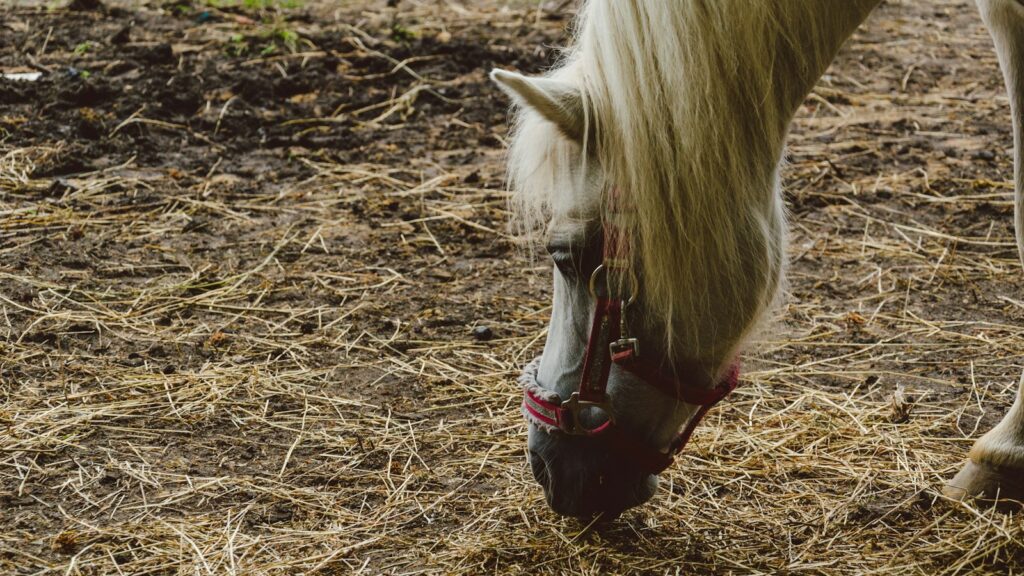
Foraging enrichment extends feeding time and satisfies the natural grazing instinct horses have evolved with over millennia. Slow-feeder hay nets with appropriate-sized holes can extend hay consumption from minutes to hours, more closely mimicking natural grazing patterns. Treat balls that dispense small food rewards when rolled or manipulated provide both physical and mental engagement. Lick mats with spreadable treats like applesauce or mashed carrots offer a different texture and feeding experience. Food puzzles specifically designed for horses require them to solve simple problems to access treats, stimulating their problem-solving abilities. When implementing foraging enrichment, remember to adjust your horse’s regular feed accordingly to prevent weight gain or nutritional imbalances.
Sensory Enrichment Ideas
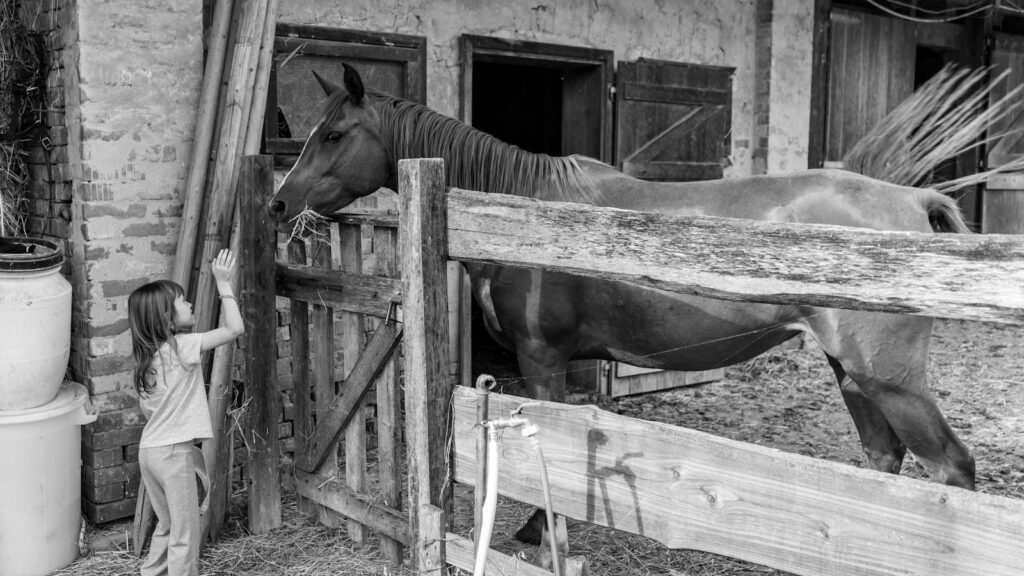
Sensory enrichment engages your horse’s natural curiosity through different textures, sounds, smells, and visual stimuli. Mount safe brushes at shoulder height to allow for self-grooming, which many horses find immensely satisfying. Include items with different textures such as rubber, soft fabric, or natural materials like coconut fiber for tactile exploration. Consider adding scent-based enrichment by occasionally applying horse-safe essential oils like lavender or chamomile to toys or surfaces. Wind chimes designed for equine environments provide gentle auditory stimulation without creating stress. Hanging balls, ribbons, or other visual elements that move slightly with air currents can provide visual interest without overwhelming the horse’s senses.
Interactive Toys and Puzzles
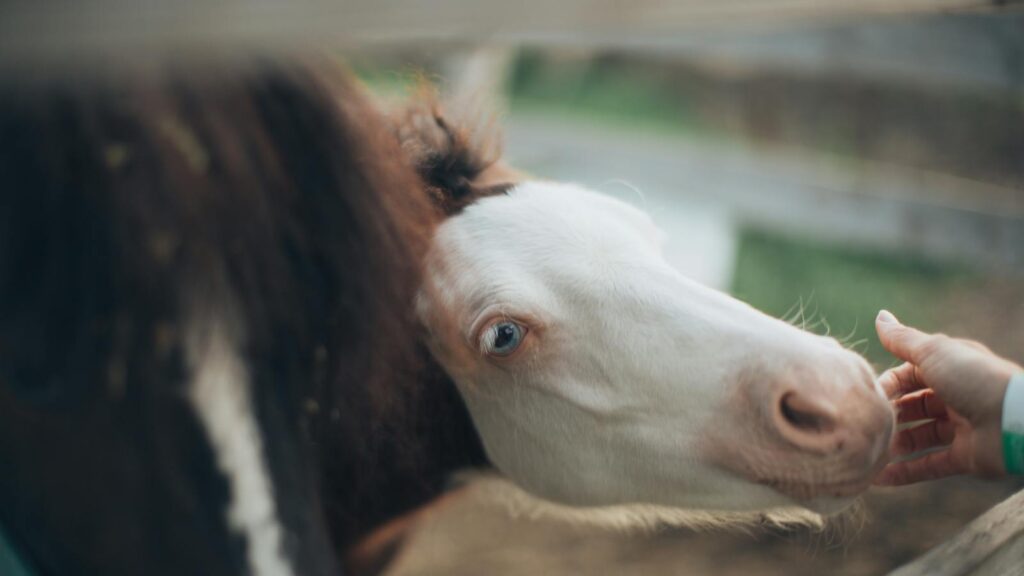
Interactive toys and puzzles provide mental challenges that keep horses engaged and thinking. Look for specially designed equine puzzles that require your horse to manipulate objects to receive a reward, helping develop problem-solving skills. Hanging toys that respond to touch, such as those with movable parts or that swing when nudged, encourage physical interaction and play. Consider rotation systems where you exchange toys regularly to maintain novelty and interest. Some innovative options include puzzle feeders that require multiple steps to access treats or ball toys that can be pushed around the stall. The best interactive enrichment combines mental challenge with physical movement, engaging multiple aspects of your horse’s intelligence.
Safety Considerations for Enrichment Stations
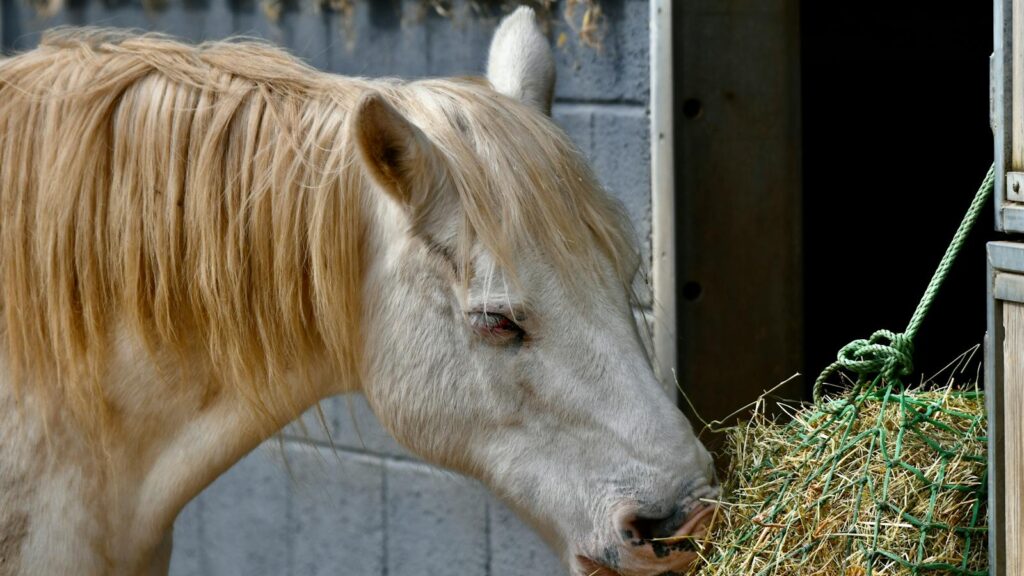
Safety must always be the primary consideration when designing any enrichment for horses. Avoid materials that could splinter, shatter, or be ingested, focusing instead on horse-safe rubber, durable plastics, or metals designed for equine use. Secure all components properly to prevent them from becoming loose and creating entanglement or ingestion hazards. Regularly inspect your enrichment station for signs of wear, damage, or unexpected use patterns that might create risks. Be particularly cautious with string, rope, or chain attachments that could wrap around limbs or create entrapment hazards. Consider your individual horse’s temperament and habits when designing your station – what works safely for one horse may not be appropriate for another with different behaviors or tendencies.
DIY Enrichment Projects on a Budget
Creating enrichment doesn’t have to be expensive, as many effective options can be made from household items or inexpensive materials. PVC pipes with holes drilled in them make excellent hay dispensers when hung securely in the stall. Clean plastic milk jugs or detergent bottles can be transformed into treat dispensers by cutting appropriate-sized holes. Old rubber boots hung upside down can hold carrots or apples that gradually drop out as the horse manipulates them. Braided strips of old fleece blankets create durable tug toys that horses can pull and mouth safely. When creating DIY enrichment, always consider safety first by avoiding toxic materials, small parts, or designs that could create entrapment or injury risks.
Introducing Your Horse to the Enrichment Station
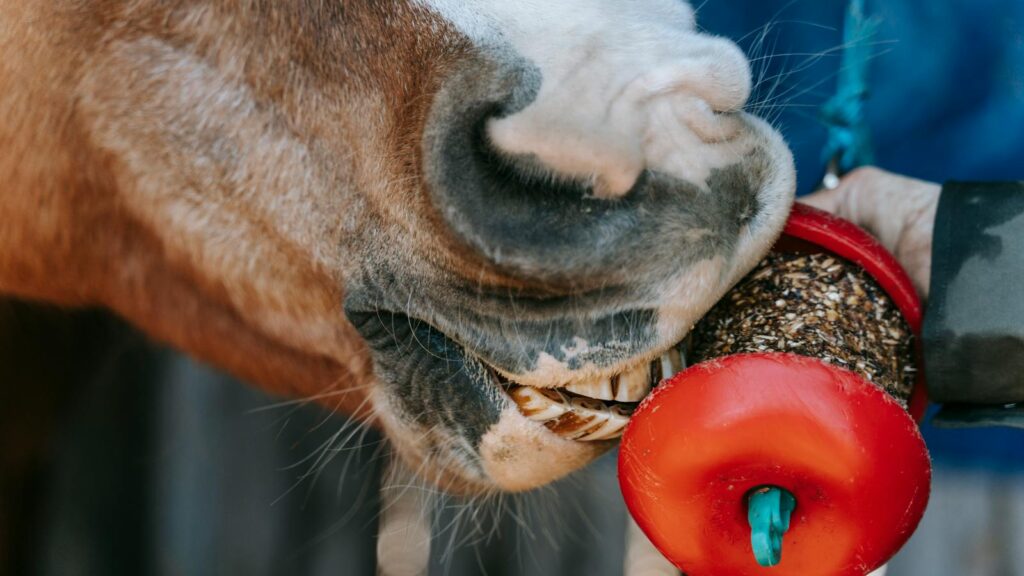
First impressions matter when introducing horses to new experiences, including enrichment stations. Begin by allowing your horse to investigate the station while you’re present, offering reassurance and positive reinforcement for interaction. Start with simpler, more intuitive enrichment items before progressing to more complex puzzles or challenges. Use high-value treats initially to motivate engagement, gradually transitioning to more regular rewards as your horse learns the concept. Some horses may be initially skeptical or even fearful of new objects, so patience is essential – don’t force interaction but rather allow natural curiosity to develop. Remember that horses learn through consistency, so maintain the station and its rewards reliably to build a positive association.
Rotating and Refreshing Enrichment
Keeping enrichment fresh and interesting prevents habituation and maintains your horse’s engagement over time. Create a rotation schedule for different enrichment items, ensuring that no toy or puzzle stays in the stall long enough to become boring. Consider having three sets of enrichment that you cycle through weekly, providing variety while allowing enough time for your horse to forget specific items. When reintroducing familiar toys, try modifying them slightly – changing the position, adding a different scent, or altering the difficulty level of a puzzle. Seasonal variations can also maintain interest, such as frozen treats in summer or warm mashes in specially designed dispensers during winter. The key to successful enrichment is novelty balanced with enough consistency that your horse can develop skills and confidence.
Monitoring Effectiveness and Behavior Changes
Observing how your horse interacts with the enrichment station provides valuable information about its effectiveness and your horse’s preferences. Keep a simple log noting which items receive the most attention and how long your horse engages with different components. Watch for positive behavior changes such as reduced weaving, cribbing, or general anxiety, which indicate the enrichment is fulfilling its purpose. Be alert for any unexpected negative responses like frustration, avoidance, or new unwanted behaviors that might suggest a particular enrichment item isn’t suitable. Consider taking periodic videos to observe how your horse uses the station when you’re not present, as some horses behave differently without an audience. Remember that each horse has individual preferences – what fascinates one might be ignored by another.
Combining Enrichment with Other Management Practices

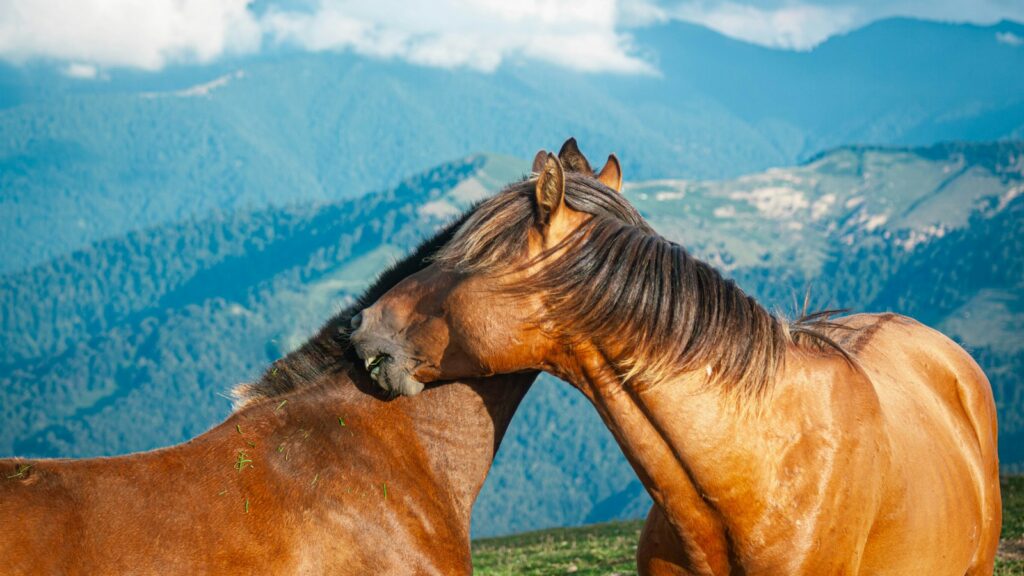
Enrichment stations work best as part of a comprehensive approach to horse management rather than in isolation. Whenever possible, complement stall enrichment with turnout time, even if limited, to allow for natural movement and socialization. Consider how your exercise program works alongside enrichment – a well-exercised horse may engage differently with enrichment than one with excess energy. Incorporate training sessions that stimulate mental engagement through learning new skills or solving problems. Social enrichment through safe interaction with other horses remains one of the most powerful forms of stimulation, so arrange stalling to allow visual contact with companions when possible. The most effective horse management integrates physical care, mental stimulation, social needs, and appropriate nutrition into a holistic approach.
Advanced Enrichment for Training and Rehabilitation

For horses with special needs or those in training programs, enrichment stations can serve therapeutic and educational purposes beyond basic stimulation. For rehabilitating horses on stall rest, carefully designed enrichment can provide mental engagement while respecting physical limitations. Target training incorporated into enrichment stations teaches horses to touch specific objects, developing focus and responsiveness that transfers to other training. Enrichment can be structured to gradually build confidence in anxious or traumatized horses by creating positive associations with previously frightening stimuli. For performance horses, cognitive challenges through increasingly complex puzzles help maintain mental sharpness during intense training periods. Working with veterinarians and trainers helps ensure that enrichment supports rather than interferes with specific rehabilitation or training goals.
Seasonal Adaptations for Year-Round Engagement
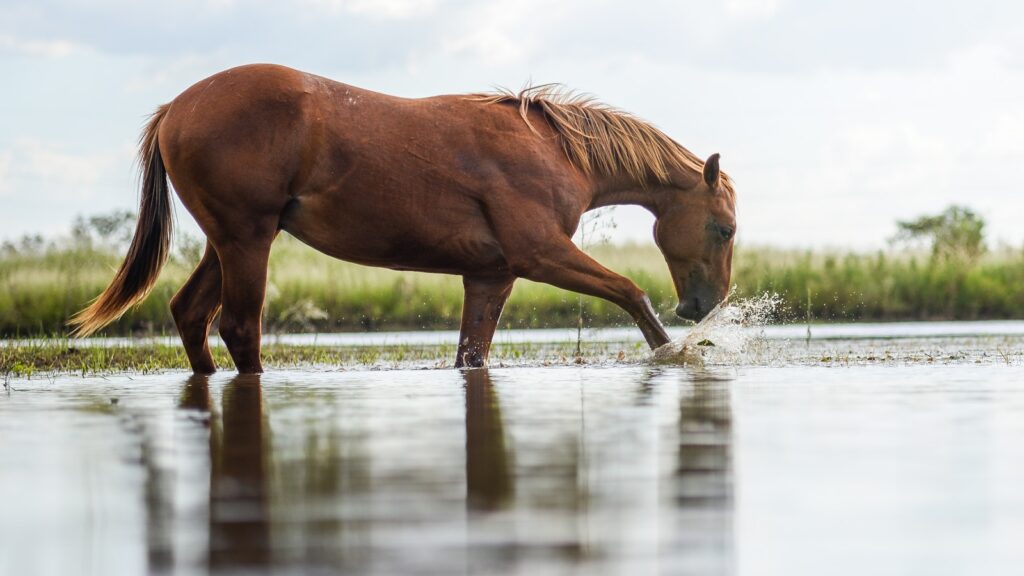
Different seasons present unique opportunities and challenges for equine enrichment that thoughtful owners can leverage. During hot summer months, incorporate cooling elements like frozen apple juice blocks in secure holders or wet rope toys that provide evaporative cooling when played with. Winter enrichment might include warm mash dispensers or hay steamers attached to the station that provide comfort along with engagement during cold weather. Spring and fall present opportunities for incorporating seasonal natural elements like safe branches with new leaves or pumpkins secured in nets as destructible enrichment. Seasonal changes in daylight can also impact horses’ behavior and engagement patterns, so consider adjusting the complexity or reward schedule of enrichment to match energy levels. Adapting your enrichment strategy to seasonal patterns keeps it relevant and effective year-round.
Conclusion

Creating an enrichment station for barn-bound horses represents a commitment to their psychological wellbeing that goes beyond basic care. By thoughtfully designing, implementing, and maintaining these engagement opportunities, you provide your horse with mental stimulation that addresses their evolved needs for exploration, problem-solving, and sensory engagement. The benefits extend beyond preventing stereotypic behaviors to creating genuinely positive experiences that improve quality of life. While enrichment never replaces the fundamental need for turnout, exercise, and socialization, it offers valuable supplementary stimulation during necessary confinement. Your efforts to enrich your horse’s environment reflect the depth of the human-equine partnership – a relationship built not just on utility or performance, but on genuine care for their experience of the world, even within the confines of a stall.