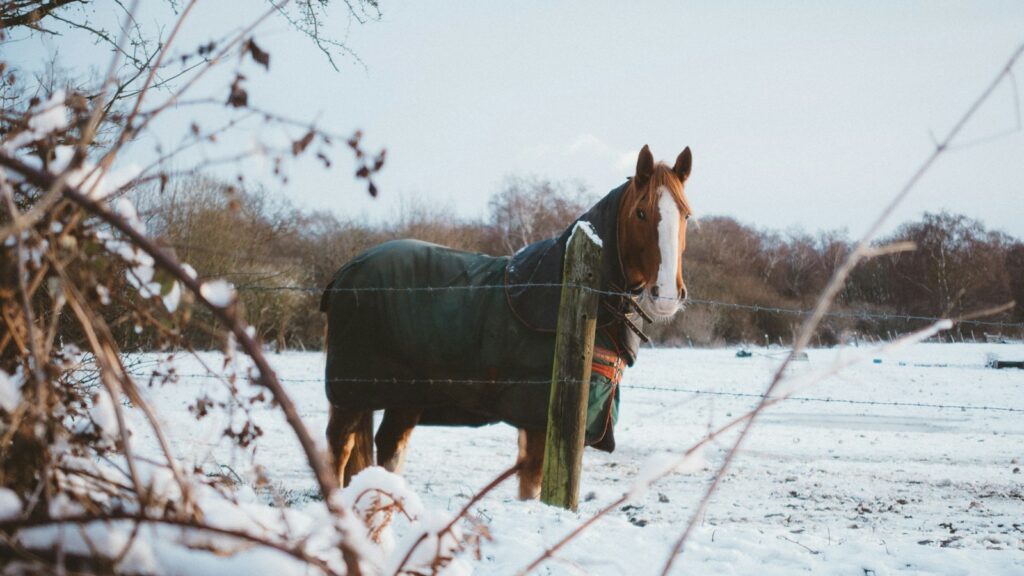
Winter presents unique challenges for horse owners. As temperatures drop and daylight hours shrink, maintaining your equine companion’s fitness becomes increasingly difficult. Many horses experience decreased exercise and activity during these colder months, which can lead to muscle loss, weight gain, and even behavioral issues. However, with proper planning and creative approaches, you can keep your horse healthy, fit, and ready to return to full work when spring arrives. This comprehensive guide explores effective strategies to maintain your horse’s physical condition throughout winter while ensuring their safety and wellbeing.
Understanding the Importance of Winter Fitness
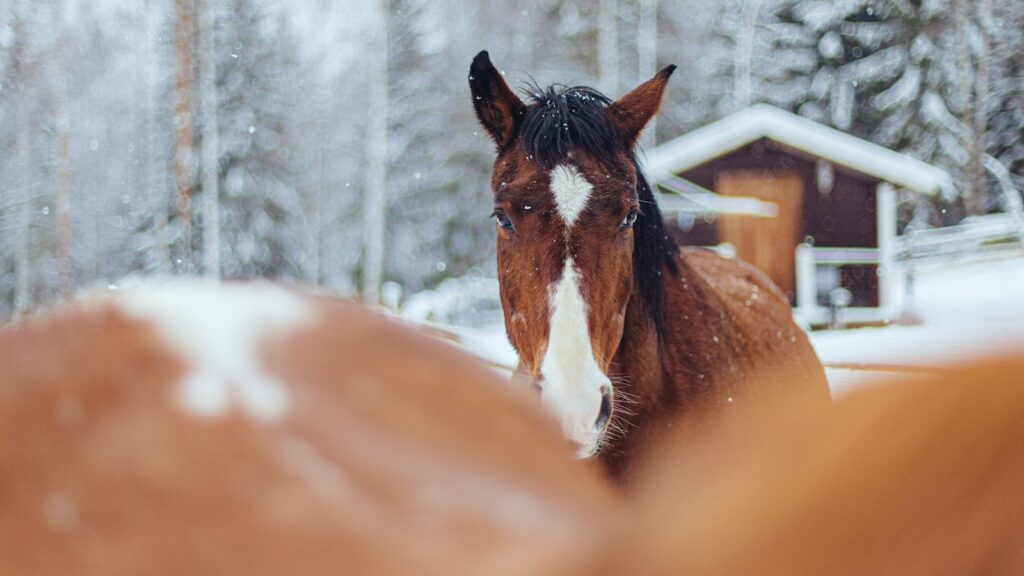
Horses are naturally designed to move continuously, and maintaining some level of exercise during winter is crucial for their overall health. Regular activity helps prevent stiffness in joints, maintains cardiovascular fitness, and supports proper digestion—a particularly important consideration given the increased risk of colic during colder months. Beyond physical benefits, exercise provides mental stimulation that prevents boredom-related behaviors like wood chewing, weaving, or cribbing that often emerge when horses are confined for extended periods. Additionally, maintaining a baseline fitness level means you won’t need to start from scratch when spring arrives, making the transition back to regular work much smoother and reducing injury risk associated with sudden increases in activity.
Assessing Your Horse’s Current Fitness Level
Before developing a winter fitness plan, honestly evaluate your horse’s current condition to establish appropriate goals. Note their muscle development, especially along the topline, hindquarters, and abdomen, as these areas quickly show fitness changes. Observe their respiratory recovery time after light exercise—how long it takes for breathing to return to normal can indicate cardiovascular fitness levels. Consider their current workload and competitive schedule to determine what level of fitness you need to maintain through winter. Finally, factor in age and any health conditions; senior horses or those with arthritis may benefit from gentler, more consistent exercise rather than intense sessions, while younger horses might need more vigorous activity to channel their energy constructively.
Creating a Realistic Winter Exercise Schedule

Consistency matters more than intensity when maintaining winter fitness, so develop a schedule you can realistically maintain despite weather challenges. Aim for shorter, more frequent sessions rather than occasional long workouts, as this approach is less physically stressful while still maintaining fitness. Include variety by alternating between schooling sessions, hacking, groundwork, and free exercise to keep your horse mentally engaged. Build flexibility into your schedule to accommodate weather fluctuations, perhaps designating certain activities for good-weather days and having indoor alternatives prepared for inclement conditions. Document your horse’s exercise to track patterns and ensure you’re providing adequate activity, even during the busiest winter weeks.
Indoor Arena Exercises to Combat Winter Blues
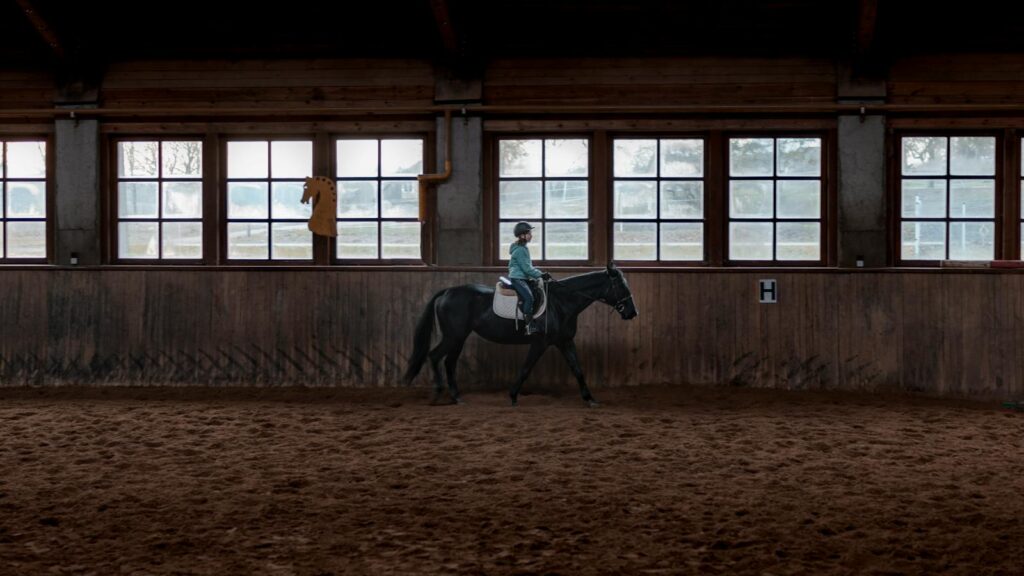
Indoor arenas provide consistent footing and protection from elements, making them valuable winter training resources. Combat monotony by incorporating pole work exercises that improve coordination and engage different muscle groups—try setting up patterns like fans, serpentines, or raised poles to add variety and challenge. Introduce lateral work elements like leg-yields, shoulder-in, and haunches-in to improve flexibility and collect without requiring excessive speed or space. For horses accustomed to more intense work, interval training can be adapted to indoor spaces, alternating between periods of collection, extension, and working gaits to elevate heart rate while respecting space limitations. Finally, incorporate transitions between and within gaits to strengthen core muscles and improve responsiveness while requiring minimal space.
Making the Most of Outdoor Riding Opportunities
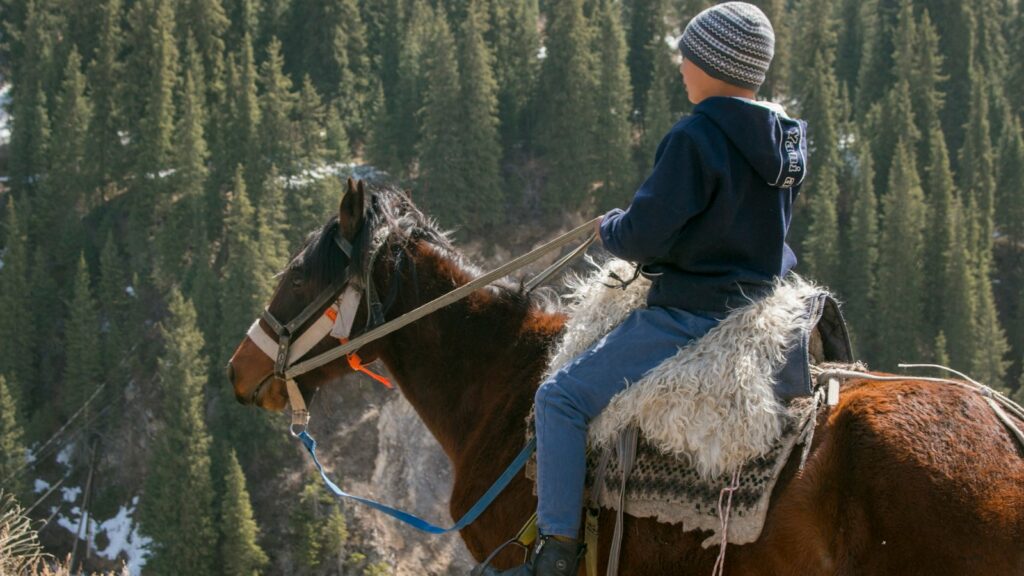
When weather permits, outdoor riding offers both physical and mental benefits that complement indoor training. Take advantage of good weather days for moderately paced hill work, which develops hindquarter strength and cardiovascular capacity without excessive strain on cold muscles. Consider varying terrain when safe to do so—walking through snow at appropriate depths provides natural resistance training that strengthens legs and core without impact stress. Early afternoon riding maximizes natural warmth and improves footing conditions, making outdoor sessions safer and more productive. Always factor in additional warm-up time during cold weather rides, allowing muscles to loosen gradually before asking for more collected or energetic work to reduce injury risk.
The Value of Turnout for Natural Exercise
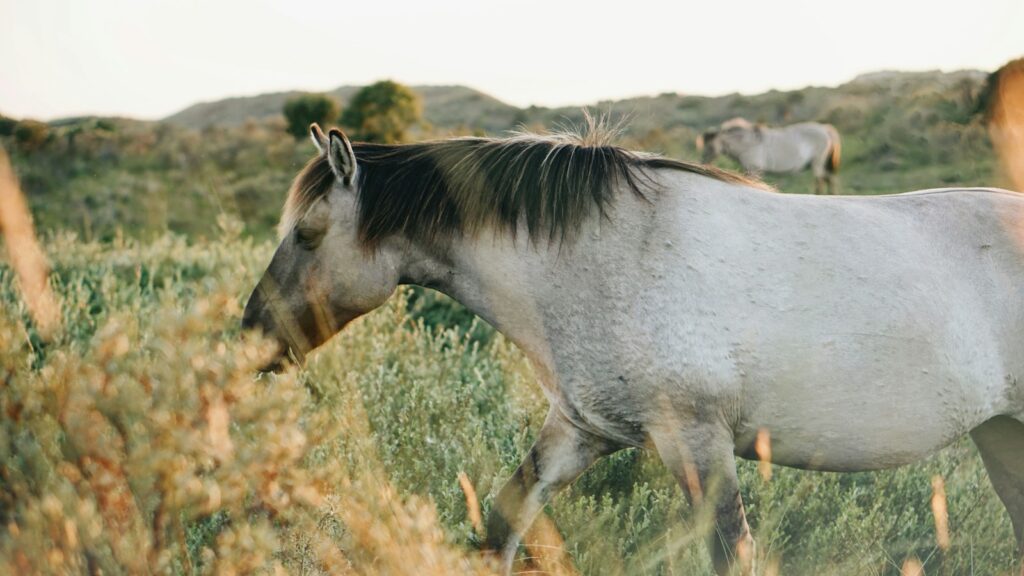
Daily turnout remains one of the most effective ways to maintain basic fitness and mental health during winter months. Even short periods of freedom allow horses to move naturally, stretch, and engage in self-directed exercise that maintains joint mobility and basic muscle tone. If space permits, create incentives for movement by placing hay, water, and shelter at different points within the turnout area, encouraging horses to travel between resources. Consider arranging compatible turnout buddies, as horses generally move more when they have companionship that encourages natural play and herd behaviors. For facilities with limited turnout options, consider rotating turnout schedules to maximize each horse’s outdoor time, prioritizing at least some daily freedom even if duration must be limited.
Groundwork Alternatives on Inclement Days
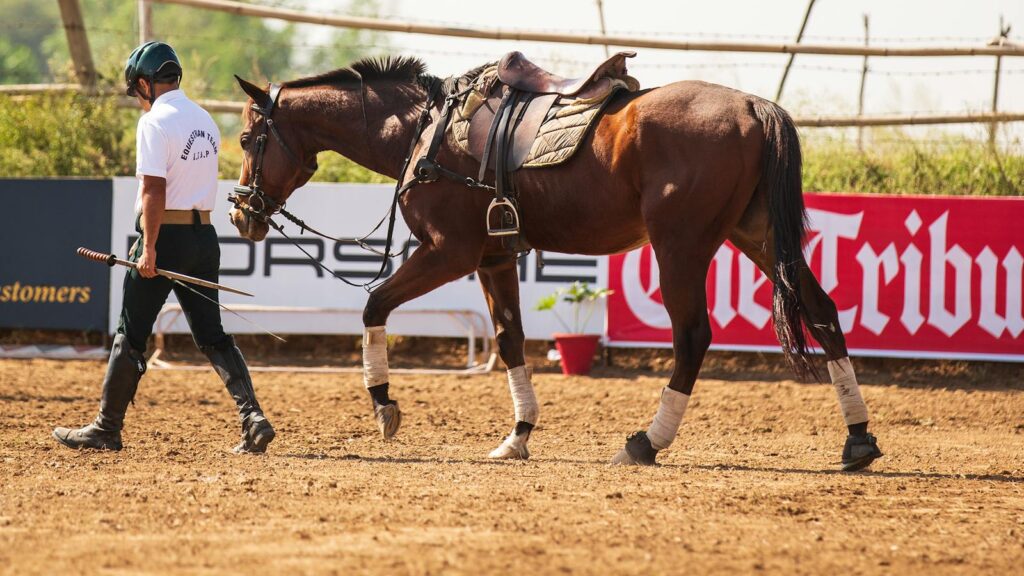
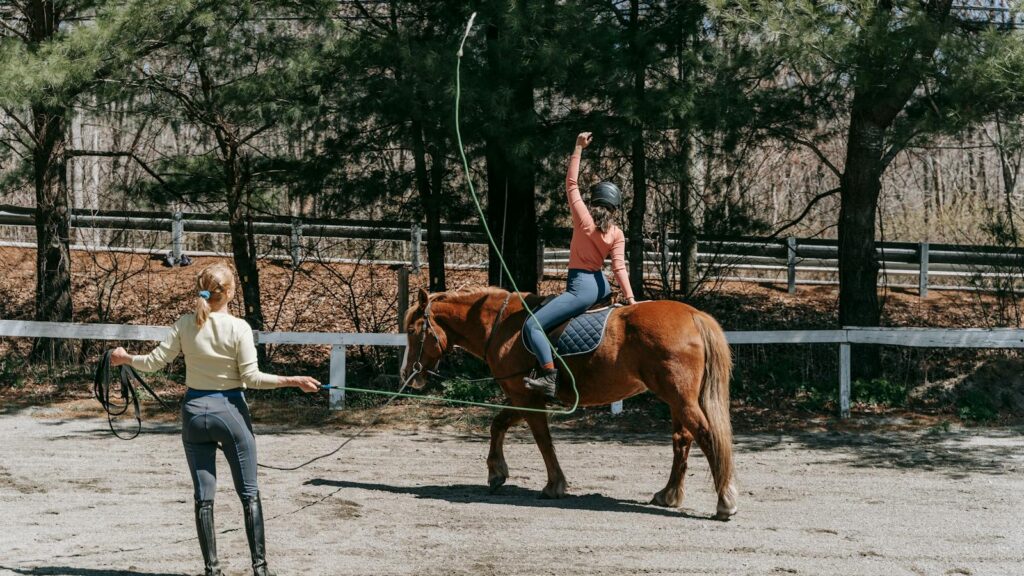
Groundwork provides valuable exercise options when riding isn’t feasible due to extreme weather or poor footing conditions. In-hand work focusing on precise movements, backing, turns on the forehand and haunches, and lateral exercises engages the same muscle groups used under saddle while strengthening the horse-handler connection. Lunging, when done correctly with proper equipment and for appropriate durations, maintains cardiovascular fitness and helps evaluate movement quality without riding stress. For variety, incorporate ground poles, cavaletti, or small jumps during lunging sessions to encourage proper foot placement and engagement. Long-lining or ground-driving combines elements of lunging with more precise control, allowing work on collection, extension, and lateral movements while providing mental stimulation and physical conditioning.
Creative Exercise Solutions for Limited Facilities
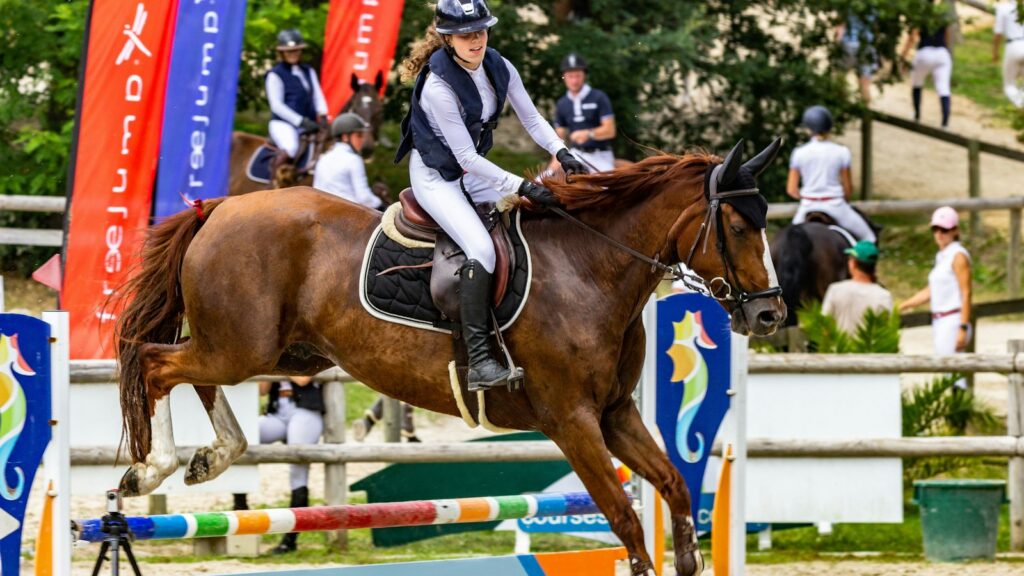
Even without dedicated arenas or extensive facilities, you can maintain winter fitness with creative approaches. Hand-walking along safe property perimeters, driveways, or cleared paths provides basic exercise and environmental stimulation while strengthening your relationship. Covered areas like barn aisles can become impromptu training spaces for in-hand work, backing exercises, stretching routines, or simple obstacle courses using everyday items. For operations with multiple horses, organize “horse walking clubs” where owners share walking duties, ensuring each horse receives movement time even on days when not everyone can visit the stable. Some innovative facilities create winter “fitness tracks” by clearing paths around fields that allow horses to move freely in a limited but extended space, encouraging movement without requiring full turnout access.
Nutrition Considerations for Winter Exercise
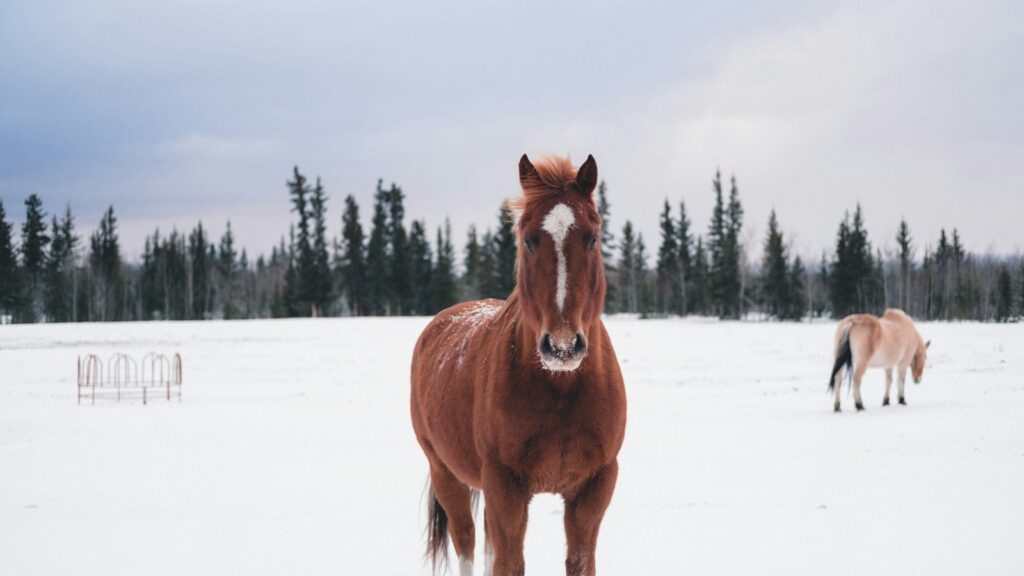
Proper nutrition plays a crucial role in maintaining winter fitness and supporting exercise recovery. Adjust caloric intake based on actual work levels rather than summer feeding routines, as many horses require 15-20% more calories simply for temperature maintenance during cold weather. Ensure adequate protein intake (around 12-14% for adult horses in work) to support muscle maintenance even during reduced activity periods. Pay special attention to hydration, as dehydration impacts performance and recovery—consider warmed water, electrolyte supplementation, or soaked feeds to encourage adequate water consumption. For horses in regular winter work, evaluate whether fat supplementation might provide sustained energy without the “heating” effect of high-grain diets, supporting consistent energy levels during exercise while reducing digestive disruption risks.
Equipment and Clothing Considerations for Winter Exercise
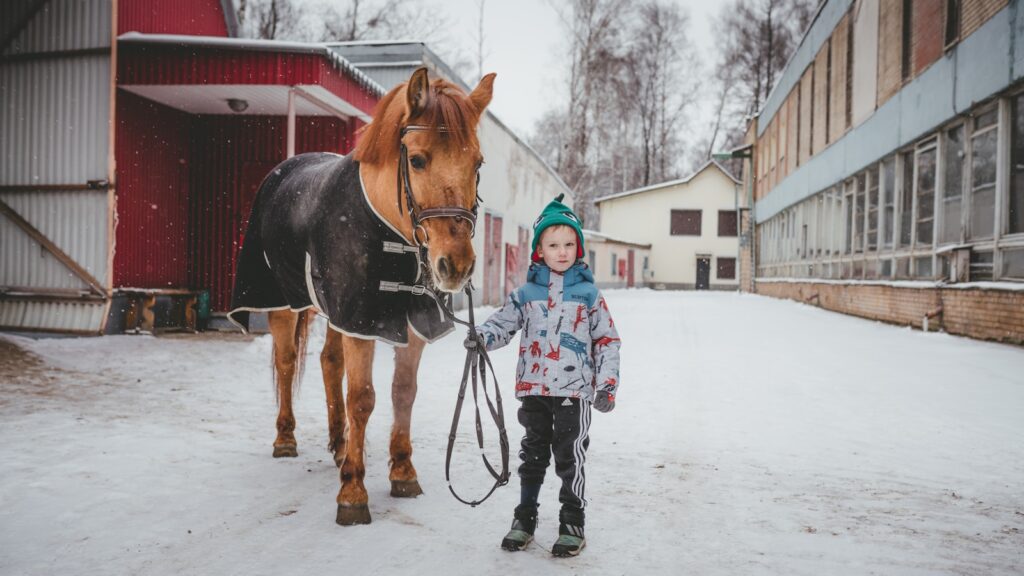
Appropriate tack and clothing significantly impact winter exercise safety and effectiveness. Consider using quarter sheets during warm-ups and cool-downs to protect large muscle groups from cold-induced stiffness, especially for clipped horses or those sensitive to temperature changes. Ensure proper footing management for all exercise areas by removing ice, managing snow depth, and addressing mud when possible to prevent slips and strains. Be mindful of bit temperature in extremely cold weather—metal bits can cause tissue damage when very cold, so consider warming bits before use or exploring bit alternatives for the coldest days. Always balance the need for warmth with avoiding overheating during exercise by using breathable, layered clothing for both horse and rider, allowing adjustments as work intensity changes.
Monitoring Fitness and Adjusting Your Program
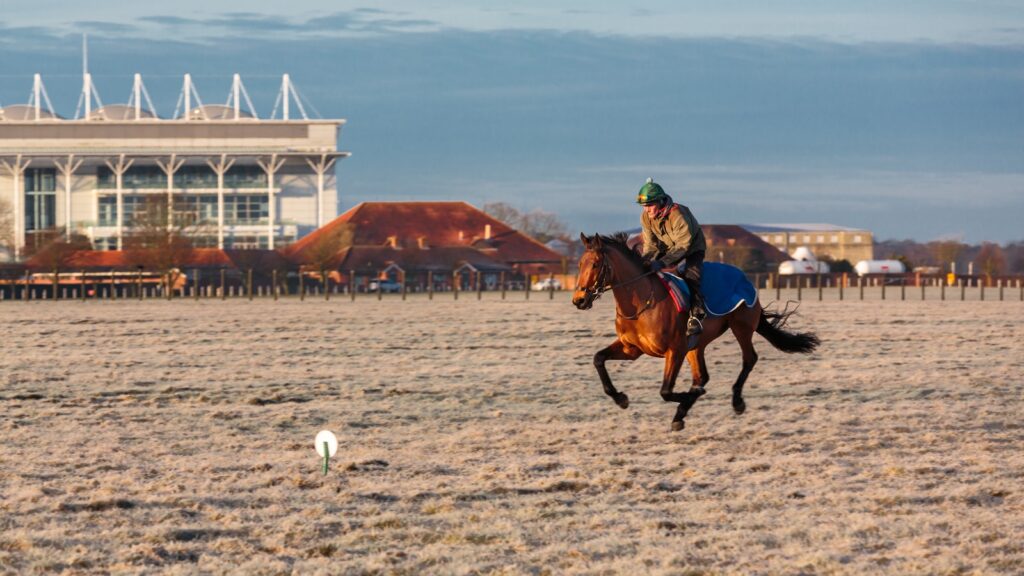
Regular assessment helps ensure your winter fitness program remains effective without overtaxing your horse. Track resting heart rate and recovery times after standardized exercise to gauge cardiovascular fitness—increased recovery times may indicate declining condition requiring program adjustments. Watch for subtle physical changes like muscle development along the topline, abdominal tone, and hindquarter definition as visual indicators of maintenance or loss of conditioning. Pay attention to behavioral cues during work sessions—resistance, unusual fatigue, or enthusiasm can provide insights into how your horse is responding to the current exercise regimen. Consider keeping a simple fitness journal documenting exercise type, duration, intensity, and your horse’s response to help identify patterns and make informed adjustments to your winter conditioning program.
Preparing for the Spring Transition
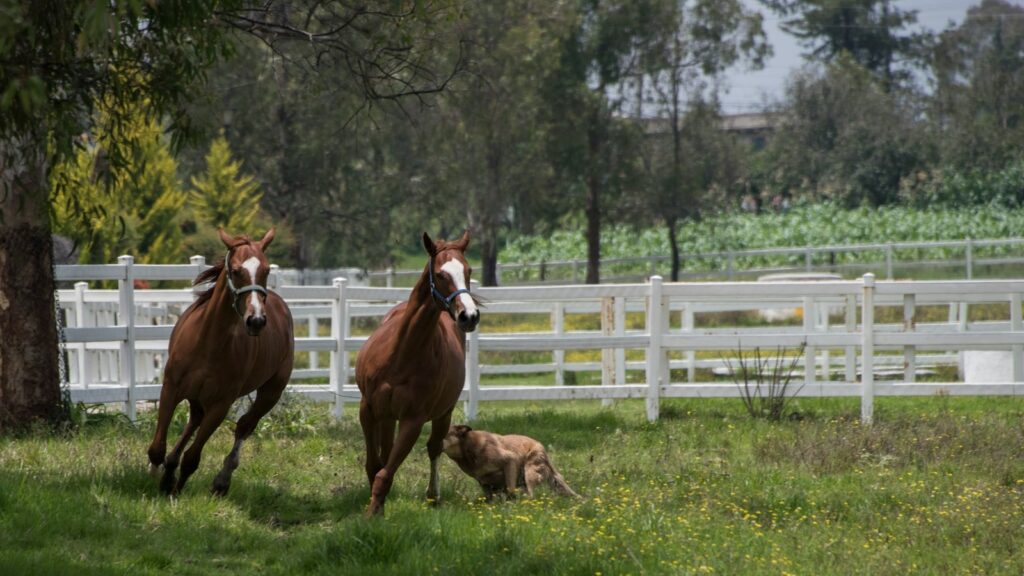
A thoughtful winter fitness program should seamlessly support the transition back to full work when spring arrives. In late winter, gradually increase exercise duration and intensity to prepare for expanded spring activities, building up no more than 10% per week to prevent overexertion. Incorporate more varied movements and terrain as weather allows, preparing your horse’s proprioception and balance for the challenges of outdoor spring riding. Begin introducing elements of your anticipated spring activities—whether jumping exercises, dressage movements, or trail obstacles—at an appropriate scale during winter’s final weeks. Carefully monitor your horse’s response to increased work, being particularly attentive to any signs of soreness or stiffness that might indicate the need for a more gradual progression as their workload increases with the changing seasons.
Special Considerations for Senior Horses
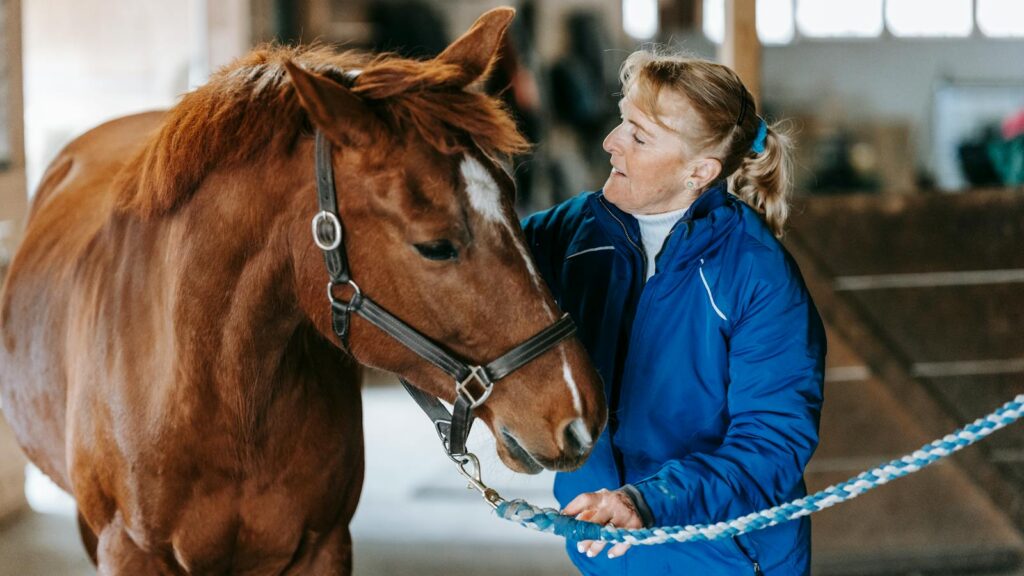
Older horses require particularly thoughtful winter exercise planning to maintain mobility without causing discomfort. For seniors, consistency becomes even more crucial than intensity—daily light movement helps prevent arthritic stiffness and maintains basic functionality better than occasional longer sessions. Extend warm-up periods to allow older joints and muscles adequate time to loosen before asking for more active work. Consider incorporating targeted stretching exercises, either in-hand or under saddle, to maintain flexibility in areas commonly affected by age-related stiffness. Remember that older horses may require more recovery time between sessions, so monitor post-exercise soreness carefully and adjust your program to respect their individual limitations while still providing sufficient activity to maintain their condition through winter months.
Conclusion
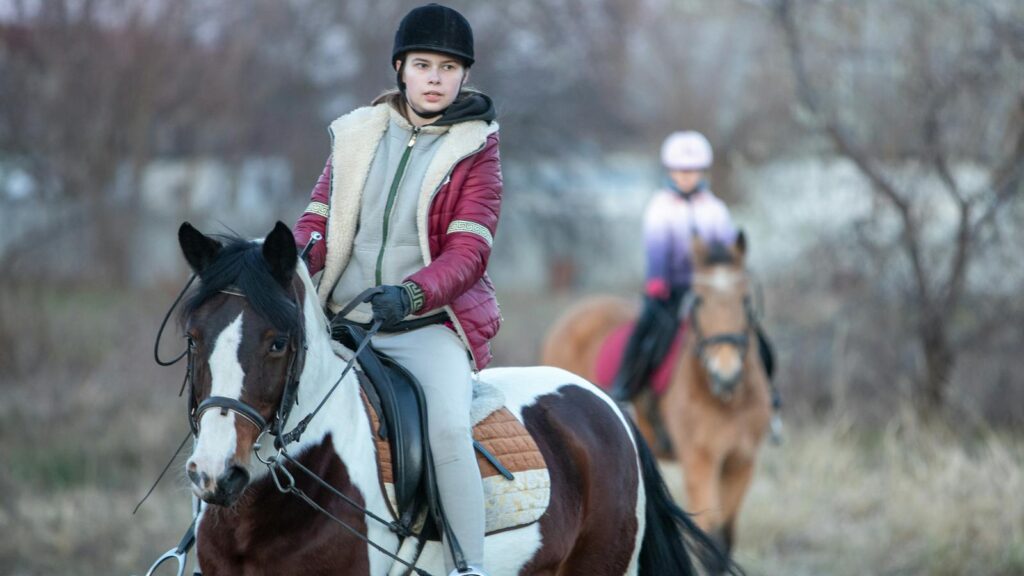
Maintaining your horse’s fitness during winter requires creativity, consistency, and attentiveness to their individual needs. By implementing a varied exercise program that combines riding, groundwork, turnout, and appropriate nutrition, you can preserve your horse’s physical condition while supporting their mental wellbeing through the challenging winter months. Remember that the goal isn’t necessarily to advance training during this period, but rather to maintain a baseline of fitness that will allow for a smooth transition back to full work when spring arrives. With thoughtful planning and flexible execution, winter can become not just a season to endure but an opportunity to strengthen your relationship with your equine partner while ensuring they remain healthy, engaged, and prepared for the year ahead.