

Horses, majestic and powerful creatures, have been humanity’s companions throughout history. While modern equine care involves veterinary check-ups, proper nutrition, and regular exercise, one therapeutic approach is gaining increasing recognition for its remarkable benefits: massage therapy. Beyond simply feeling good, massage offers horses a range of physical, psychological, and performance advantages that many owners might not realize. These gentle, targeted manipulations of soft tissues can transform a horse’s well-being, addressing issues that might otherwise go unnoticed or untreated. In this comprehensive exploration, we’ll uncover the hidden benefits of equine massage therapy and why it deserves consideration as an essential component of holistic horse care.
Understanding Equine Massage Therapy Fundamentals
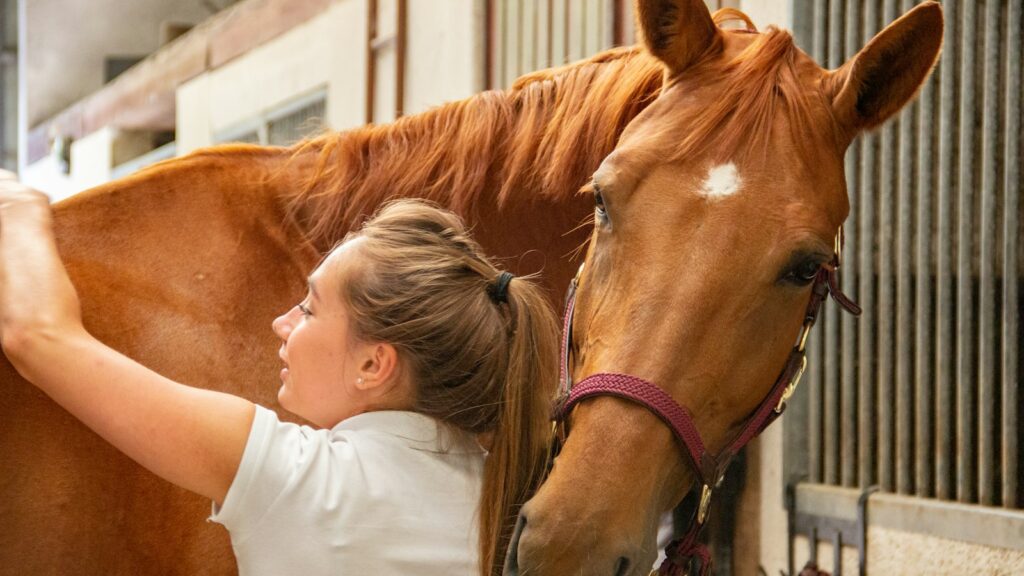
Equine massage therapy involves the systematic manipulation of the horse’s soft tissues through various techniques including effleurage (long, gliding strokes), petrissage (kneading), compression, and cross-fiber friction. These methods are applied with careful consideration of the horse’s unique anatomy, focusing on muscle groups that experience particular stress during riding and training. Professional equine massage therapists undergo specialized training to understand not just general massage principles but the specific biomechanics of horses, including how their movement patterns create distinctive tension points. Unlike human massage, equine therapy requires practitioners to be acutely aware of the horse’s non-verbal feedback, reading subtle shifts in posture, muscle flinching, and behavioral cues that indicate comfort or discomfort during treatment.
Relieving Muscle Tension and Preventing Injuries
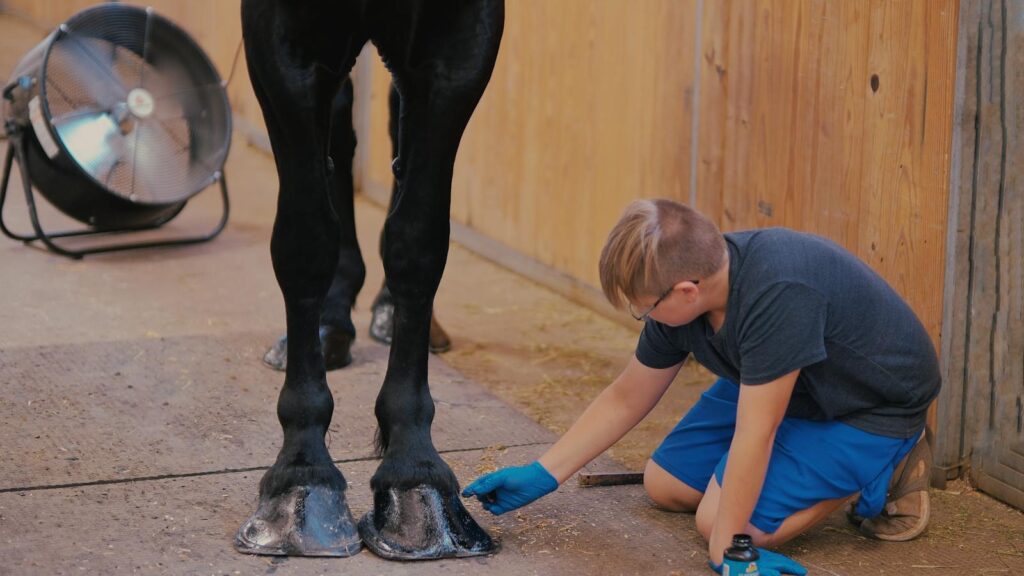
One of the primary benefits of equine massage therapy is its ability to identify and release muscle tension before it develops into a serious problem. Horses, particularly performance animals, develop micro-tears and adhesions in muscle fibers that can lead to stiffness, reduced range of motion, and eventually lameness if left untreated. Regular massage helps break down these adhesions, increase circulation to damaged tissues, and promote faster healing of micro-injuries. This preventative approach can significantly reduce the risk of career-ending injuries by addressing minor issues before they escalate into major problems. Additionally, massage helps elongate contracted muscles, restoring them to their optimal length and function, which improves overall biomechanical efficiency and reduces strain on tendons and ligaments.
Enhancing Blood Circulation and Lymphatic Drainage
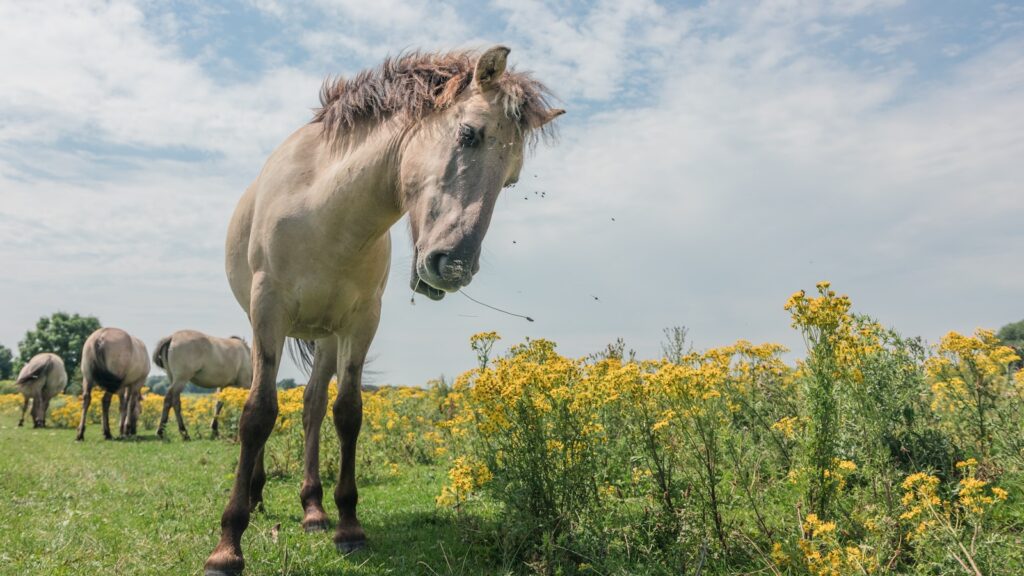
Massage therapy dramatically improves blood circulation throughout the horse’s body, delivering oxygen and nutrients to muscles while simultaneously removing metabolic waste products. This improved circulation is particularly beneficial for performance horses whose muscles accumulate lactic acid and other waste products during intense exercise. The rhythmic pressure applied during massage also stimulates the lymphatic system, which lacks its own pump mechanism and relies on muscle movement and external pressure to function effectively. Enhanced lymphatic drainage helps reduce inflammation and swelling in overworked tissues, accelerating recovery after strenuous exercise or injury. For horses with poor circulation in their extremities, particularly in cold weather, regular massage can help maintain healthy blood flow to the lower limbs, potentially reducing the risk of conditions like stocking up.
Improving Range of Motion and Flexibility
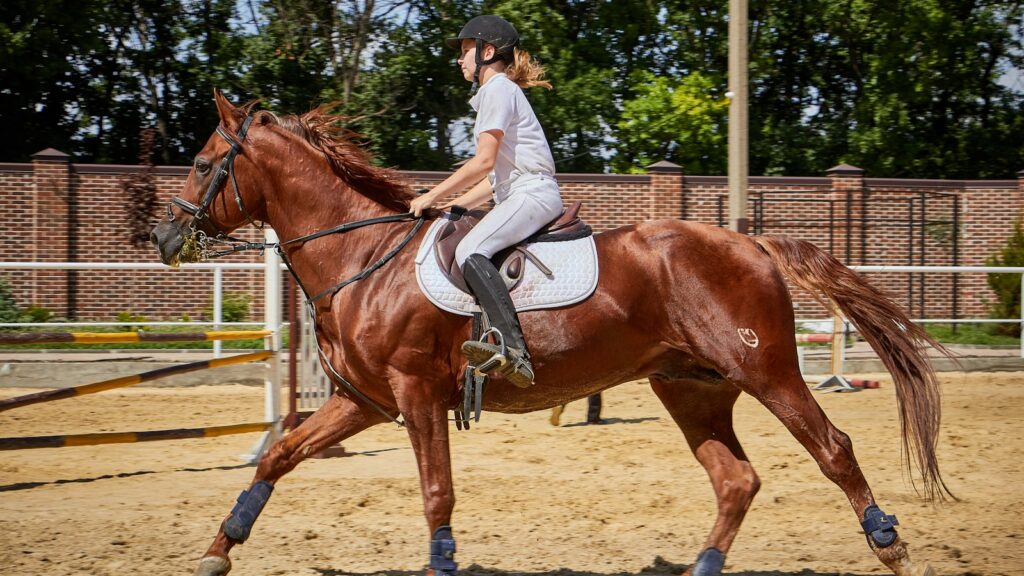
Horses required to perform specific movements in disciplines like dressage, jumping, or reining need exceptional flexibility and range of motion. Massage therapy helps increase joint mobility by releasing tension in the muscles surrounding these joints, allowing for freer movement. Regular sessions can improve a horse’s ability to engage its hindquarters, lift its back, and bend laterally—all crucial elements for athletic performance. Over time, massage can help correct muscular imbalances that develop when horses compensate for discomfort by altering their movement patterns. This restoration of balanced movement is particularly valuable for older horses or those recovering from injuries, who may have developed compensatory movement patterns that, if left unaddressed, can lead to secondary issues in previously healthy structures.
Reducing Stress and Anxiety
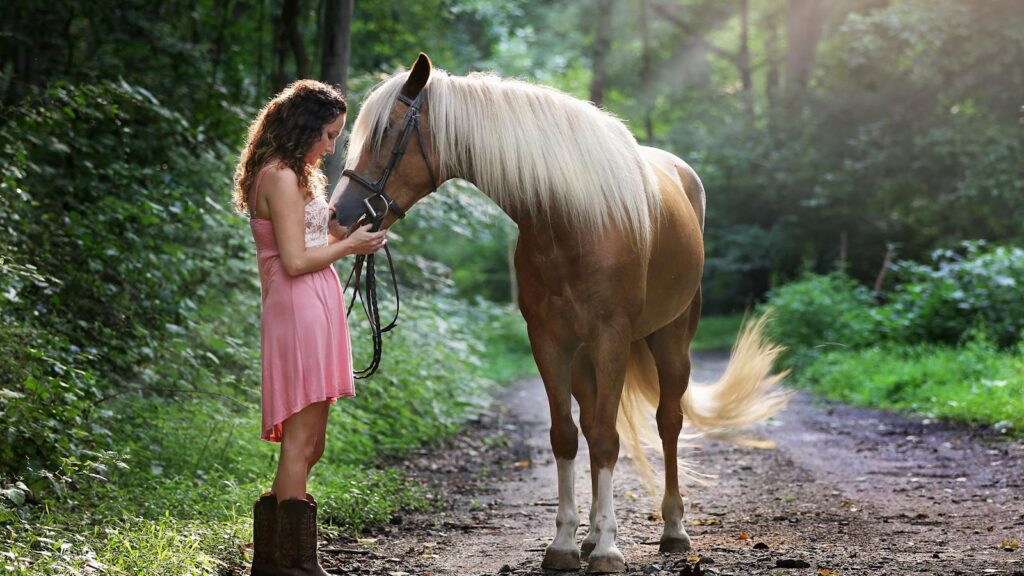
The benefits of equine massage extend well beyond the physical realm into psychological well-being. Horses, as prey animals, naturally carry tension in their bodies as part of their flight response mechanism. Regular massage therapy helps activate the parasympathetic nervous system—the “rest and digest” mode—counteracting the effects of chronic stress. Many horses visibly relax during massage sessions, displaying signs like lowered heads, soft eyes, and deep sighing. This stress reduction can be particularly beneficial for horses with anxiety issues, those recovering from trauma, or animals transitioning to new environments. The calm state induced during massage sessions can have lasting effects, potentially improving a horse’s general demeanor and trainability between sessions.
Accelerating Post-Exercise Recovery
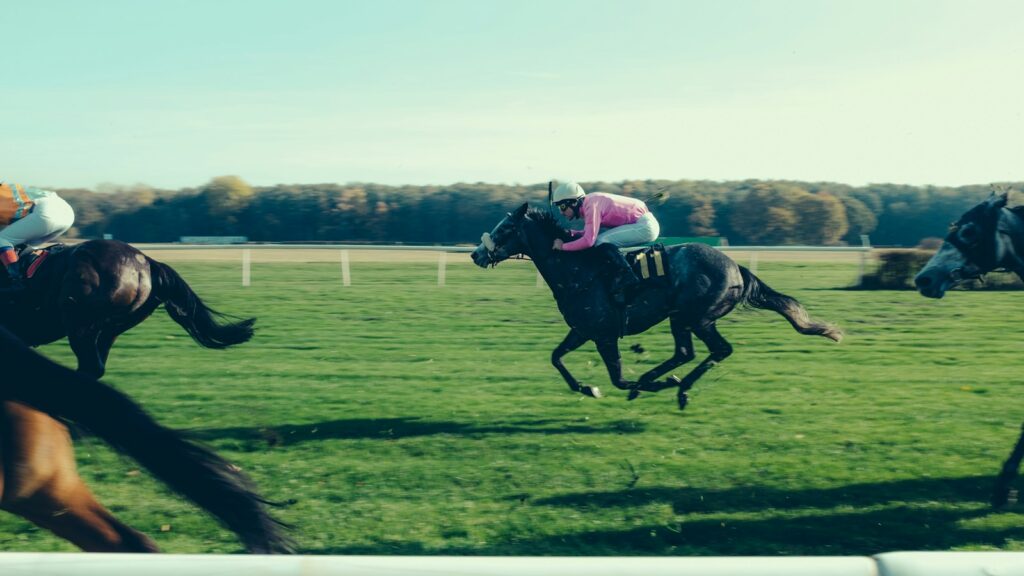
For competition horses, rapid recovery between training sessions or competitive events is crucial for maintaining peak performance. Massage therapy speeds this recovery process by flushing metabolic waste from muscles more efficiently than passive rest alone. The increased blood flow brings fresh nutrients and oxygen to depleted tissues, helping repair micro-damage and replenish energy stores. Many professional trainers schedule massage sessions immediately after intense workouts or competitions to minimize muscle soreness and stiffness. This proactive approach to recovery allows for more consistent training schedules with less downtime, potentially increasing the horse’s overall training progression and competitive longevity. Some equine athletes receive specialized “maintenance” massages that focus specifically on the muscle groups most taxed by their particular discipline.
Detecting Emerging Problems Early
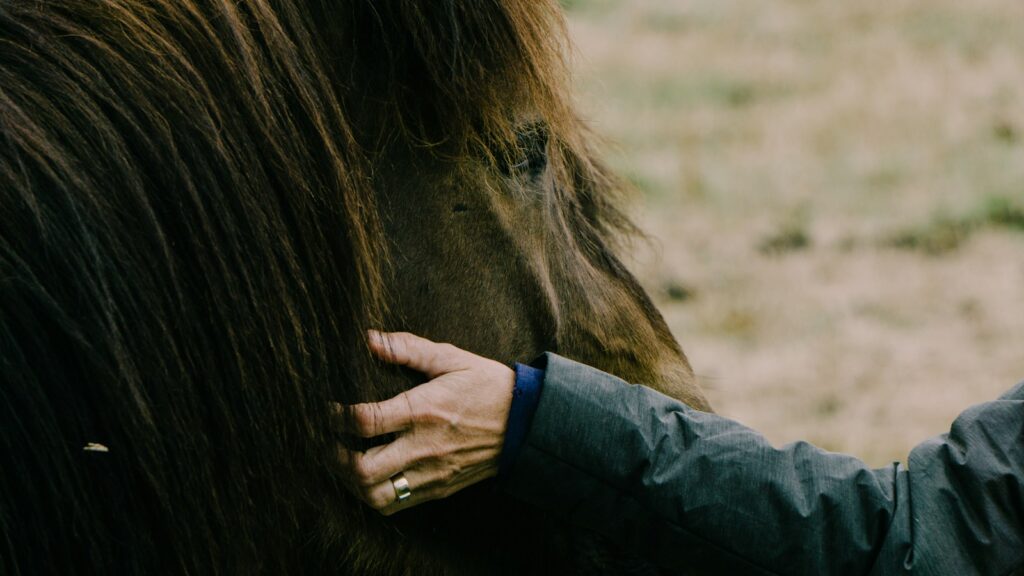
Experienced equine massage therapists often serve as early warning systems for developing issues that might otherwise go unnoticed until they cause obvious lameness or performance problems. Through their intimate knowledge of what normal muscle tone feels like, therapists can identify subtle changes that may indicate the early stages of injury or compensation. These early interventions can prevent minor issues from developing into serious conditions requiring extensive veterinary treatment or lay-up time. Many owners report that their massage therapist was the first to detect problems that were later confirmed through veterinary diagnostics. This early detection function makes regular massage therapy not just therapeutic but diagnostic—a valuable wellness screening tool for maintaining optimal equine health.
Building Trust and Strengthening Bonds
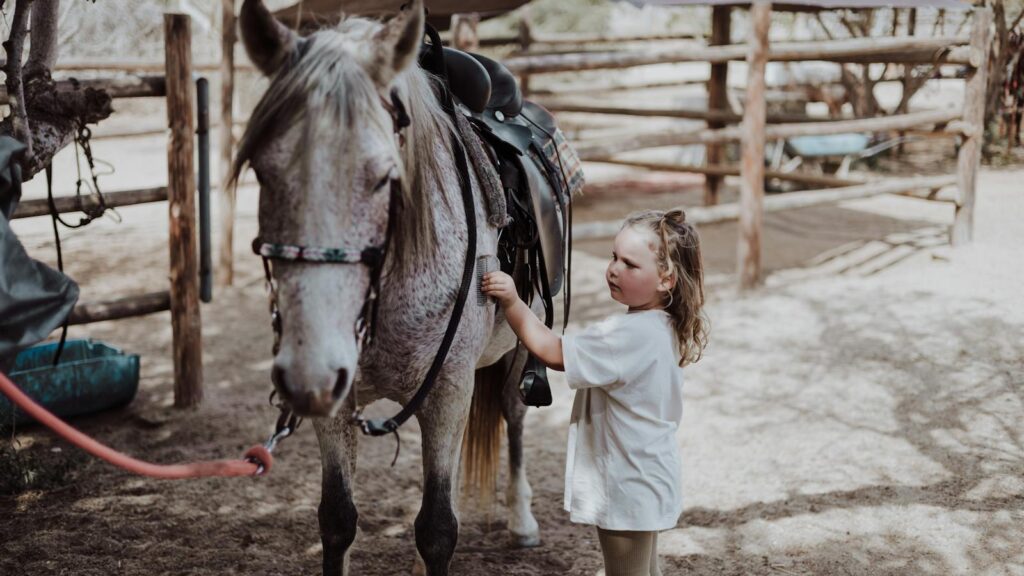
The intimate nature of massage therapy creates unique opportunities for deepening the bond between horses and their human handlers. During a massage session, horses learn that human touch can bring relief rather than demands for performance. This positive association helps build trust, particularly valuable for horses with histories of mistreatment or those naturally inclined toward suspicion of human contact. Owners who learn basic massage techniques can incorporate brief sessions into their daily handling routines, creating moments of connection that transcend typical work-based interactions. These shared experiences of relaxation and relief create neurological associations that can transform a horse’s overall relationship with humans, potentially improving cooperation during training, handling, and veterinary procedures.
Enhancing Athletic Performance
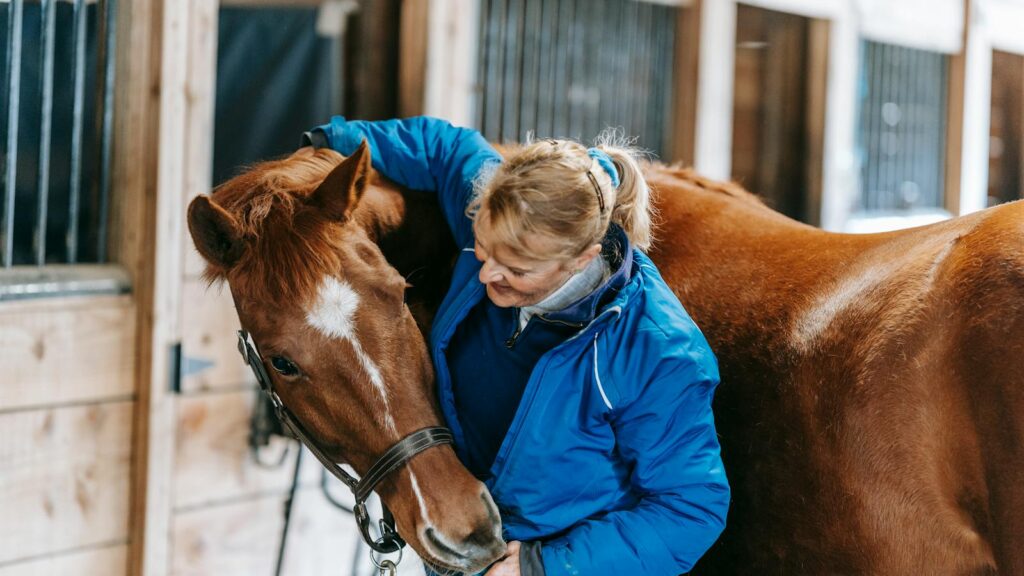
Competition horses receiving regular massage therapy often demonstrate measurable improvements in athletic performance. By ensuring muscles are working at optimal length and tension, massage helps horses move more efficiently, potentially improving speed, power, and precision of movement. Dressage horses may show increased expression and elevation in their gaits, while jumpers might demonstrate improved form and confidence over fences. Performance improvements stem not just from physical benefits but also from the psychological advantages of reduced pain and anxiety. Many riders report that their horses feel more “connected” and responsive following massage sessions, with greater willingness to engage their core muscles and move with more freedom. These enhancements can translate directly into better competitive outcomes and more consistent training progression.
Complementing Veterinary Care
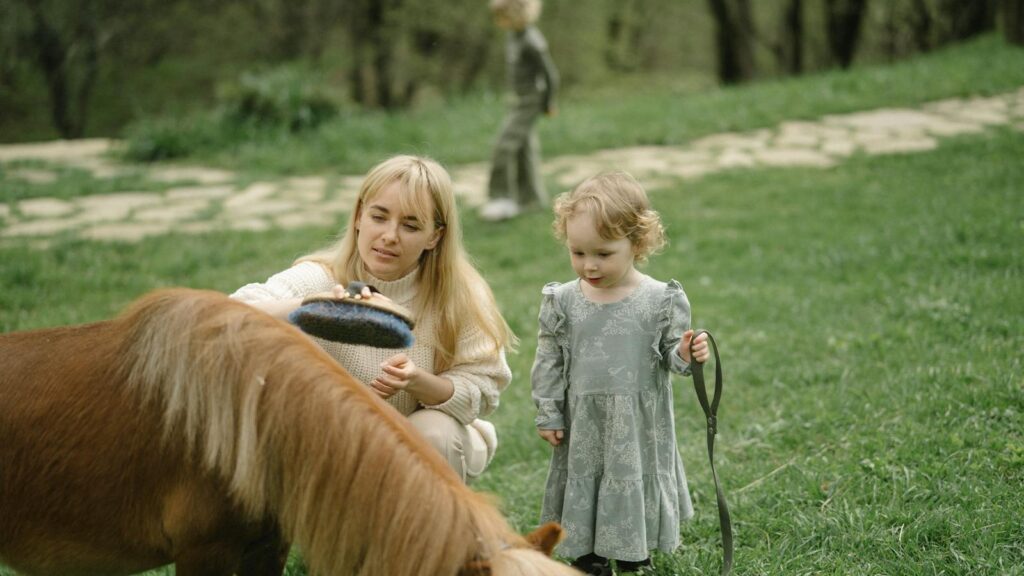
Massage therapy serves as an excellent complement to traditional veterinary care, particularly for horses undergoing rehabilitation from injuries or surgeries. Working in consultation with veterinarians, massage therapists can help maintain muscle tone in immobilized limbs, prevent compensatory issues from developing in other areas, and reduce the formation of restrictive scar tissue. For chronic conditions like arthritis, massage can help manage pain and maintain mobility by keeping the surrounding soft tissues supple and well-nourished. Many veterinary practices now directly incorporate massage therapy into their rehabilitation protocols or maintain referral relationships with trusted equine massage professionals. This integrative approach recognizes that pharmaceutical interventions and surgical corrections often need soft tissue support to achieve optimal outcomes.
Supporting Senior Horses
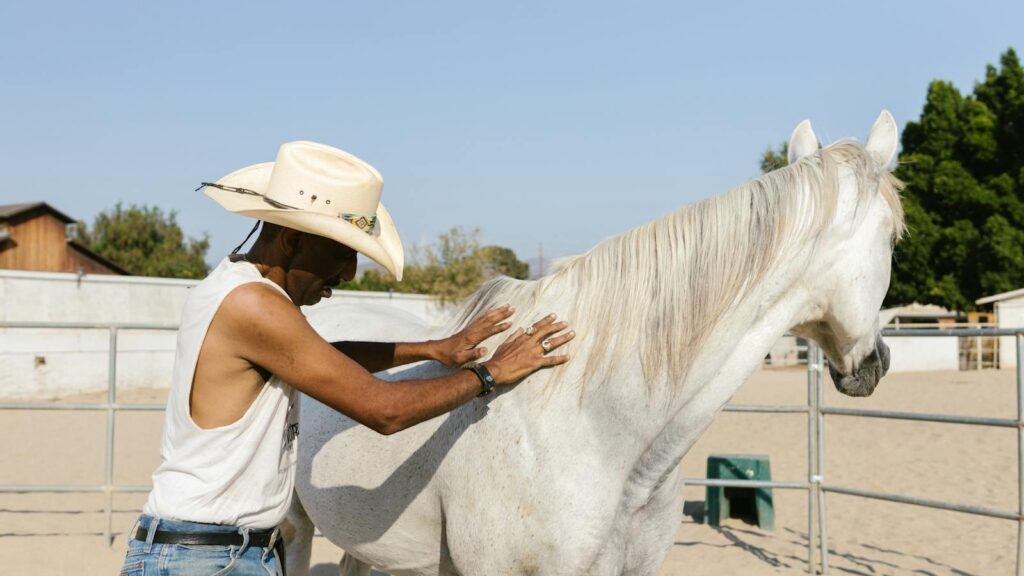
Aging horses face unique challenges including loss of muscle mass, reduced flexibility, and often degenerative joint conditions that massage therapy can help manage. Regular sessions help maintain circulation to atrophying muscles, potentially slowing the loss of condition that commonly occurs with advancing age. Gentle massage techniques can provide significant pain relief for arthritic horses without the side effects sometimes associated with long-term medication use. Senior horses particularly benefit from the improved circulation, which helps maintain warmth in older bodies that struggle more with temperature regulation. Many owners of geriatric horses report that regular massage therapy helps their aging companions maintain mobility and quality of life well into their senior years, allowing them to remain comfortable and active despite the natural aging process.
Addressing Behavioral Issues
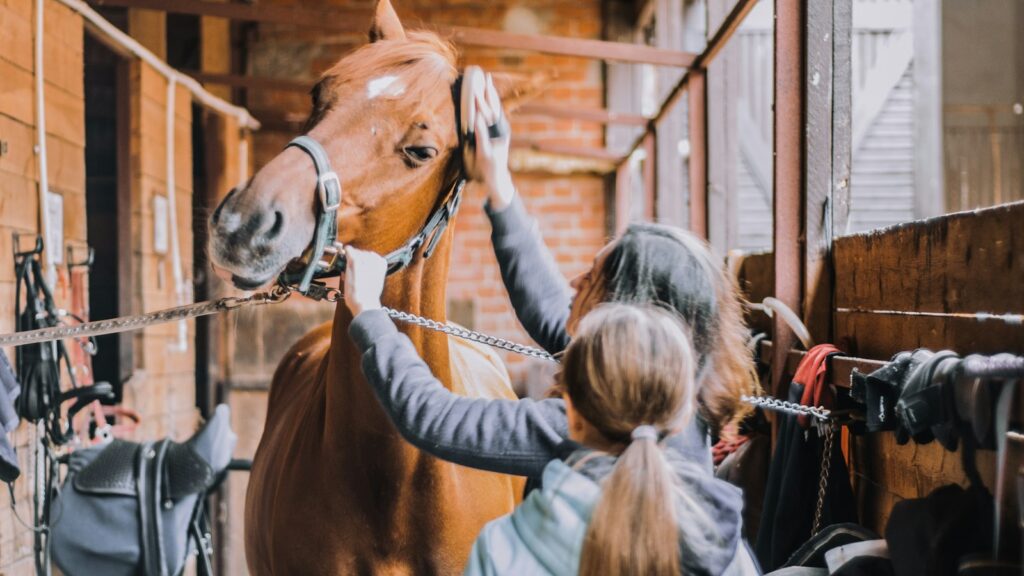
Many behavioral problems in horses have physical roots in discomfort or pain that massage therapy can help address. Horses that consistently resist certain movements, buck during transitions, or show irritability when groomed in specific areas may be experiencing musculoskeletal pain rather than displaying attitude problems. Massage therapists can identify and treat these painful areas, potentially resolving behavioral issues that have been misinterpreted as training problems or bad temperament. The case histories of equine massage therapists are filled with “miracle” transformations in horse behavior that were simply the result of pain relief. Even horses without specific pain issues often show improved temperament and trainability after massage therapy, likely due to reduced stress and anxiety levels and the positive associations formed during pleasant treatment sessions.
Implementing Massage in Your Horse’s Care Routine
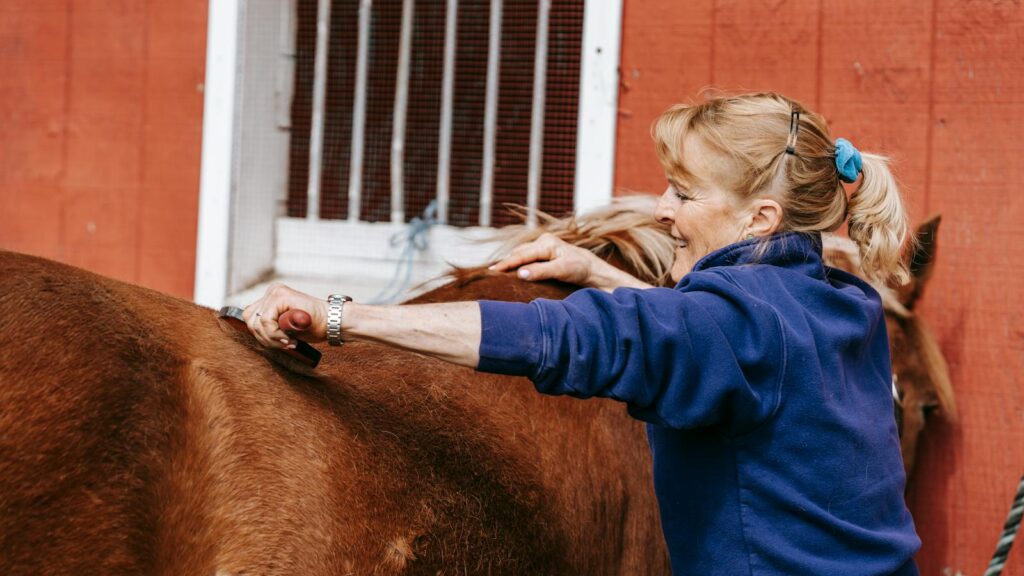
Incorporating massage therapy into a horse’s care regimen requires thoughtful planning and professional guidance, at least initially. Most horses benefit from a professional assessment to identify specific areas of tension and establish a baseline treatment plan before owners attempt basic techniques themselves. Frequency of sessions varies depending on the horse’s workload, age, and specific issues, but many performance horses receive treatments every 2-4 weeks, with additional sessions before and after major competitions. Even horses in light work or retirement can benefit from monthly maintenance sessions to support general well-being. When selecting an equine massage therapist, owners should seek practitioners with formal training in equine anatomy and massage techniques, as well as experience with horses similar to their own. Many regions have certification programs or professional associations for equine bodyworkers that can help owners find qualified practitioners.
Conclusion
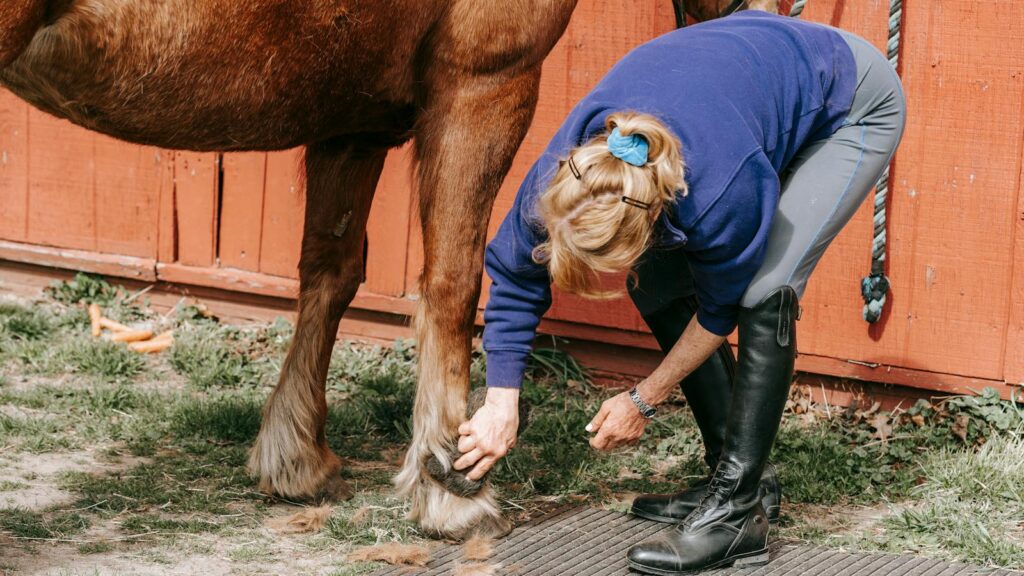
The hidden benefits of massage therapy for horses extend far beyond simple relaxation, offering a profound impact on physical health, emotional well-being, and athletic performance. As our understanding of equine biomechanics and physiology continues to evolve, massage therapy is increasingly recognized not as a luxury but as an essential component of comprehensive horse care. Whether addressing specific issues or maintaining general wellness, the gentle pressure of skilled hands can transform a horse’s experience in ways that ripple through every aspect of their lives. For owners committed to providing the best possible care for their equine partners, massage therapy represents an investment in both immediate comfort and long-term health—a gift of relief, restoration, and relationship that horses clearly appreciate and respond to with improved movement, attitude, and quality of life.