
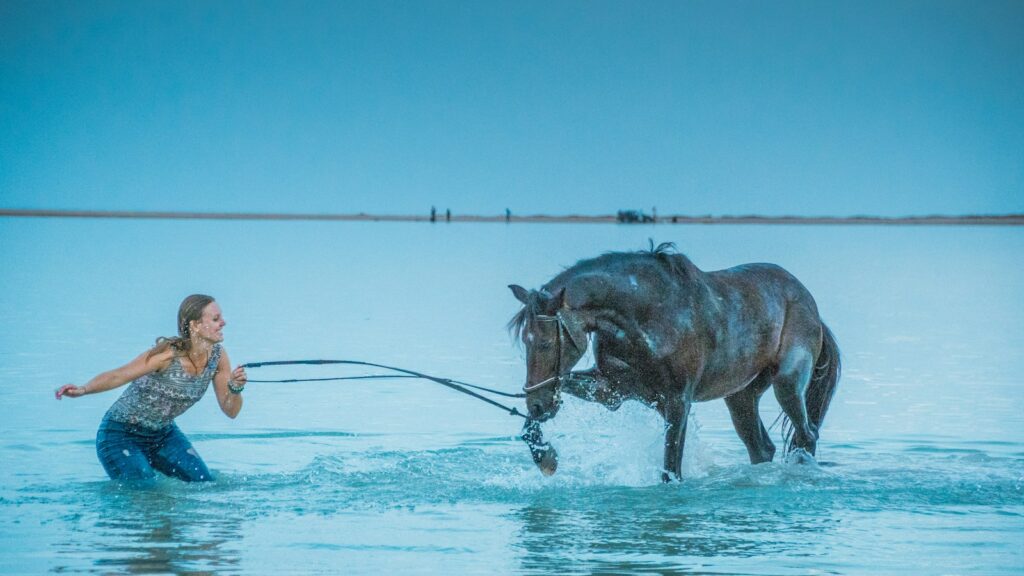
Water crossings can be one of the most challenging obstacles for horses and their riders. Whether you’re preparing for trail rides, competitions, or simply want a well-rounded equine partner, teaching your horse to navigate water with confidence is an essential skill. Many horses naturally fear water due to its unfamiliar nature and their inability to judge its depth. This comprehensive guide will walk you through effective, patience-based training techniques to help your horse develop confidence and competence when facing water obstacles. With consistent practice and the right approach, even the most water-shy horse can learn to cross streams, puddles, and ponds with confidence and ease.
Understanding Your Horse’s Fear of Water
Horses are prey animals, which means their survival instincts are finely tuned to avoid potentially dangerous situations. Water presents several challenges to horses: they can’t easily judge its depth, the reflective surface appears unusual, and moving water creates unfamiliar sounds and movements. Additionally, horses can’t see the ground beneath the water, creating uncertainty about where to place their feet. Some horses may have had negative experiences with water in the past, reinforcing their fear. Understanding that your horse’s hesitation is based on natural survival instincts rather than stubbornness will help you approach training with appropriate patience and empathy.
Assessing Your Horse’s Current Comfort Level
Before beginning training, take time to evaluate how your horse currently responds to water. Some horses may show mild hesitation while others exhibit significant fear behaviors like freezing, backing up, snorting, or even rearing. Start by observing your horse’s reaction to small puddles in the arena or small water obstacles in a controlled environment. Note if your horse will follow another confident horse through the water or if they refuse regardless of example. This assessment will establish your baseline and help you determine how gradually you need to introduce water training. Remember that horses with severe water anxiety will need a much slower, more methodical approach than those with mild hesitation.
Establishing Trust and Leadership First
Successfully teaching water crossings begins with a foundation of trust between you and your horse. Your horse must view you as a confident, trustworthy leader before they’ll follow you into a situation they perceive as potentially dangerous. Spend time developing your relationship through groundwork exercises that reinforce your role as leader and build your horse’s trust in your judgment. Exercises like leading through narrow spaces, over ground poles, or past unfamiliar objects help develop the trust necessary for water training. If your horse doesn’t trust you on dry land, they certainly won’t trust you to lead them into water. Prioritize this relationship-building stage before tackling significant water obstacles.
Start with Simple Groundwork Exercises
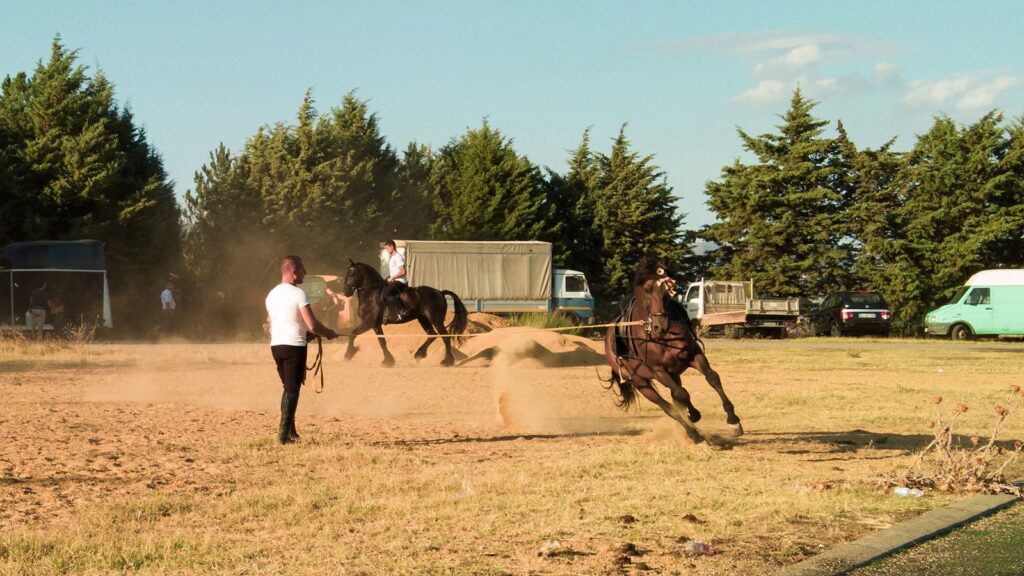
Begin water desensitization with basic groundwork rather than immediately attempting actual water crossings. Use a hose to create small puddles in a familiar arena or training area where your horse feels secure. Lead your horse near the puddles without forcing them to cross, allowing them to investigate at their own pace. Reward any interested or calm behavior with praise, treats, or scratches in their favorite spot. Gradually move the puddle location so your horse learns to approach water in different contexts. This gentle introduction helps normalize the sight of water without creating pressure that might reinforce fear. Consistent, low-pressure exposure is key to building confidence at this stage.
Using a Confident Companion Horse
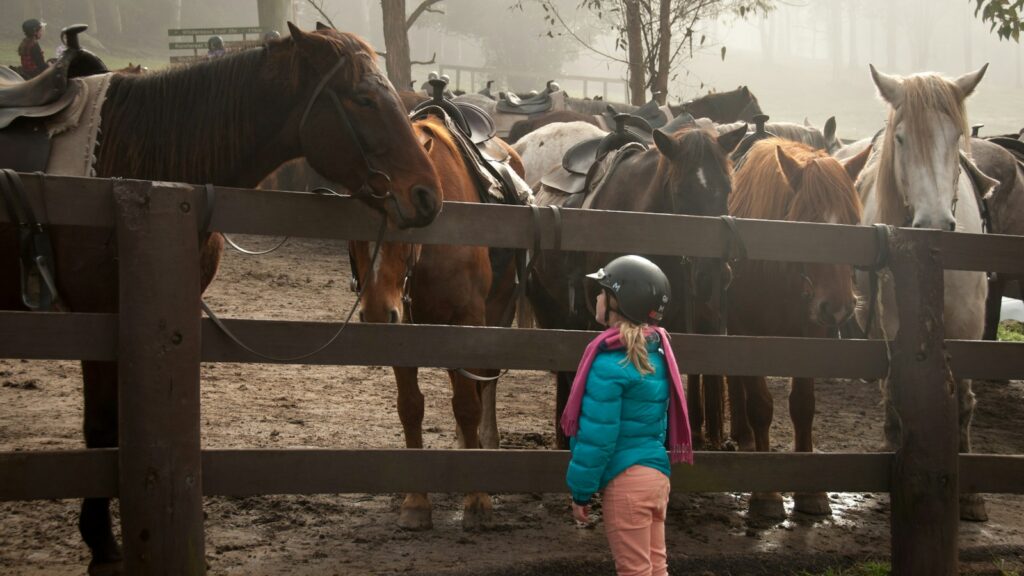
One of the most effective strategies for water training involves using an experienced “buddy” horse who confidently crosses water. Horses are herd animals and naturally look to other horses for safety cues. When a nervous horse observes a calm companion walking through water without hesitation, it signals that the water is safe to cross. Position your horse where they can clearly see the companion horse approaching, entering, and exiting the water multiple times. Allow your horse to follow at their own pace, keeping the lead rope loose to avoid creating tension. Many horses will eventually follow their companion with minimal encouragement. This method leverages the natural herd mentality to overcome individual fear.
Progressive Desensitization Techniques
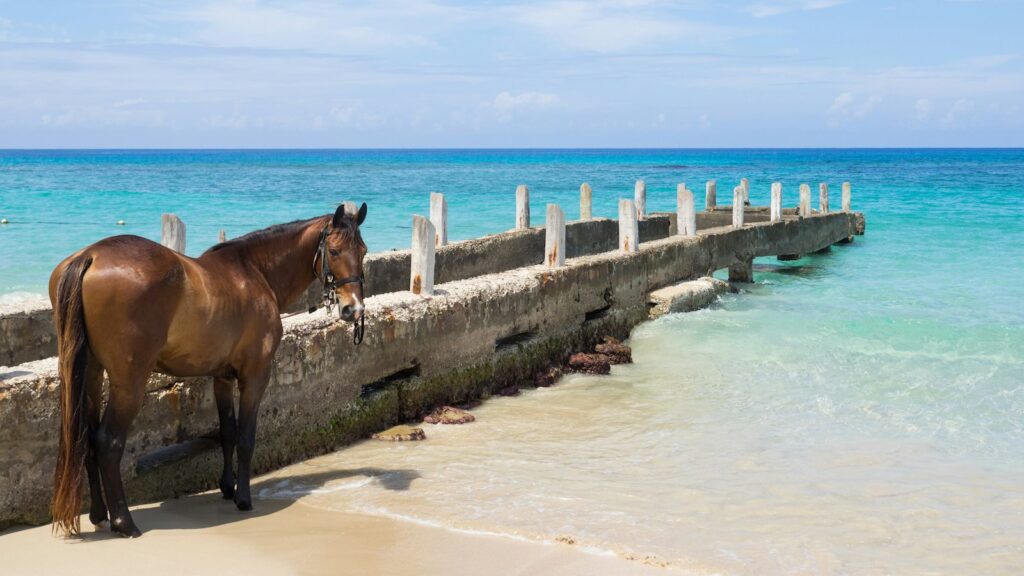
Systematic desensitization is crucial for horses with significant water anxiety. Start by asking your horse to stand near the water without crossing it, rewarding calm behavior and gradually decreasing the distance to the water’s edge. Next, ask them to take just one step into shallow water, immediately backing out and offering praise. Progressively increase the number of steps into the water over multiple sessions, never rushing or forcing progress. Using a plastic tarp with a small amount of water can create a controlled “water crossing” in your arena that’s less intimidating than natural water. Some trainers successfully use kiddie pools for initial training, though these require careful introduction as they combine water with an unusual surface.
Addressing Special Challenges with Moving Water
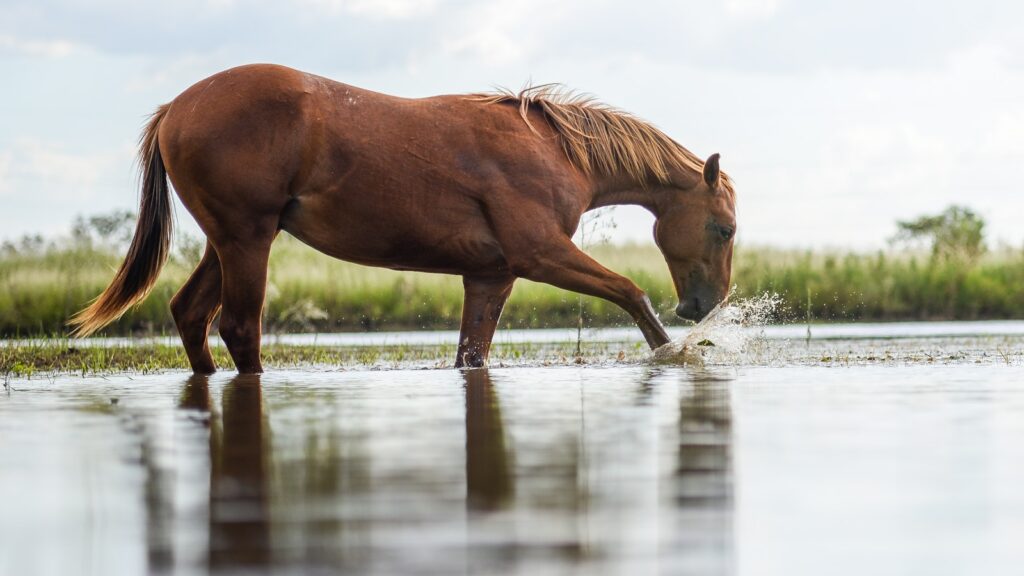
Moving water presents additional challenges compared to still water due to sound, movement, and changing reflections. Begin with very shallow, slow-moving water like small streams rather than rushing creeks. Choose crossing points where the water is clear enough for your horse to see the bottom, reducing uncertainty about footing. Approach moving water at a slight angle rather than straight on, which can feel less threatening to the horse. If possible, find a wide crossing area where your horse can choose their path rather than feeling channeled into a narrow space. For particularly anxious horses, standing at the edge of moving water for several sessions before attempting to cross can help them adjust to the sensory experience.
Proper Equipment and Safety Considerations
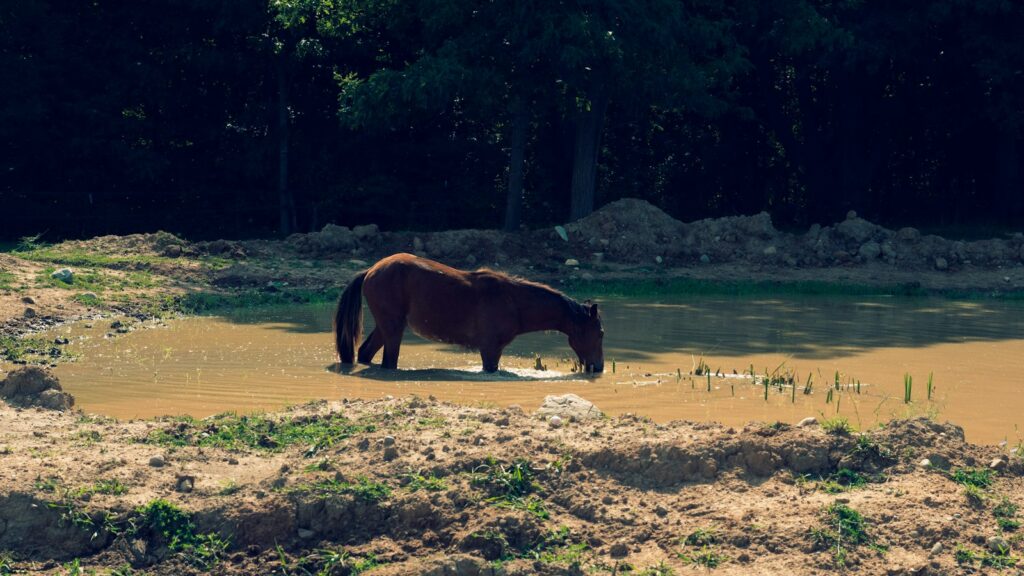
Safety should be your primary concern when training water crossings, as anxious horses can become unpredictable. Always wear a helmet and appropriate footwear that won’t get caught in stirrups if you need to dismount quickly. Use a rope halter or bridle that gives you adequate control without being harsh. Consider using a lead rope with a safety release snap for groundwork near water. Check water crossings for hidden obstacles, sudden drop-offs, or slippery surfaces before asking your horse to enter. Avoid deep water during initial training, as swimming requires different skills for both horse and rider. For horses with significant anxiety, some trainers use protective boots to give the horse more confidence about footing in the water.
Common Mistakes to Avoid
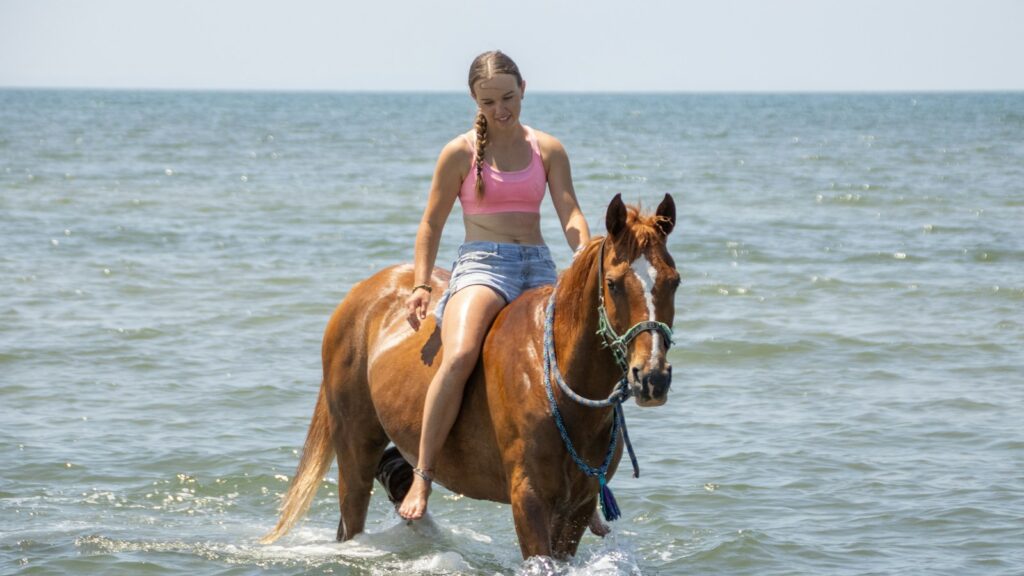
Several common training errors can significantly set back your water training progress. Forcing a terrified horse into water creates trauma that may take months or years to overcome, so always prioritize willing participation over immediate success. Punishing fearful behavior reinforces the horse’s belief that water situations are negative and dangerous. Rushing the training process by skipping progressive steps often backfires, as horses need time to process and accept each new challenge. Inconsistent handling, where sometimes you allow refusal and other times you insist on crossing, creates confusion about expectations. Equally problematic is giving up too quickly when progress seems slow, as consistent, patient work almost always yields results eventually, even with extremely water-shy horses.
Reinforcing Positive Experiences
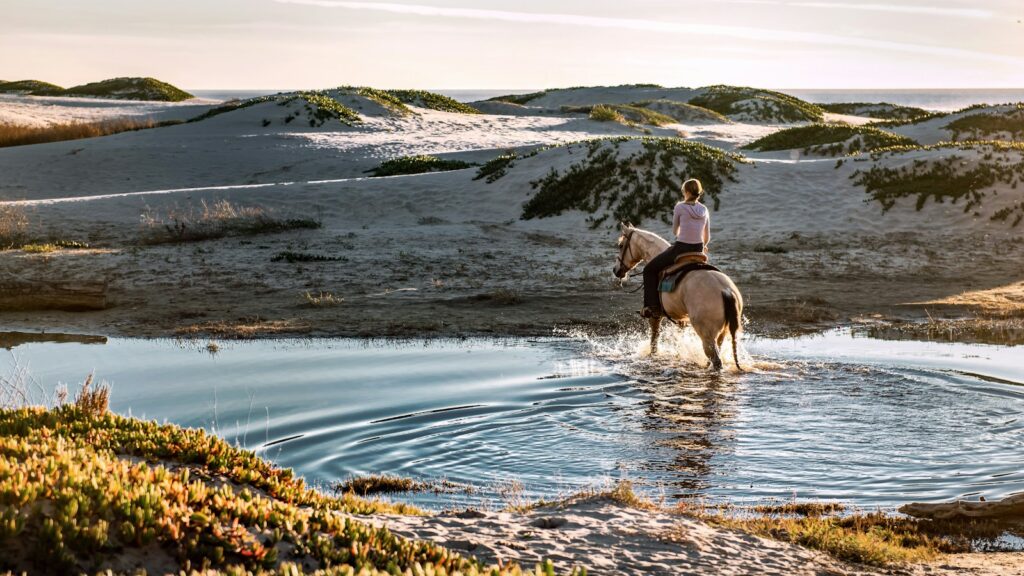
Creating positive associations with water crossing is essential for long-term confidence. End each training session on a positive note, even if that means celebrating a small step like approaching closer to the water than in previous sessions. Use your horse’s favorite treats or scratches immediately after any brave behavior around water. Some trainers successfully place food rewards on the opposite side of water obstacles to create motivation. Consider planning pleasant activities after water crossings during trail rides, such as grazing in a lush area or taking a rest break. Horses quickly learn that good things happen after water crossings, building positive anticipation rather than dread.
Progressing to Mounted Work
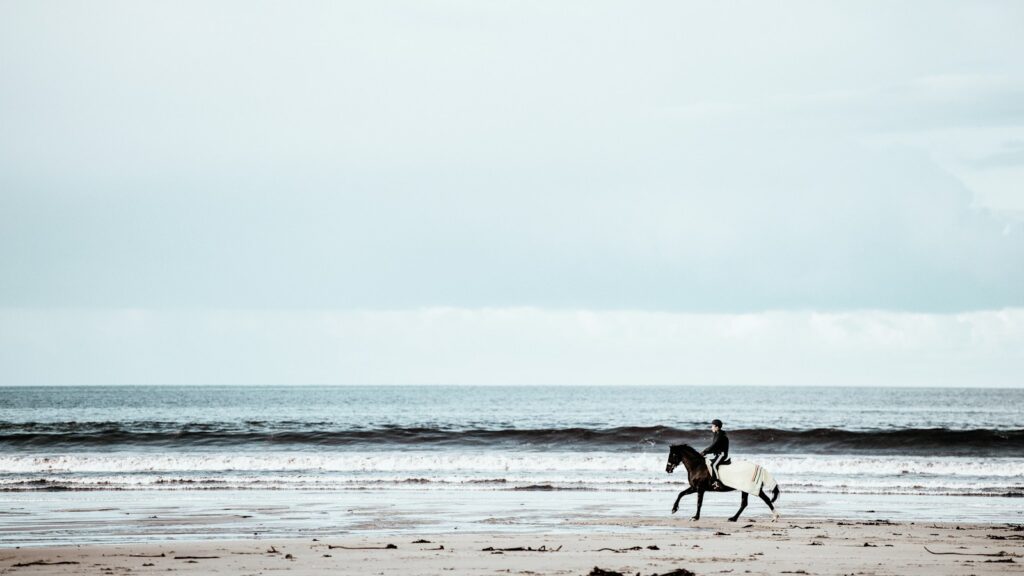
Once your horse confidently crosses water while being led, it’s time to progress to mounted work. Begin in very shallow water where your horse has already demonstrated confidence on the ground. Use light leg pressure to encourage forward movement while keeping your hands soft and maintaining a relaxed, balanced position. Avoid clutching at your legs or gripping the reins tightly, as your tension will transfer to your horse. If your horse hesitates, remain patient and give them time to process rather than immediately increasing pressure. Gradually progress to deeper water and more challenging crossings as your horse’s confidence grows. Consider initially riding alongside a mounted companion on a confident horse for added security.
Maintaining and Expanding Water Confidence
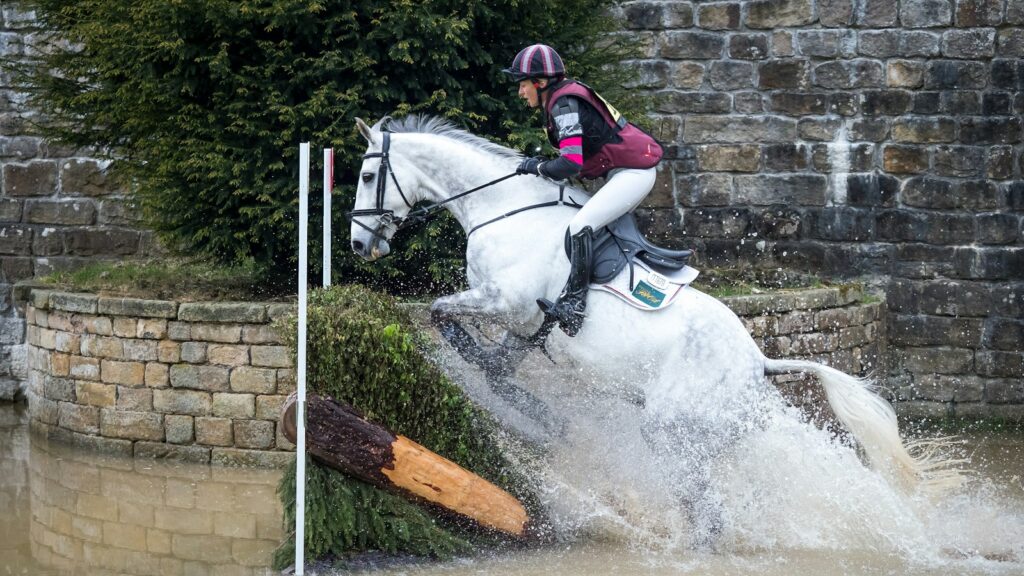
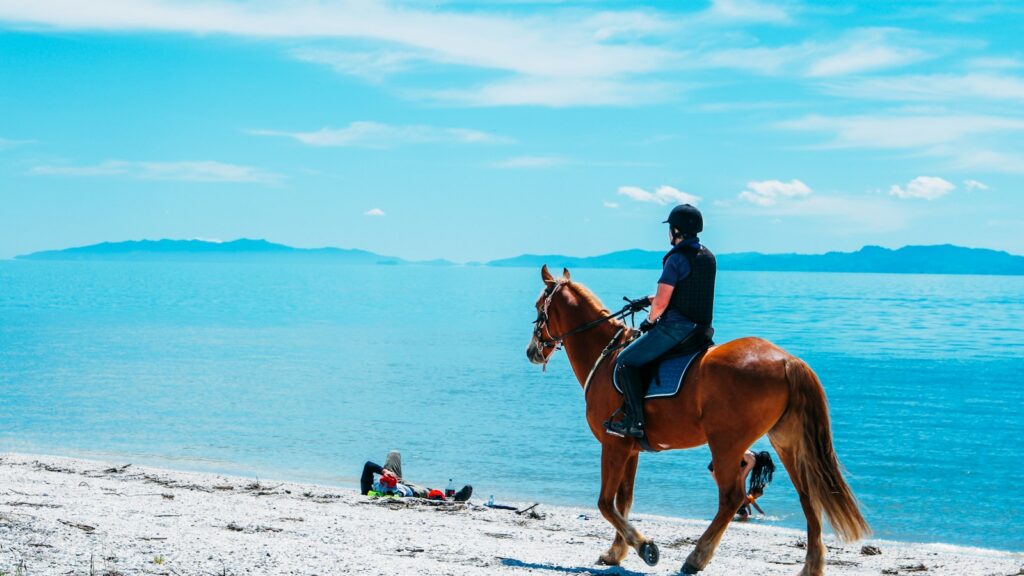
Water confidence requires regular reinforcement to maintain over time. Incorporate water crossings into your regular riding routine rather than treating them as rare special events. Seek out different types of water crossings during trail rides to expand your horse’s experience – from shallow puddles to streams, ponds, and eventually beach rides if available. Some riders find that teaching their horses to enjoy playing in water takes fear management to the next level, as the horse begins to view water as potentially enjoyable rather than merely tolerable. Remember that environmental factors like cold temperatures, fast currents after rain, or unusual water color can create new challenges even for experienced horses, so always be prepared to offer support during changing conditions.
Troubleshooting Persistent Water Anxiety
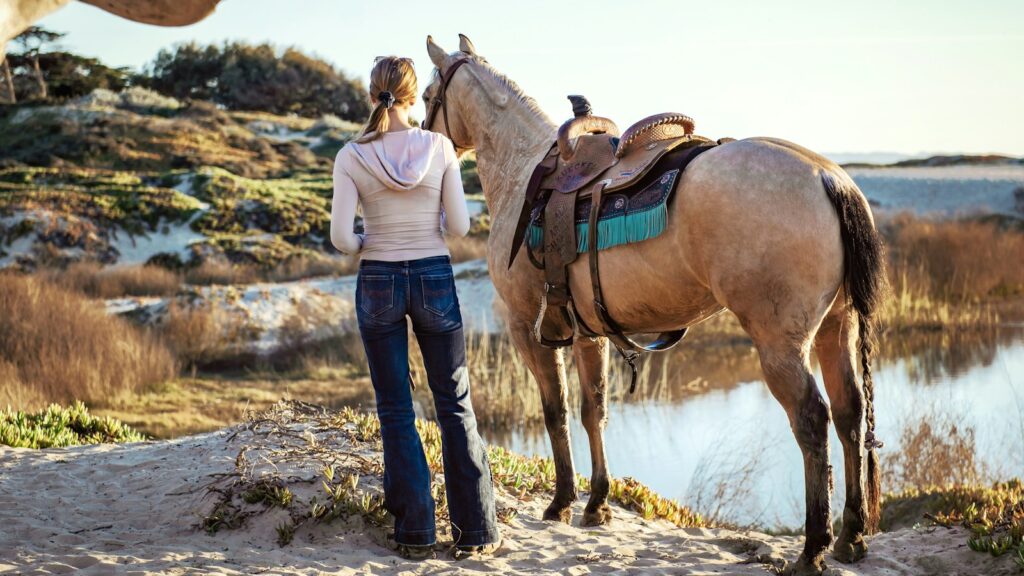
Some horses develop persistent water phobias that require specialized approaches. For horses that repeatedly refuse despite patient training, consider consulting a professional trainer who specializes in obstacle work. Sometimes an undiagnosed physical issue, like poor vision or previous foot pain in water, contributes to persistent refusal. Occasional use of calming supplements containing ingredients like magnesium or L-theanine may help extremely anxious horses focus on training without overwhelming fear, though these should never replace proper training. Some trainers successfully use clicker training or target training specifically for water obstacles, as these methods create clear communication about exactly what behavior earns rewards. For safety reasons, never attempt to force a severely water-phobic horse through deep water, as the resulting panic can endanger both horse and handler.
Building Confidence Through Water Training
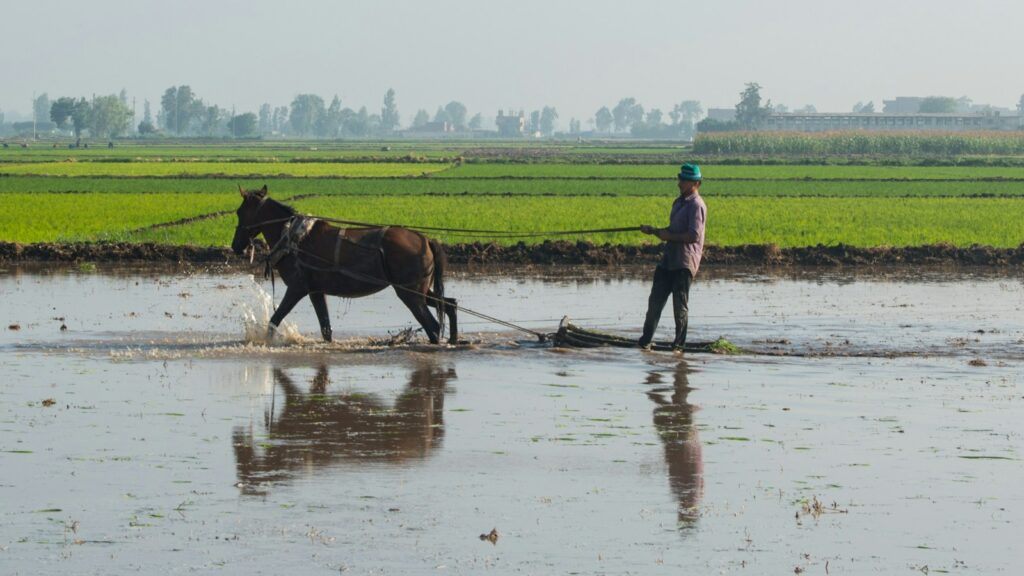
Water training is a journey that develops both your horse’s confidence and your partnership. With patience, consistency, and an understanding of your horse’s perspective, even the most water-shy horse can learn to navigate water crossings with confidence. Remember that each successful crossing builds positive experiences that make future crossings easier. The skills you both develop through water training – trust, clear communication, and problem-solving – transfer to other challenging situations you’ll encounter together. Whether you’re preparing for trail adventures, competing in versatility events, or simply creating a well-rounded equine partner, the time invested in proper water training pays dividends in creating a braver, more confident horse who trusts your leadership in all situations.