

In today’s digital age, equestrians have access to an unprecedented array of technology designed to enhance their riding skills, track progress, and connect with trainers virtually. Whether you’re a competitive show jumper, an endurance rider, or simply enjoy recreational riding, technological advancements have created innovative solutions to age-old training challenges. The right apps and tools can provide objective feedback, record your sessions for later analysis, and even help you connect with a global community of fellow riders. This comprehensive guide explores the most effective digital resources available to modern riders, helping you navigate the sometimes overwhelming landscape of equestrian technology to find the perfect tools to elevate your riding journey.
Video Analysis Applications
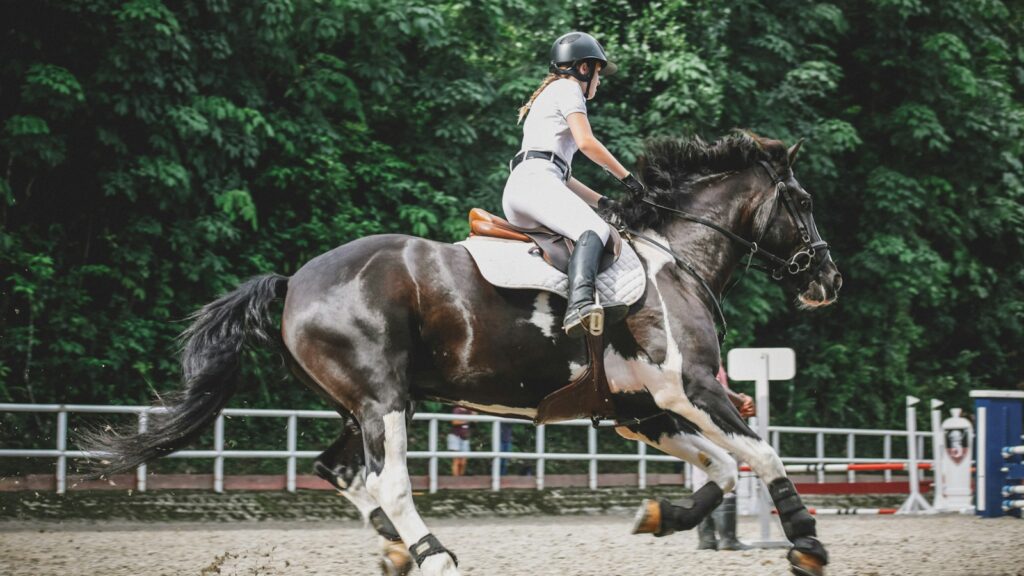
Video analysis apps have revolutionized how riders evaluate their form and technique in real time. Applications like Equilab, Ride Inspector, and OnForm allow riders to record their sessions and analyze them frame by frame, providing insights impossible to gain while in the saddle. These tools typically include drawing features for measuring angles of position, slow-motion capabilities to examine minute details of movement, and comparison tools to track progress over time. Many professional trainers now incorporate video analysis into every lesson, allowing students to see exactly what their instructor is referencing rather than trying to feel corrections without visual feedback. The ability to objectively observe your riding from an outside perspective often reveals habitual positioning errors that may be contributing to communication issues with your horse.
Wearable Fitness Trackers for Equestrians
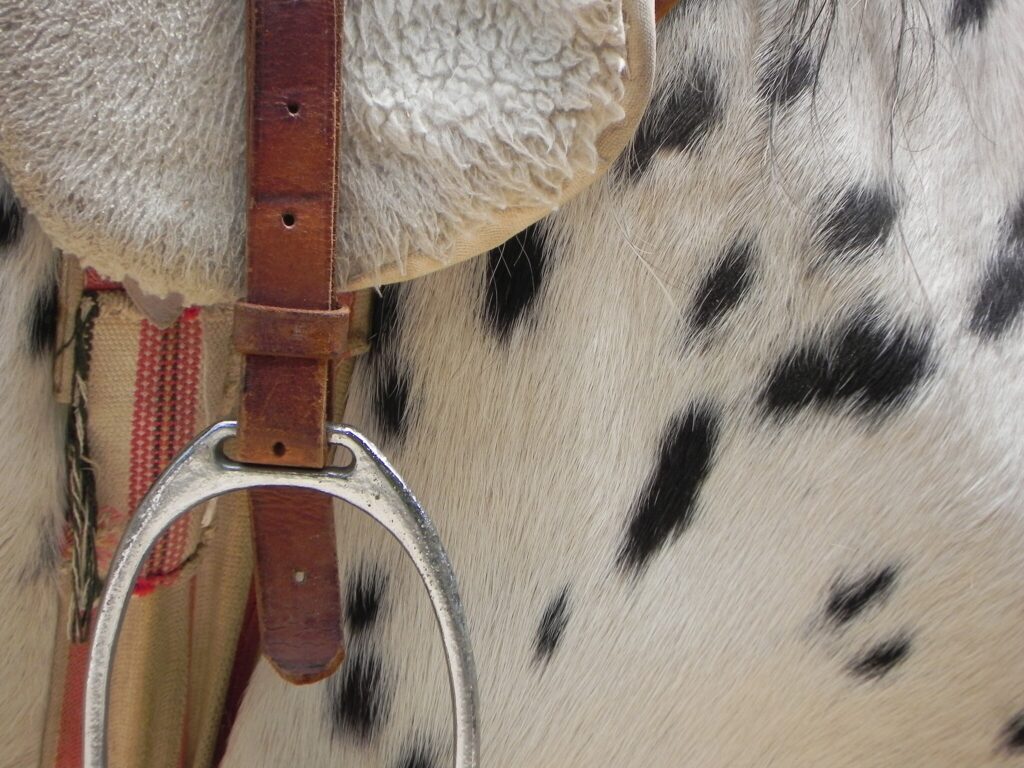
Specialized fitness trackers designed specifically for equestrians help riders monitor both their own physical metrics and their horse’s performance data during training sessions. Products like the Seaver girth sleeve and Hylofit system collect comprehensive information including the horse’s heart rate, speed, stride length, symmetry, and jump height while simultaneously tracking the rider’s position and balance points. This dual-tracking capability provides valuable insights into the relationship between rider input and horse response, allowing for more targeted training approaches. By establishing baseline measurements and monitoring changes over time, riders can make data-driven decisions about training intensity, recovery periods, and competition readiness. Many equestrian fitness trackers sync with smartphone apps that generate detailed reports and visualizations, making complex performance data accessible and actionable for riders at all levels.
Virtual Coaching Platforms

The rise of virtual coaching platforms has democratized access to world-class instruction for riders regardless of their geographic location or financial constraints. Services like Ride IQ, Dressage Training TV, and Virtual Horse Help connect riders with top trainers through video lessons, personalized feedback sessions, and structured training programs. These platforms typically allow riders to upload videos of their riding for professional analysis and receive detailed feedback without the logistical challenges of in-person lessons. Many offer subscription models providing access to extensive libraries of instructional content covering specific disciplines, training challenges, or skill levels. The flexibility of virtual coaching is particularly valuable for riders in remote areas, those with unconventional schedules, or individuals seeking specialized instruction not available locally. Regular virtual coaching can complement traditional lessons, creating a more consistent feedback loop to accelerate rider development.
GPS Tracking Systems
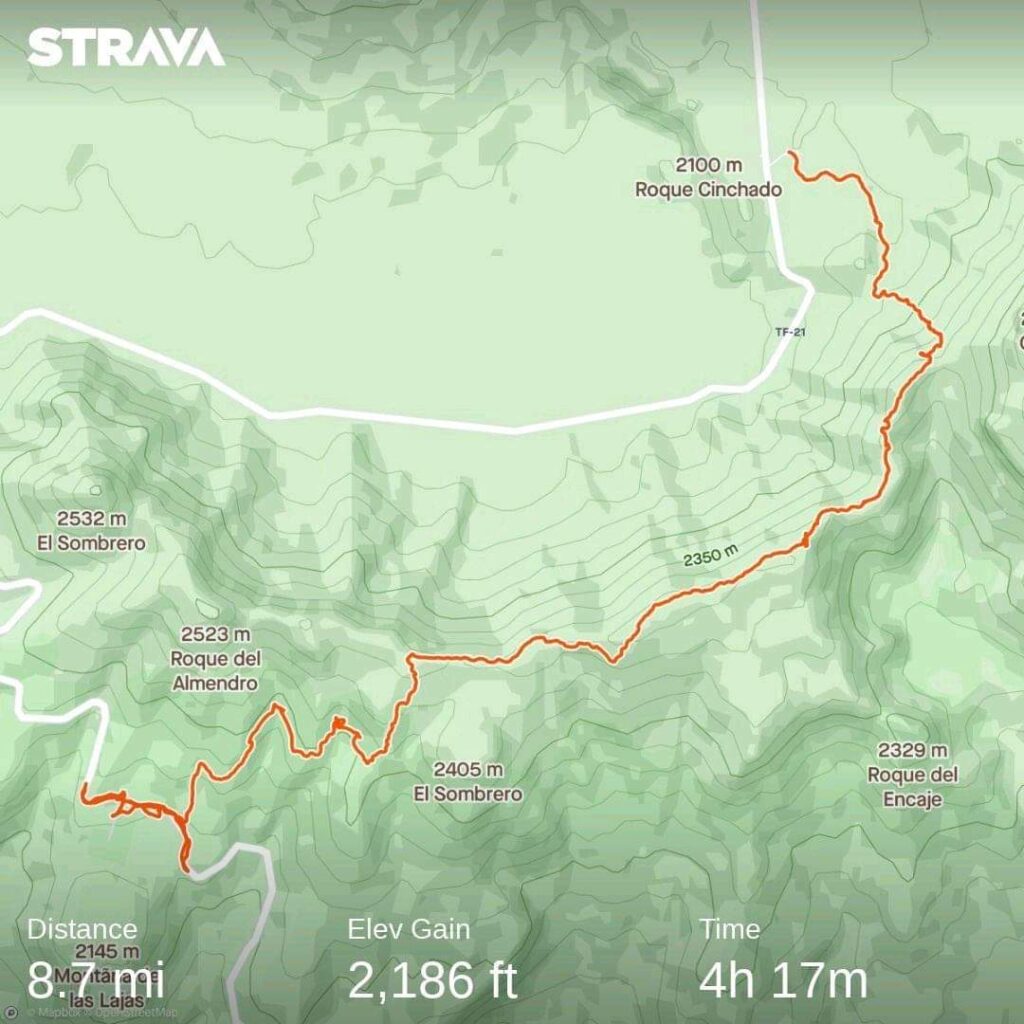
GPS tracking tools have become essential equipment for trail riders, endurance competitors, and those training for distance events. Apps like Equitrail, Endomondo, and the equestrian-specific features in Strava accurately map routes, record distance traveled, and track average speeds throughout rides. These systems provide valuable data for conditioning programs, allowing riders to gradually increase distance and intensity while monitoring their horse’s capabilities. Many GPS tools include safety features such as route sharing with emergency contacts, last known location services, and predetermined check-in points for solo riders venturing into remote areas. For competitive distance riders, GPS tracking offers insights into optimal pacing strategies, helping identify sections of a course where horses naturally increase or decrease speed. Historical tracking data also allows riders to quantitatively measure improvements in their horse’s fitness level over training seasons.
Arena Pattern and Exercise Generators

Digital tools designed to generate riding patterns and exercises help riders combat training monotony and systematically address specific skill development. Applications like Equestrian Geometry, Arena Patterns, and DressagePro provide thousands of configurable patterns with varying complexity levels suitable for different arena sizes and training objectives. These pattern generators often include visual diagrams showing precise measurements, ideal lines of travel, and proper execution techniques to maximize the benefit of each exercise. Many include progressive series of related patterns that incrementally increase in difficulty, creating structured training paths for developing particular skills like lateral work, collection, or transitions. For instructors, these tools facilitate lesson planning and provide visual references for students to practice independently between formal training sessions.
Digital Training Journals

Digital training journals have largely replaced traditional paper logbooks, offering more comprehensive tracking capabilities and data integration. Apps like Equilab, EquiRatings, and TrainingScale allow riders to record detailed notes about each session, including exercises performed, horse behavior, equipment used, and goals for future rides. These digital journals typically integrate with other training tools, automatically importing data from GPS trackers, heart rate monitors, and video analysis to create complete training records. Many include customizable goal-setting features, progress visualization tools, and reminder systems to maintain consistent training schedules. The searchable nature of digital journals makes it easy to identify patterns over time, such as how weather conditions affect performance or how specific training approaches influence competition results. For riders working with multiple horses, digital journals streamline the process of maintaining separate training records for each mount.
Remote Heart Rate Monitoring Systems
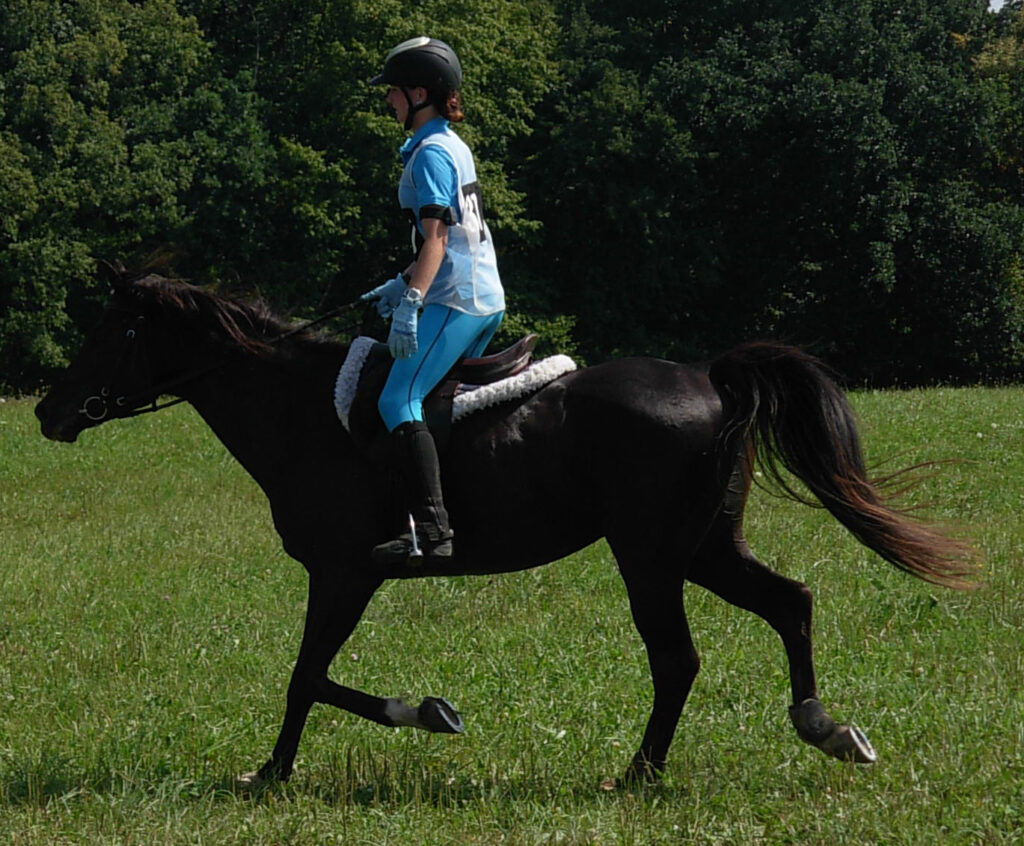
Heart rate monitoring technology provides objective physiological data to guide training intensity and recovery protocols for equine athletes. Systems like Polar Equine, Hylofit, and Seaver measure the horse’s heart rate in real-time during work, transmitting data wirelessly to smartphones or watches where riders can monitor this critical information while mounted. These systems typically track resting heart rate, working heart rates at different gaits, recovery rates after exertion, and heart rate variability metrics that indicate stress levels and overall fitness. By establishing personalized heart rate training zones based on individual horses’ fitness levels, riders can develop precisely calibrated conditioning programs that maximize cardiovascular development while minimizing injury risk. Regular heart rate monitoring also helps detect subtle health issues before they become serious problems, as elevated resting heart rates often precede visible symptoms of illness or injury.
Virtual Reality Riding Simulators
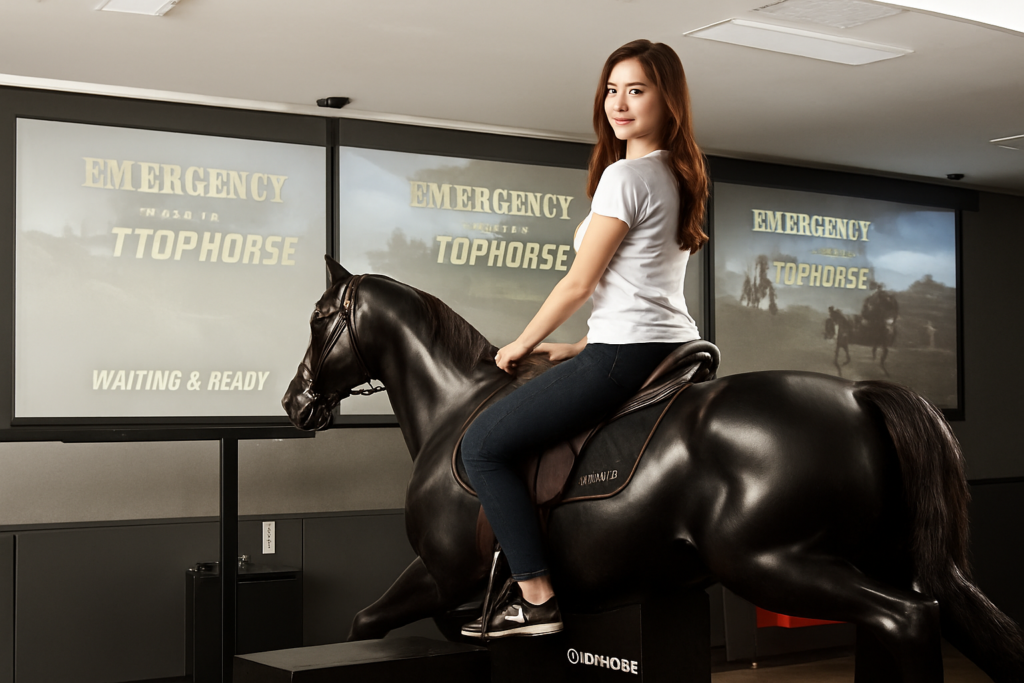
Virtual reality riding simulators represent the cutting edge of equestrian training technology, allowing riders to develop skills in controlled environments before applying them on live horses. Advanced systems like Racewood Simulators and the EQUESTIC provide programmable resistance and movement patterns that realistically mimic different horses, disciplines, and training scenarios. These simulators typically include visual displays showing virtual riding arenas, cross-country courses, or trail environments that respond to rider input, creating an immersive learning experience. For novice riders, simulators offer safe opportunities to develop balance, timing, and correct positioning without the unpredictability of a live horse. Professional riders use simulation technology to mentally rehearse competition courses, practice advanced techniques requiring precise timing, or maintain skills during rehabilitation from injuries. Many equestrian centers and training facilities now offer simulator sessions as part of comprehensive development programs.
Online Community and Competition Platforms
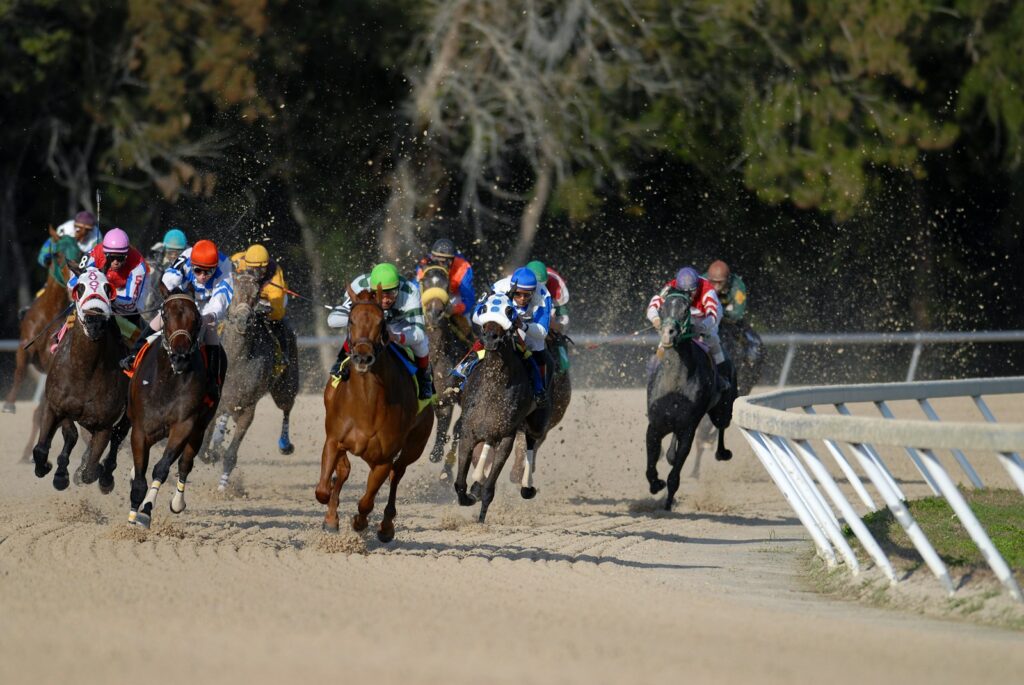
Digital platforms focused on community building and virtual competitions have transformed how riders connect, share experiences, and test their skills against peers worldwide. Sites like Dressage Anywhere, E-Riders, and Equestrian Connect host regular virtual shows where riders submit videos for professional judging, receiving scorecards and feedback comparable to traditional competitions. These online communities typically include social features allowing riders to share training videos, seek advice from more experienced members, and celebrate achievements within supportive networks. For riders in remote locations or those with limited transportation options, these platforms provide valuable competitive opportunities that would otherwise be inaccessible. Many include educational components such as masterclass videos, technique breakdowns from elite riders, and discipline-specific discussion forums that accelerate knowledge sharing across the global riding community.
Biomechanical Analysis Tools

Sophisticated biomechanical analysis tools have migrated from veterinary and research settings into practical training applications for everyday riders. Systems like EquinITy, Gait Smart, and Motion Metrics use sensor arrays to capture precise measurements of gait characteristics, weight distribution, limb angles, and movement symmetry during work. These tools typically generate detailed visualizations of biomechanical data, highlighting subtle asymmetries, compensation patterns, or movement restrictions that may affect performance or predispose horses to injury. By establishing baseline measurements for each horse, riders can objectively evaluate the effects of different training approaches, shoeing changes, saddle adjustments, or therapeutic interventions. Regular biomechanical assessment helps riders develop more balanced, symmetrical horses while providing early detection of developing soundness issues before they manifest as visible lameness.
Saddle Fit and Pressure Mapping Applications
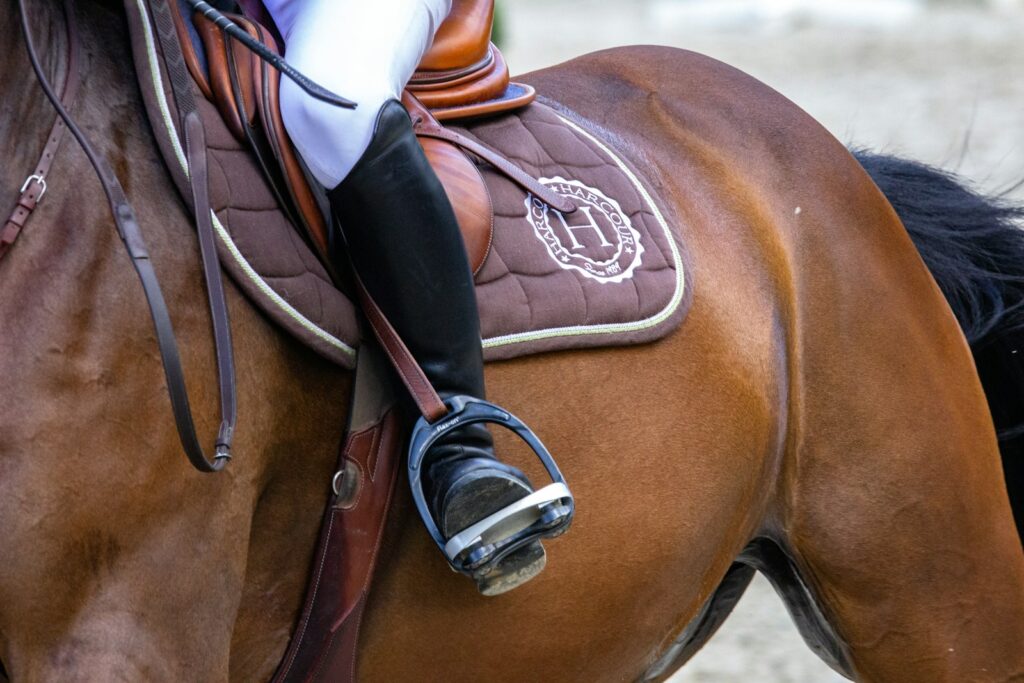
Digital pressure mapping systems have revolutionized saddle fitting by providing objective data about pressure distribution between the saddle and the horse’s back during movement. Technologies like Pliance, SaddleRight, and the Equinalysis Pad use thin sensor mats placed beneath saddles to generate real-time pressure visualizations visible on connected devices during riding. These systems typically display color-coded heat maps showing pressure points, bridging areas, and balance issues that may contribute to back pain, restricted movement, or behavioral problems. By collecting data at different gaits and in various riding scenarios, these tools help identify saddle fit issues that only appear during specific movements or with rider weight in the equation. Many professional saddle fitters now incorporate pressure mapping into their fitting process, using objective data to supplement traditional manual assessment techniques and demonstrate the effects of different padding options or adjustment techniques.
Nutrition and Health Management Apps
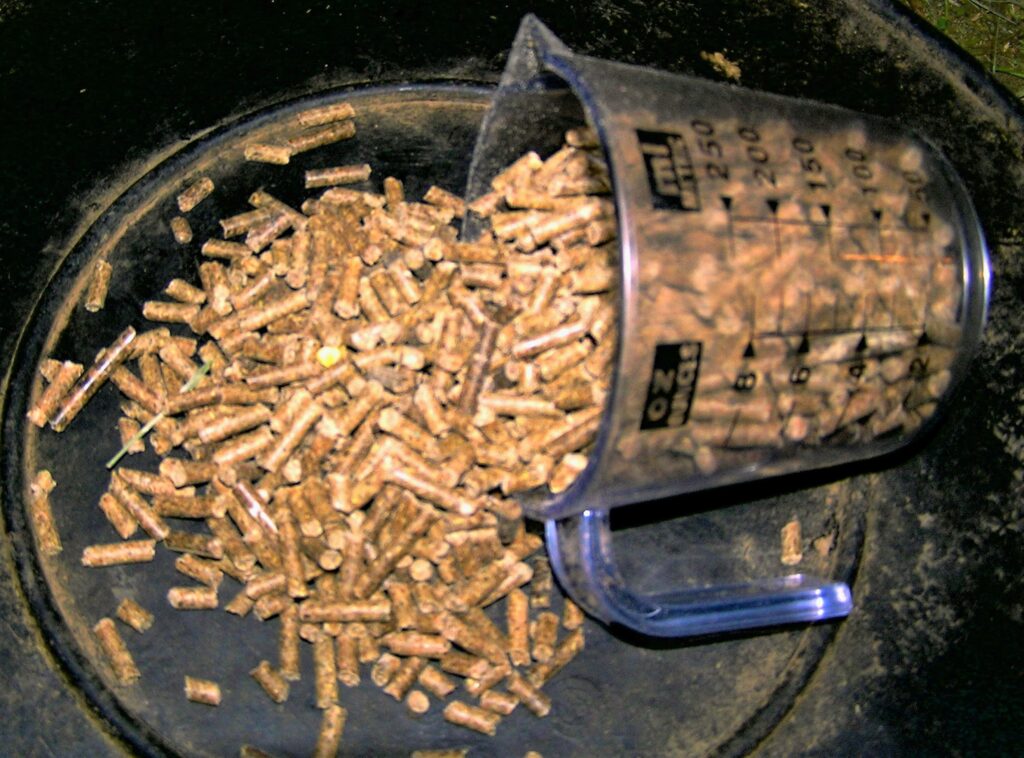
Comprehensive health and nutrition management applications help riders maintain detailed records of their horses’ care routines, identifying patterns that affect performance and well-being. Programs like Stable Secretary, Barn Manager, and Horse & Rider Organizer include features for tracking feed types and quantities, supplement schedules, medication administration, farrier visits, dental care, and vaccination histories. These apps typically send automated reminders for scheduled care tasks, helping ensure nothing falls through the cracks in busy barn environments. Many include weight tape calculators, body condition scoring tools, and feed requirement calculators that help riders maintain optimal nutrition programs based on their horses’ workload, age, and metabolic needs. For performance horses, these applications often include integrations with training data, allowing riders to correlate nutrition changes with performance metrics and make evidence-based decisions about feeding programs.
Integrated Training Ecosystems

The most sophisticated equestrian technology platforms now offer integrated ecosystems that combine multiple training tools within unified interfaces. Systems like Equestic, Pixio, and Equilab Pro merge video recording, performance metrics, GPS tracking, and training journals into comprehensive platforms that synchronize data streams for holistic analysis. These integrated environments typically feature customizable dashboards displaying the most relevant metrics for each rider’s discipline and goals, with the ability to drill down into specific data points for deeper investigation. By consolidating information from various sensors and inputs, these ecosystems reveal relationships between different aspects of training that might otherwise go unnoticed, such as how heart rate responses correlate with specific movement patterns or how rider position affects stride length. For coaches working with multiple students, these platforms often include team management features that facilitate remote monitoring, program adjustment, and progress tracking across entire training groups.
Conclusion
The digital revolution has fundamentally transformed equestrian training, providing riders with unprecedented access to objective data, expert instruction, and global community support. The most effective approach typically involves selecting complementary tools that address your specific training challenges while integrating seamlessly into your existing routines. As equestrian technology continues evolving, riders who embrace these digital resources gain competitive advantages through more precise training methods, better-informed decision making, and accelerated skill development. Whether you’re a professional competitor or a recreational rider, the thoughtful application of these training apps and tools can help forge stronger partnerships with your equine partners while making the journey more enjoyable and rewarding for both horse and human.