
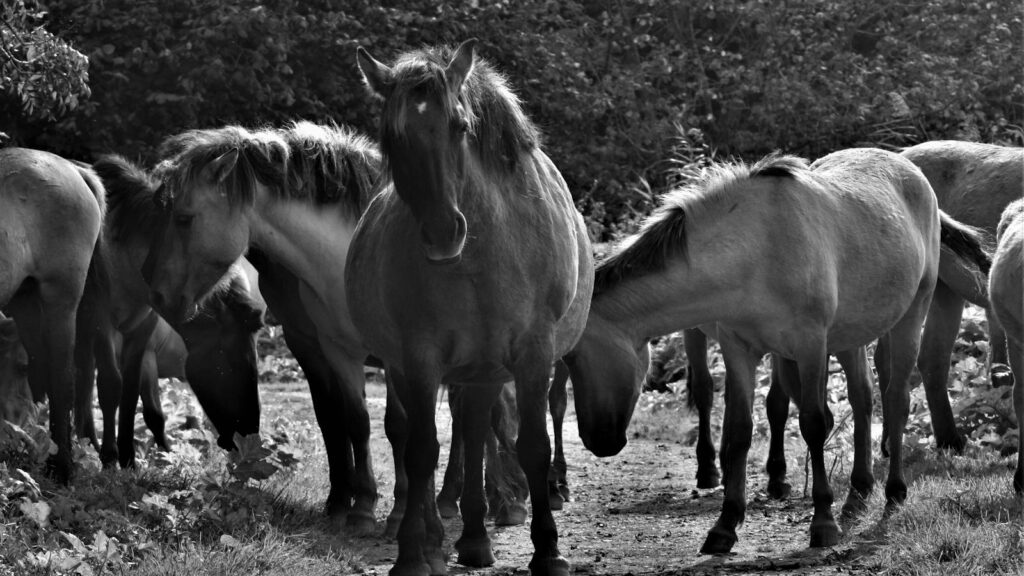
The equine world is filled with extraordinary diversity, from sturdy workhorses to elegant show jumpers. Among the thousands of horses that grace our fields and stables, some breeds stand out not for their popularity, but for their rarity. These uncommon equines represent living pieces of history, cultural heritage, and genetic diversity that enriches our world. Today, we’ll explore five of the rarest horse breeds on the planet – magnificent creatures whose limited numbers make them precious treasures in the equestrian community. Each of these breeds carries unique characteristics and fascinating histories that have brought them to the brink of extinction, yet conservation efforts continue to preserve these remarkable animals for future generations.
The Endangered Sorraia Horse: Portugal’s Living Fossil
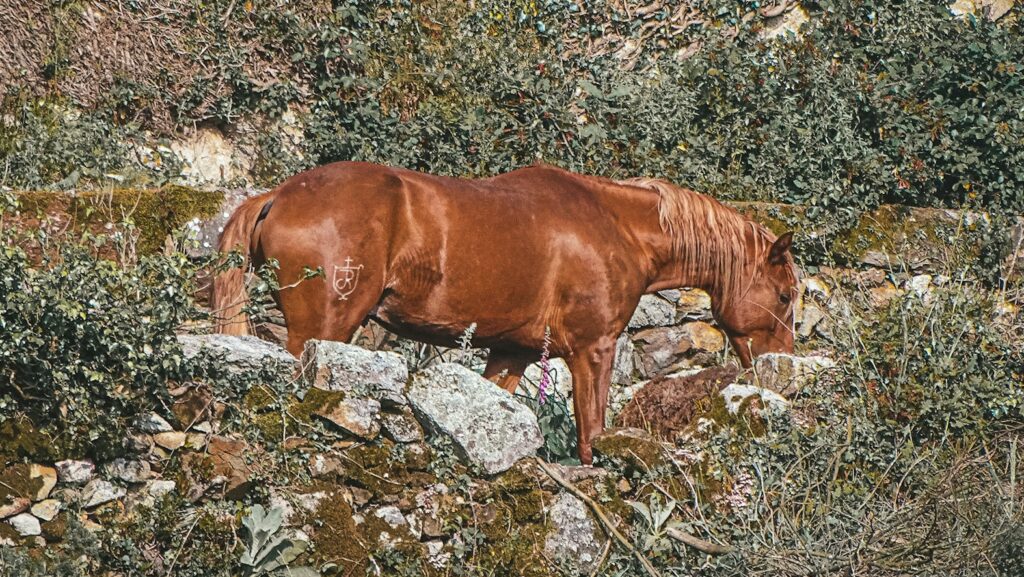
The Sorraia horse represents one of Europe’s most ancient and rare equine breeds, with fewer than 200 purebred individuals remaining worldwide. Native to the Iberian Peninsula, specifically Portugal’s Sorraia River basin, these horses bear a striking primitive appearance with dun or grulla coloring, dorsal stripes, and zebra-like leg markings that reflect their ancient origins. Genetic studies suggest the Sorraia may be one of the ancestors of the Lusitano and Andalusian horses, potentially representing a remnant population of wild horses that once roamed across Southern Europe. Their naturally hardy constitution allowed them to survive in harsh environments with minimal human intervention for centuries, though modern agricultural changes and habitat loss have pushed them to the edge of extinction, making conservation programs critically important for their survival.
The Critically Endangered Newfoundland Pony: Canadian Heritage at Risk
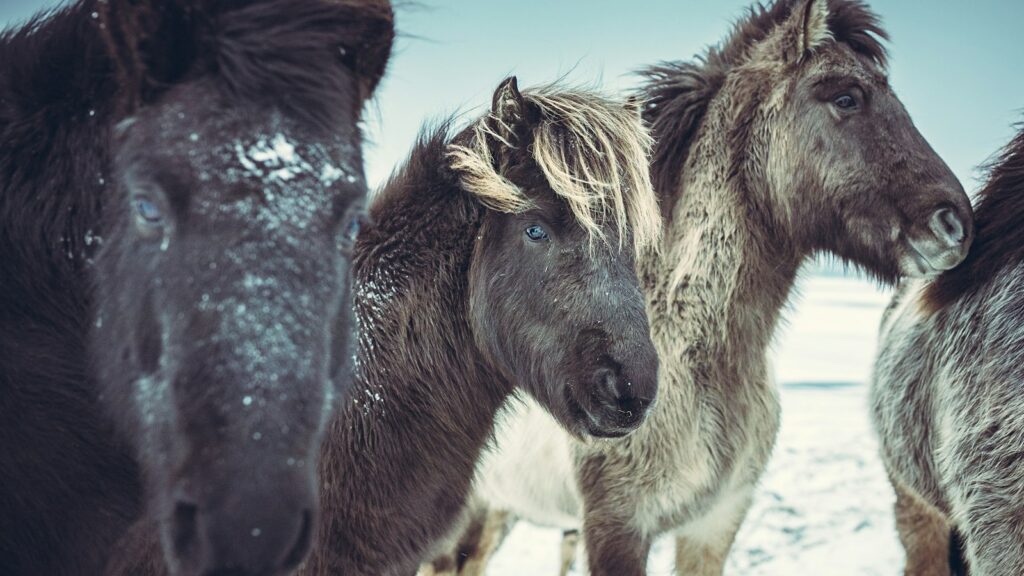
The Newfoundland Pony stands as a cultural icon of Canada’s easternmost province, yet this hardy breed now numbers fewer than 400 individuals worldwide. Developed over centuries of isolation on Newfoundland Island, these ponies evolved from various British and European pony breeds brought by settlers in the 17th century. They developed into remarkably versatile animals that could plow fields, haul fishing nets, and transport families through harsh winter conditions. The Newfoundland Pony typically stands between 13 and 14.2 hands high, with a sturdy build, thick mane and tail, and a dense winter coat that allows them to withstand the brutal North Atlantic climate. Their population collapsed dramatically in the mid-20th century when mechanization replaced working animals and government policies encouraged their slaughter, leading to their current endangered status despite efforts by the Newfoundland Pony Society to preserve this living piece of Canadian heritage.
The Mysterious Caspian Horse: An Ancient Breed Rediscovered
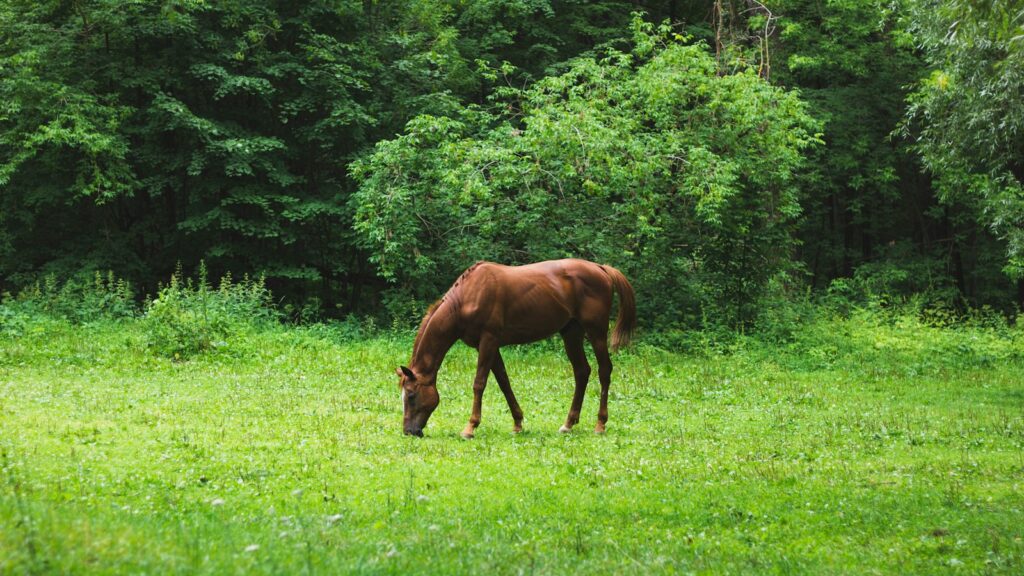
The Caspian horse represents one of history’s most remarkable equine rediscoveries, having been thought extinct for over 1,000 years until their rediscovery in 1965 by American-born Louise Firouz in the mountains of northern Iran. These small but proportionally refined horses stand between 9.2 and 12.2 hands high, displaying exceptional intelligence, athletic ability, and the distinctive concave profile similar to horses depicted in ancient Persian art from 3,000 BCE. Archaeological evidence suggests Caspians may be direct descendants of the small, hot-blooded horses of ancient Mesopotamia, potentially making them among the oldest known horse breeds still in existence. With a global population of fewer than 1,500 individuals, conservation efforts focus on maintaining their genetic diversity while reintroducing this breed to their historical homeland in Iran, where political instability has threatened their numbers.
The Rare Dales Pony: England’s Disappearing Draft Pony
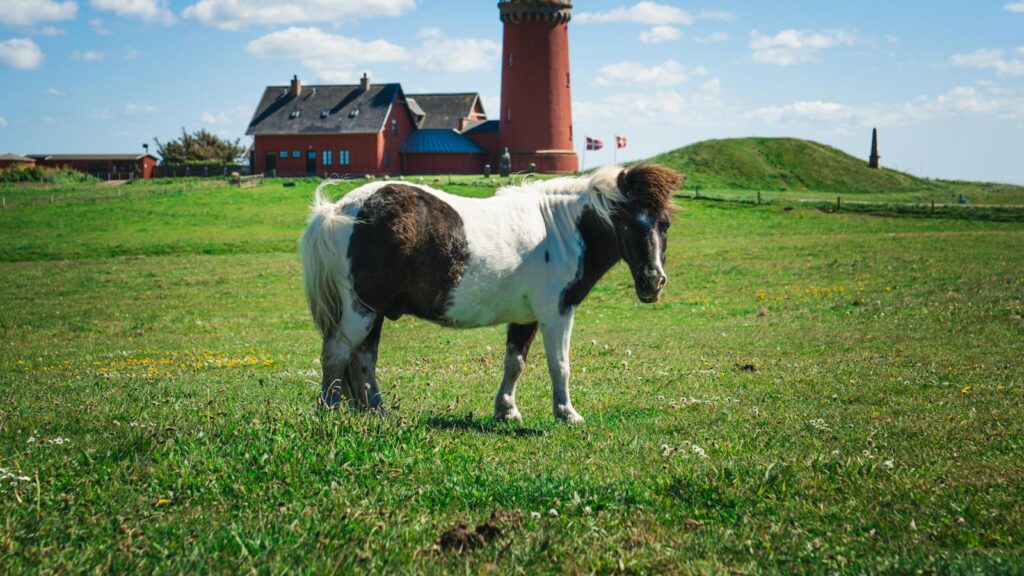
The Dales Pony originates from the harsh, rugged terrain of England’s Yorkshire Dales, representing one of Britain’s most endangered native equine breeds with fewer than 1,000 purebred individuals remaining globally. These powerful ponies typically stand between 14 and 14.2 hands high, predominantly black in color, though other dark colors occur with minimal white markings allowed in the breed standard. Historically, Dales Ponies served critical roles in lead mining operations, carrying heavy loads of ore across treacherous terrain, later transitioning to agricultural and artillery transport during both World Wars. Their remarkable strength relative to their size makes them exceptional draught animals—a mature Dale can pull loads twice what a draft horse can pull relative to its weight. The breed’s precipitous decline resulted from mechanization and the decimation of their numbers during wartime service, leading to their current critical status despite protection efforts by the Dales Pony Society and Rare Breeds Survival Trust.
The Critically Endangered Hackney Horse: From Royal Favor to Near Extinction
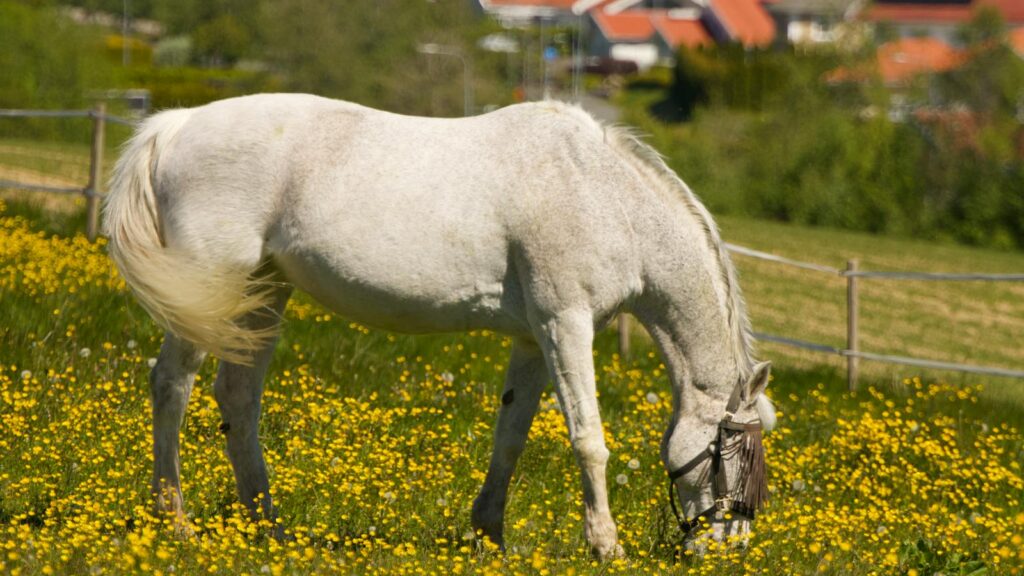
The Hackney Horse represents a surprising entry on this list, as it was once among Britain’s most celebrated carriage horses before falling to critically endangered status with fewer than 300 purebred breeding individuals remaining worldwide. Developed in Great Britain during the 18th and 19th centuries by crossing Norfolk Roadsters with influential Thoroughbreds, these horses became prized for their exceptional high-stepping trot, elegant appearance, and stamina that made them the premier carriage horses of the Victorian era. Standing between 14.2 and 16.2 hands high, Hackneys possess remarkable action with exaggerated knee and hock flexion that creates their spectacular movement. The breed’s decline coincided with the rise of automobiles, which eliminated demand for carriage horses, and further accelerated as agricultural mechanization removed their utility role. Despite their precarious population status, Hackney Horses continue to excel in competitive driving events, where their spectacular movement and flashy appearance capture the admiration of audiences worldwide while conservation efforts struggle to maintain viable breeding populations.
Common Threats Facing Rare Horse Breeds
Rare horse breeds face multiple interconnected threats that have driven them to the brink of extinction, with the primary challenge being the decline in traditional agricultural practices that originally necessitated their development. Mechanization has rendered working horses largely obsolete in farming, transportation, and industry, eliminating the economic incentive to maintain breeds specifically developed for these purposes. Genetic dilution presents another significant threat, as crossbreeding with more popular breeds can permanently alter the unique genetic characteristics that make rare breeds special and adapted to their environments. Limited genetic diversity within the remaining small populations creates challenges related to inbreeding depression, including reduced fertility, compromised immune systems, and various congenital defects that further threaten their viability. Additionally, lack of public awareness about these breeds means fewer enthusiasts dedicated to their preservation, creating a cycle where diminishing numbers lead to diminishing interest at precisely the time when concentrated conservation efforts are most needed.
The Cultural Importance of Preserving Rare Horse Breeds
Preserving rare horse breeds transcends mere animal conservation—it represents the protection of living cultural heritage and irreplaceable historical connections. Each rare breed embodies the specific needs, values, and ingenuity of the cultures that developed them, serving as physical links to traditional ways of life that are rapidly disappearing in our modernized world. These breeds often feature prominently in regional identities, folklore, and cultural practices that would lose important context should the animals themselves disappear. From a scientific perspective, rare breeds represent genetic resources developed over centuries of natural and selective breeding that may contain adaptations valuable for future equine breeding programs, including disease resistance, climate adaptation, and specialized physical capabilities. The preservation of these breeds also maintains biodiversity within the domestic horse species, providing insurance against future challenges such as climate change, emerging diseases, or changing agricultural needs that might once again make these specialized adaptations valuable.
Conservation Strategies for Endangered Equines

Conservation programs for rare horse breeds employ multiple complementary strategies to preserve these genetic treasures for future generations. Breed-specific registry associations maintain studbooks, enforce breed standards, and facilitate breeding connections between owners to maximize genetic diversity within the limited population while maintaining breed characteristics. Gene banks collect and preserve genetic material, including semen, embryos, and tissue samples, creating a backup repository of genetic diversity that can be utilized even if living numbers continue to decline. Public education initiatives raise awareness about the historical significance and current plight of rare breeds, helping generate interest and financial support for conservation efforts among equestrians and the general public. Creative economic incentives, including ecotourism, breed-specific competitions, and specialty markets for products from heritage breeds, help develop sustainable economic models that support breeders committed to maintaining these rare equines despite limited commercial demand.
The Extraordinary Genetic Adaptations of Rare Breeds
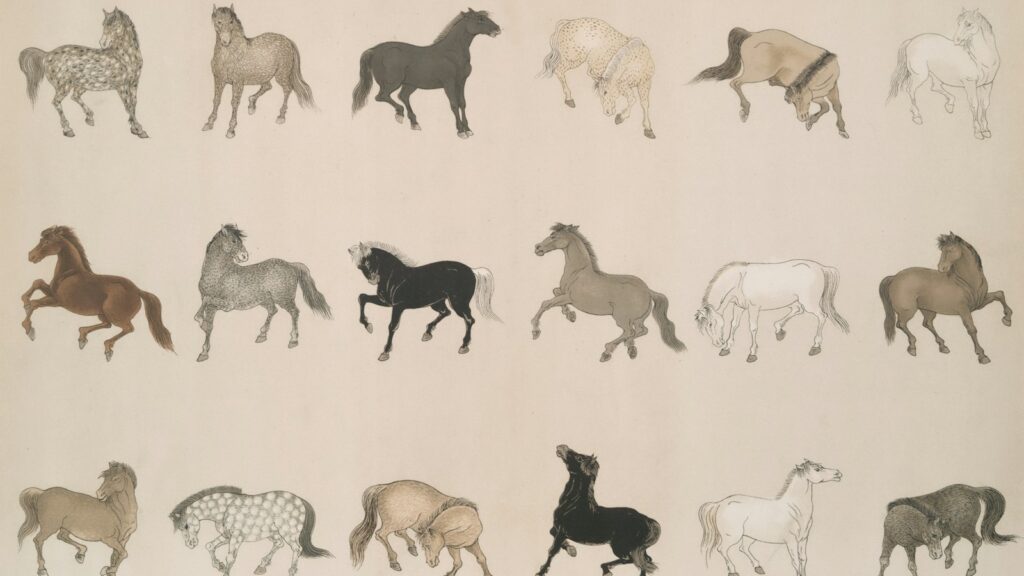
Rare horse breeds often possess remarkable genetic adaptations developed over centuries in response to specific environmental conditions and working demands. Many endangered breeds demonstrate exceptional hardiness, disease resistance, and environmental adaptability that stems from their development in challenging conditions with limited human intervention. Specialized metabolic efficiencies allow some rare breeds to thrive on poor-quality forage that would be insufficient for many modern breeds, making them particularly valuable in marginal agricultural areas. Unique structural adaptations, such as specialized hoof composition for rocky terrain or particular muscular development for specific work tasks, represent genetic resources that took generations to develop and could be permanently lost with the extinction of these breeds. Some rare breeds also demonstrate unusual reproductive adaptations, including extended breeding seasons, high fertility rates, or exceptional maternal instincts that reflect their development in environments where successful reproduction with minimal human assistance was essential for survival.
The Role of Modern Technology in Rare Breed Preservation
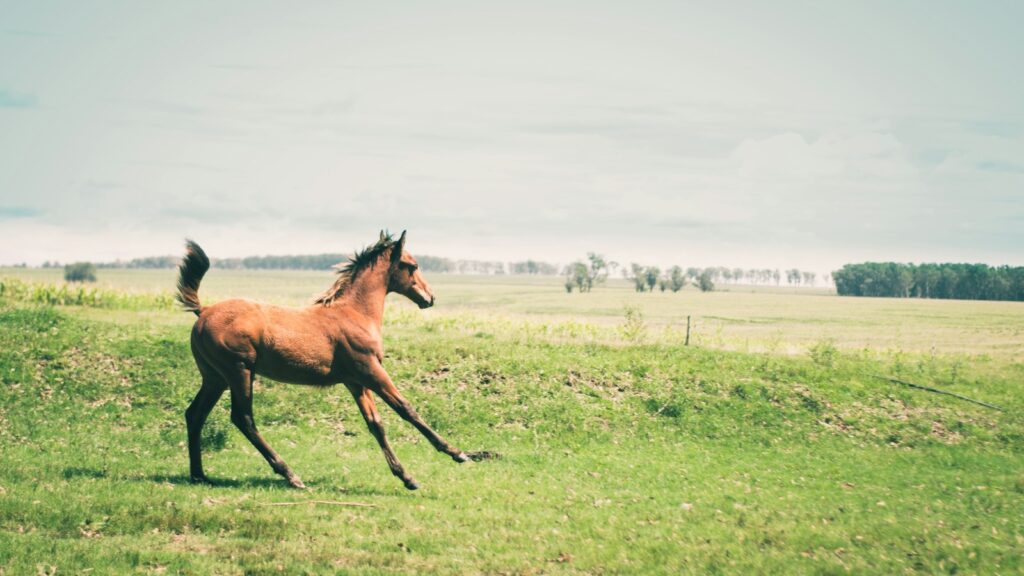
Advanced technologies are revolutionizing conservation efforts for rare horse breeds, providing tools previously unavailable to preservationists. DNA testing enables precise identification of breed ancestry, helping registries maintain breed purity while identifying individuals with valuable genetic diversity within the population. Reproductive technologies, including artificial insemination, embryo transfer, and intracytoplasmic sperm injection, allow valuable genetics to spread more widely than natural breeding would permit, maximizing the impact of each breeding individual. Cryopreservation of genetic material provides a form of insurance against catastrophic population decline, theoretically allowing breeds to be reconstructed even if living numbers temporarily fall below sustainable levels. Digital databases facilitate global collaboration between breeders across continents, allowing more strategic breeding decisions that prioritize genetic diversity while maintaining breed characteristics that might otherwise be lost through geographic isolation of small breeding groups.
Success Stories in Rare Breed Recovery
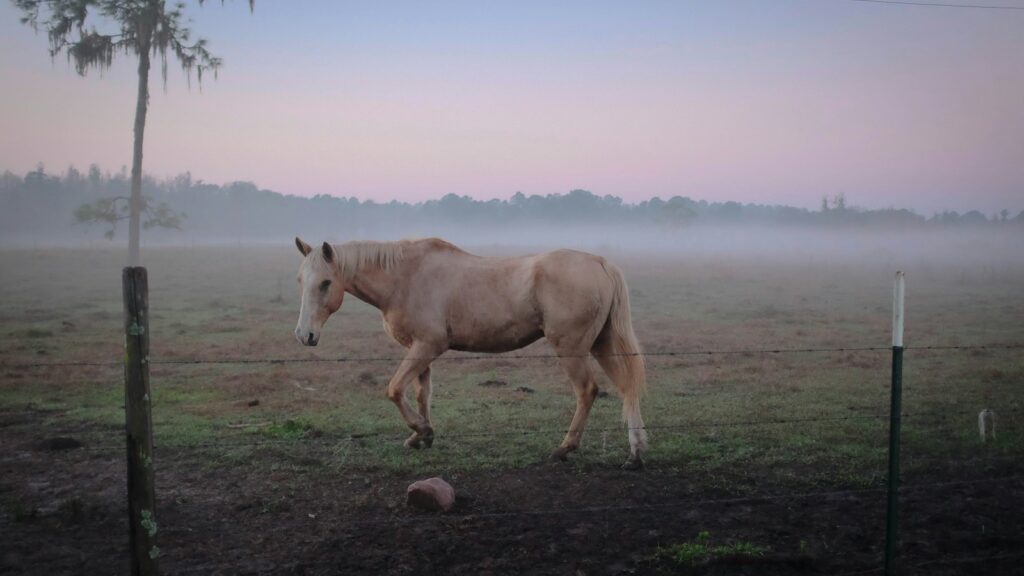
Despite the challenges facing rare horse breeds, several remarkable success stories provide hope and proven strategies for conservation efforts. The Przewalski’s horse stands as perhaps the most dramatic equine conservation success, having been declared extinct in the wild in the 1960s before a captive breeding program successfully reintroduced them to their native Mongolian steppes, where wild populations now exist again. The Colonial Spanish Mustang declined to critical numbers before concentrated efforts by preservation organizations increased their population from fewer than 200 to several thousand across multiple strains, preserving these living links to the horses brought by Spanish explorers. The Cleveland Bay, Britain’s oldest native horse breed, rebounded from just four purebred stallions in the 1960s to a still-vulnerable but more stable population today through the patronage of the British Royal Family and dedicated breed enthusiasts. These success stories demonstrate that with coordinated effort, public awareness, and strategic breeding programs, even breeds on the brink of extinction can recover to sustainable levels.
How Horse Enthusiasts Can Support Rare Breed Conservation
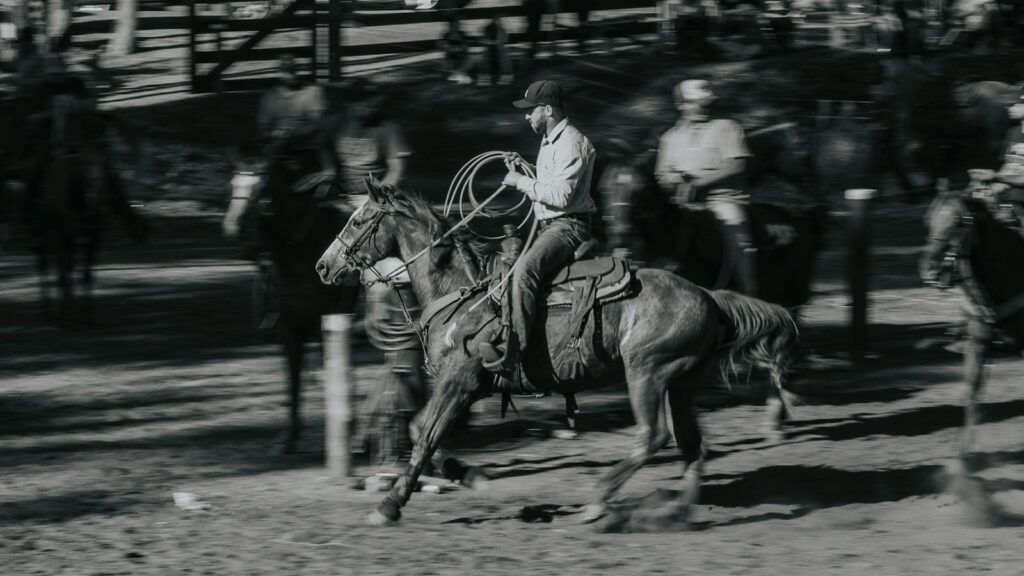
Individual horse enthusiasts can play meaningful roles in preserving rare breeds through multiple avenues of support and engagement. Direct ownership of rare breed individuals represents perhaps the most impactful contribution, as maintaining a breeding population requires dedicated owners willing to raise these breeds despite their limited commercial value. Financial support to breed conservation organizations helps fund critical programs, including genetic research, promotional activities, and incentives for breeders continuing to work with endangered breeds. Participation in rare breed demonstrations, competitive events, and public exhibitions increases visibility and generates interest in these breeds among potential new enthusiasts and supporters. Educational outreach, whether through social media, community presentations, or stable open houses featuring rare breeds, helps build the public awareness necessary for long-term conservation success by creating emotional connections between these historic animals and modern audiences who might support their preservation.
Conclusion: The Future of Rare Horse Breeds
The fate of the world’s rarest horse breeds hangs in a delicate balance between extinction and revival, dependent on human choices and priorities in the coming decades. Each of these breeds—the ancient Sorraia, the hardy Newfoundland Pony, the rediscovered Caspian, the powerful Dales, and the high-stepping Hackney—represents centuries of evolutionary and selective breeding that created unique animals perfectly adapted to specific environments and purposes. Their preservation matters not merely for sentimental or historical reasons, but because they constitute irreplaceable genetic resources and cultural treasures that, once lost, cannot be recreated. The growing interest in heritage breeds, sustainable agriculture, and genetic conservation provides reason for cautious optimism, suggesting that with continued dedicated effort, these magnificent animals may continue to grace our world for generations to come. The story of rare horse breeds remains unfinished, with the next chapters to be written by today’s breeders, conservationists, and horse enthusiasts who recognize the value of maintaining the full diversity of our equine heritage.